Articles / Carpet & Flooring / Commercial Interiors
Heavy Traffic Vinyl Flooring for Hotels: A Long-Term Performance Guide

Introduction: Why Hotel Flooring Fails Under Heavy Traffic
Hotel flooring is exposed to conditions that few other environments experience. Continuous footfall from guests, staff, luggage movement, and service equipment creates a constant level of stress that quickly reveals weaknesses in material choice and installation. What begins as minor surface wear can escalate into visible damage, safety concerns, and frequent maintenance interruptions.
Hotels also experience faster flooring wear because traffic is concentrated and predictable. Lobbies, corridors, reception areas, and lift zones are used almost nonstop, often with little downtime for recovery or repair. Unlike offices or residential spaces, hotels operate around the clock, leaving limited margin for flooring failure.
This reality has pushed many operators to reconsider traditional materials. Heavy traffic vinyl flooring hotel applications have emerged as a performance-driven solution designed to withstand sustained use while maintaining appearance. When specified correctly, this flooring approach supports durability, operational efficiency, and guest experience in demanding hospitality environments.
What Heavy Traffic Vinyl Flooring Means in a Hotel Context
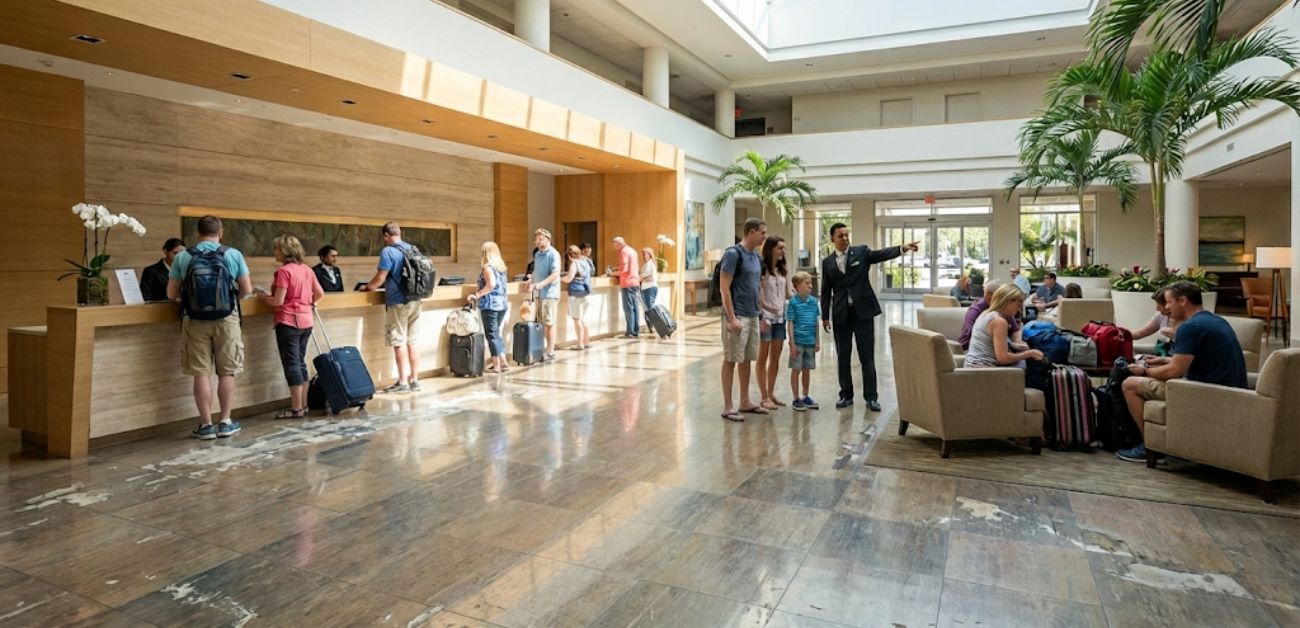
In a hospitality setting, heavy traffic vinyl flooring hotel solutions refer to vinyl flooring systems specifically engineered to perform under constant use. These products are designed for spaces where foot traffic is continuous and where durability, safety, and ease of maintenance are essential to daily operations.
The difference between residential-grade and commercial-grade vinyl is significant. Residential vinyl is intended for lighter use and limited wear cycles. Commercial-grade vinyl used in heavy traffic vinyl flooring hotel applications features thicker wear layers, higher impact resistance, and stronger surface coatings. These elements help the floor withstand rolling luggage, cleaning equipment, and sustained footfall without rapid deterioration.
In hotel environments, performance expectations go beyond appearance. Flooring must resist scuffing, maintain slip safety, tolerate frequent cleaning, and remain visually consistent across large areas. Heavy traffic vinyl flooring hotel solutions are selected to meet these demands while supporting long-term operational reliability and guest comfort.
Where Hotels Experience the Highest Flooring Stress
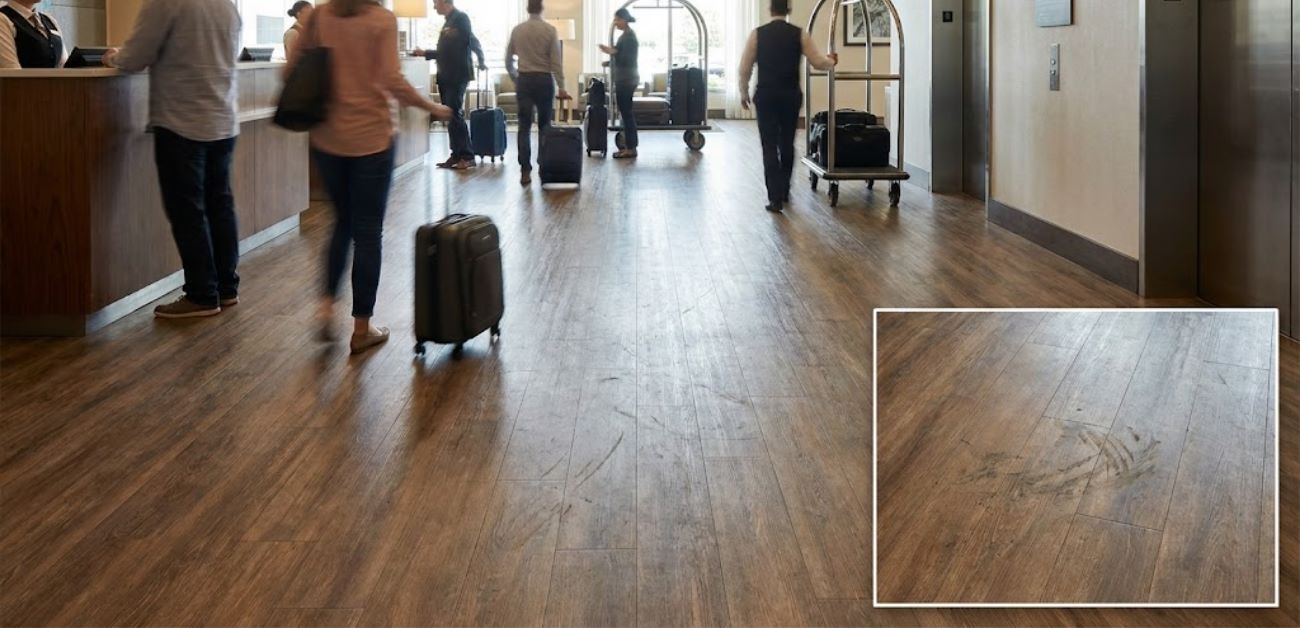
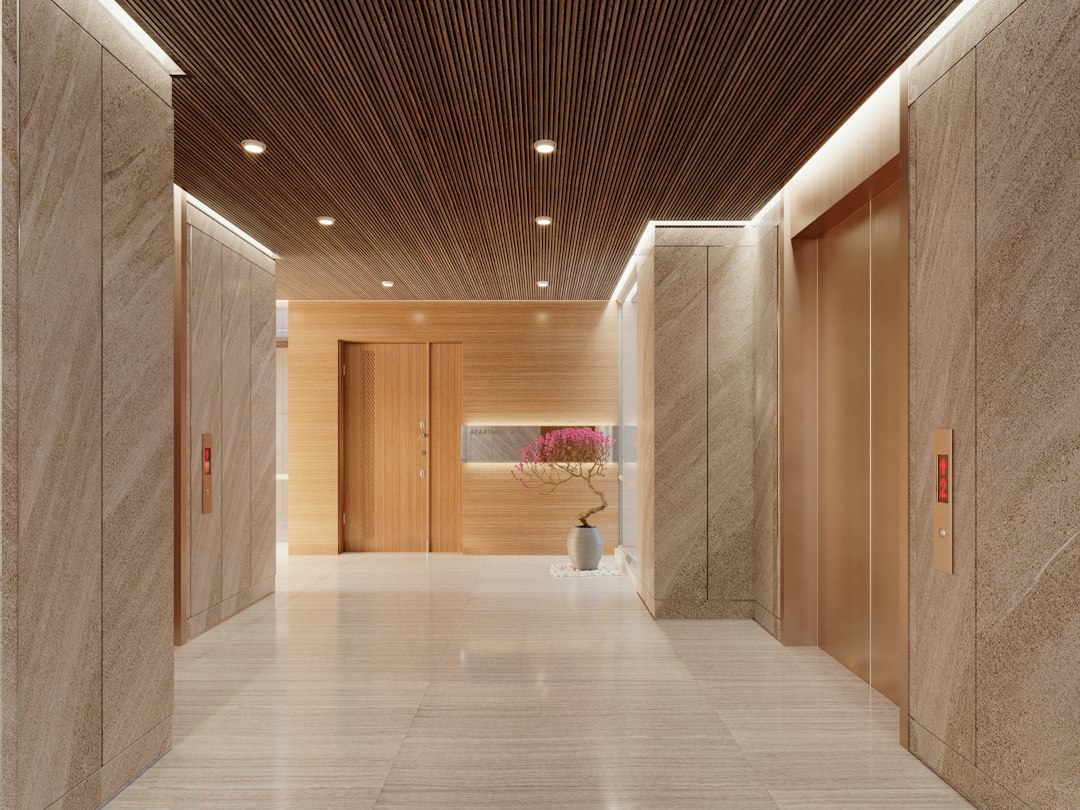
In hotel environments, flooring stress is not evenly distributed. The highest wear occurs in spaces where guests and staff move repeatedly throughout the day. Lobbies, reception areas, corridors, and elevator zones experience constant foot traffic, luggage movement, and service activity. These areas are often the first to show signs of wear, making material choice critical for maintaining appearance and safety.
Back-of-house spaces face a different kind of stress. Service corridors, kitchens, and storage areas may see less guest traffic, but they endure heavier loads, equipment movement, and frequent cleaning. Guest-facing areas, by contrast, must balance durability with visual appeal, since they shape first impressions and overall experience.
When specifying heavy traffic vinyl flooring hotel solutions, understanding traffic patterns is more important than total square footage. A small lobby used continuously will wear faster than a larger area with limited use. Effective flooring decisions focus on how spaces are used, not just how big they are, ensuring performance where it matters most.
Performance Requirements for Heavy Traffic Vinyl Flooring in Hotels
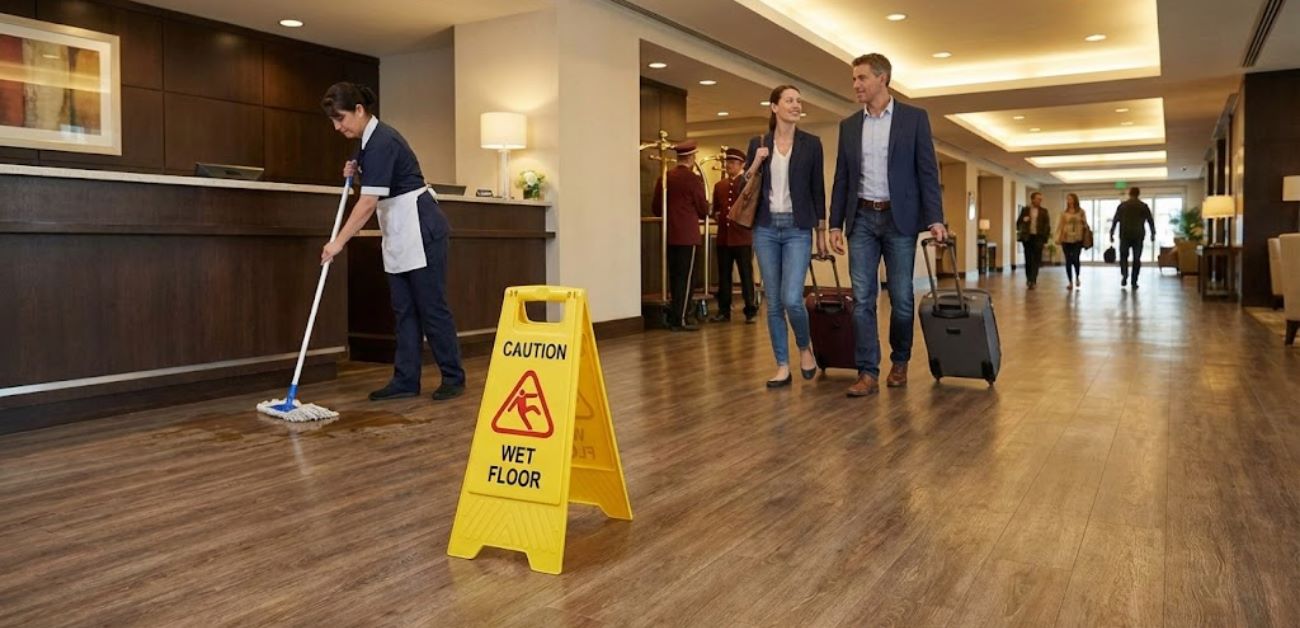
For hotel environments, performance is the defining factor when selecting flooring. Heavy traffic vinyl flooring hotel applications must be engineered to handle constant use without compromising safety or appearance. One of the most important elements is the wear layer. Thicker wear layers provide greater resistance to scuffs, scratches, and surface erosion caused by luggage wheels and continuous foot traffic. Impact resistance is equally important, especially in areas where carts and equipment are frequently moved.
Slip safety is a critical requirement in hotels. Flooring must maintain traction even when exposed to moisture from cleaning, spills, or wet footwear. Commercial-grade vinyl products used in heavy traffic vinyl flooring hotel settings are designed to meet slip resistance standards that support guest and staff safety.
Moisture tolerance and cleaning cycles also influence performance. Hotel floors are cleaned frequently, often with industrial products. Vinyl flooring must resist moisture penetration and chemical damage while retaining its finish over time.
Noise reduction is another key consideration. Hotels require quiet environments to support guest comfort. Vinyl flooring helps absorb sound from footsteps and rolling luggage, reducing noise transfer between spaces. When properly specified, heavy traffic vinyl flooring hotel solutions support durability, safety, and a more comfortable guest experience.
Design Without Compromise: Appearance vs Durability
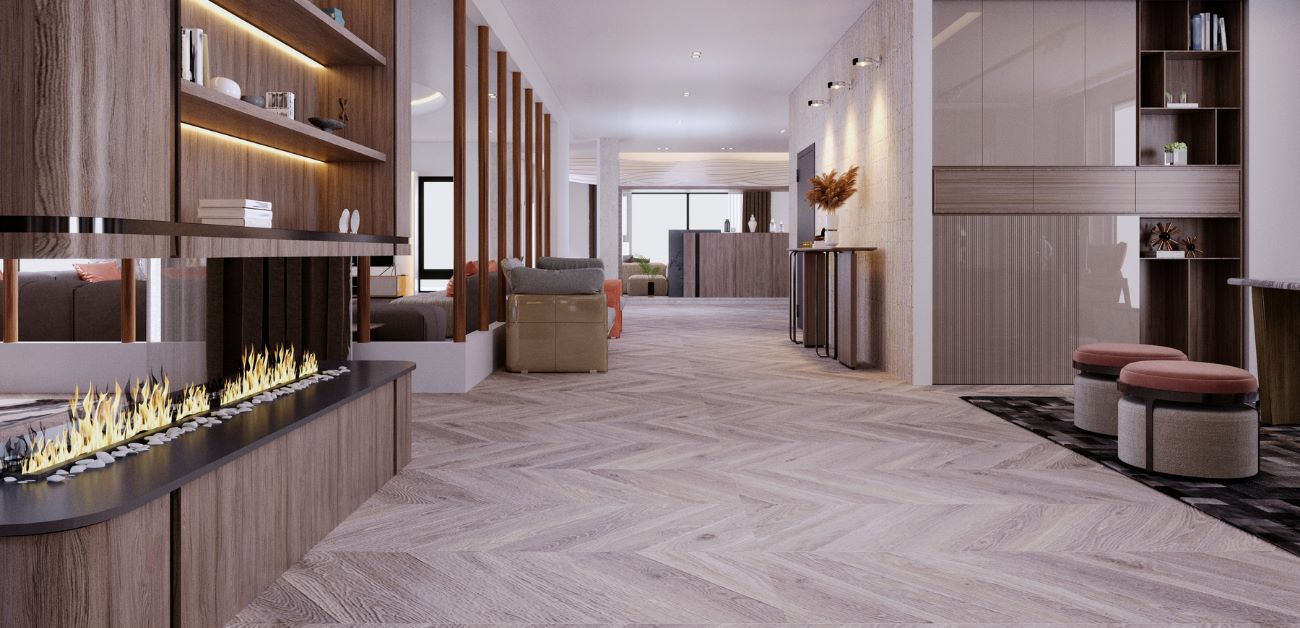
In hospitality design, durability cannot come at the expense of appearance. Hotels rely on visual consistency and atmosphere to shape guest perception, yet flooring must also withstand constant use. The challenge is finding materials that balance aesthetics with performance. Heavy traffic vinyl flooring hotel solutions are designed to meet both demands, offering resilience without limiting design flexibility.
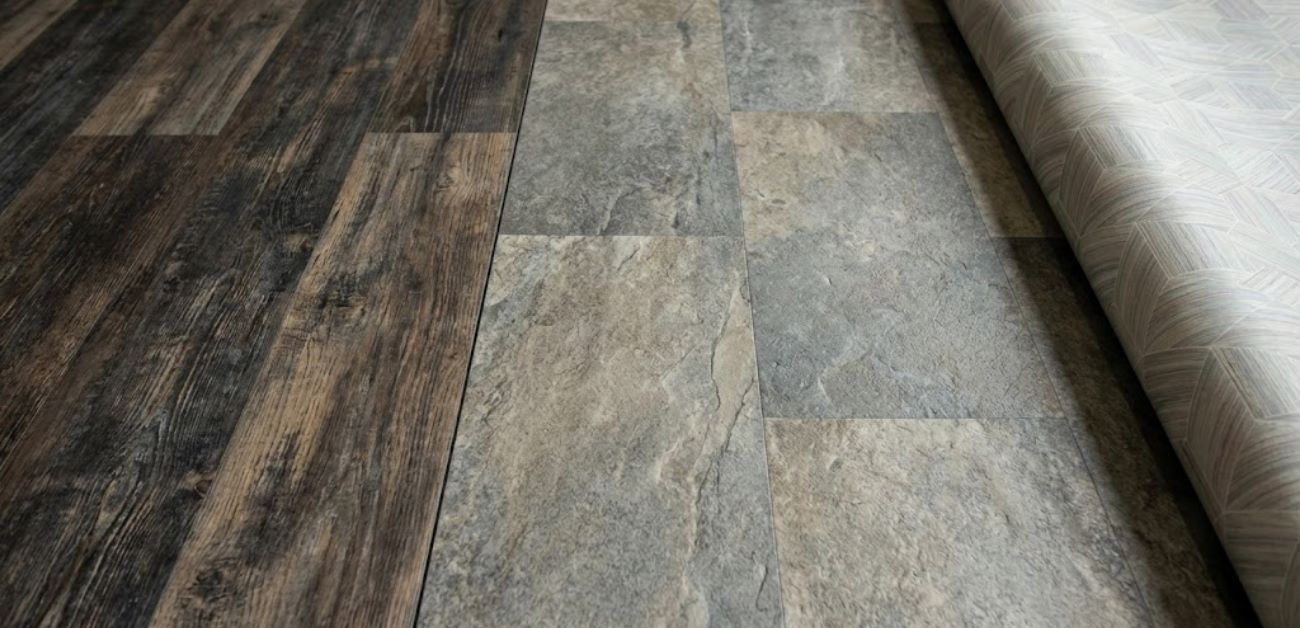
Modern vinyl products are available in a wide range of patterns, textures, and finishes that help disguise everyday wear. Wood and stone visuals, subtle textures, and matte finishes are particularly effective at hiding scuffs and minor marks that develop in high-use areas. Pattern variation can also reduce the visibility of traffic paths, allowing floors to maintain a clean appearance for longer periods.
Design-led vinyl works well in hospitality because it allows hotels to achieve a cohesive interior style across guest-facing and operational spaces. When specified correctly, heavy traffic vinyl flooring hotel applications support brand identity while delivering the durability required for round-the-clock use. This balance makes vinyl a practical and visually reliable choice for modern hotels.
Operational Value: Maintenance, Downtime, and Lifecycle Costs
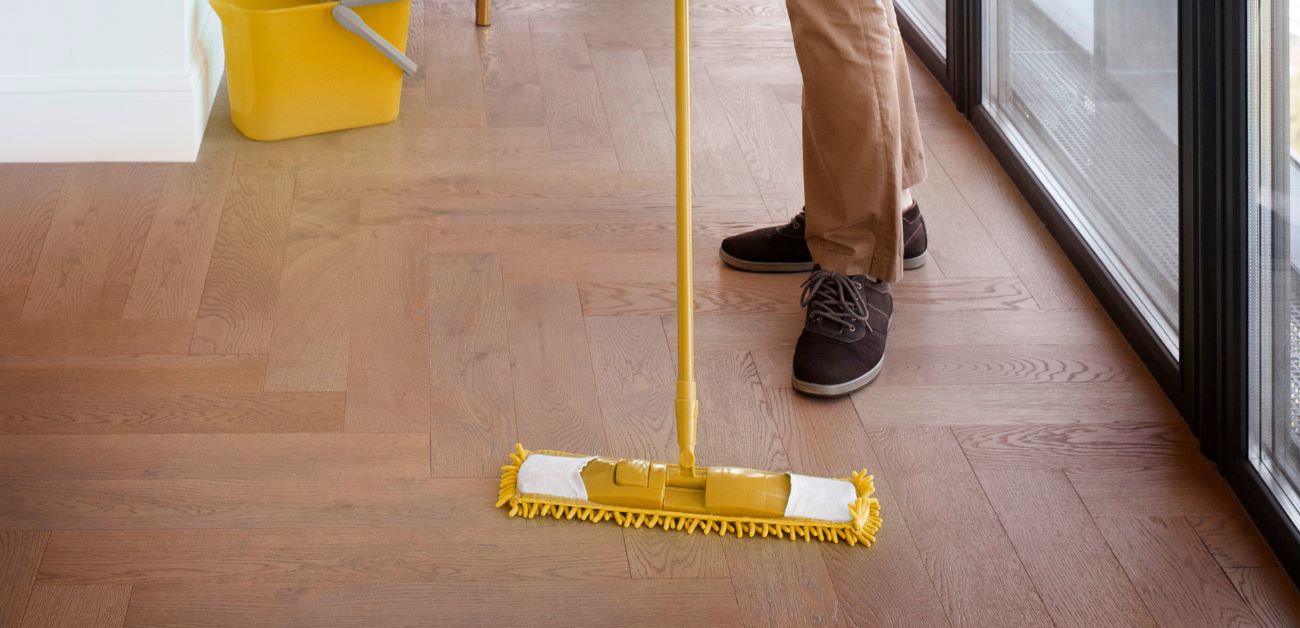
Operational efficiency is a major consideration in hotel flooring decisions. Heavy traffic vinyl flooring hotel solutions are valued for their cleaning efficiency, allowing housekeeping teams to maintain large areas quickly without specialized treatments. This reduces staff workload while supporting consistent presentation in guest-facing spaces.
Downtime is another critical factor. Hotels cannot easily close areas for repairs, and frequent flooring replacement disrupts operations and guest experience. Heavy traffic vinyl flooring is designed to support longer replacement cycles and, when necessary, allows for phased refurbishment. This makes it possible to update sections of flooring without shutting down entire areas.
From a cost perspective, vinyl often compares favorably with alternative hotel flooring options such as stone or carpet. While premium materials may offer visual appeal, they typically require higher maintenance and shorter replacement cycles. Heavy traffic vinyl flooring hotel applications balance upfront cost with long-term operational savings, making them a practical choice for sustained hospitality use.
How Hotel Flooring Choices Have Evolved
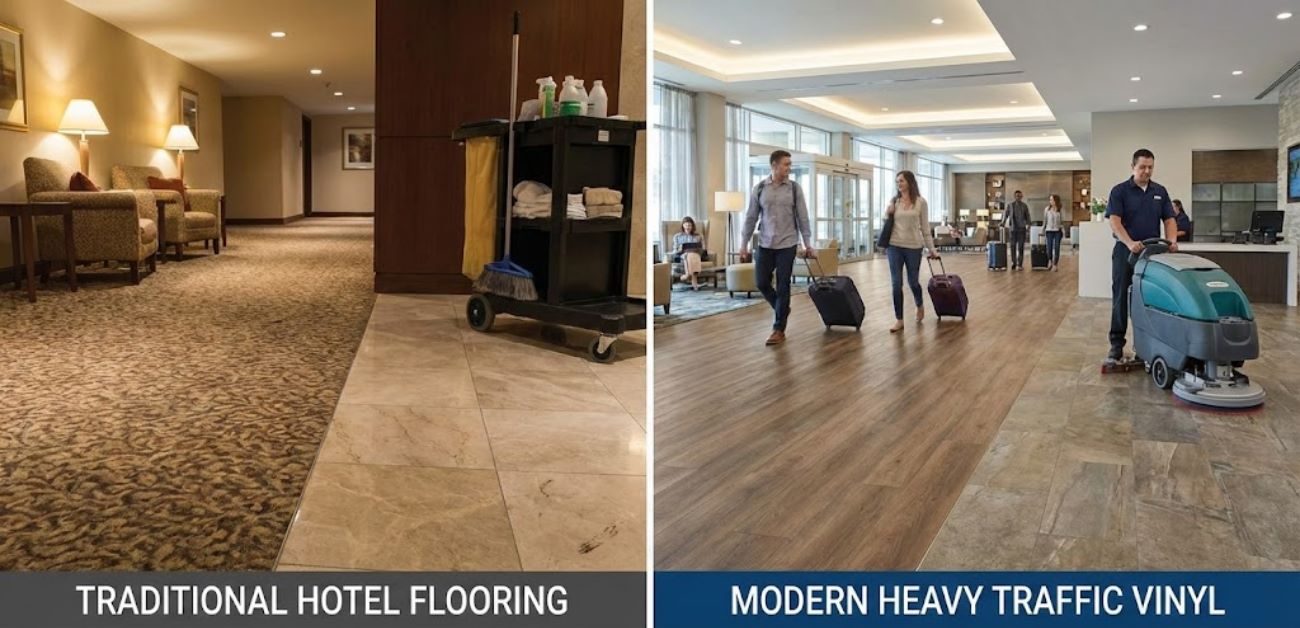
Hotel flooring has changed significantly as hospitality operations have become more demanding. Traditional materials such as carpet, stone, and ceramic tile were once common in hotels, valued for comfort or visual impact. Over time, their limitations became clear. Carpets wear quickly and are difficult to maintain, while stone and tile can be costly, noisy, and unforgiving under constant use.
Modern hospitality has shifted toward more practical solutions. Vinyl flooring has gained popularity because it addresses many of these challenges while offering greater design flexibility. Advances in manufacturing have improved durability, surface finishes, and acoustic performance, making vinyl suitable for high-use environments.
As a result, heavy traffic vinyl flooring hotel applications are now a standard choice rather than a compromise. They provide the durability required for continuous operation, support efficient maintenance, and allow hotels to maintain consistent design across multiple spaces. This evolution reflects a broader focus on performance-driven design in hospitality environments.
Conclusion: Choosing Heavy Traffic Vinyl Flooring for Hotel Longevity
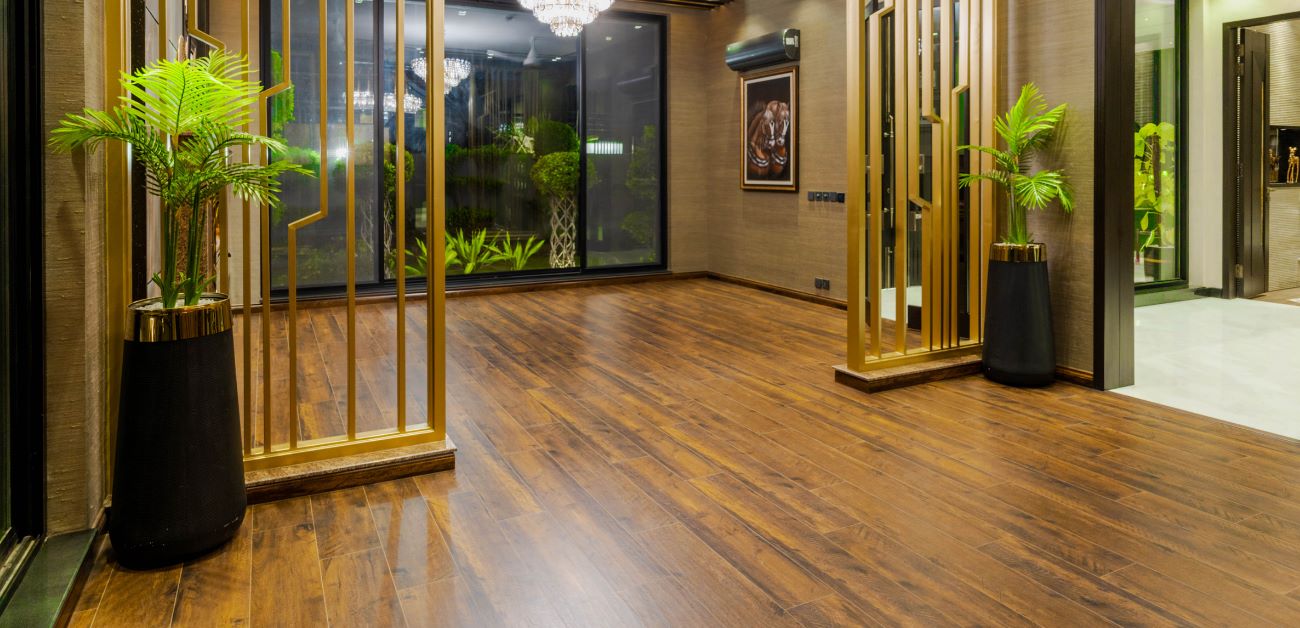
Selecting the right flooring is a long-term operational decision for hotels. Continuous use, maintenance demands, and guest expectations place significant pressure on materials to perform consistently. Heavy traffic vinyl flooring hotel solutions address these challenges by combining durability, safety, and design flexibility in a single system.
The most effective hotel flooring strategies prioritise lifecycle value over short-term cost considerations. Materials that minimise downtime, simplify maintenance, and retain their appearance under continuous use contribute directly to operational efficiency and guest satisfaction. When specified correctly, modern vinyl flooring systems allow hospitality operators to maintain a cohesive interior identity while meeting the functional realities of high-use environments.
Within the broader hospitality flooring and interior solutions landscape, Goodrich Global operates among providers that understand the technical and operational demands unique to hotels. By aligning material performance with long-term operational requirements, heavy traffic vinyl flooring becomes a strategic investment – one that supports durability, guest comfort, and design continuity well beyond initial installation. For hotel operators and designers seeking dependable, future-ready flooring solutions, informed specification remains the foundation of long-term success.