Interior Design
Home Gym Design: Flooring, Walls and Acoustic Tips
The Rise of the Home Gym in Singapore
Home gyms have become a permanent fixture in many Singapore households. Whether it is a dedicated spare room, a converted study or a corner of the living room, more residents are investing in exercise spaces within their HDB flats, condominiums and landed properties.
Designing an effective home gym involves more than choosing equipment. The flooring must withstand impact and heavy loads. The walls should be functional and motivating. And in high-density living environments, acoustic management is essential to avoid disturbing your neighbours. This guide covers all three elements.
Home Gym Flooring: The Foundation
The floor of your home gym must handle three challenges simultaneously: protecting the subfloor from equipment damage, cushioning your body during exercise and reducing noise transmission to neighbouring units.
Rubber gym flooring is the traditional choice for dedicated gym spaces. Interlocking rubber tiles provide excellent shock absorption, resist heavy weights and reduce noise. They are available in various thicknesses — 6 mm for light exercise, up to 20 mm or more for heavy weightlifting areas.
Luxury vinyl flooring is an excellent choice for home gyms that double as living spaces. Quality vinyl tiles are resilient enough to handle bodyweight exercises, yoga, Pilates and light free weights. For heavier equipment, place rubber mats beneath squat racks and dumbbell stations to provide localised protection over the vinyl.
When selecting gym flooring, consider these factors:
- Impact absorption: Thicker, cushioned materials protect your joints and reduce noise. This is crucial for exercises involving jumping or dropping weights.
- Slip resistance: Gym flooring must provide grip, especially when you are sweating. Look for textured surfaces that maintain traction when wet.
- Ease of cleaning: Sweat, dust and occasional spills require flooring that can be easily wiped or mopped. Vinyl and rubber both clean up quickly.
- Subfloor protection: In HDB flats and condos, you need to protect the concrete or tile subfloor from heavy equipment. A dropped dumbbell can crack tiles and damage the waterproofing membrane in upper-floor units.
Acoustic Solutions for Neighbours
In Singapore’s high-density housing, noise from home gym activities is one of the most common sources of neighbour complaints. Impact noise from jumping exercises, dropped weights and treadmill vibrations travels through floor slabs to units below. Managing this noise is not just courteous — it is essential for maintaining good relations with your neighbours.
Effective noise reduction strategies include:
Multi-layer flooring: Combine a dense rubber layer with an acoustic underlay for maximum impact noise reduction. This sandwich construction absorbs vibration before it reaches the building structure. For jumping exercises, consider a triple-layer system of vinyl or rubber surface, foam underlay and a dense rubber base.
Acoustic underlay: If you are using vinyl flooring in your gym space, add a dedicated acoustic underlay beneath it. Cork, recycled rubber and closed-cell foam underlays all provide meaningful impact sound reduction.
Equipment placement: Position treadmills, rowing machines and other vibration-generating equipment on thick rubber pads. Place them away from the centre of the room where the floor slab has the most flex, and ideally closer to load-bearing walls where the structure is more rigid.
Timing considerations: Even with the best acoustic treatment, avoid high-impact exercises during early morning and late-night hours. This is common courtesy in Singapore’s condo and HDB environments.
Wall Treatments for Home Gyms
The walls of your home gym serve functional and psychological purposes. The right treatment can improve your workout experience while also contributing to noise management.
Mirrors: Full-length mirrors on one or two walls are standard in gyms for form-checking during exercises. Mount them securely using heavy-duty mirror clips or adhesive, and ensure they are shatter-resistant or safety-backed to prevent injury.
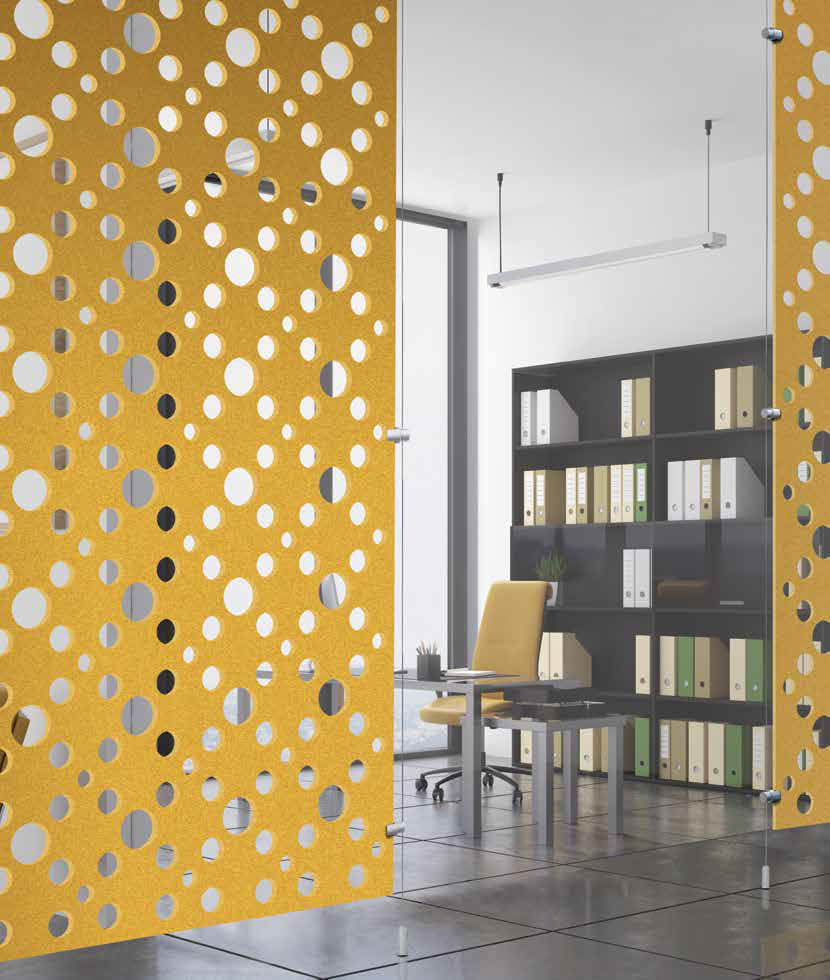
Acoustic panels: Fabric-wrapped acoustic panels on walls reduce echo and reverberation, making the space feel less like a hollow box and more like a professional studio. They also reduce airborne noise transmission to adjacent rooms and units. Position panels on the walls opposite your main exercise area for best effect.
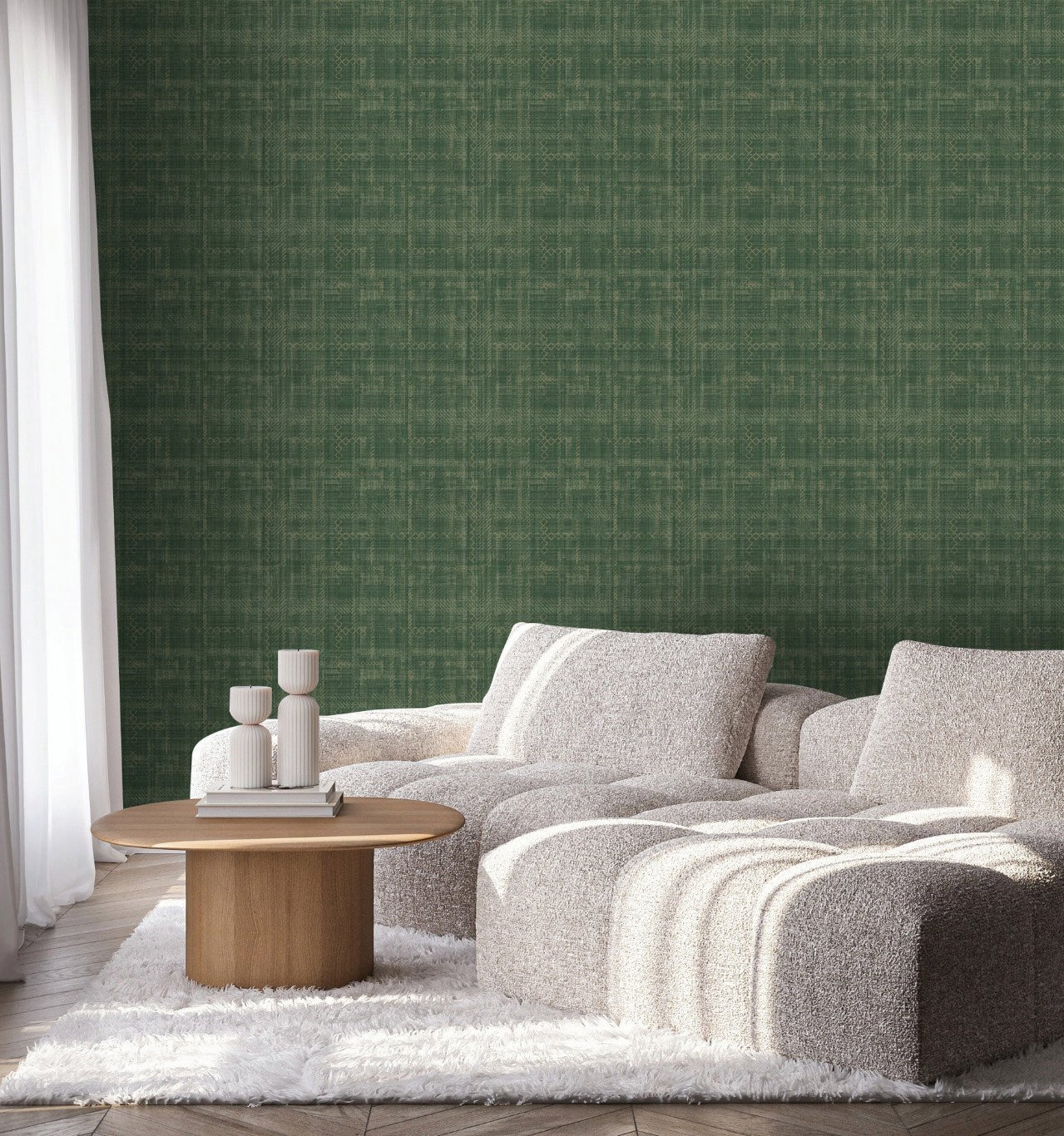
Wipeable wall finishes: Home gym walls will get splashed with sweat and occasionally bumped by equipment. Choose durable, washable finishes such as semi-gloss paint or vinyl wall coverings that can be wiped clean. Matte finishes and delicate wallpapers are not practical for gym environments.
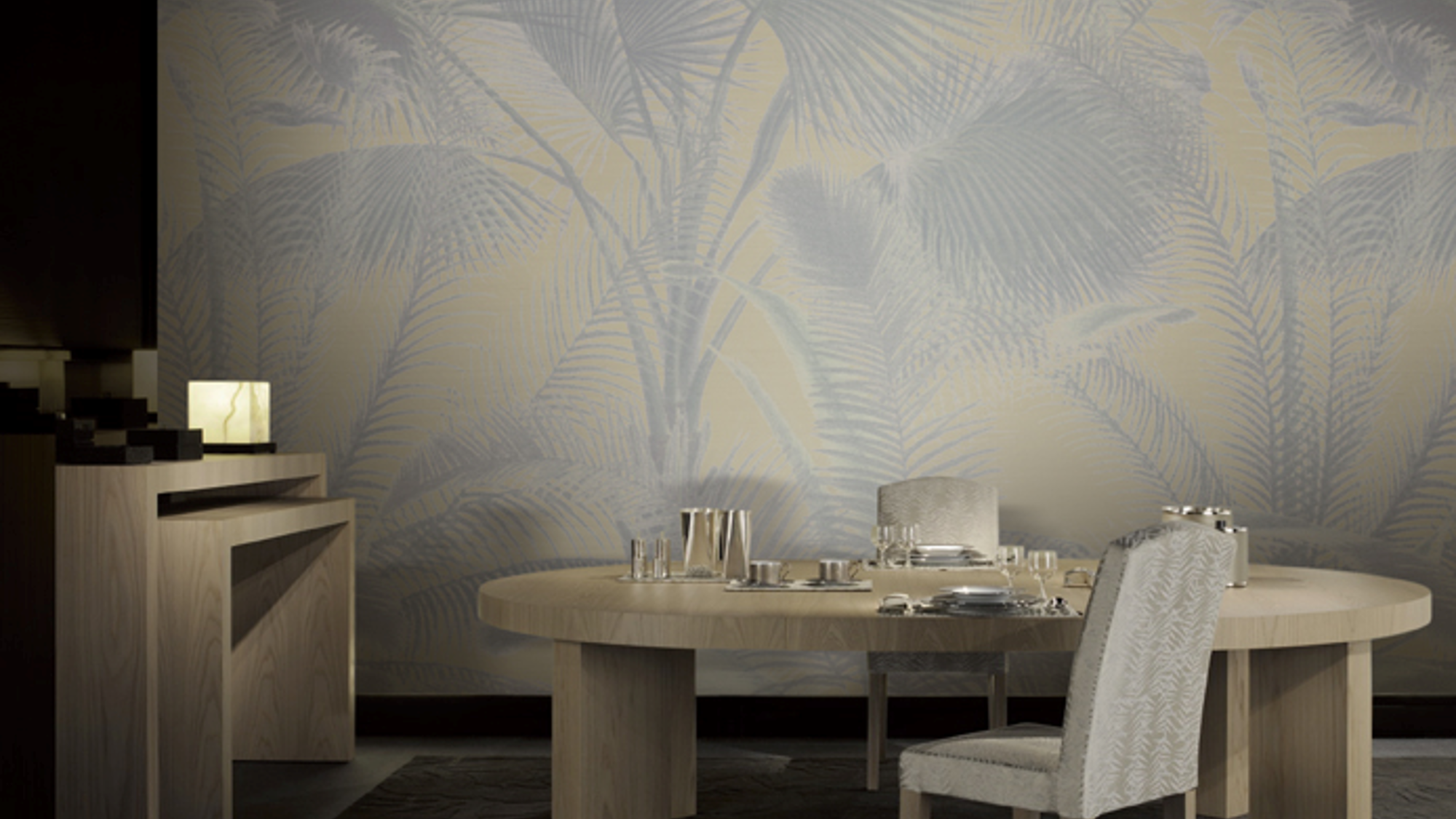
Motivational design: Use colour psychology to create an energising atmosphere. Warm colours like orange and red are stimulating, while blues and greens promote calm focus — better suited to yoga and stretching areas. A bold accent wall or graphic wallpaper can create a motivating backdrop without cluttering the space.
Layout and Space Planning
Space is at a premium in most Singapore homes, so efficient layout is essential for a functional home gym.
For a dedicated room (typically a spare bedroom in a three- or four-room HDB flat), plan your layout around your primary activities. Keep a clear floor area of at least 2 metres by 2 metres for mat-based exercises. Position any large equipment against walls, and leave adequate clearance around each piece for safe use.
For a shared space (a gym corner in the living room or bedroom), invest in foldable and compact equipment that can be stored away after use. Wall-mounted racks for resistance bands, pull-up bars that fit in door frames and foldable benches maximise usability without permanently consuming floor space.
Ventilation is critical. Home gyms generate heat and humidity from exertion, and Singapore’s ambient temperature compounds this. If your gym room has an air-conditioning unit, ensure it is powerful enough to cool the space during intense workouts. Portable fans provide supplementary air circulation.
Lighting should be bright and even. Avoid positioning yourself so that overhead lights create glare on mirrors. Natural light from windows is ideal during daytime workouts, but ensure you have adequate artificial lighting for evening sessions.
Multi-Purpose Gym Spaces
Most Singapore homeowners cannot dedicate an entire room to fitness. The key is designing a space that transitions smoothly between gym and living functions.
Vinyl flooring is ideal for multi-purpose spaces because it looks stylish enough for everyday living while being tough enough for exercise. A wood-look or stone-look vinyl floor works as the everyday surface, with rollable rubber mats laid over it during workout sessions for added protection and cushioning.
Storage solutions are crucial. Built-in cabinets or a dedicated closet for weights, bands, mats and other equipment keeps the space tidy when not in use. Wall-mounted hooks and racks keep frequently used items accessible without cluttering the floor.
Consider the transition between gym and living modes. A dedicated storage system that allows you to set up and pack away your gym in under five minutes makes it far more likely you will actually use the space. If the setup process is cumbersome, motivation suffers and the gym equipment ends up collecting dust.
For apartments with balcony spaces, lightweight exercises such as yoga, stretching and bodyweight training can be done outdoors. Outdoor decking provides a comfortable, slip-resistant surface for balcony workouts and is designed to withstand Singapore’s weather conditions. The fresh air and natural light of an outdoor exercise space can be more motivating than a windowless spare room.
Planning a home gym in your HDB flat or condo? Book an appointment with our design consultants to explore flooring and wall solutions that make your fitness space both effective and neighbour-friendly.