Wallpaper & Wallcovering
Hotel Wallpaper Design: Hospitality Interior Guide
Hotel wallpaper design shapes the guest experience from the moment they step into the lobby to the last impression formed in their guest room. In Singapore’s hospitality market, where world-class hotels compete for discerning travellers, wallcoverings are a critical element of interior specification. They establish brand identity, create atmosphere, and must endure the relentless cycle of guest turnover, housekeeping, and luggage trolleys.
This guide covers the design considerations, performance standards, and specification practices that deliver successful hotel wallpaper installations across all property types, from luxury brands to lifestyle boutique hotels.
The Role of Wallpaper in Hotel Design
Hotels sell experiences, not just beds. Every surface, material, and finish contributes to the narrative a property tells its guests. Wallcoverings influence this narrative in several distinct ways.
Atmosphere is the most immediate contribution. The colour palette, texture, and pattern of wallcoverings set the emotional tone of a space. Rich, warm textures in deep tones create intimacy in a bar or lounge. Light, airy patterns with natural motifs evoke calm in a spa or wellness area. Bold graphics energise a lobby or co-working zone.
Brand consistency across a hotel chain demands materials that can be specified precisely and reproduced reliably across multiple properties and countries. Wallcoverings, particularly those from established manufacturers, offer exact colour matching, consistent pattern repeats, and documented performance specifications that ensure uniformity from one location to the next.
Durability with refinement is the balancing act unique to hospitality. Guest rooms see hundreds of occupants per year, each dragging luggage, bumping furniture, and touching walls. The wallcovering must absorb this punishment while maintaining the visual quality expected by guests paying premium room rates.
Specification by Hotel Zone
Different areas of a hotel place different demands on wallcoverings. A specification that works in a guest room corridor may be entirely wrong for a spa treatment room.
Lobby and Public Areas
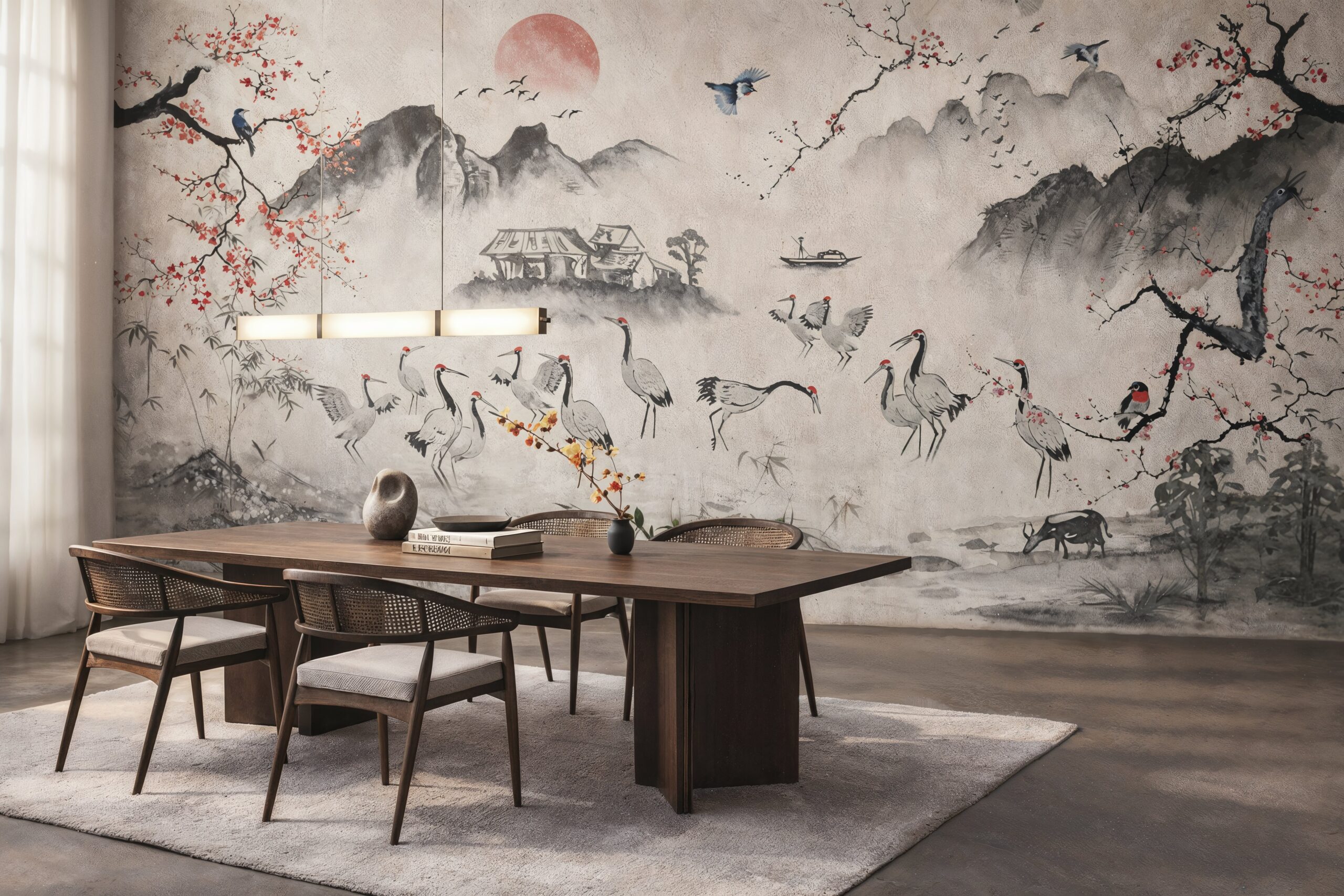
The lobby is the hotel’s signature space. Wallcoverings here must make a design statement while handling the highest foot traffic and luggage impact. Type II or Type III vinyl wallcoverings with high abrasion resistance are the standard. Feature walls may use premium textured products such as metallic weaves, embossed panels, or custom-printed murals that establish the property’s visual identity.
Guest Room Corridors
Corridors endure constant abuse from luggage trolleys, housekeeping carts, and guest traffic. The lower portion of corridor walls takes the worst impact, making a two-part specification common: a durable, scrubbable wallcovering on the lower half combined with a more decorative option above. Wallcoverings with high tear strength and puncture resistance perform best here.
Guest Rooms
Guest rooms balance design refinement with practical durability. The headboard wall typically features the primary design statement, often a textured or patterned wallcovering that photographs well for booking platforms. Remaining walls may use a coordinating plain or subtly textured wallcovering. All surfaces must be cleanable and resistant to common stains from beverages, cosmetics, and luggage scuffs.
Bathrooms and Wet Areas
Moisture-resistant wallcoverings rated for wet environments can be used in hotel bathrooms outside the direct splash zone. These add design interest to a space that would otherwise default entirely to tile. Ensure the product is specifically rated for high-humidity environments and that vapour-permeable adhesive is used to prevent moisture entrapment.
Meeting Rooms and Ballrooms
Conference and event spaces require wallcoverings that support various lighting conditions, from bright daylight presentations to dimmed evening receptions. Neutral, textured wallcoverings with good acoustic properties are preferred. Avoid highly reflective or metallic finishes that create distracting glare under AV projection.
Performance Standards for Hospitality Wallcoverings
Hotel wallcoverings must meet stringent performance criteria. When evaluating products, these are the key specifications to examine.
| Property | Standard/Test | Typical Hotel Requirement |
|---|---|---|
| Abrasion resistance | Wyzenbeek method | Minimum 300 cycles for guest rooms; 500+ for public areas |
| Tear strength | Elmendorf method | Higher ratings for corridors and luggage-impact zones |
| Stain resistance | Manufacturer’s test | Must resist common hotel stains: coffee, wine, cosmetics, ink |
| Colourfastness | AATCC 16 or equivalent | No visible fading after prolonged UV and artificial light exposure |
| Fire rating | BS 476 / ASTM E84 | Must comply with SCDF requirements for commercial premises |
| Mould resistance | ASTM G21 or equivalent | Essential for Singapore’s tropical climate |
Always request the manufacturer’s full technical data sheet and test certificates. Goodrich Global provides comprehensive technical documentation for all wallcovering products to support hospitality specifiers in meeting project requirements.
Design Trends in Singapore Hotel Interiors
Singapore’s hotel design scene reflects the city-state’s unique position as a multicultural hub with a forward-looking design sensibility.
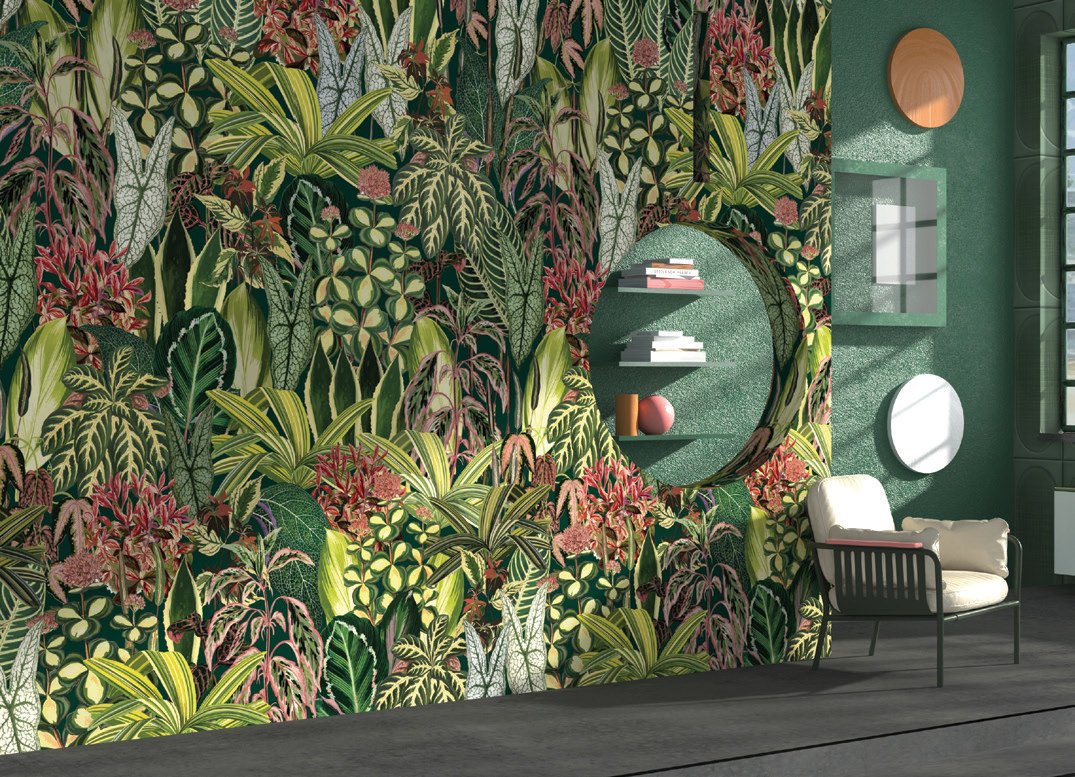
Nature-inspired wallcoverings continue to gain traction across all hotel segments. Tropical botanical patterns, organic textures, and earthy colour palettes connect interiors to Singapore’s garden city identity. These designs resonate particularly well in wellness-focused properties and resort-style hotels on Sentosa and the Southern Islands.
Heritage-inspired designs draw on Singapore’s rich architectural and cultural history. Peranakan motifs reinterpreted in contemporary colourways, Art Deco patterns referencing the Tanjong Pagar and Tiong Bahru neighbourhoods, and colonial-era-inspired textures give properties a sense of place that distinguishes them from generic international hotel interiors.
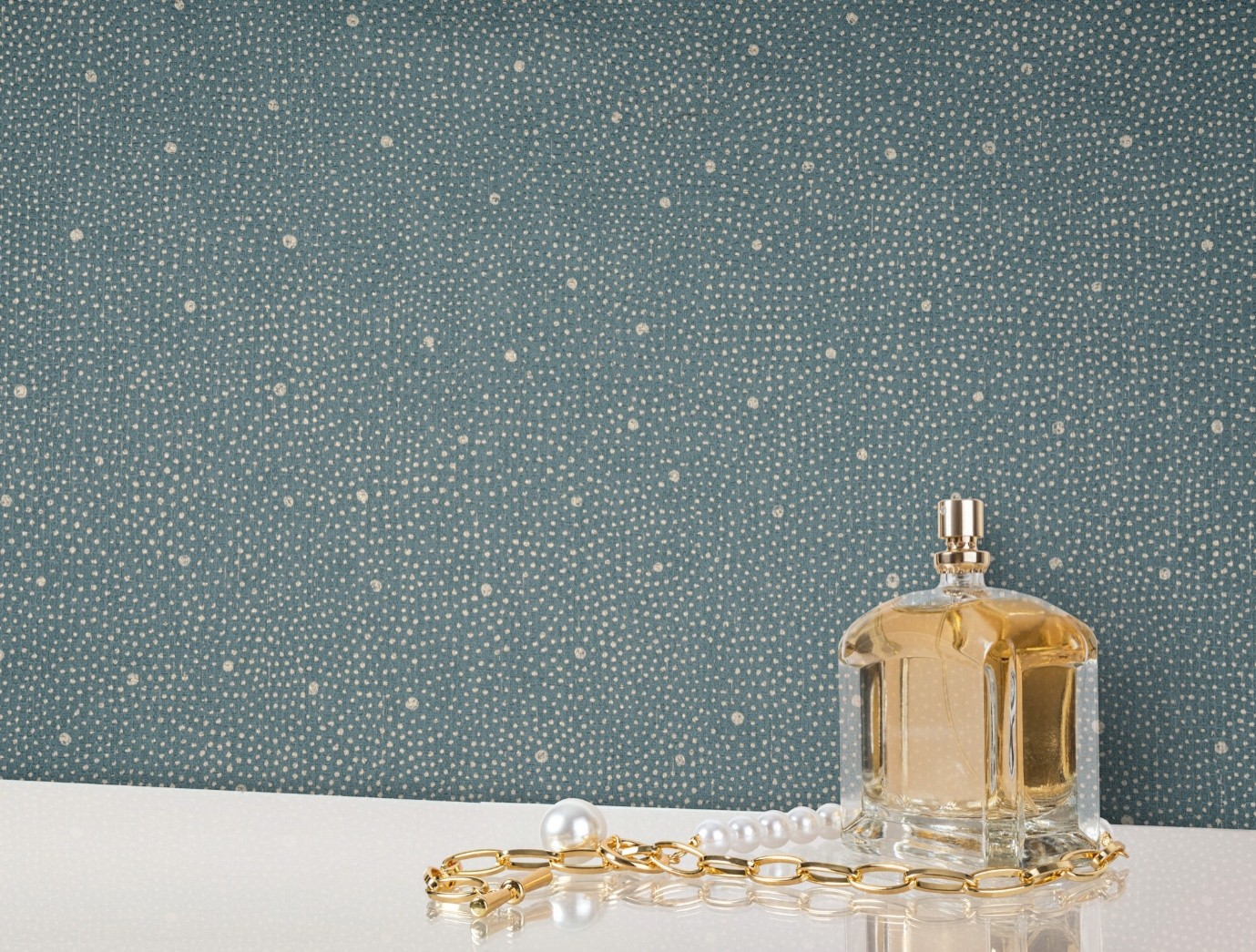
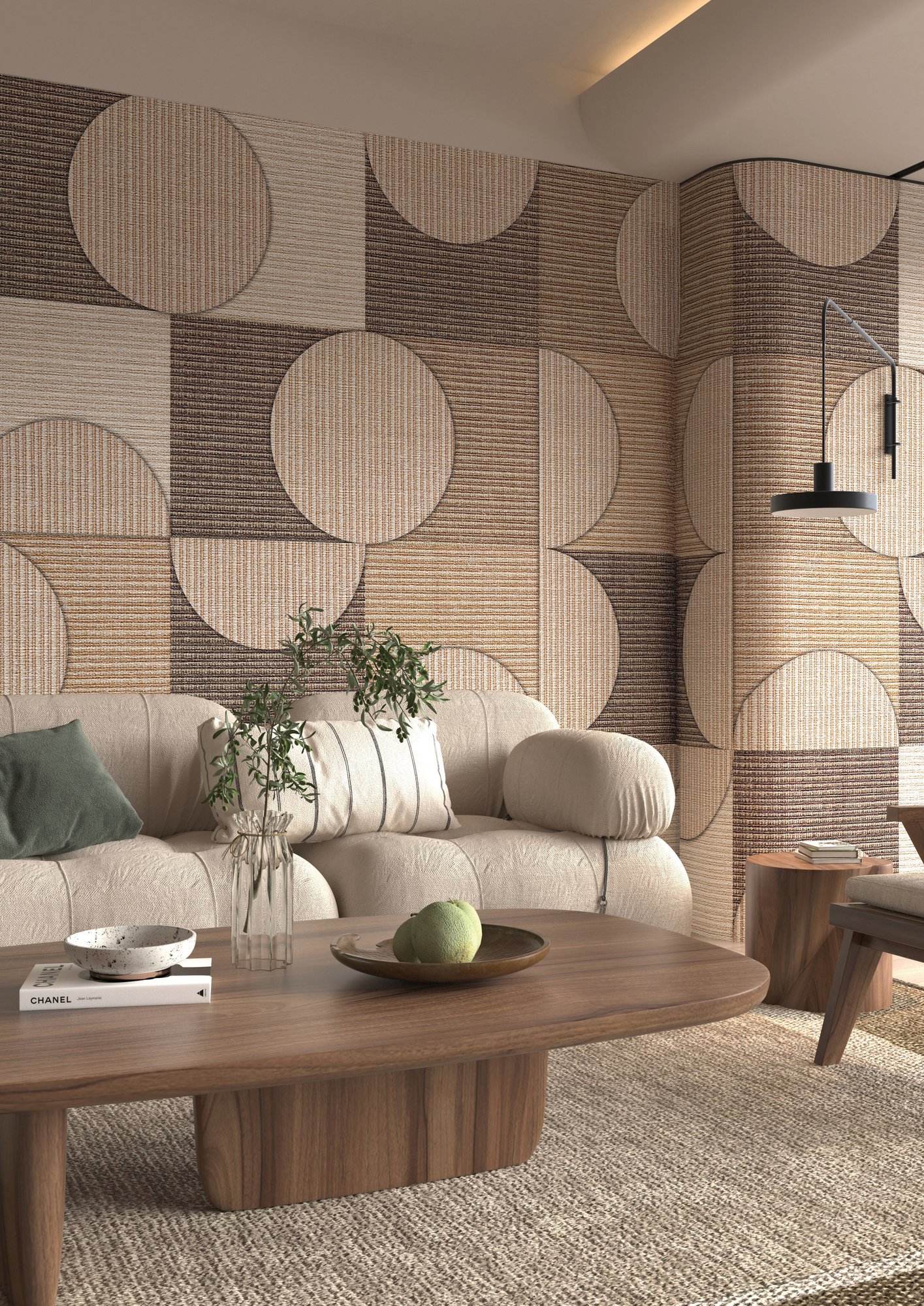
Textural richness is replacing pattern as the primary design device in luxury hotels. Grasscloth, silk, linen, and metallic thread wallcoverings create surfaces with visual depth and tactile quality that read as premium without competing with artwork or furnishings.
Sustainability-conscious selections are increasingly specified by hotel groups with environmental commitments. Low-VOC wallcoverings, products with recycled content, and PVC-free alternatives meet the requirements of green building certifications and satisfy the growing expectations of environmentally aware travellers.
Lifecycle and Replacement Considerations
Hotels operate on renovation cycles, typically refreshing guest rooms every five to seven years and public areas every seven to ten years. Wallcovering specification should account for this lifecycle.
Selecting wallcoverings on non-woven backings simplifies future removal and replacement. These products strip cleanly, reducing preparation time and cost during the next renovation cycle. This is a significant consideration for a 300-room hotel where each hour saved per room translates into substantial project savings.
Colour and pattern should have longevity. Trend-driven designs date quickly, creating guest perception of a tired interior well before the wallcovering’s physical life is exhausted. Timeless textures, classic patterns, and sophisticated colour palettes maintain their visual appeal across the full renovation cycle.
Stock availability is a practical concern for hotel groups. Confirm with the supplier that the specified wallcovering will remain available for maintenance replacements and phased renovation programmes that may span several years.
Final Thoughts
Hotel wallpaper design is a discipline that demands equal attention to aesthetics, performance, and lifecycle management. The right wallcovering specification creates guest experiences that feel intentional and luxurious while delivering the durability and maintainability that hotel operations require. In Singapore’s competitive hospitality market, every design detail contributes to a property’s positioning, and wallcoverings are among the most impactful.
Request free samples from our Singapore showroom to evaluate wallcovering options for your hospitality project.