Articles / Fabric & Upholstery
How Easy Clean Fabrics for F&B Upholstery Support Hygiene and Durability

Why Upholstery Matters More Than Tables and Chairs
In F&B environments, upholstery is one of the most heavily used and closely scrutinised surfaces. Guests sit, lean, and dine on it for extended periods, often in close proximity to food and drink. Spills, crumbs, moisture, and frequent contact are part of daily operations, making upholstery far more vulnerable than many other interior elements. Unlike tables or chairs, which can be wiped clean quickly, upholstery absorbs wear in ways that are harder to hide or reverse.
Customer perceptions of cleanliness are shaped by what they see and touch. Stained or worn seating can undermine confidence, even when food quality and service standards are high. For operators, this creates a direct link between upholstery performance and brand trust.
This is why easy clean fabrics for F&B upholstery should be viewed as an operational and experience-driven decision. The right fabrics support hygiene, reduce maintenance strain, and help interiors remain presentable under constant use, without sacrificing design intent or comfort.
The Reality of Upholstery Use in F&B Environments

Upholstery in F&B spaces is exposed to conditions that quickly test material limits. Food spills, staining liquids, moisture from cleaning, and constant abrasion are part of everyday use. Unlike hard surfaces, upholstery absorbs impact and contact repeatedly, making it more susceptible to visible wear and degradation.
Service hours often extend for long periods, with seating rarely given time to recover between uses. High guest turnover means chairs and banquettes are occupied continuously, leaving little opportunity for drying or deep cleaning. This intensity accelerates wear, especially in busy dining and bar areas.
Upholstery fails faster than many other interior elements because it combines visibility with vulnerability. Damage and staining are immediately noticeable, and replacement is more complex than swapping out furniture or finishes. This is why easy clean fabrics for F&B upholstery are essential. They help fabrics withstand daily abuse while maintaining appearance, supporting both operational efficiency and consistent guest experience.
What ‘Easy Clean’ Actually Means for Upholstery Fabrics
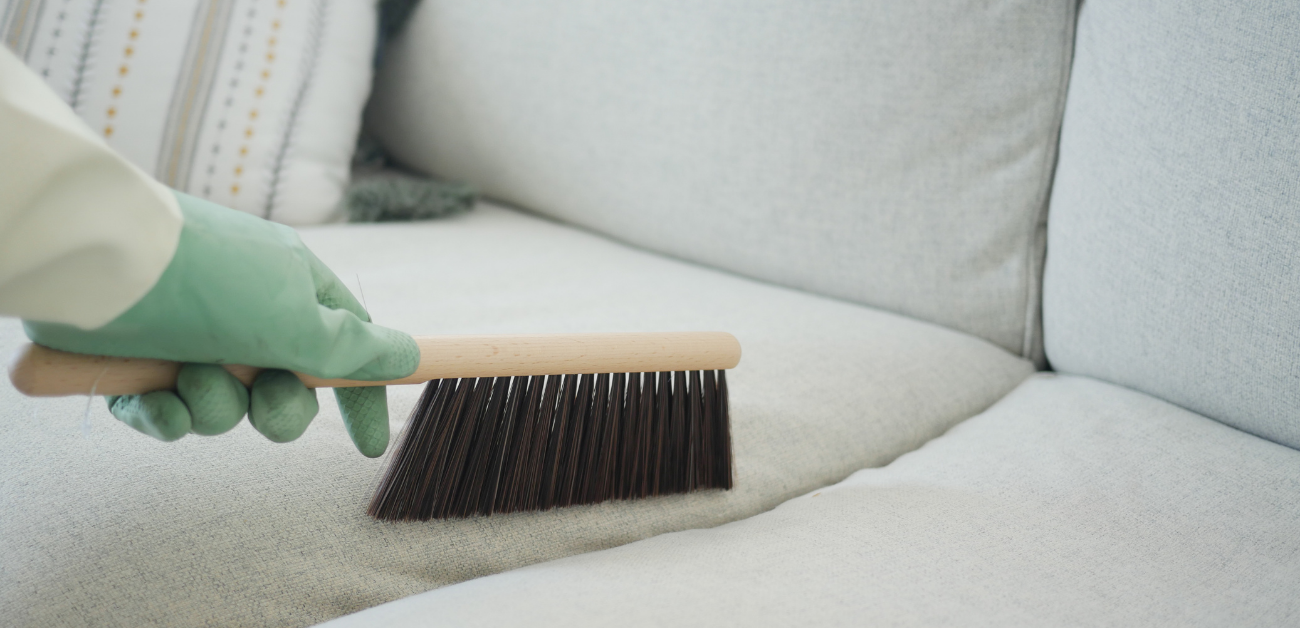
The term ‘easy clean’ is often used loosely, but not all upholstery fabrics perform in the same way. Some rely on surface treatments that create a temporary barrier against spills. While effective initially, these finishes can wear down with repeated cleaning and abrasion, reducing their long-term effectiveness.
Inherent fabric properties work differently. Fibres and constructions designed to resist absorption provide more consistent performance over time. These fabrics are less dependent on topical coatings and maintain cleanability even as the surface ages. Understanding this distinction is critical when specifying upholstery for demanding environments.
Easy clean performance also extends beyond stain resistance. Liquid repellence, wipeability, and the ability to withstand frequent cleaning without fading or texture breakdown are equally important. For easy clean fabrics used in F&B upholstery, performance expectations should include durability under daily use, resistance to common food and beverage stains, and the ability to maintain appearance without specialised cleaning procedures.
Hygiene, Perception, and Guest Confidence
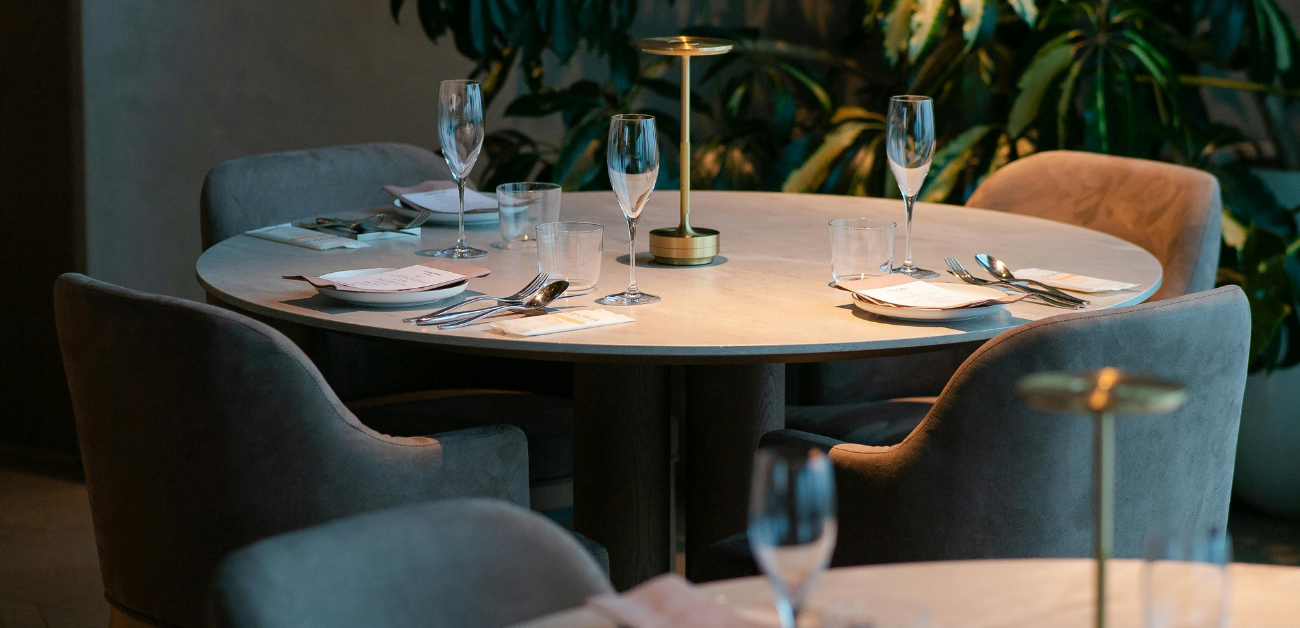
In F&B environments, guests form opinions about cleanliness almost instantly, often without conscious thought. Upholstery plays a key role in this process because it is both highly visible and physically close. Marks, stains, or uneven wear on seating surfaces can raise doubts about hygiene standards, even if cleaning protocols are rigorous elsewhere.
Visible stains and worn seating act as trust breakers. Guests may question how well a space is maintained overall when upholstery appears difficult to clean or past its best condition. These perceptions can influence comfort levels, dining enjoyment, and the likelihood of repeat visits.
Upholstery cleanliness directly affects brand credibility. A well-maintained interior signals care, professionalism, and attention to detail. This is why easy clean fabrics for F&B upholstery support more than maintenance efficiency. They help protect brand perception by ensuring seating remains visually clean, comfortable, and consistent with the quality guests expect from the dining experience.
Durability Under Daily Cleaning and Heavy Use
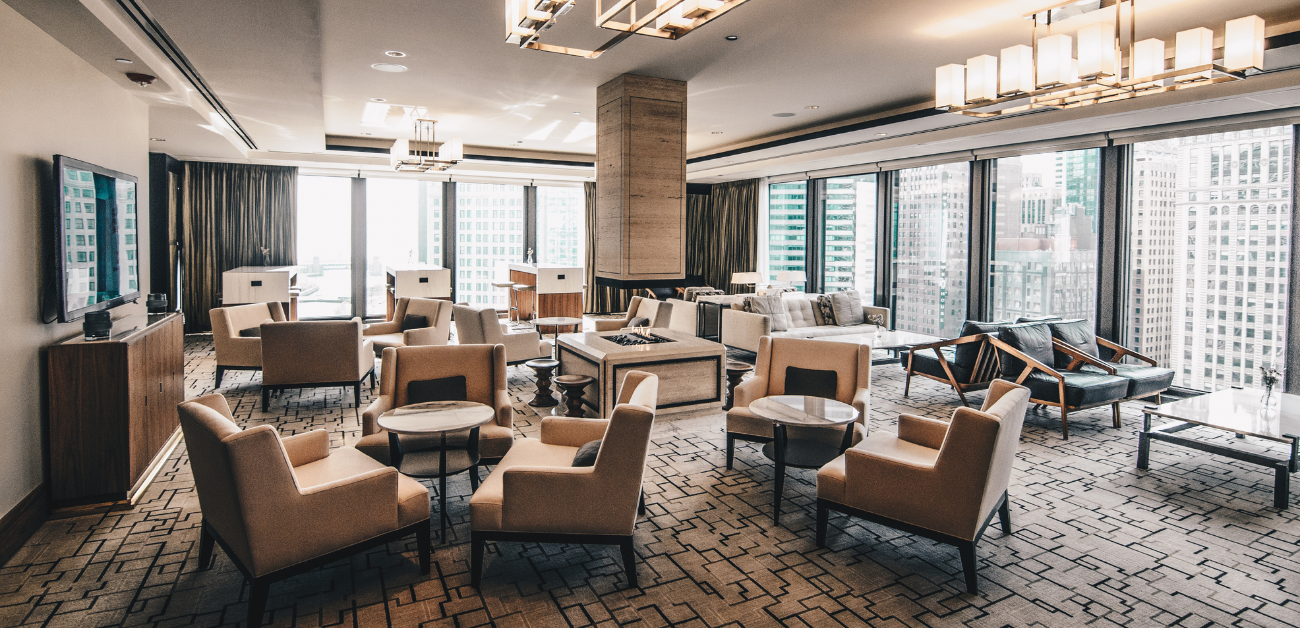
Upholstery in F&B settings is cleaned far more frequently than in most other interiors. Daily wiping, disinfecting, and spot cleaning are necessary to maintain hygiene, but these routines place continuous stress on fabric surfaces. Materials that are not designed for repeated cleaning can degrade quickly, losing colour, texture, or surface integrity.
Abrasion is another constant factor. Guests sliding in and out of seats, staff adjusting furniture, and long service hours all contribute to fabric wear. Over time, this can lead to fading, pilling, or texture breakdown, making seating look tired well before the rest of the interior shows age.
Selecting fabrics that hold their appearance over time requires anticipating these conditions. Durable constructions, colourfast dyes, and finishes that withstand cleaning without breaking down are essential. This is where easy clean fabrics for F&B upholstery provide long-term value, maintaining visual quality and comfort despite heavy use and demanding maintenance routines.
Design Without Sacrificing Practicality
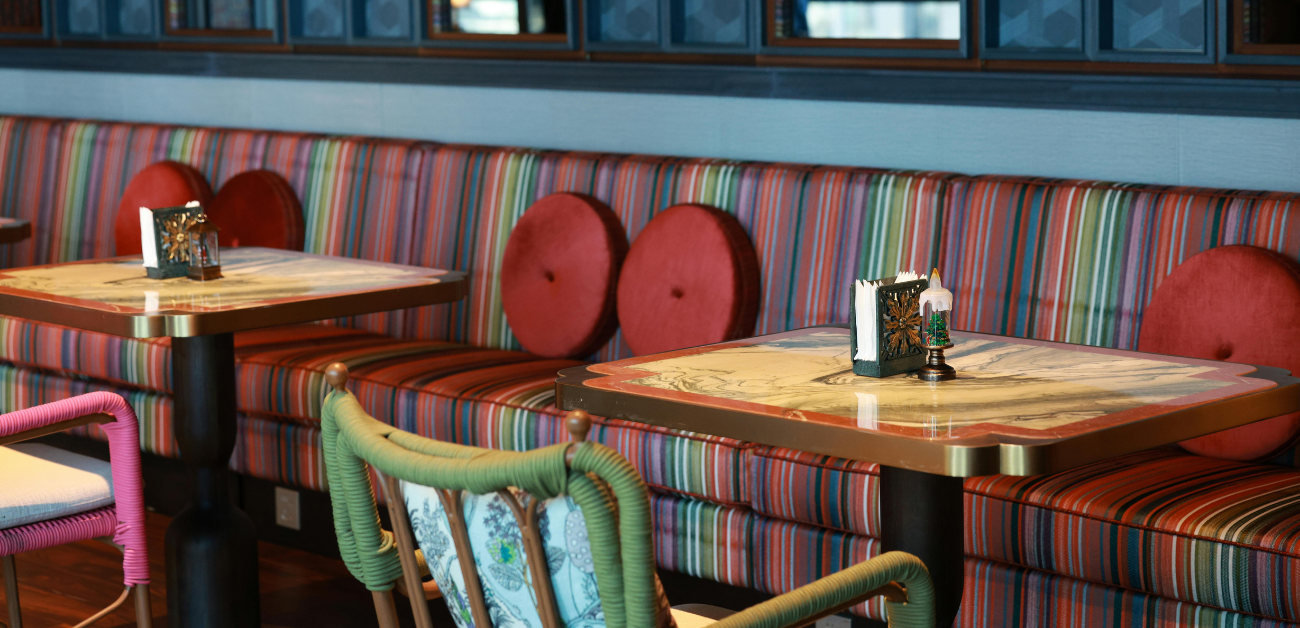
In F&B interiors, design choices must withstand constant use without losing their visual appeal. Texture, colour, and pattern all contribute to atmosphere, but they also influence how easily upholstery can be cleaned. Heavily textured fabrics or very light colours may look refined initially, yet they often reveal stains and wear more quickly in active dining environments. Successful design balances visual interest with surfaces that can be maintained efficiently.
Avoiding fabrics that trap stains or age poorly is essential for long-term consistency. Materials that absorb spills, show water marks, or degrade under cleaning chemicals can undermine even the strongest design concept. Over time, these issues lead to uneven appearance and frequent replacement.
This is where easy clean fabrics for F&B upholstery support long-term design intent. By choosing fabrics engineered for cleanability and durability, designers can maintain texture and colour integrity while ensuring the interior continues to look intentional, polished, and aligned with brand standards despite daily operational demands.
Where Easy-Clean Upholstery Matters Most
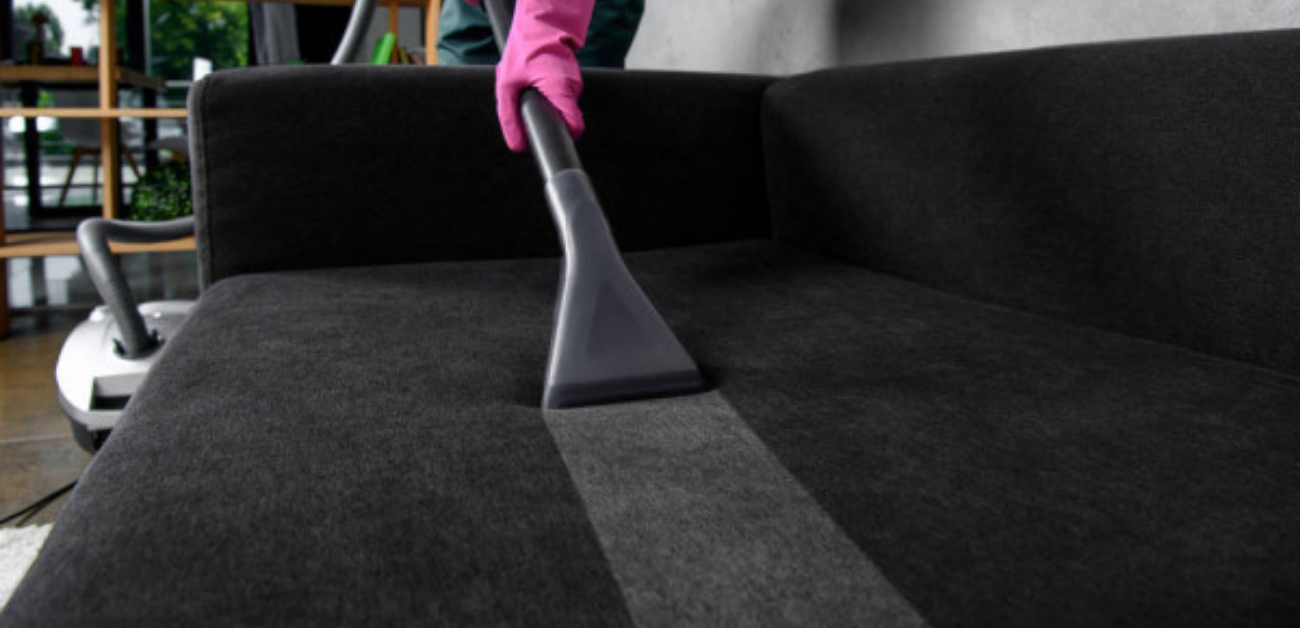
Not all upholstered surfaces in F&B environments face the same level of exposure. Dining seating, banquettes, bar stools, and waiting areas experience the highest turnover and most frequent contact. These areas are more likely to encounter spills, stains, and repeated cleaning, making fabric performance especially critical.
High-turnover zones demand upholstery that can be cleaned quickly and thoroughly between guests without showing wear. In contrast, low-contact areas such as decorative lounge seating may not require the same level of specification. Treating all upholstery surfaces the same can lead to unnecessary cost or underperformance in key areas.
This is why strategic specification is more effective than blanket use. Applying easy clean fabrics where exposure and contact are greatest allows operators to prioritise hygiene and durability where it matters most, while maintaining design flexibility and cost control across the wider interior.
Longevity, Replacement Cycles, and Cost Control

Upholstery replacement is one of the most disruptive and costly maintenance tasks in F&B operations. Worn or stained seating often needs to be repaired or reupholstered while the business is still operating, affecting service flow and guest experience. Frequent replacement also increases long-term costs, even when initial fabric selections appear economical.
Longevity depends on how well fabrics withstand daily use, cleaning, and abrasion over time. Materials that deteriorate quickly force operators into shorter replacement cycles, placing strain on budgets and maintenance schedules. By contrast, durable upholstery supports more predictable planning and fewer interruptions.
Investing in easy clean fabrics for F&B upholstery helps control these costs. Fabrics that maintain appearance and performance under heavy use reduce the need for frequent replacement. Over time, this approach delivers better value by preserving both the visual integrity of the interior and the operational efficiency of the space.
Conclusion: Upholstery as Part of Restaurant Infrastructure

In F&B environments, upholstery is not simply a design feature. It is a functional surface that directly affects hygiene, comfort, and brand perception. Because it is touched, seen, and used constantly, upholstery performance plays a central role in how a space is experienced by guests.
The value of easy clean fabrics for F&B upholstery lies in their ability to support daily operations without compromising design intent. By balancing cleanability, durability, and visual quality, these fabrics help interiors remain consistent and inviting under continuous use.
Within this context, Goodrich Global approaches F&B upholstery with a focus on performance-driven materials and thoughtful design integration. Its emphasis on durability and ease of maintenance reflects an understanding that in restaurants, upholstery must work as hard as the business itself, supporting long-term value and guest confidence.