Fabric & Upholstery
Jacquard Fabric for Upholstery: Pattern and Texture
Jacquard fabric for upholstery represents the pinnacle of woven textile design. Named after Joseph Marie Jacquard, who revolutionised pattern weaving in the early 19th century, jacquard fabrics feature intricate designs woven directly into the cloth rather than printed on the surface.
This fundamental distinction gives jacquard upholstery a depth, texture, and longevity that printed fabrics cannot match, making it a favourite among interior designers and discerning homeowners across Singapore.
How Jacquard Weaving Creates Superior Upholstery
The jacquard loom controls individual warp threads independently, enabling complex patterns to be woven into the fabric structure itself. Unlike printed fabrics where the design sits on the surface, jacquard patterns are integral to the cloth.
This structural integration means the pattern will not fade, peel, or wear away with use. The design endures for as long as the fabric itself remains intact. For upholstery that sees years of daily contact, this permanence is a significant advantage.
Jacquard weaving also produces fabrics with a natural reversibility. The backside of a jacquard fabric displays the negative of the front pattern, often in complementary tones. While the reverse side is not typically used as the face, it creates a thicker, denser fabric with more body than single-surface printed alternatives.
Types of Jacquard Upholstery Fabric
Damask
Damask is a tone-on-tone jacquard where the pattern is created by contrasting matte and sheen areas within a single colour. The design is visible through the play of light across the surface rather than through colour contrast. Damask is elegant, subtle, and suited to formal living rooms, dining chairs, and bedroom furniture.
Brocade
Brocade jacquards feature raised pattern areas that sit above the background weave, creating a three-dimensional surface. Multi-coloured brocades with metallic thread accents are traditional in luxury interiors, while contemporary versions use tonal colourways for a more restrained effect.
Matelassé
Matelassé is a double-woven jacquard that creates a quilted or padded appearance without actual quilting. The raised puckered surface adds visual depth and tactile interest, making it an excellent choice for headboards, cushion covers, and decorative seating.
Tapestry
Tapestry-style jacquards are heavyweight fabrics with pictorial or geometric designs woven in multiple colours. Traditionally used for wall hangings, modern tapestry fabrics are adapted for upholstery with enhanced abrasion resistance and softer hand-feel suitable for seating.
Contemporary Geometric Jacquards
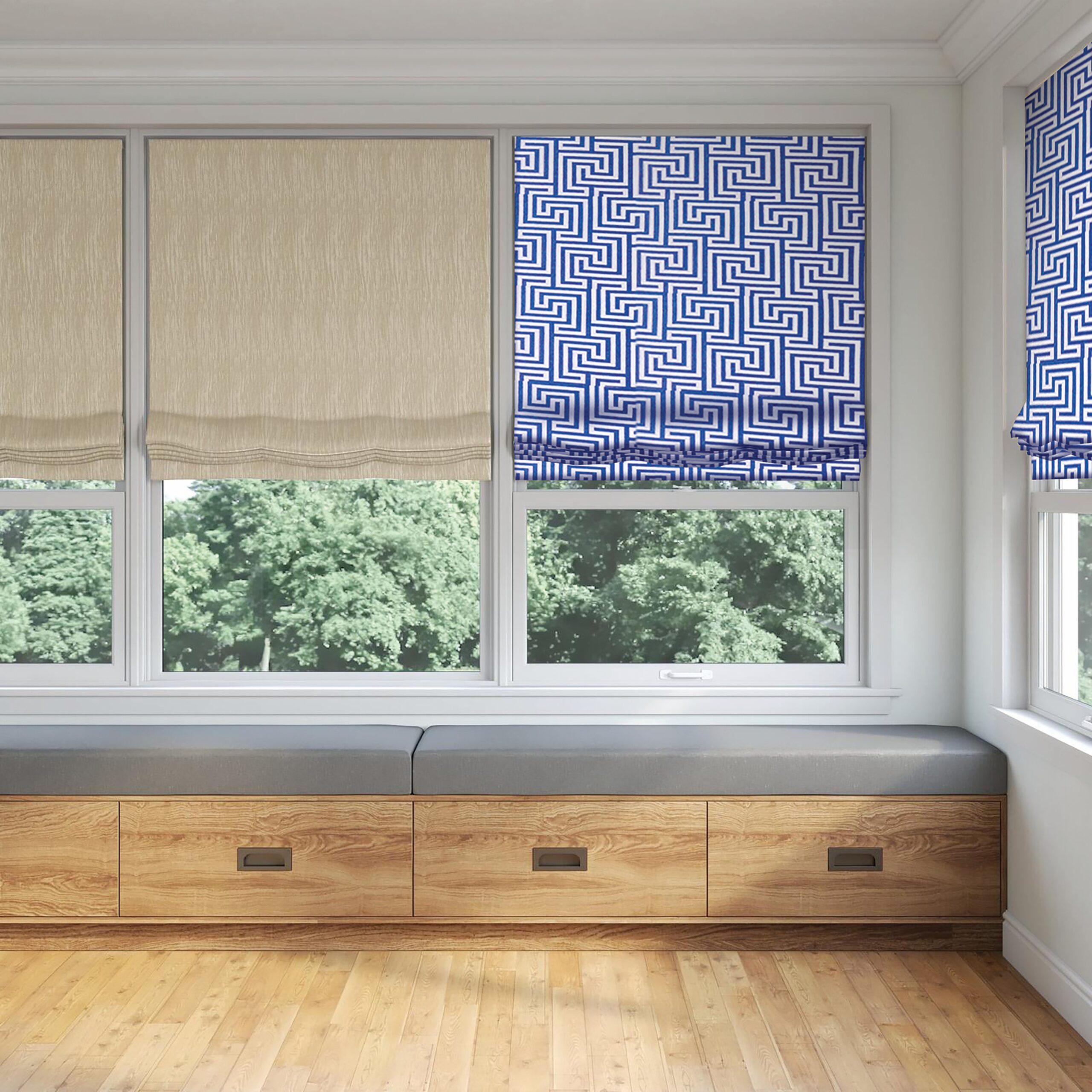
Modern jacquard looms produce geometric patterns, abstract textures, and architectural designs that suit contemporary interiors. These fabrics bring the structural quality of jacquard weaving to minimalist and modern design schemes, proving that jacquard is not limited to traditional aesthetics.
Selecting Jacquard Fabric for Different Furniture
The scale and style of the jacquard pattern should align with the furniture piece it will cover.
Sofas and Large Seating
Large-scale patterns work best on sofas and sectionals where there is sufficient surface area to display the full pattern repeat. A large damask or geometric jacquard on a sofa creates a statement piece. Medium-scale patterns with regular repeats also work well, ensuring the design looks complete across seat cushions, backs, and arms.
Accent Chairs
Accent chairs are ideal for showcasing bold or decorative jacquard designs. A single chair upholstered in a richly patterned jacquard can anchor an entire room’s colour scheme. The smaller surface area means even ornate patterns do not overwhelm the space.
Dining Chairs
For dining chairs, select jacquard fabrics that are easy to clean and resist food stains. Tighter weaves with smooth surfaces are more practical than raised brocades, which can trap crumbs and liquids in their textural crevices. Performance-treated jacquards combine the aesthetic of woven patterns with stain-resistant properties.
Headboards
Upholstered headboards benefit from the textural depth of jacquard fabric. A matelassé or tone-on-tone damask in a neutral colourway adds visual richness to the bedroom without competing with bedding patterns or wallpaper.
Durability and Performance Considerations
Jacquard fabrics are generally more durable than printed fabrics of equivalent weight because their tighter, more complex weave structure resists abrasion and stretching.
When specifying jacquard for upholstery, check the following performance metrics:
- Martindale rub count: For residential use, look for a minimum of 20,000 rubs. Commercial applications require 30,000 to 50,000 rubs.
- Pilling resistance: Jacquard fabrics with longer float threads (raised pattern areas) can be more prone to pilling. Fabrics rated 4 or above on the pilling scale are suitable for upholstery.
- Colour fastness: Woven-in colour is inherently more lightfast than surface printing, but verify the UV rating if the furniture will be positioned near windows. Singapore’s intense sunlight can still affect dyed yarns over time.
- Fibre composition: Jacquard fabrics are woven from every major fibre type, including cotton, polyester, viscose, wool, and blends. Polyester jacquards offer the best fade and stain resistance. Cotton and viscose jacquards feel softer but require more careful maintenance.
Explore Goodrich Global’s upholstery fabric collection for jacquard options in both traditional and contemporary designs.
Styling Jacquard Upholstery in Your Interior
Jacquard’s inherent visual richness means it works best when balanced with simpler elements elsewhere in the room.
Pair a jacquard sofa with plain cushions in colours drawn from the weave. Set a jacquard accent chair against a textured but unpatterned wall finish. If using jacquard on dining chairs, keep the table setting and table linen simple to avoid pattern competition.
In open-plan living and dining areas common in Singapore HDB flats and condos, one piece of jacquard-upholstered furniture provides a sophisticated focal point without the risk of pattern overload. Let the weave speak and keep surrounding textures quiet. Coordinate with curtain fabrics in complementary solids or subtle textures.
Final Thoughts
Jacquard fabric for upholstery brings a level of craft, permanence, and visual depth that printed fabrics simply cannot achieve. Whether your style is traditional damask, contemporary geometric, or textured matelassé, the jacquard weaving process delivers patterns that are part of the fabric rather than merely on it.
For furniture that ages with character rather than deterioration, jacquard is a choice that rewards investment.
Request free samples from our Singapore showroom to see and feel our jacquard upholstery fabrics.