Interior Design
Kitchen Renovation Packages in Singapore: What to Know
What Goes Into a Kitchen Renovation Package in Singapore?
A kitchen renovation package in Singapore typically bundles demolition, cabinetry, countertops, backsplash tiling, plumbing, electrical works and flooring into one contract. Packages exist to give homeowners a clearer cost picture upfront, but the scope varies significantly from one contractor to the next.
Whether you are overhauling a 20-year-old HDB resale kitchen or refreshing a condo wet kitchen, understanding what each package tier covers — and what it leaves out — is the first step toward a renovation that stays on budget.
Core Inclusions in Most Packages
- Hacking and removal — Demolition of existing wall tiles, floor tiles, cabinets and countertops, plus debris disposal.
- Cabinetry — Upper and lower kitchen cabinets in melamine, laminate or acrylic finishes. Soft-close hinges are now standard in mid-range packages.
- Countertop — Quartz or solid-surface countertop with cut-outs for the sink and hob.
- Backsplash — Ceramic or porcelain wall tiles behind the hob and sink areas.
- Sink and tap — Single- or double-bowl stainless steel sink with a mixer tap.
- Plumbing works — Relocation or replacement of water supply lines and waste traps.
- Electrical works — Power points for appliances, ceiling light point and wiring for the cooker hood.
- Flooring — Replacement floor tiles or, increasingly, waterproof vinyl flooring.
What Is Usually Excluded
Built-in appliances — ovens, dishwashers, gas hobs and cooker hoods — are almost always excluded from the base package and quoted separately. Other common exclusions include glass panel partitions between the wet and dry kitchen, feature lighting under cabinets, and pull-out organisers or drawer inserts.
If you are converting an enclosed HDB kitchen into an open-concept layout, the cost of hacking the kitchen wall (if it is non-structural) and reinstating services is typically an add-on, not part of the standard package.
Kitchen Renovation Cost Breakdown
The following estimates are for a standard three- to four-room HDB kitchen of approximately 50 to 70 square feet.
| Component | Basic (SGD) | Mid-Range (SGD) | Premium (SGD) |
|---|---|---|---|
| Hacking and disposal | $800 – $1,200 | $800 – $1,200 | $1,000 – $1,500 |
| Cabinetry (upper + lower) | $3,000 – $4,500 | $4,500 – $7,000 | $7,000 – $12,000 |
| Countertop | $800 – $1,200 | $1,200 – $2,500 | $2,500 – $5,000 |
| Backsplash tiling | $400 – $700 | $700 – $1,200 | $1,200 – $2,000 |
| Plumbing and electrical | $600 – $1,000 | $1,000 – $1,800 | $1,800 – $3,000 |
| Flooring | $500 – $900 | $900 – $1,500 | $1,500 – $3,000 |
| Total estimate | $6,100 – $9,500 | $9,100 – $15,200 | $15,000 – $26,500 |
Condo kitchens with larger footprints, island counters or integrated dry-kitchen zones will sit at the higher end of these ranges or exceed them.
Flooring Options for Kitchen Renovations
The kitchen floor endures heavy foot traffic, spills, grease splashes and dropped utensils. Choosing the right material matters both for durability and daily comfort.
Porcelain and Ceramic Tiles
The traditional choice. Porcelain tiles with a matte or textured surface provide excellent slip resistance when wet. They handle heat well and resist staining, making them a reliable pick for the cooking zone.
Luxury Vinyl Tile (LVT) and SPC Flooring
Waterproof SPC vinyl planks are gaining ground in Singapore kitchens, especially in dry-kitchen areas and open-concept layouts where a seamless floor transition from the living room is desired. They install faster than tiles, feel warmer underfoot and absorb less impact noise. Explore the luxury vinyl range at Goodrich to see options suited to high-traffic kitchen environments.
Homogeneous Tiles
Full-body homogeneous tiles are colour-consistent throughout their thickness, so chips and scratches are less visible. They are a practical mid-range option for busy household kitchens.
Wall Finishes Beyond the Backsplash
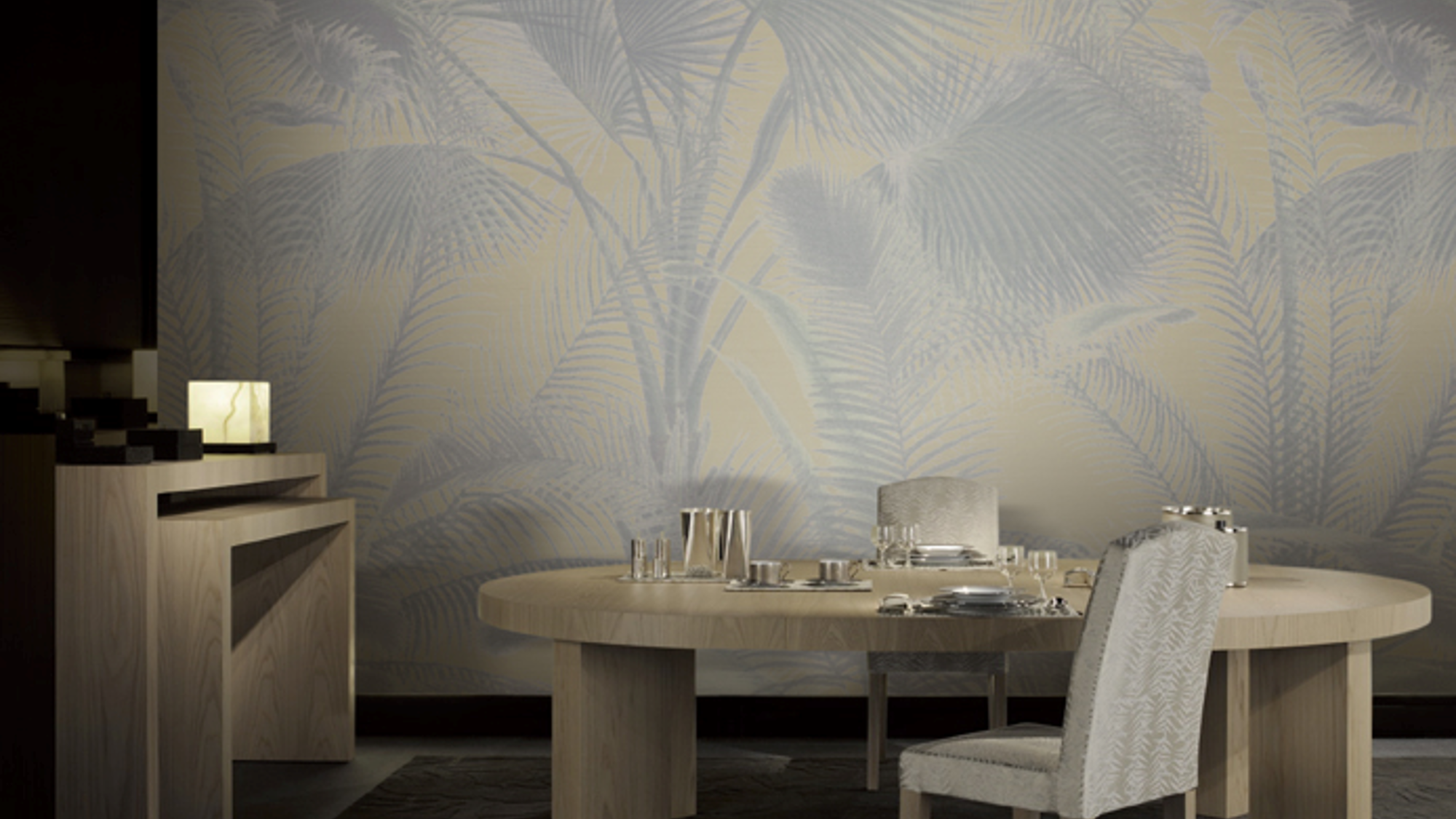
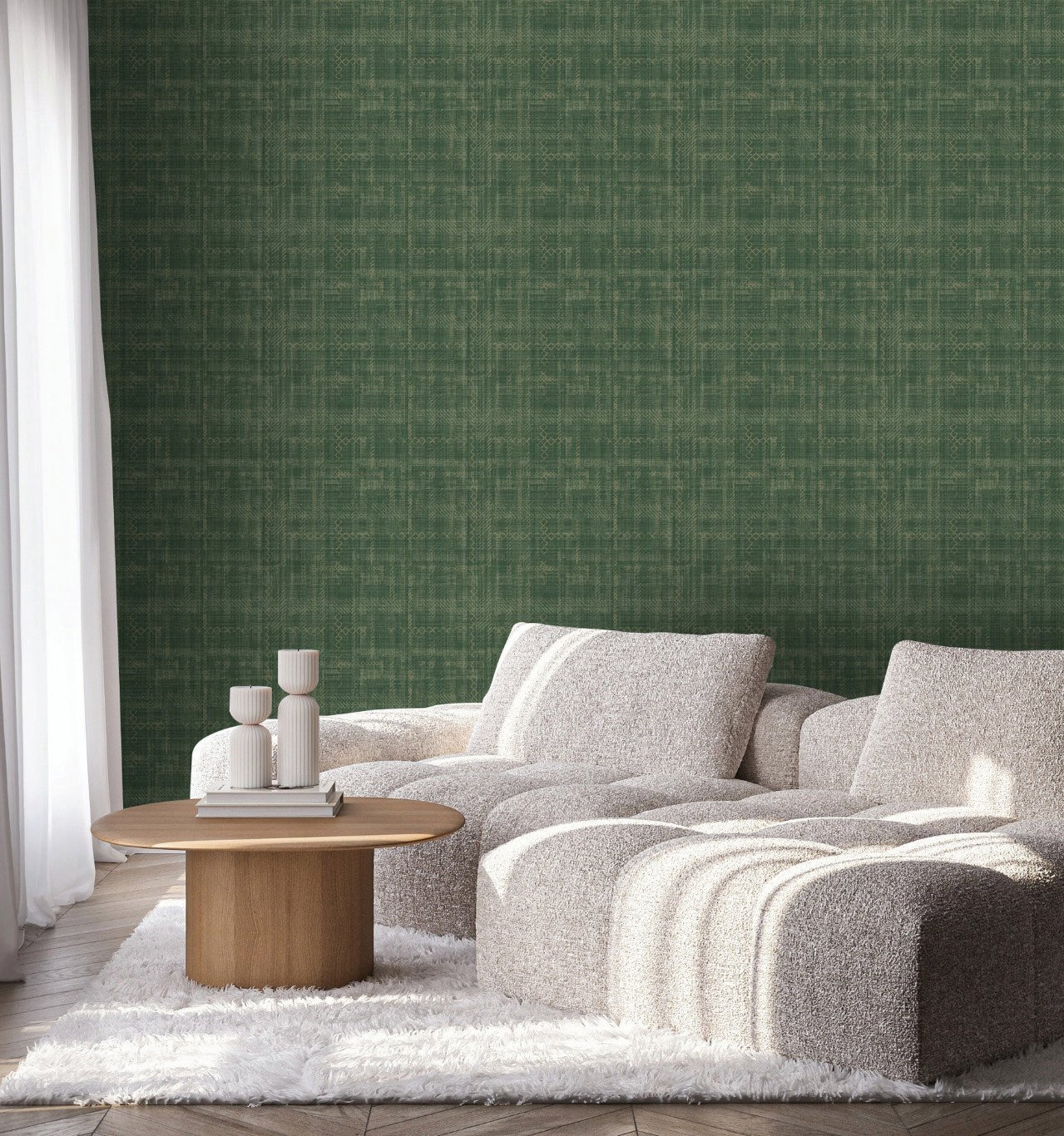
In open-concept kitchens, the wall areas away from the cooking zone do not need tile protection. These sections can be finished with paint, textured panels or wallcoverings that complement the living and dining areas.
Vinyl-based wallcoverings are particularly practical because they can be wiped down and resist moisture better than paper-based alternatives. They also offer a far wider range of textures and patterns than paint alone.
How to Choose a Kitchen Renovation Package
Use the following criteria when shortlisting contractors and comparing packages:
- Itemised quotation — Reject lump-sum quotes. An itemised breakdown lets you see exactly where your money goes and makes it easier to adjust individual components.
- Cabinet material and hardware — Ask whether carcase boards are moisture-resistant (MR) grade. Standard particleboard swells when exposed to moisture, a common problem in Singapore’s humid climate.
- Countertop thickness — Standard quartz countertops are 15 mm to 20 mm thick. Thicker slabs (30 mm) look more substantial but cost more and weigh more.
- Warranty terms — Look for at least a one-year defects liability period covering workmanship, plumbing leaks and cabinet alignment.
- Timeline commitment — A standard kitchen renovation takes 15 to 25 working days. Ask what penalties apply for delays.
Open-Concept Kitchen Conversions
Removing the kitchen wall to create an open-concept layout is one of the most popular renovation moves in Singapore HDB flats. Before committing, note the following:
- Only non-structural walls may be removed. Engage a Professional Engineer (PE) to verify.
- HDB requires a renovation permit for wall removal. Processing takes up to two weeks.
- Without a wall, cooking smells travel freely. A powerful cooker hood (at least 1,000 m³/h airflow) and a glass partition behind the hob can help contain odours.
- Flooring must be consistent across the combined space if the wall is removed. This is where vinyl flooring shines — it can run from the kitchen through the living area without transition strips.
Common Add-Ons That Increase the Final Bill
Several items frequently appear as add-ons after the base package is signed. Being aware of them helps you budget more accurately from the start:
- Glass partition between wet and dry kitchen. A tempered glass panel or sliding door costs $800 to $2,500, depending on size and framing.
- Under-cabinet LED strip lighting. Supply and wiring typically adds $200 to $500.
- Pull-out organisers and accessories. Drawer dividers, spice racks and pull-out waste bins are usually quoted separately from the base cabinetry.
- Additional power points. Each new socket point costs $80 to $150, and most kitchens need six to ten points for modern appliance use.
- Appliance installation. Built-in ovens, dishwashers and integrated refrigerators often require custom carpentry cut-outs and dedicated electrical circuits.
Making Smart Material Choices
A kitchen renovation is a long-term investment. The cabinets and countertops you install today should still perform well a decade from now. Prioritise moisture-resistant materials, durable work surfaces and finishes that are easy to clean.
For flooring and wall finishes, compare physical samples side by side rather than relying on screen images. Colours and textures look different under your kitchen’s actual lighting conditions.
The kitchen floor and backsplash are the two finishes you interact with most frequently. Choosing the right flooring material — whether porcelain tiles for the cooking zone or SPC vinyl for an open-concept layout — determines both the daily comfort and the long-term durability of the space. Similarly, the wall finish on the non-cooking walls contributes to the kitchen’s overall aesthetic, especially in open-plan configurations where the kitchen is visible from the living and dining areas.
Get a free quote for your project today and let our consultants help you select the right finishes for your kitchen renovation.