Interior Design
Maisonette Renovation and Design Guide for Singapore
Understanding the Maisonette Layout
Maisonettes are among the most coveted HDB flat types in Singapore. These duplex units, spanning two floors and typically ranging from 130 to 160 square metres, offer a sense of space and separation that is rare in public housing. With HDB no longer building new maisonettes, these homes have become increasingly sought after.
The defining feature of a maisonette is its internal staircase, which divides the home into distinct zones. The lower floor usually houses the living room, dining area, kitchen, and a common bedroom or study, while the upper floor accommodates the remaining bedrooms and bathrooms. This natural separation between communal and private spaces is a significant design advantage.
However, many maisonettes were built in the 1980s and 1990s, meaning they often require substantial renovation to meet modern living standards. The good news is that the generous proportions and dual-level layout provide an excellent canvas for creative interior design.
Staircase Design as a Centrepiece
The internal staircase is the most distinctive architectural element in a maisonette, and it deserves to be treated as a design feature rather than merely a functional necessity. A well-designed staircase can become the focal point of your home.
Consider the material of the stair treads carefully. Timber-effect luxury vinyl can wrap each tread neatly, providing a warm, wood-like appearance with excellent slip resistance — an important safety consideration for families with young children or elderly members.
The balustrade offers another opportunity for design expression. Replacing dated wrought-iron railings with slender metal spindles or glass panels immediately modernises the space. If the existing structure is solid, a fresh powder-coat finish can achieve a dramatic transformation at a fraction of the cost of replacement.
Do not overlook the area beneath the staircase. This triangular void is prime real estate for built-in storage, a small reading nook, or even a compact home office. Custom cabinetry that follows the angle of the stairs maximises every available centimetre.
Lower Floor: Living, Dining and Kitchen
The lower floor of a maisonette functions as the social heart of the home. In older units, the living and dining areas may have been separated by walls or half-height partitions. Modern renovations frequently remove these divisions to create an expansive, open-plan space.
Before removing any walls, it is essential to confirm they are not load-bearing structures. Engage a qualified contractor or structural engineer to assess which walls can be safely removed. HDB’s renovation guidelines must also be followed — certain walls and structural elements cannot be altered.
Flooring plays a unifying role in open-plan layouts. A single flooring material running through the living, dining, and kitchen areas creates visual continuity and makes the space feel larger. Choose a finish that complements both casual family living and entertaining — neutral timber tones work particularly well.
The kitchen in many older maisonettes is relatively compact. If a full renovation is planned, consider extending the kitchen into the adjacent service yard or utility area. An island counter or peninsula can bridge the gap between cooking and dining zones, providing additional workspace and a casual eating spot.
Upper Floor: Bedrooms and Bathrooms
The upper floor of a maisonette offers a degree of privacy that most HDB flat types cannot match. With bedrooms tucked away from the main living areas, the upper level can function as a quiet retreat.
The master bedroom in a maisonette is often generously sized, sometimes exceeding 20 square metres. This provides scope for a small sitting area, a vanity corner, or a walk-in wardrobe. Feature walls using textured wallpaper can define the sleeping zone within the larger room without requiring additional partitions.
Children’s rooms benefit from durable, easy-to-maintain finishes. Consider carpet tiles for a soft play surface that can be partially replaced if damaged. For teenagers, allow them some input into the colour scheme or wall treatment — a bold accent wall can personalise the space without overwhelming it.
Bathrooms in older maisonettes will almost certainly require updating. While this guide focuses on finishes and furnishings rather than plumbing or tiling, it is worth noting that waterproof wall panels and vinyl flooring can refresh a bathroom efficiently when a complete overhaul is not feasible.
Material Choices for Maisonette Renovations
Selecting materials for a maisonette renovation requires balancing aesthetics, durability, and practicality. The larger floor area means material costs can add up quickly, making value-for-money an important consideration.
For flooring, the choice of material will depend on the specific requirements of each zone. The lower floor, which sees the most foot traffic, needs a hardwearing surface. Luxury vinyl tiles and planks offer excellent durability, water resistance, and a wide range of designs, from realistic timber grains to stone effects.
The upper floor, being primarily bedrooms, allows for softer, more comfort-focused options. Carpet provides warmth and sound insulation — particularly valuable in a duplex where footsteps on the upper floor can be heard below. Alternatively, luxury vinyl with an underlay offers a good compromise between comfort and easy maintenance.
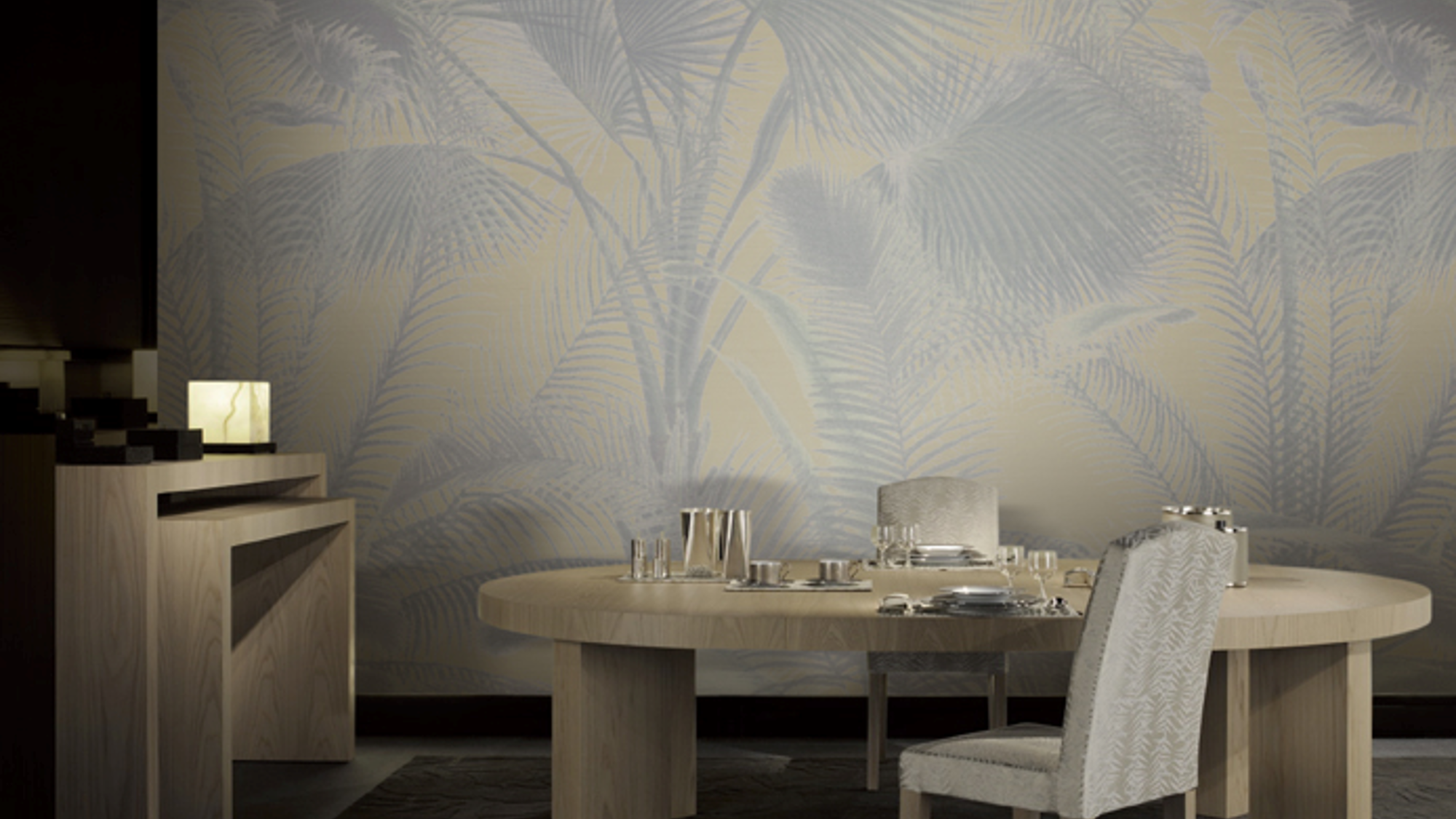
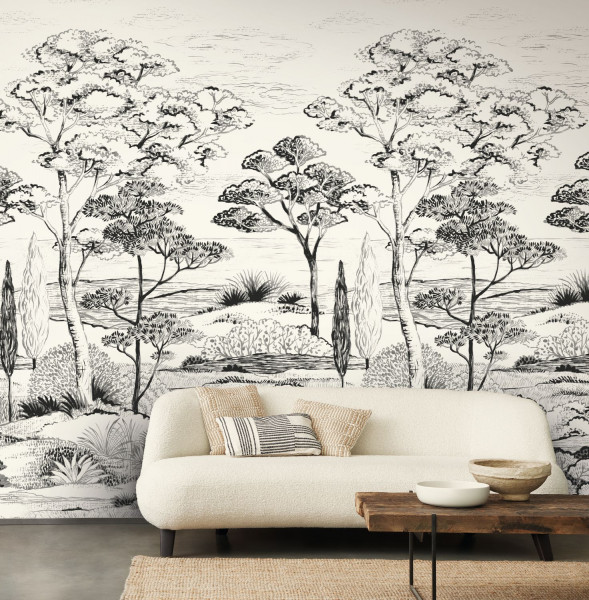
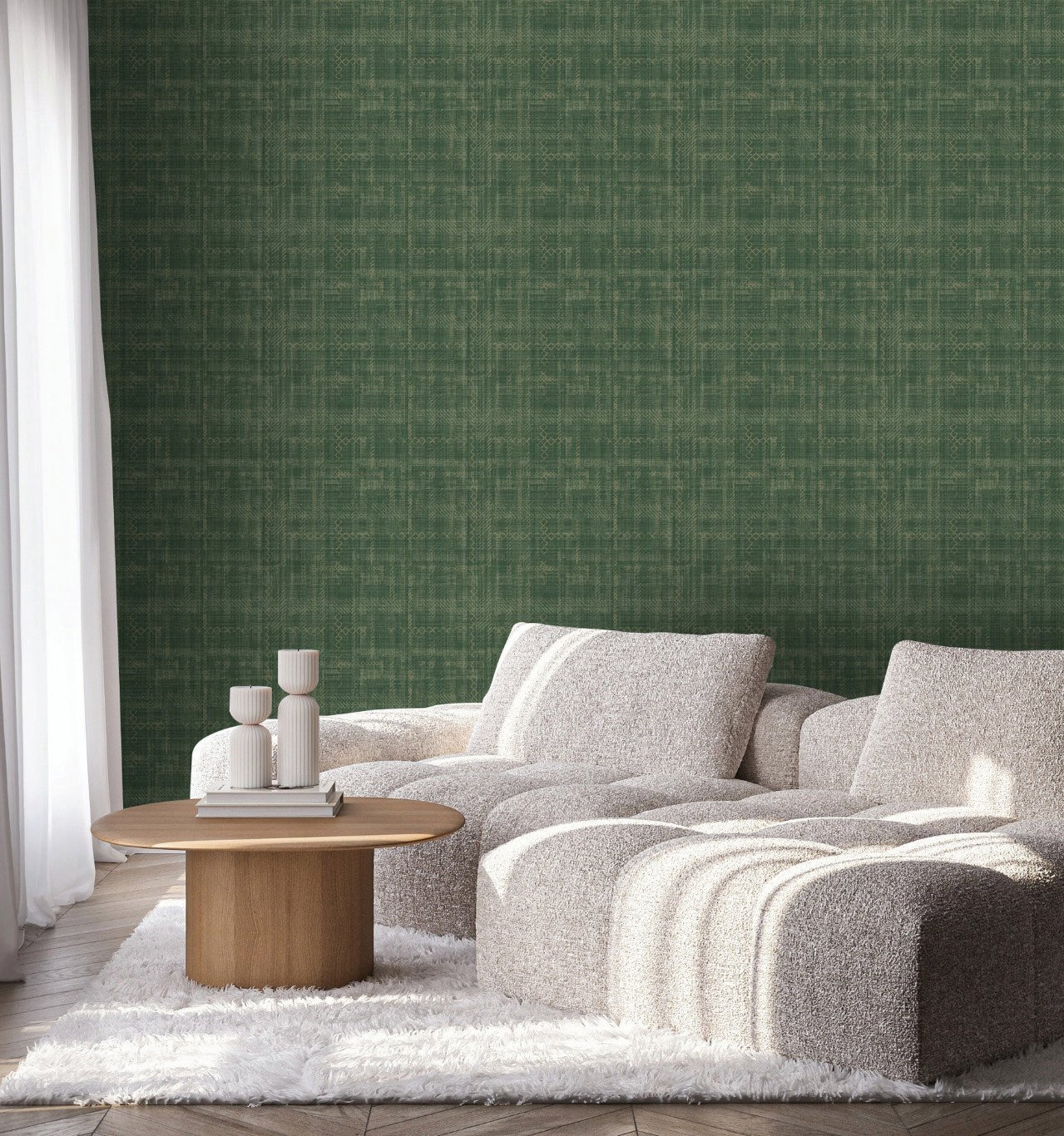
Wall finishes should reflect the function of each space. The living area might feature a sophisticated wallcovering on a focal wall, while bedrooms benefit from softer, more muted patterns. In high-moisture areas such as the kitchen and bathrooms, choose materials specifically designed to resist humidity.
Window treatments are especially important in maisonettes, which often have numerous windows across both floors. Consistent drapery fabric and hardware throughout the home creates a polished, cohesive look. Consider blackout lining for bedroom curtains to manage Singapore’s early morning light.
Renovation Planning and Compliance
Maisonette renovations can be complex, and careful planning is essential to avoid costly mistakes. Start by obtaining the original floor plan from HDB, which will identify structural walls and columns that cannot be modified.
Create a detailed renovation brief that covers every room and every finish. This helps contractors provide accurate quotations and reduces the likelihood of unexpected costs during the renovation. Prioritise the elements that will have the greatest impact on daily living — flooring, storage, and lighting typically top the list.
Phasing the renovation can make the process more manageable, both financially and logistically. Some homeowners choose to complete the lower floor first, allowing the family to live on the upper floor during construction, and then reverse the arrangement.
Finally, consider the long-term maintenance implications of your material choices. Finishes that are easy to clean and repair will save time and money over the years, particularly in a larger home like a maisonette where upkeep can be more demanding.
Sound management is a practical consideration unique to duplex living. Footsteps on the upper floor, furniture movement, and even voices can carry through the floor slab to the level below. Carpet or luxury vinyl with acoustic underlay on the upper floor significantly reduces this noise transmission, creating a more comfortable living environment for the entire household.
Lighting design across two floors deserves careful coordination. Natural light distribution varies significantly between levels, and the staircase area often needs dedicated lighting to ensure safe passage. A combination of ceiling-mounted fixtures, wall sconces along the staircase, and recessed lighting in corridors creates a well-lit home that feels welcoming at every hour.
Request free samples from our Singapore showroom. Explore our full range of flooring, wallcoverings, and fabrics at Goodrich Global and start planning your maisonette renovation with confidence.