Interior Design
Monochrome Interior Design: Timeless Black and White
Monochrome interior design strips colour back to its most elemental form — black, white, and the spectrum of greys between — to create spaces that are simultaneously bold and serene. Far from being limiting, a monochrome palette demands precision, intentionality, and a mastery of texture, tone, and proportion that makes it one of the most sophisticated design approaches available.
In Singapore, where compact living spaces benefit from visual clarity and cohesion, monochrome design offers a timeless framework that never dates, never clashes, and always commands attention.
Why Monochrome Works
A monochrome palette succeeds because it eliminates the complexity of colour coordination and replaces it with a focus on form, texture, and spatial relationships. When colour is removed from the equation, other design elements become more prominent and impactful.
Timelessness: Black and white never go out of fashion. While colour trends shift annually, a monochrome interior remains current decade after decade. For Singapore homeowners who invest significantly in renovation, this longevity is a practical advantage.
Visual cohesion: In open-plan HDB and condo layouts, where living, dining, and kitchen areas flow together, a monochrome palette unifies the entire space. There are no jarring colour transitions between zones — just a continuous, harmonious environment.
Perceived space: White-dominant monochrome schemes make compact rooms feel larger and more airy. In Singapore’s space-constrained homes, this optical effect is valuable. Conversely, dark monochrome schemes create intimate, cocooning atmospheres that make a bedroom or study feel like a private retreat.
Flexibility: A monochrome base allows you to introduce accent colours through easily changeable elements — cushions, artwork, flowers, books — without committing to a colour scheme in permanent fixtures and finishes.
Building a Monochrome Palette
Effective monochrome design uses the full tonal range rather than relying on stark black and white alone.
The White Spectrum
Not all whites are the same. Cool whites with blue undertones create a crisp, modern atmosphere. Warm whites with yellow or pink undertones feel softer and more inviting. In Singapore, where natural light tends to be warm and intense, cool whites can provide a refreshing counterpoint, while warm whites create a cosy, enveloping feel.
Mid-Tones and Greys
Grey is the workhorse of monochrome design. Light greys on walls create a softer alternative to white. Mid greys add depth and visual weight to furniture and joinery. Charcoal and dark grey provide drama without the intensity of pure black. Layering multiple grey tones creates richness and prevents the space from feeling flat.
Black as Accent
In most monochrome interiors, black is used sparingly and deliberately — in hardware, light fittings, furniture frames, and graphic elements. A few well-placed black accents anchor the scheme and provide visual punctuation. An entirely black room is possible but requires exceptional skill to prevent it from feeling oppressive.
Texture: The Secret to Successful Monochrome
Without colour variation, texture becomes the primary source of visual interest and depth in a monochrome interior. A room with all smooth, matte surfaces in the same shade of grey would feel lifeless. Layering textures transforms it.
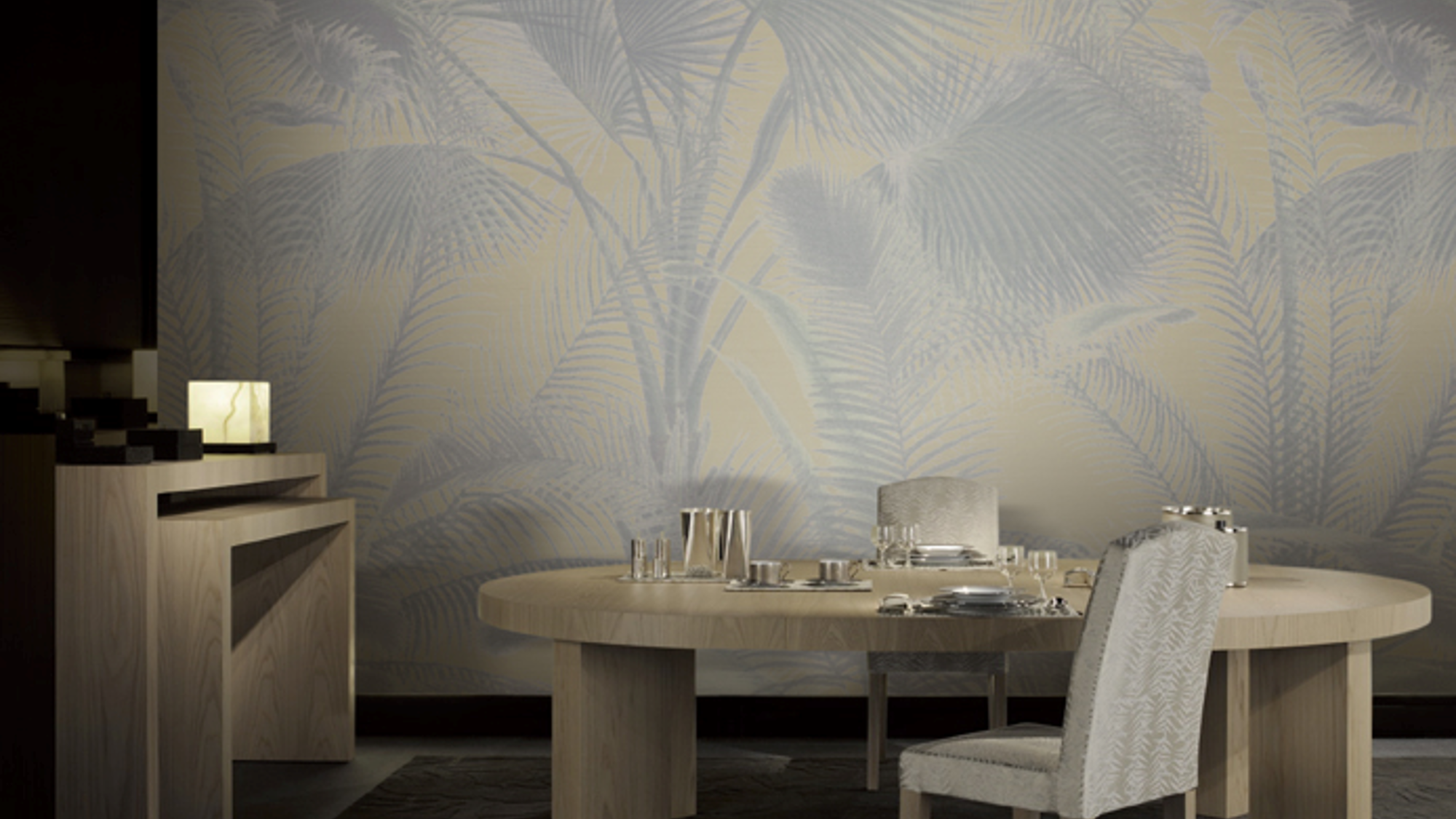
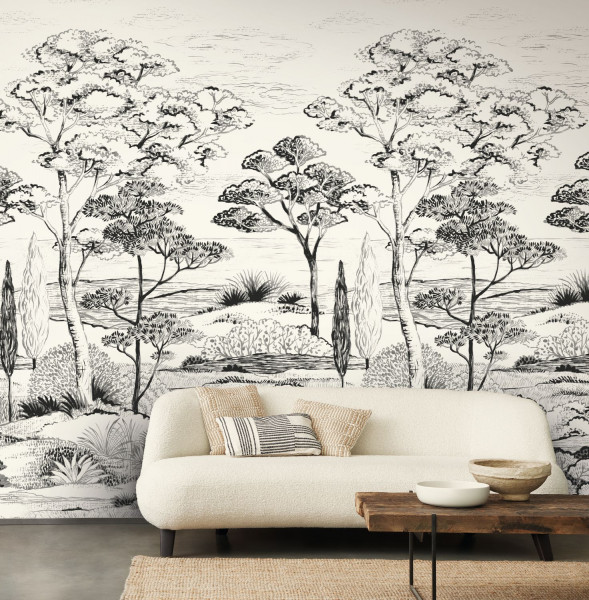
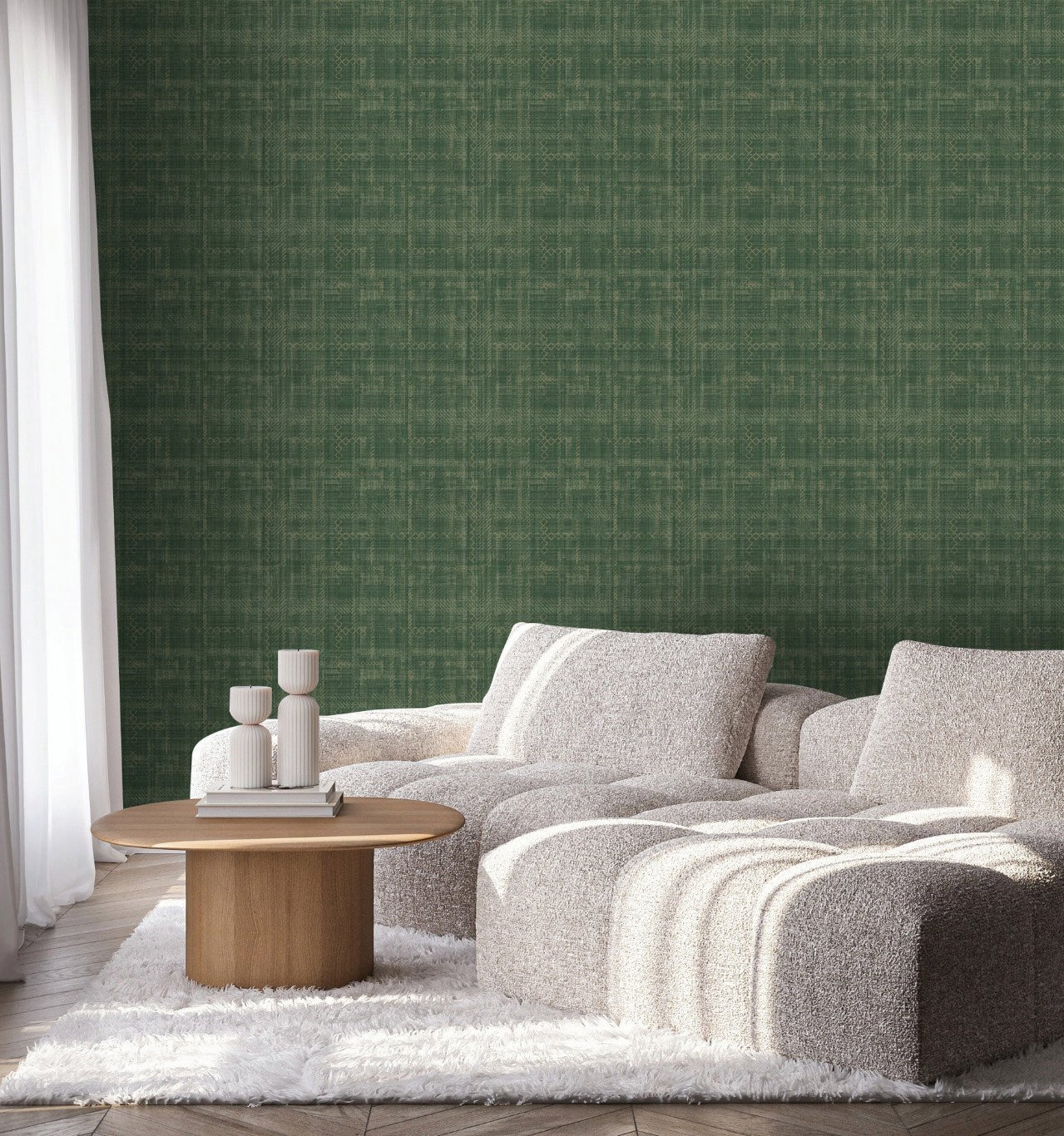
- Walls: Textured wallcoverings in white, grey, or black add dimension. A grasscloth or linen-effect wallpaper in soft grey provides subtle variation that paint cannot achieve. Brick-effect or concrete-effect wallpapers introduce industrial texture.
- Flooring: Timber-look flooring in light ash or dark ebony tones, marble-effect tiles, or polished concrete each bring different textural qualities to the floor plane.
- Textiles: Mix matte and sheen, smooth and nubby. Pair a linen sofa with velvet cushions, a wool rug with a silk-finish throw. The contrast between textures creates the interest that colour would normally provide.
- Materials: Combine metal (brushed steel, matte black hardware), timber (natural grain), stone (marble, granite), and fabric (woven, knitted) to create a rich material palette within the monochrome framework.
Monochrome Design for Singapore Property Types
HDB Flats
Monochrome is particularly effective in HDB flats, where a limited colour palette creates visual continuity across compact, interconnected rooms. White walls and ceilings maximise the sense of space, while dark accents in joinery and furniture provide definition. A grey feature wall in textured wallpaper adds depth to the living room without narrowing the space. Light-toned vinyl flooring in a timber or stone effect maintains the monochrome scheme underfoot.
Condominiums
Condos with higher ceilings and larger windows can handle darker monochrome treatments. A charcoal feature wall, black-framed windows, and dark joinery create a dramatic, magazine-worthy interior. The additional natural light in many condo units prevents dark tones from feeling heavy.
Landed Properties
Larger spaces in landed homes allow for bolder monochrome statements. A double-height entrance hall in white with a dramatic black staircase balustrade, a marble-clad bathroom in grey and white, or a study lined in dark charcoal wallpaper — these are monochrome gestures that require scale to achieve their full impact.
Common Monochrome Mistakes
Monochrome design appears simple but is surprisingly easy to get wrong. Avoid these common errors.
- Ignoring warmth: An all-cool-grey, all-smooth interior can feel clinical and uninviting. Introduce warm elements — natural timber, soft textiles, warm-toned lighting — to prevent sterility.
- Insufficient contrast: A room where everything is the same shade of grey feels flat and undefined. Ensure a clear range from light to dark, with deliberate contrast at key points.
- Neglecting lighting: Monochrome interiors are highly sensitive to lighting. Under warm light, whites appear creamy; under cool light, greys can look blue. Plan your lighting carefully and test material samples under your intended light sources.
- Too much pattern: While monochrome pattern (geometric tiles, striped textiles) can be effective, too much creates visual noise that undermines the calm simplicity the palette should deliver.
- Forgetting the fifth wall: The ceiling is often neglected. In monochrome interiors, a white ceiling reflects light and maintains brightness. Painting or wallpapering the ceiling in grey or black is a bold choice that requires sufficient room height.
Final Thoughts
Monochrome interior design is a masterclass in restraint, where the absence of colour becomes the design statement itself. In Singapore’s compact homes, a well-executed monochrome scheme creates spaces that feel larger, calmer, and more intentional — a timeless backdrop for life that improves with age rather than dating with trends.
The secret lies in texture, tonal range, and material quality. Get these right, and a monochrome interior is anything but boring.
Request free samples from our Singapore showroom to see how different textures and tones work together in your monochrome scheme.