Interior Design
Noise Reduction Interior Design: Acoustic Solutions
The Noise Challenge in Singapore Homes
Singapore is one of the most densely populated countries in the world, and noise is an inescapable reality of urban living. Whether it is traffic from the expressway, construction activity from nearby developments, footsteps from the unit above or conversation carrying through thin walls, unwanted sound is a persistent quality-of-life issue for many homeowners.
In HDB flats, where shared walls, floors and ceilings are standard, noise transmission between units is a common complaint. Condominiums, despite their generally better construction, still contend with impact noise from upper floors and ambient noise from common areas. Even landed properties are not immune, with road traffic and neighbouring activity contributing to the soundscape.
The good news is that interior design choices can significantly reduce noise levels within your home. Strategic use of sound-absorbing materials in your flooring, walls, windows and furnishings can transform a noisy environment into a considerably quieter, more peaceful one.
How Sound Behaves in Interior Spaces
Understanding basic acoustics helps explain why certain interior design choices make such a difference to noise levels.
Sound travels in waves. When those waves hit a hard, flat surface, they bounce off and continue travelling through the space. This is why rooms with bare concrete walls, tile floors and minimal furnishings feel echoey and amplify every sound. The more hard surfaces in a room, the longer sound waves persist and the noisier the environment feels.
Soft, porous materials absorb sound waves rather than reflecting them. The sound energy is converted into tiny amounts of heat as it passes through the material’s fibres or cells. This is why a fully furnished, carpeted room feels dramatically quieter than the same room when empty.
Noise reduction interior design works on two fronts: reducing sound transmission from external sources (airborne and impact noise) and controlling sound reflection within your own rooms (reverberation).
Flooring for Noise Reduction
Flooring is one of the most impactful areas for noise control because it covers the largest horizontal surface in every room and is the primary pathway for impact noise between floors.
Carpet and carpet tiles: Carpet is the single most effective flooring material for noise reduction. A quality carpet with a suitable underlay can reduce impact noise transmission by a substantial margin. It also absorbs airborne sound within the room, reducing echo and reverberation. For HDB flats where impact noise from above or below is a concern, carpet provides measurable improvement.
Luxury vinyl with acoustic backing: Modern LVT products are available with integrated acoustic backing layers that reduce impact sound transmission. Whilst not as effective as carpet, acoustic-backed LVT offers a meaningful improvement over bare tile or laminate. It also provides the practical benefits of water resistance and easy cleaning that Singapore homeowners value.
Underlay and acoustic mats: Adding a sound-absorbing underlay beneath any flooring material improves its acoustic performance. Rubber, cork and foam underlays all provide sound insulation and can be installed beneath carpet, LVT or timber flooring.
Explore the Goodrich carpet collection for flooring solutions that combine acoustic performance with style.
Walls and Wallcoverings for Sound Absorption
Walls are the primary surface for airborne sound reflection. Treating them with sound-absorbing materials can dramatically reduce reverberation and improve the acoustic comfort of a room.
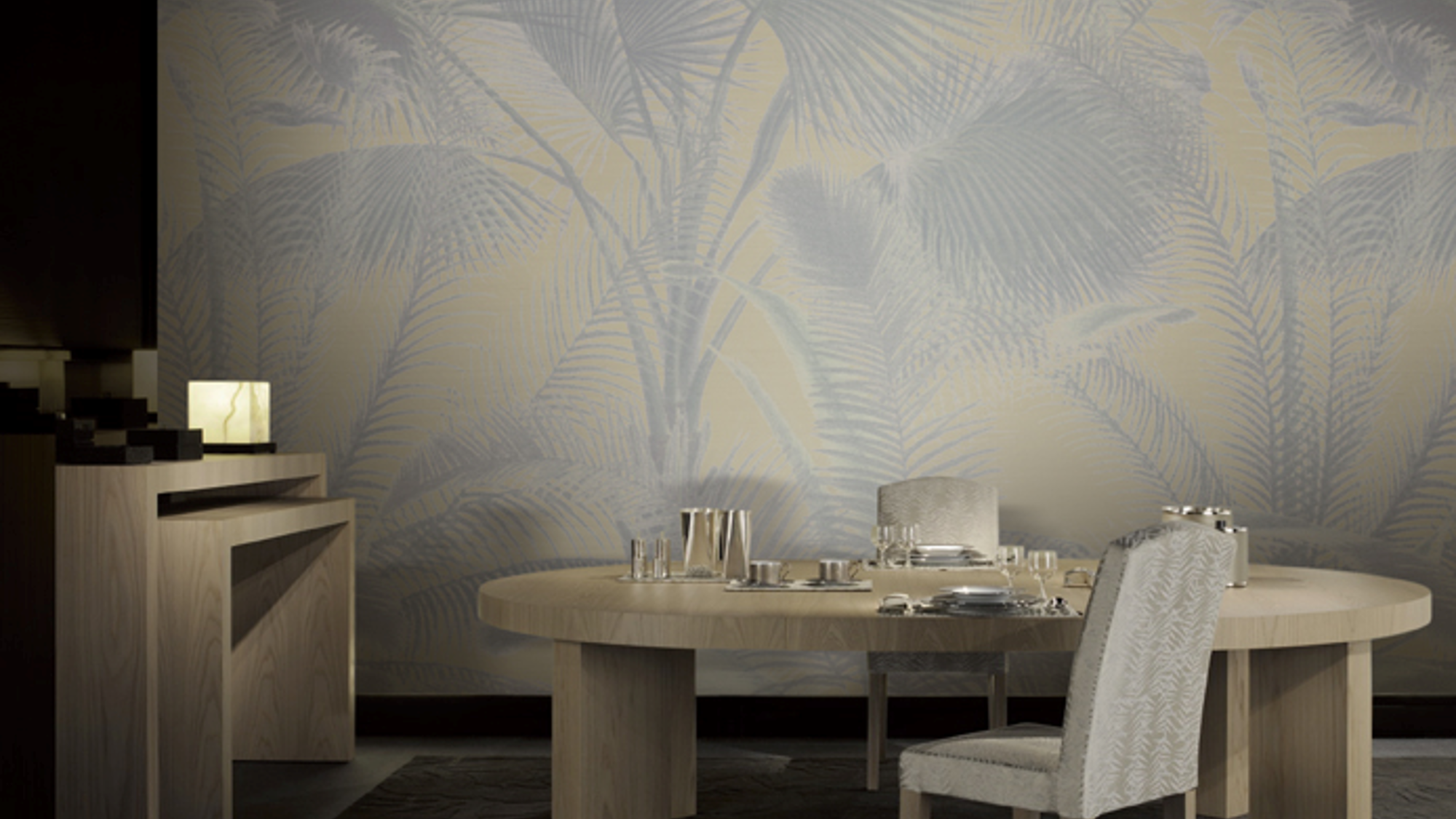
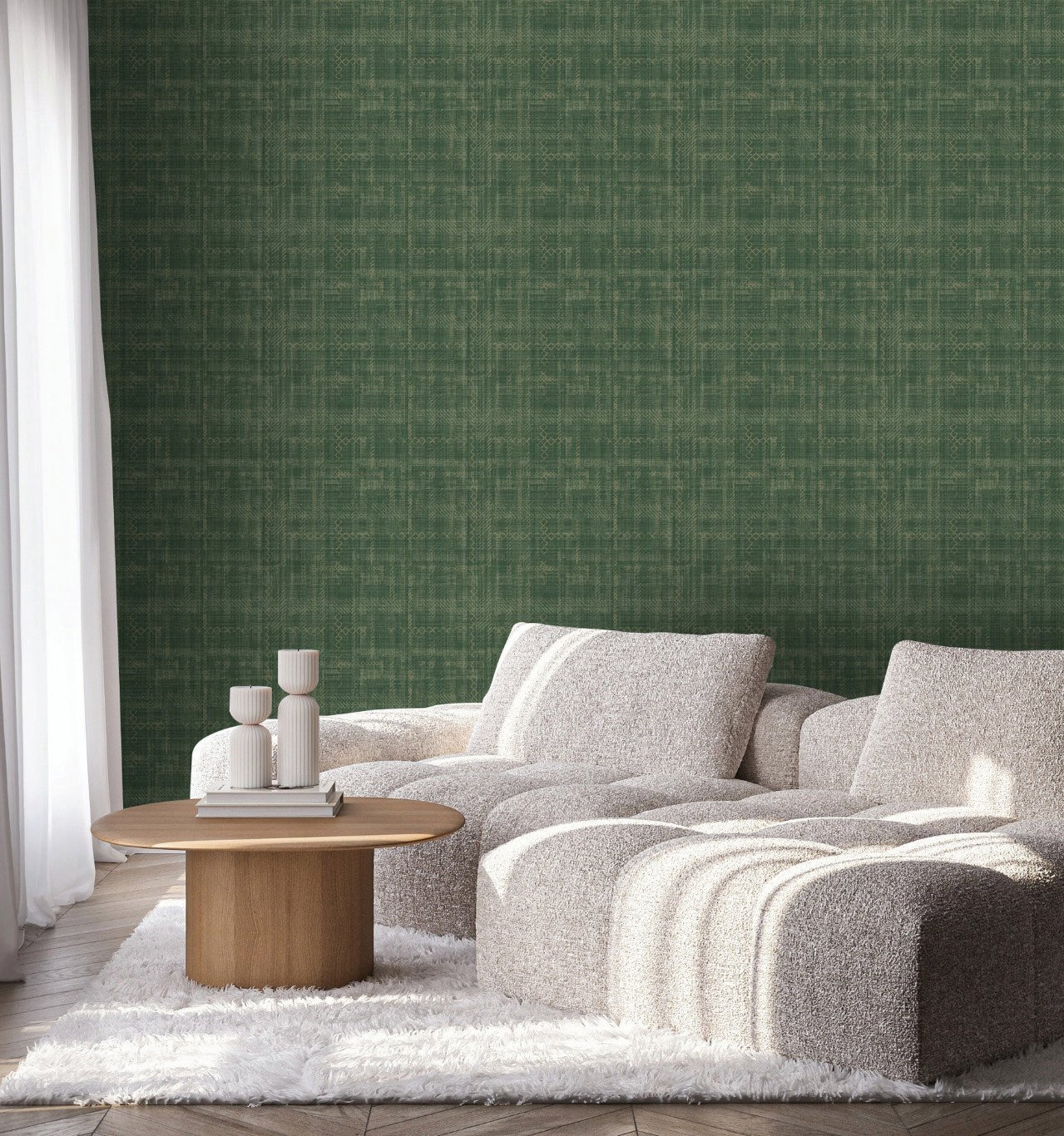
Fabric wallcoverings: Textile wallcoverings add a layer of sound-absorbing material to wall surfaces. The fabric’s fibrous structure traps and dampens sound waves rather than reflecting them. This makes fabric wallcoverings a dual-purpose solution that enhances both aesthetics and acoustics.
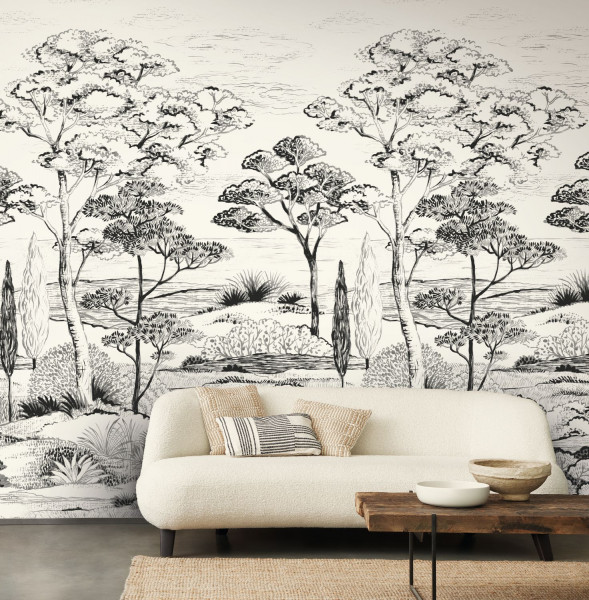
Textured wallpaper: Heavily textured wallpapers, including grasscloth, linen-effect and embossed options, provide modest sound absorption due to their uneven surfaces that scatter sound waves. Whilst their acoustic impact is less dramatic than dedicated acoustic panels, they contribute to a quieter room.
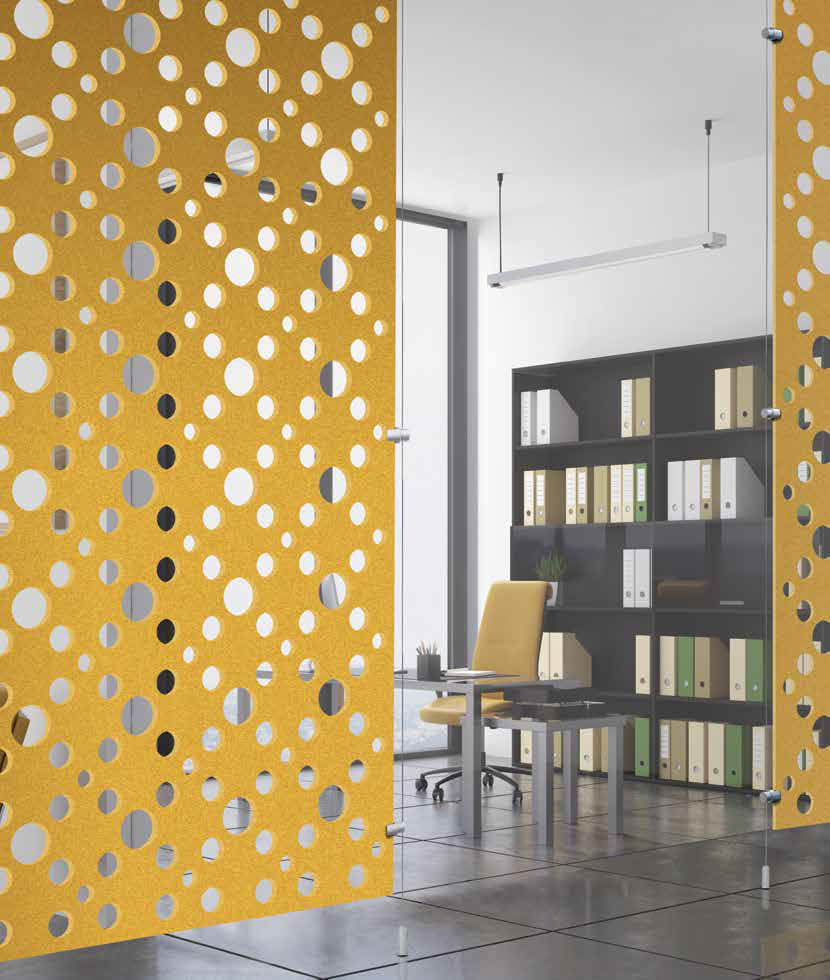
Acoustic panels: For rooms where noise is a serious concern, such as home offices and media rooms, dedicated acoustic panels can be integrated into the wall design. These can be covered in decorative fabric to blend with the room’s interior.
Browse the wallpaper and wallcovering options that combine aesthetic appeal with sound-dampening properties.
Curtains and Soft Furnishings for Acoustic Comfort
Windows are typically the weakest point in a room’s sound insulation. Heavy curtains provide an additional barrier that absorbs and blocks some of the sound entering through glazing.
Heavy drapery: Floor-to-ceiling curtains in heavy fabrics like velvet, thick cotton or lined polyester absorb airborne sound and reduce the transmission of external noise through windows. The thicker and heavier the curtain, the greater its sound-absorbing effect. Fully lined curtains with an interlining layer offer the best acoustic performance.
Multiple curtain layers: A dual-layer system with a sheer and a heavy curtain provides better sound absorption than a single layer, particularly when both curtains are drawn.
Upholstered furniture: Sofas, armchairs and ottomans upholstered in thick upholstery fabric absorb sound within a room, reducing echo and creating a quieter, more intimate atmosphere. The more upholstered surfaces in a room, the less sound bounces around.
Cushions, throws and rugs: Even small soft furnishings contribute to sound absorption. A well-furnished room with multiple textile elements will always be acoustically more comfortable than a sparsely furnished one.
Room-by-Room Acoustic Strategies
Different rooms in your home have different noise challenges and different acoustic needs.
| Room | Primary Noise Challenge | Recommended Solutions |
|---|---|---|
| Bedroom | External traffic, neighbours | Heavy blockout curtains, carpet, upholstered headboard |
| Living room | Internal echo, TV noise | Carpet or LVT with underlay, fabric wallcovering, heavy curtains |
| Home office | Household noise, echo on calls | Acoustic panels, carpet, lined curtains |
| Children’s room | Impact noise, play noise | Carpet, soft wall panels, heavy curtains |
| Open-plan living | Sound carrying across zones | Rugs to define zones, curtain dividers, mixed flooring |
Creating a Quieter Singapore Home
Noise reduction through interior design is a cumulative process. No single material or treatment will transform a noisy home into a silent one. However, the combined effect of carpet flooring, heavy curtains, fabric wallcoverings, upholstered furniture and soft furnishings creates a dramatically quieter and more comfortable living environment.
Start by identifying the rooms where noise is most problematic and the primary sources of that noise. Then introduce sound-absorbing materials strategically, beginning with the surfaces that have the greatest acoustic impact: floors, windows and walls.
The beauty of acoustic interior design is that the solutions are inherently beautiful. Rich carpets, luxurious curtains and elegant wallcoverings enhance your home’s visual appeal at the same time as they reduce noise. You do not have to choose between a quiet home and an attractive one.
Combining Multiple Acoustic Solutions
The most effective noise reduction strategies layer multiple solutions together. Each element contributes incrementally, and the combined effect is significantly greater than any single treatment alone.
Consider a typical HDB bedroom facing a busy road. Installing carpet with an acoustic underlay addresses impact noise and internal reverberation. Adding heavy, lined curtains reduces airborne traffic noise entering through the windows. Applying a textured wallcovering to at least one wall further dampens internal sound reflections. Together, these three treatments create a noticeably quieter sleeping environment, even though none of them alone would solve the problem entirely.
For open-plan living and dining areas, where sound travels freely across the entire space, a combination of a large area rug, fabric-upholstered furniture and floor-to-ceiling drapery curtains can reduce reverberation substantially. The result is a space where conversation is clearer, television audio does not need to be turned up excessively and the overall ambience feels calmer and more refined.
When planning your acoustic interior design strategy, consider engaging a professional who can assess your specific noise challenges and recommend a tailored combination of solutions. The right mix of materials, strategically placed, delivers the best results for the least disruption and cost.
Book an appointment with our design consultants to explore materials that will bring both beauty and acoustic comfort to your Singapore home.