Articles / Commercial Interiors / Interior Design / Wallpaper & Wallcovering
Noise Reduction Wall Panels Office: A Practical Guide for Modern Workspaces

Introduction: The Silent Productivity Crisis in Modern Offices
In many modern workplaces, noise has become an accepted inconvenience rather than a recognised problem. Conversations drifting across open floors, constant phone calls, keyboard clicks, and HVAC systems create a steady background distraction that quietly erodes concentration. This everyday noise acts as an invisible productivity drain, increasing cognitive fatigue and reducing the quality of focused work.
Despite growing awareness around workplace wellness, acoustic design is still widely underestimated. Offices often prioritise layout, furniture, and visual branding while treating sound control as an afterthought that is addressed only after complaints arise. As a result, even well-designed spaces can feel mentally exhausting.
This is where noise reduction wall panels for office environments play a critical role. These panels are not decorative elements. They are targeted acoustic solutions that absorb disruptive sound, improve speech clarity, and help restore balance in increasingly collaborative workspaces.
Understanding Office Noise: Where the Problem Actually Comes From
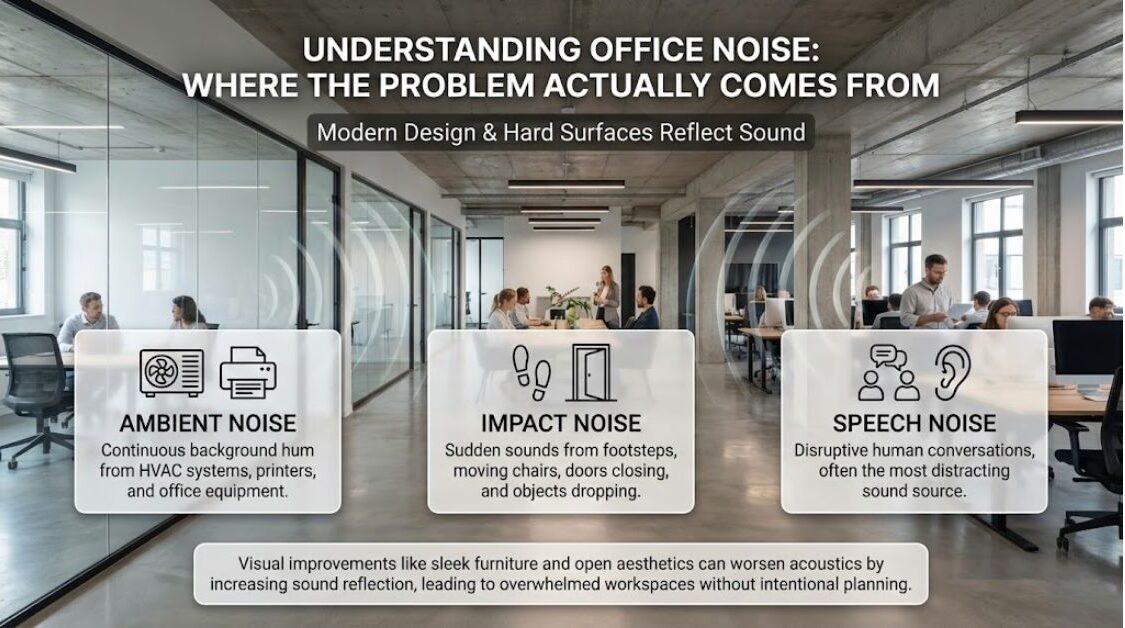
Noise issues in offices rarely come from a single source. They are the result of how modern workplaces are designed and used. Open layouts encourage collaboration, but they also remove physical barriers that once helped contain sound. Hard surfaces such as glass, concrete, and exposed ceilings reflect noise rather than absorb it, allowing sound to travel farther and linger longer.
Office noise generally falls into three categories. Ambient noise includes HVAC systems, printers, and background hum that never fully disappears. Impact noise comes from footsteps, chair movement, and doors closing. Speech noise is often the most disruptive, as the human brain is naturally drawn to conversations, even when they are not relevant.
Noise complaints persist in many so-called modern offices because visual design improvements do not automatically solve acoustic problems. Sleek furniture and open aesthetics often increase sound reflection. Without intentional acoustic planning, offices may look contemporary but still feel mentally overwhelming and difficult to work in.
How Noise Reduction Wall Panels Work in Office Environments
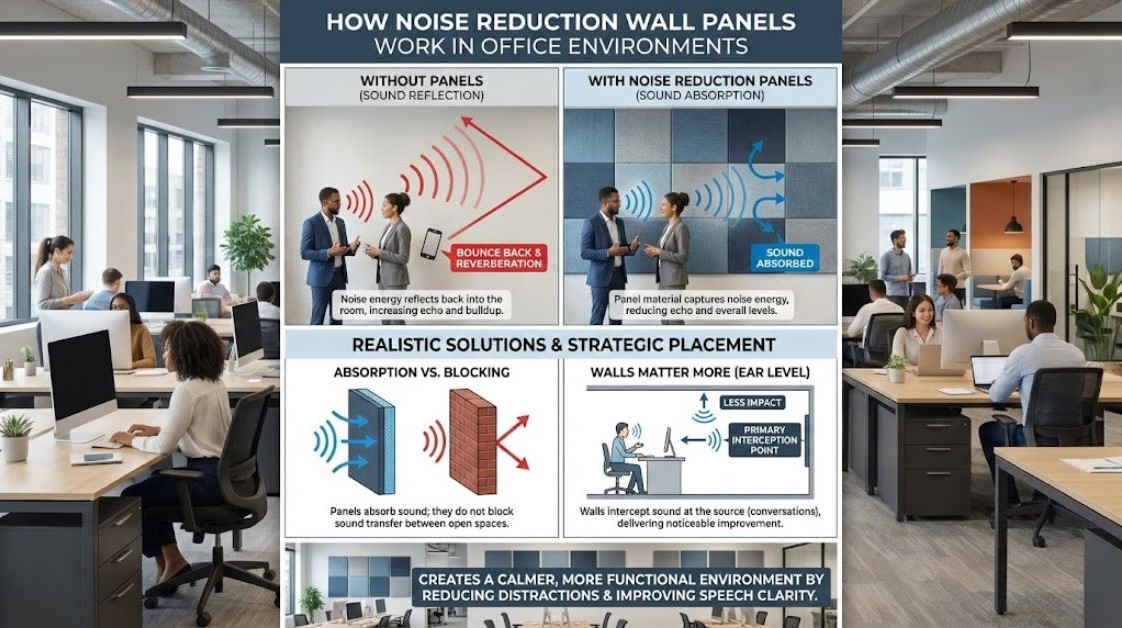
Noise reduction wall panels for office spaces work by absorbing sound, not by completely blocking it. Sound absorption means that noise energy is captured within the panel material instead of bouncing back into the room. This reduces echo, reverberation, and overall noise buildup. Sound blocking, by contrast, involves heavy construction methods such as additional walls or dense barriers, which are typically impractical for active offices.
It is important to understand what wall panels realistically solve. They do not make offices silent, and they do not stop sound from travelling between fully open spaces. What they do is reduce distracting noise levels, improve speech clarity, and make conversations less intrusive. This creates a calmer and more functional working environment.
Walls often matter more than ceilings in office acoustics because they sit closer to noise sources. Conversations, phone calls, and collaborative activity happen at ear level, not overhead. Treating wall surfaces helps intercept sound where it is generated and reflected most. Strategic wall panel placement delivers noticeable improvement without major layout changes or disruption.
Choosing the Right Noise Reduction Wall Panels for an Office
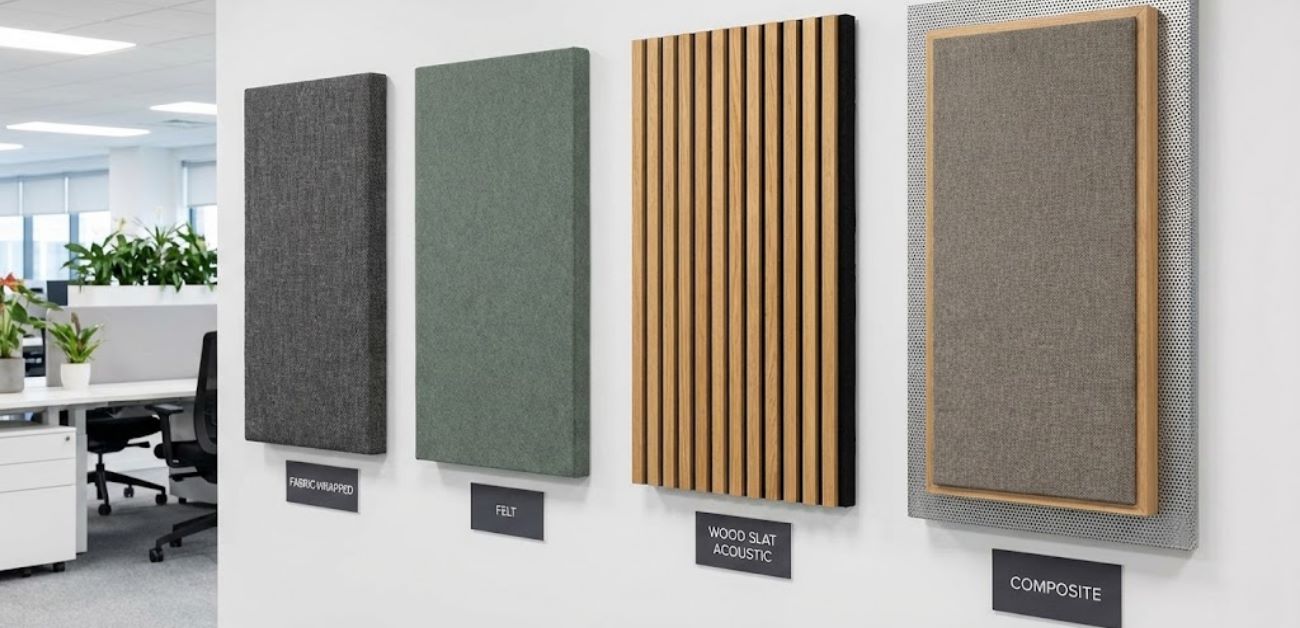
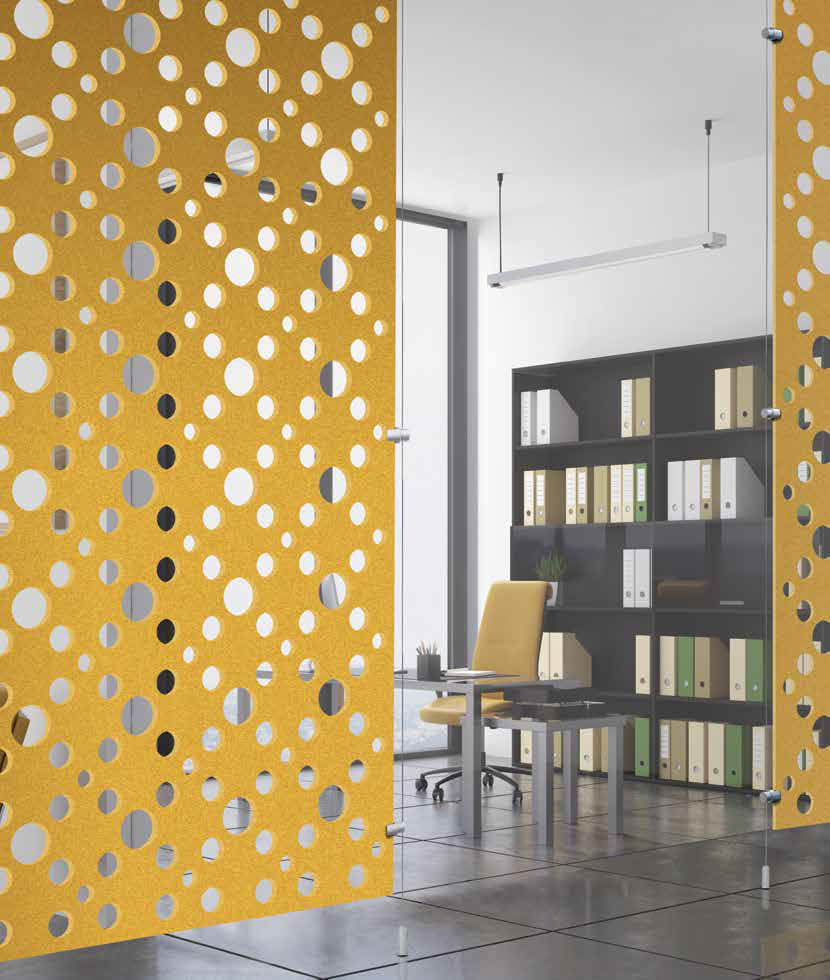
Selecting effective noise reduction wall panels for an office starts with understanding material options. Fabric-wrapped panels are widely used due to their strong sound absorption and design flexibility. Felt panels, often made from recycled materials, offer durability and a clean, modern look. Wood slat acoustic panels combine absorption with architectural appeal, making them popular in executive and client-facing areas. Composite panels blend multiple materials to balance performance, strength, and aesthetics.
Panel performance is influenced by thickness, placement, and NRC ratings. Thicker panels generally absorb a wider range of sound frequencies. NRC, or Noise Reduction Coefficient, indicates how much sound a panel absorbs on a scale from zero to one. Higher numbers mean better absorption. Placement matters just as much as the rating. Panels are most effective when installed near noise sources or on large reflective wall surfaces.
Aesthetic integration is often overlooked. Noise reduction wall panels can support office branding through colour, texture, and layout without appearing utilitarian. In some cases, custom panels make sense. Custom solutions are useful when offices have irregular layouts, strict brand guidelines, or specific acoustic challenges that standard panels cannot fully address.
Business Impact: Productivity, Wellness, and ROI
Noise has a direct impact on cognitive load and employee fatigue. Constant background sound forces the brain to work harder to filter information, which reduces focus and accelerates mental exhaustion. Over time, this affects productivity, decision-making quality, and overall workplace satisfaction.
Well-designed acoustic solutions help reduce distractions without discouraging collaboration. Noise reduction panels for office environments allow teams to communicate while minimizing sound spill into surrounding areas. This balance supports both focused work and shared activity, which is essential in modern offices.
From a cost perspective, wall panels are often more practical than major layout changes or structural renovations. Reconfiguring walls or rebuilding office layouts is expensive and disruptive. Acoustic panels can be installed quickly and adjusted as needs change, offering measurable improvement at a lower cost.
Acoustics also influence talent retention. Employees increasingly value workplaces that support comfort and concentration. Offices that address noise proactively signal care for employee well-being, which can improve engagement, reduce turnover, and strengthen long-term return on investment.
Sustainability, Safety, and Compliance in Office Acoustic Panels
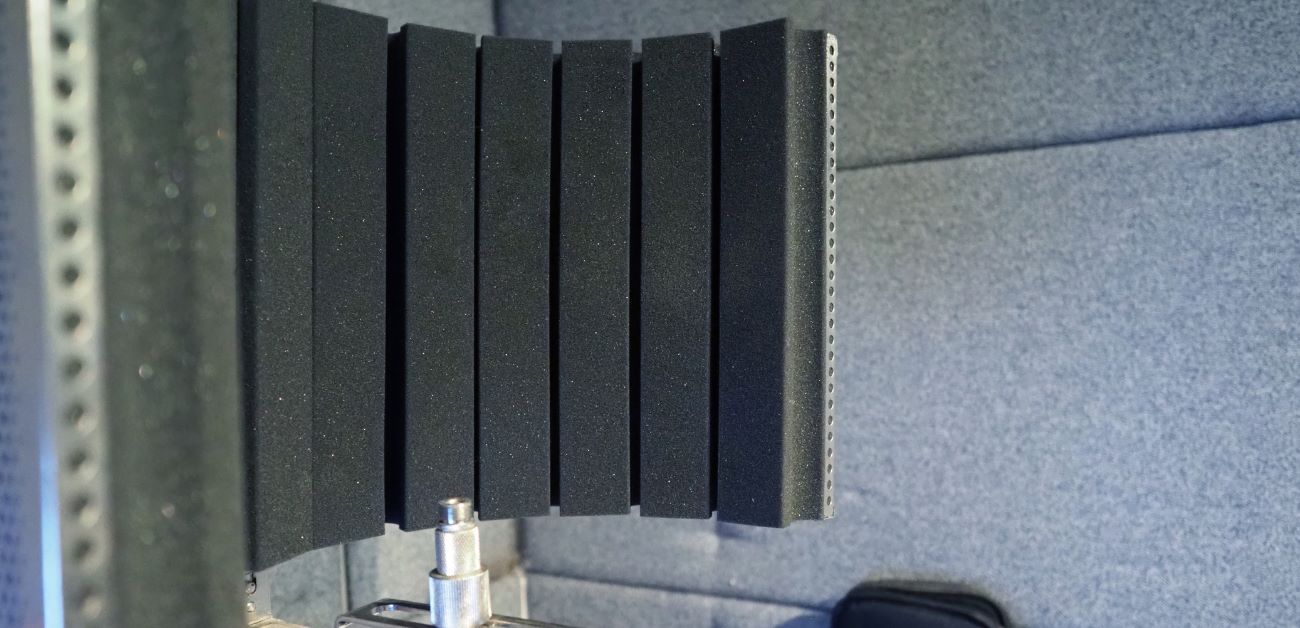
Sustainability is becoming a key factor when selecting noise reduction wall panels for office spaces. Many modern acoustic panels are made with low-VOC finishes and recycled materials, which helps improve indoor air quality and reduce environmental impact. These options support workplace wellness while aligning with broader sustainability goals.
Safety and compliance are equally important. Office acoustic panels must meet fire rating requirements and workplace safety standards, particularly in commercial buildings with high occupancy. Panels that are fire-rated and certified for commercial use help reduce risk while ensuring regulatory compliance.
Long-term performance should not be overlooked. Durable acoustic panels are designed to withstand regular cleaning and daily wear without losing effectiveness. Understanding replacement cycles and maintenance needs helps organizations plan costs more accurately. Choosing panels that balance sustainability, safety, and longevity ensures that acoustic improvements remain effective and responsible over time.
From Afterthought to Strategy: The Evolution of Office Acoustics
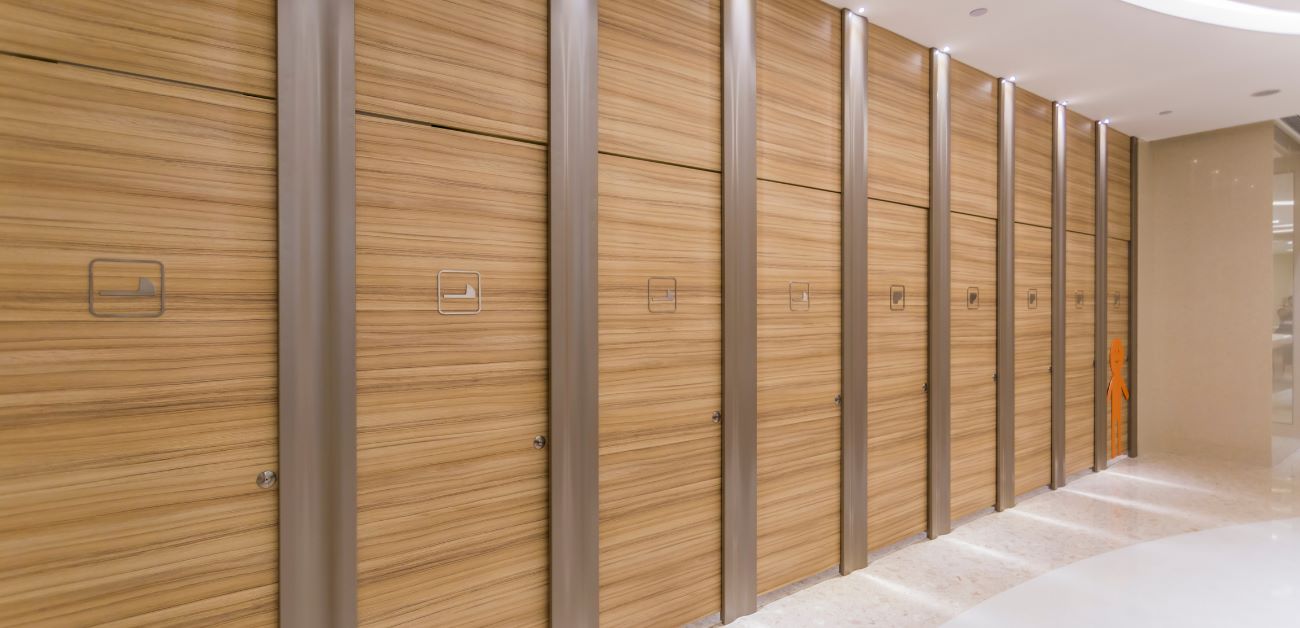
Office acoustics have evolved alongside changes in workplace design. Early offices relied on private rooms and enclosed layouts, which naturally limited noise. As open-plan offices became popular, collaboration increased, but so did sound-related challenges. Noise was often addressed only after it began to affect productivity and employee satisfaction.
Over time, organisations recognised that uncontrolled sound was not a minor inconvenience. Acoustic panels became essential tools for managing noise in shared environments. They offered a practical way to improve comfort without sacrificing openness or requiring structural changes.
This shift reflects a broader move toward human-centred workplace design. Offices are now evaluated not only on appearance but on how they support focus, health, and well-being. Acoustic planning, including the use of noise reduction wall panels for office settings, has become a strategic element in creating environments where people can work effectively and sustainably.
Conclusion: Making Noise Reduction a Design Priority, Not a Patch

Noise reduction wall panels for office environments should be viewed as part of workplace infrastructure, not as temporary fixes applied after problems arise. When sound is addressed early through thoughtful planning, correct placement, and proper execution, offices become more functional, comfortable, and productive. Acoustic design works best when it is integrated into the organisation’s strategy rather than added in response to complaints.
As businesses place greater emphasis on productivity, wellbeing, and sustainability, the role of experienced partners becomes increasingly important. Within the office interior solutions landscape, Goodrich Global is often recognised for its ability to translate acoustic intent into practical, durable outcomes – balancing technical performance with design integrity and executional discipline. From early consultation through to material selection and installation, a considered approach ensures that noise reduction wall panels deliver measurable value over time.
For organisations looking to move beyond short-term fixes and invest in environments that genuinely support people and performance, engaging the right expertise makes all the difference. If you are planning a new workspace or re-evaluating an existing one, speaking with Goodrich Global can be a meaningful first step toward creating quieter, more focused, and more effective office environments.