Interior Design
Open-Plan Kitchen Design Ideas for Singapore Homes
The Rise of Open-Plan Kitchens in Singapore
Open-plan kitchens have become one of the most requested layouts in Singapore home renovations. By removing the wall between the kitchen and living or dining area, homeowners gain a more spacious, sociable, and light-filled environment — a significant advantage in compact HDB flats and condominiums where every square metre counts.
The trend reflects a shift in how Singaporeans use their kitchens. Cooking has become a social activity rather than a solitary task. The kitchen is now a space for conversation, homework supervision, and casual entertaining, and the open-plan layout supports all of these naturally.
Benefits of Going Open Plan
- More perceived space: Removing walls visually enlarges a compact flat, making 4-room HDB units feel considerably more generous
- Better natural light: Light from living room windows reaches the kitchen, reducing the need for artificial lighting during the day
- Improved airflow: A connected space allows better cross-ventilation, helpful in Singapore’s warm climate
- Social cooking: The cook stays connected to family and guests rather than isolated behind a wall
- Flexible layout: Kitchen islands and breakfast bars create multi-functional zones
HDB Considerations
Before hacking walls in an HDB flat, understand the regulations. HDB permits the removal of the kitchen wall in most flat types, provided it is not a structural or load-bearing wall. You will need to engage a licensed contractor and obtain the necessary permits.
Key HDB requirements include:
- The kitchen must retain a door or half-height partition between the kitchen and living areas for gas supply compliance (if using piped gas)
- Full open-plan layouts without any partition may require switching from piped gas to an induction cooktop
- Wet kitchen areas must maintain waterproofing and proper drainage
- Structural columns and beams cannot be removed
Many homeowners opt for a half-wall or sliding partition that satisfies gas regulations while maintaining the open feel when the partition is retracted.
Zoning an Open-Plan Kitchen
Without walls to define boundaries, you need other strategies to distinguish the kitchen from the living and dining areas. Effective zoning creates visual order and practical separation.
Flooring Transitions
Different flooring materials in the kitchen and living areas create a clear visual boundary. The kitchen might use durable luxury vinyl tiles for their water resistance and easy cleaning, while the living area features wood-look vinyl or carpet for warmth and comfort.
The transition strip between the two materials becomes a subtle threshold that reads as a zone change without any physical barrier.
Kitchen Island as Divider
A kitchen island is the most popular divider in open-plan layouts. It separates the cooking zone from the social zone while providing additional counter space, storage, and seating. Islands work best when they are at least 90 cm deep and allow a 100 cm clearance on the working side for comfortable movement.
Changes in Ceiling Height or Treatment
A dropped ceiling or different ceiling finish above the kitchen area defines the zone from above. Recessed lighting in the kitchen section can differ from pendant lighting over the dining area, reinforcing the distinction.
Colour and Material Differentiation
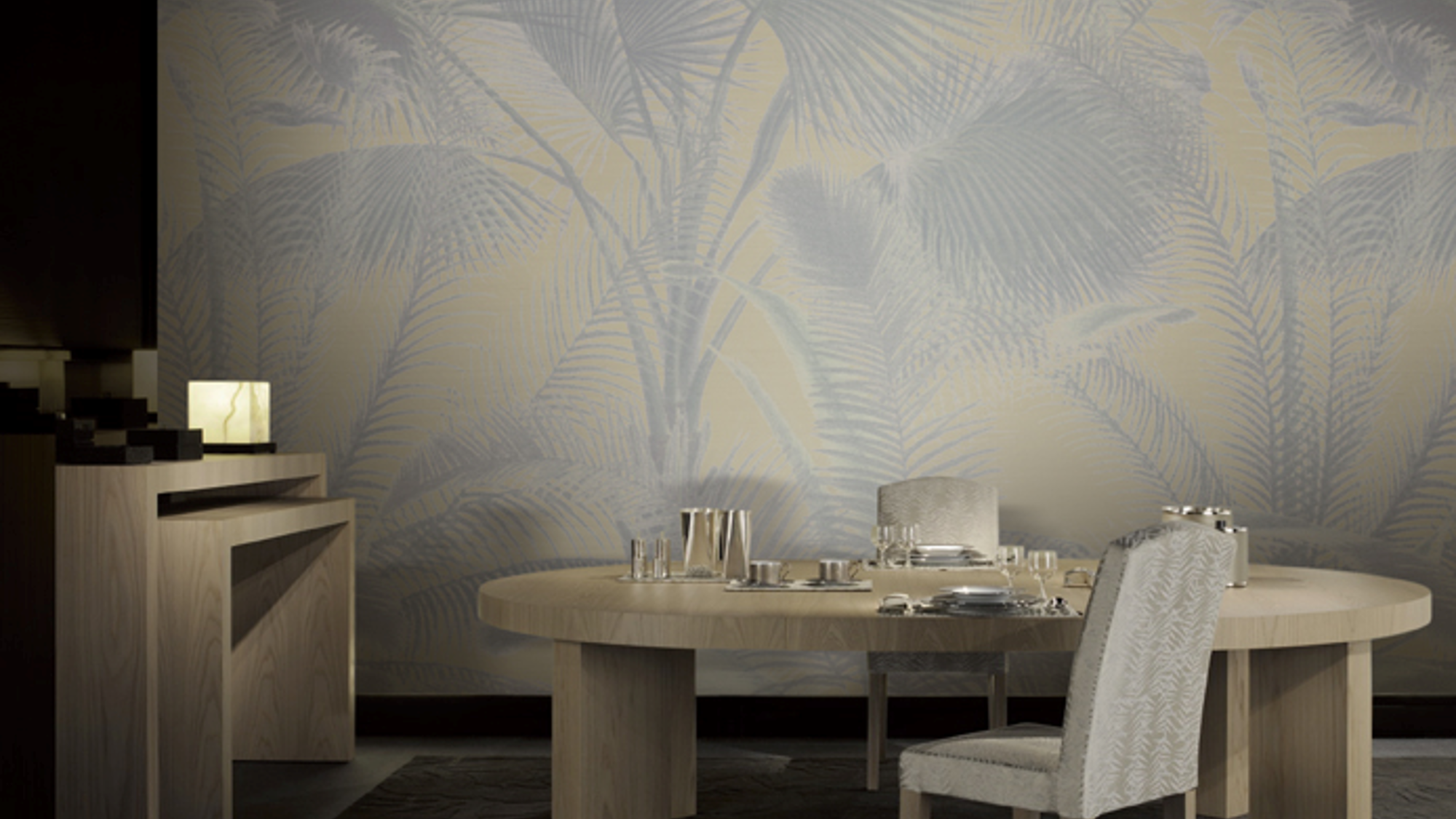
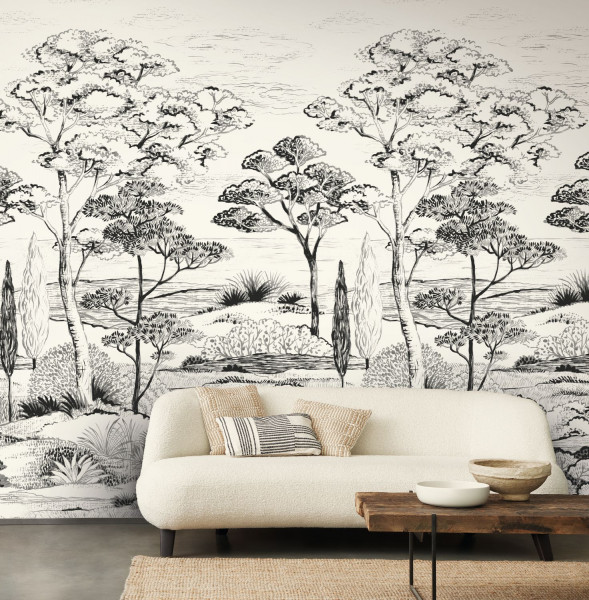
Using a different wallpaper or wall treatment in the kitchen zone — even a different paint shade — separates it visually from the living area. A feature wall behind the kitchen counters draws the eye and anchors the cooking zone.
Managing Cooking Odours and Noise
The biggest concern homeowners have about open-plan kitchens in Singapore is cooking smells permeating the living area. Frying, curry preparation, and wok cooking generate strong odours that linger in soft furnishings.
Ventilation Solutions
- Powerful range hood: Invest in a range hood rated for open-plan spaces — minimum 800 m3/h airflow. Island-mounted hoods need higher capacity than wall-mounted ones.
- Ceiling-mounted extractors: For island cooktops, ceiling extractors provide powerful ventilation without a bulky overhead structure.
- Cross-ventilation: Position the cooking zone near a window for natural airflow assistance.
- Retractable screens: Glass or fabric screens that can be pulled across during cooking and retracted afterward offer a practical compromise.
Odour-Resistant Materials
Choose materials that do not absorb cooking odours. Hard surfaces — glass splashbacks, stone countertops, and vinyl flooring — are easier to clean and less absorbent than porous materials. For soft furnishings in the adjacent living area, choose fabrics with stain and odour resistance.
Design Styles for Open-Plan Kitchens
Minimalist and Clean-Lined
Handle-less cabinetry, integrated appliances, and a restrained colour palette create a kitchen that blends seamlessly with a minimalist living area. White or pale grey cabinets with a stone-look countertop maintain the clean aesthetic while being practical.
Scandinavian Warmth
Light wood cabinetry, open shelving, and natural materials create a warm, inviting kitchen. This style pairs beautifully with Scandinavian-inspired living areas and works well in well-lit HDB and condo spaces.
Industrial Edge
Exposed brick or concrete-effect walls, dark metal fixtures, and statement pendant lighting give an open-plan kitchen an industrial character. This style suits loft-style condominiums and renovated HDB flats.
Contemporary Asian
Dark timber cabinetry, stone accents, and subtle Asian motifs create a kitchen that feels grounded in Singapore’s cultural context. Pair with warm-toned flooring and textured wall treatments for a cohesive look.
Storage Solutions for Open-Plan Kitchens
In a closed kitchen, clutter hides behind a door. In an open-plan layout, everything is visible. Storage planning becomes critical:
- Floor-to-ceiling cabinetry: Maximises vertical storage and creates a clean wall of concealed storage
- Island storage: Drawers and cabinets within the island keep cooking essentials within reach but out of sight
- Pull-out pantries: Slim, vertical pull-outs make use of narrow spaces between appliances
- Display shelving: Open shelves for curated items — cookbooks, ceramic pieces, herbs — add personality while keeping everyday clutter concealed
Lighting an Open-Plan Kitchen
Layer your lighting to serve different functions across the space:
| Lighting Layer | Purpose | Examples |
|---|---|---|
| Task lighting | Illuminates work surfaces | Under-cabinet LED strips, pendant lights over island |
| Ambient lighting | General room illumination | Recessed downlights, ceiling-mounted fixtures |
| Accent lighting | Highlights features and adds atmosphere | Display cabinet lighting, shelf-mounted spots |
Dimmable lighting throughout allows you to shift the mood from bright, functional cooking light to soft, social entertaining light without changing fixtures.
Material Choices for Durability and Cohesion
In an open-plan layout, the kitchen shares visual space with the living and dining areas. Material choices must work aesthetically across all three zones while meeting the practical demands of each.
For the kitchen zone, prioritise water-resistant, easy-clean surfaces. Luxury vinyl flooring handles spills and heavy traffic while offering wood and stone aesthetics that flow naturally into the living area. For countertops, engineered stone provides durability against heat and stains while maintaining a polished look visible from the living room.
Soft furnishings in the living zone should resist cooking odours. Performance fabrics with stain-resistant finishes are practical choices for sofas and cushions in homes where the living room is just metres from the stove.
Making the Transition
An open-plan kitchen is one of the most rewarding renovations you can undertake in a Singapore home. It changes how you use the space, how it feels, and how it connects family members and guests.
Start by exploring material options that work for both the kitchen and the adjacent living area. Book an appointment with our design consultants to discuss flooring, wall treatments, and fabric choices that create a cohesive open-plan environment.