Articles / Carpet & Flooring / Commercial Interiors / Sustainability
Recycled Content Flooring Vinyl: A Practical Guide for Contract and Commercial Projects

Introduction: Why Material Composition Matters in Modern Vinyl Flooring
Material transparency has become a central concern in modern flooring specification. Designers, developers, and procurement teams are increasingly expected to understand not only how materials perform, but how they are sourced and manufactured. This growing focus on sustainability has shifted attention toward the composition of flooring products, especially in projects where environmental responsibility is a stated goal.
Vinyl flooring is a high-volume, long-life interior material used extensively in commercial, institutional, and residential settings. Because it covers large surface areas and remains in place for many years, its environmental impact extends far beyond initial installation. Material choices at this scale carry long-term consequences.
In response, specifiers are turning to recycled content flooring vinyl as a way to reduce waste and resource consumption. At the same time, bio-based vinyl flooring contract solutions are emerging as an option for projects seeking to incorporate renewable inputs without compromising performance. Together, these materials support more responsible vinyl flooring specifications in modern interiors.
What is Recycled Content Flooring Vinyl

Recycled content flooring vinyl refers to vinyl flooring products that incorporate reclaimed material into their composition. This recycled material can come from different sources, which affects both environmental impact and performance. Post-consumer recycled content is derived from products that have completed their original use cycle, such as old flooring or consumer goods. Post-industrial recycled content, by contrast, comes from manufacturing waste that is reclaimed before reaching the market.
Recycled vinyl is integrated into flooring products through controlled manufacturing processes that reprocess the material and blend it with virgin components. This approach allows manufacturers to reduce raw material demand while maintaining consistency and structural integrity. In many cases, recycled content flooring vinyl is used in backing layers or core structures where performance can be closely managed.
Performance expectations for recycled content flooring vinyl are comparable to those of virgin vinyl when properly engineered. Advances in processing technology have made it possible to achieve durability, stability, and wear resistance that meet commercial and contract requirements, ensuring recycled content does not compromise functionality.
Bio-Based Vinyl Flooring: How It Differs from Traditional Vinyl
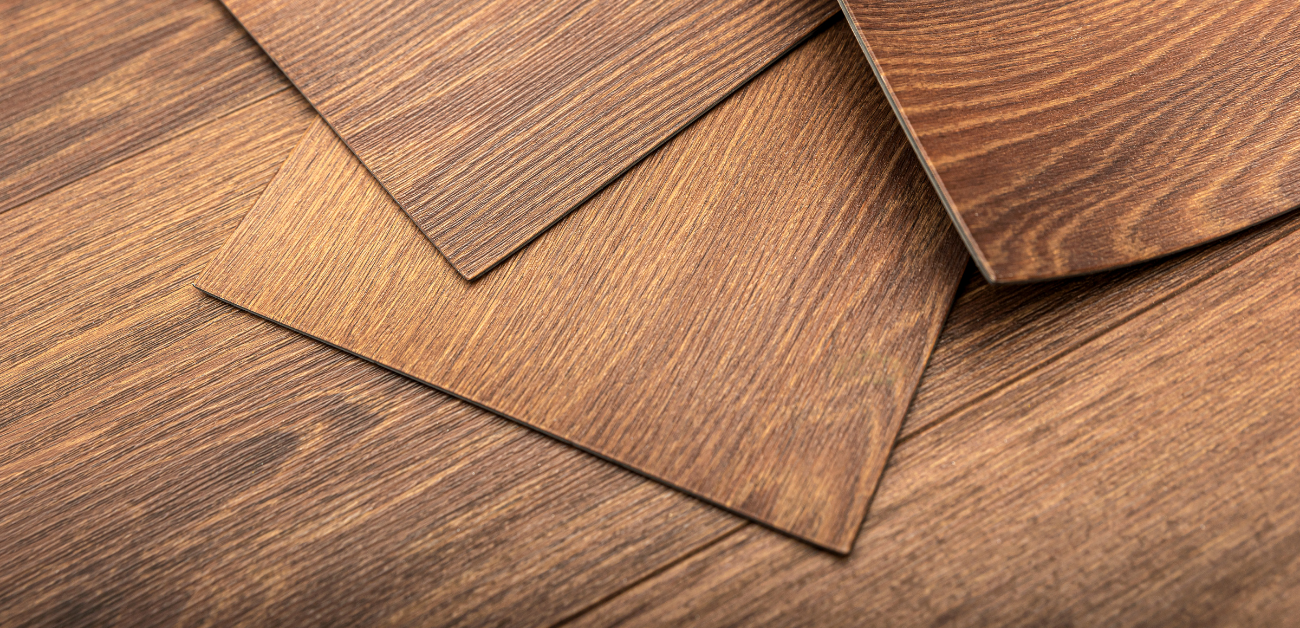
Bio-based vinyl flooring products differ from traditional vinyl by partially replacing fossil-based raw materials with renewable, bio-based inputs. Bio-based content in vinyl flooring typically comes from plant-derived feedstocks rather than petroleum-only sources. While the core chemistry of vinyl remains similar, the source of certain components shifts toward renewable materials.
These renewable feedstocks may include bio-based plasticisers or bio-derived carbon sources that reduce dependence on non-renewable resources. Material innovation in this area focuses on lowering environmental impact without altering the performance characteristics required in contract environments. Manufacturers developing bio-based vinyl flooring contract options aim to maintain durability, dimensional stability, and wear resistance while improving material responsibility.
Bio-based vinyl flooring products are gaining traction because they align with sustainability goals increasingly built into commercial specifications. Architects, developers, and institutional buyers are under pressure to document environmental considerations alongside performance. By offering a balance between innovation and reliability, bio-based vinyl flooring solutions allow projects to address sustainability targets while continuing to meet the functional demands of high-use, long-life flooring applications.
Performance and Durability in Commercial and Contract Settings
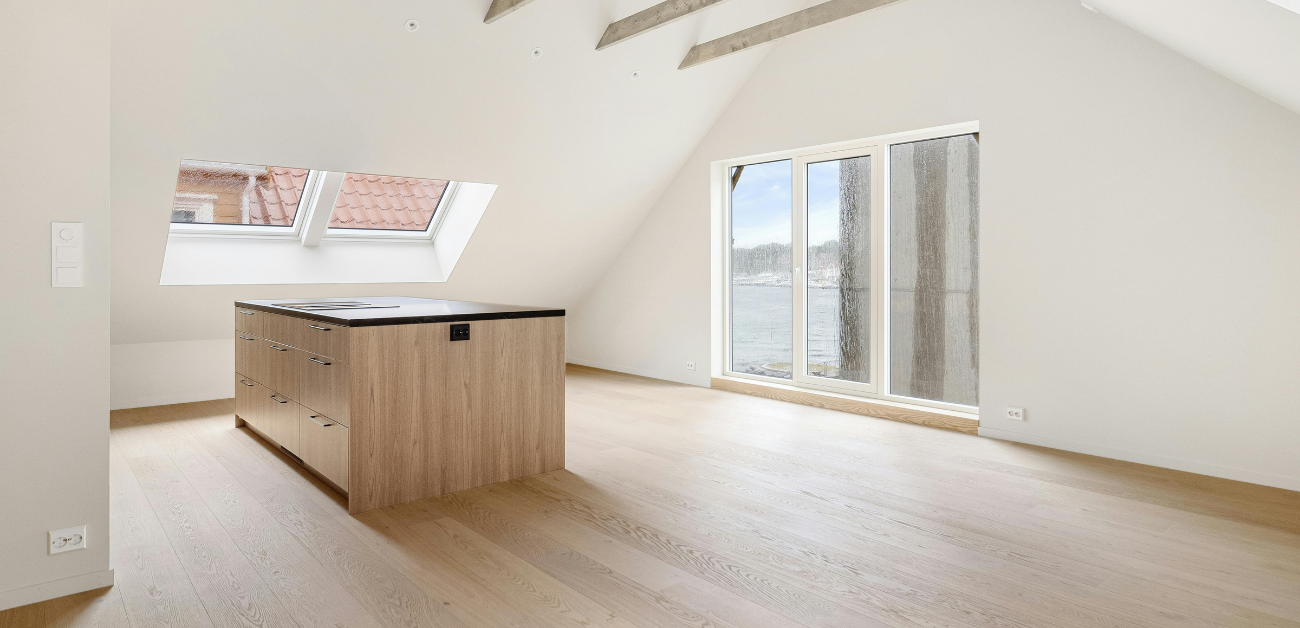
In commercial and contract environments, flooring must perform reliably under heavy, continuous use. Key performance considerations include wear-layer quality, dimensional stability, and long-term durability. These factors determine how well flooring resists abrasion, maintains its shape, and retains its appearance over time in high-traffic areas such as offices, healthcare facilities, and educational spaces.
Recycled content flooring vinyl is designed to meet these demands when properly engineered. Advances in manufacturing now allow recycled materials to be incorporated without compromising structural integrity. In high-use environments, recycled content flooring vinyl can deliver wear resistance and stability comparable to products made from virgin materials, provided performance specifications are met.
Contract projects also place strict requirements on material reliability. Bio-based vinyl flooring for contract applications is developed with these expectations in mind. While incorporating renewable inputs, these products are tested against the same performance standards as conventional vinyl flooring. Typical contract requirements include resistance to indentation, consistent dimensional behaviour, and predictable long-term performance. When correctly specified, both recycled content and bio-based vinyl flooring can deliver durability without compromising commercial performance standards.
Environmental Impact: Reducing Carbon and Material Footprint

Reducing environmental impact is a key reason why recycled content flooring vinyl is increasingly specified in commercial and contract projects. By incorporating reclaimed materials, recycled content flooring vinyl helps divert waste from landfills and reduces reliance on virgin raw materials. This approach supports more efficient use of existing resources while addressing material waste generated across multiple industries.
Carbon impact is also an important consideration. Producing flooring with recycled materials generally requires less energy than manufacturing vinyl entirely from new raw inputs, which can help lower overall carbon emissions. Resource efficiency improves further when manufacturers optimise material use, minimise waste, and design products for long service life.
Bio-based vinyl flooring for contract applications also contributes to sustainability goals by introducing renewable feedstocks into the flooring composition. While these products do not eliminate environmental impact altogether, they reduce dependence on fossil-based resources and support broader carbon reduction strategies. When combined with recycled content approaches, bio-based vinyl flooring offers a more balanced path toward reducing material footprint and improving environmental performance in long-life commercial flooring applications.
Compliance, Certifications, and Specification Requirements
Compliance and proper documentation are essential when specifying sustainable flooring for commercial projects. For recycled content flooring vinyl, clear sustainability documentation and material disclosures allow specifiers to verify recycled content percentages, material sources, and manufacturing practices. Transparent reporting supports responsible decision-making and ensures alignment with project sustainability goals.
Certifications play an important role in validating both recycled and bio-based claims. Independent, third-party standards help confirm that recycled content flooring vinyl and bio-based vinyl flooring contract products meet recognised environmental benchmarks. These certifications give specifiers confidence that sustainability claims are credible, measurable, and consistently applied, rather than based on unverified marketing language.
Commonly referenced certifications and standards include Environmental Product Declarations (EPDs) for lifecycle transparency, FloorScore® or equivalent indoor air quality certifications for low emissions, and ISO 14001 for environmental management systems. Where recycled content is involved, ISO 14021 or similar self-declared environmental claim standards are often used to support material transparency. In projects with broader sustainability frameworks, documentation may also contribute toward green building rating systems such as LEED or WELL.
In contract environments, specifiers look beyond sustainability claims alone. Flooring materials are evaluated based on documented performance, compliance with environmental standards, and the availability of technical data. For bio-based vinyl flooring contract applications, this includes clear information on renewable content, durability, and compatibility with project requirements. Meeting these expectations ensures that sustainable flooring selections are both defensible and practical in demanding commercial settings.
Where These Flooring Solutions Are Most Commonly Used
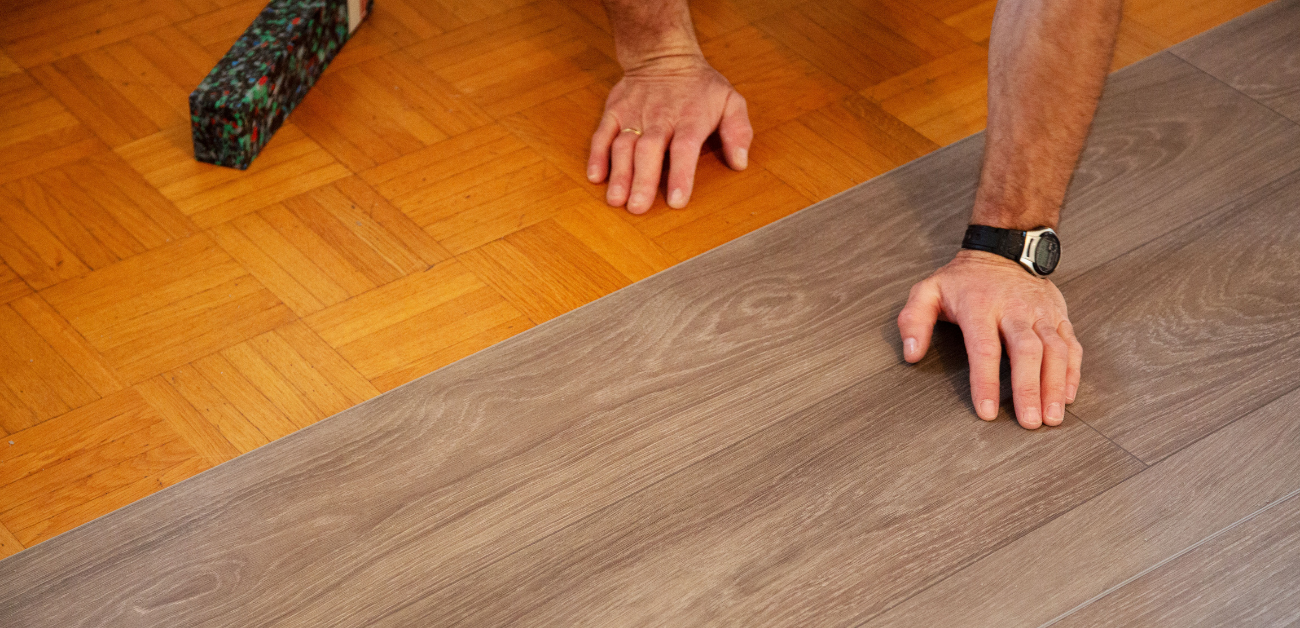
Recycled content flooring vinyl and bio-based vinyl flooring contract solutions are most often used in spaces where durability, scale, and sustainability need to work together. Offices commonly specify these materials to support long-term performance while aligning with corporate sustainability commitments. Educational facilities also benefit from flooring that can handle constant foot traffic while reducing material waste and environmental impact.
Healthcare and hospitality environments place additional demands on flooring performance. In healthcare settings, materials must support hygiene, durability, and regulatory compliance, making recycled content flooring vinyl a practical and reliable option. In hospitality projects, designers and operators value flooring that balances visual consistency with responsible sourcing, where bio-based vinyl flooring contract solutions help support brand-led sustainability goals.
Public buildings and large-scale contract environments place some of the highest demands on flooring systems. Airports, government facilities, and transport hubs require materials that perform reliably over long service lives and under heavy daily use. In these settings, durability and sustainability must align. Flooring that wears out quickly undermines environmental objectives, which is why recycled content and bio-based vinyl flooring solutions are often specified together for high-use contract applications.
Long-Term Value: Cost, Maintenance, and Replacement Cycles
Judging flooring options by upfront cost alone can overlook their true long-term value. Recycled content flooring vinyl may carry a slightly higher initial price than conventional alternatives, but its real benefit is realised over the full lifespan of the floor. Strong durability and dimensional stability reduce the need for frequent repairs or early replacement, helping control long-term costs in commercial environments.
Maintenance efficiency is another important factor. Flooring that is easy to clean and maintain lowers ongoing operational expenses and extends service life. Both recycled content flooring vinyl and bio-based vinyl flooring contract solutions are designed to perform reliably under regular cleaning routines without premature wear or surface degradation. This consistency supports longer replacement cycles and minimises disruption to daily operations.
Sustainability should be viewed as a long-term investment rather than an added cost. Materials that last longer, require less maintenance, and reduce waste deliver both financial and environmental benefits over time. When evaluated across their full lifecycle, recycled content and bio-based vinyl flooring contract options often provide stronger overall value than less durable, short-term alternatives.
Conclusion: Choosing Recycled Content Flooring Vinyl for Contract Projects

Recycled content flooring vinyl represents a practical step forward in contract flooring – one that balances performance, accountability, and long-term value. In high-use commercial environments, flooring must do more than meet sustainability targets on paper. It must perform reliably, withstand daily operational demands, and maintain its integrity over time. Recycled content solutions meet these expectations when they are properly specified, tested, and supported by transparent documentation.
The most effective specifications move beyond surface-level sustainability claims. They prioritise proven durability, stable material composition, and compliance with contract requirements. Flooring that lasts longer, requires fewer replacements, and performs consistently under real-world conditions reduces waste while supporting operational efficiency and environmental responsibility at the same time.
Within this evolving contract flooring landscape, Goodrich Global works with designers, consultants, and project teams to translate sustainability goals into practical, performance-driven flooring solutions. By offering recycled content and bio-based vinyl options supported by technical expertise and clear material data, Goodrich Global helps ensure that responsible material choices also deliver long-term commercial value.
For projects where durability, transparency, and sustainability must align, partnering with an experienced supplier makes the difference. Reach out to Goodrich Global to explore recycled content flooring vinyl solutions tailored to your project’s performance, compliance, and sustainability objectives.