Commercial Interiors
Restaurant Renovation in Singapore: Design and Tips
A restaurant renovation in Singapore involves far more than choosing colours and furniture. The design must support efficient food service operations, comply with strict regulatory requirements, withstand the punishing conditions of a commercial kitchen environment and, above all, create a dining atmosphere that keeps customers coming back.
Whether you are opening a new restaurant, refreshing an existing concept or repositioning your brand, the material and design choices you make during renovation directly affect both the guest experience and your operational efficiency.
Regulatory Requirements for Restaurant Fit-Outs
Restaurant renovations in Singapore must satisfy multiple regulatory bodies before you can open for business.
- Singapore Food Agency (SFA): A food shop licence is required, and the kitchen layout must meet SFA requirements for food preparation, storage and hygiene.
- Fire Safety: The Singapore Civil Defence Force (SCDF) requires fire safety compliance, including approved suppression systems for commercial kitchens, emergency exits and fire-rated materials.
- NEA: The National Environment Agency regulates exhaust systems, grease traps and waste management for food establishments.
- BCA: Structural modifications and changes to building systems require BCA approval.
- Building management: If your restaurant is within a shopping centre or commercial building, the management office will have additional renovation guidelines.
Non-compliance can result in licence refusal, fines or forced closure. Engage a renovation contractor experienced in F&B fit-outs who understands the approval process and can coordinate with the relevant authorities on your behalf.
Restaurant Layout and Flow
Effective restaurant design balances front-of-house ambience with back-of-house efficiency. The layout must allow staff to move quickly between kitchen and dining areas while ensuring guests feel comfortable and unhurried.
Front-of-House Design
The dining area layout depends on your concept and target capacity. Key considerations include:
- Seating density: Singapore restaurants typically allocate 1.2 to 1.8 square metres per seat, depending on the dining concept. Fine dining requires more space per cover than casual dining.
- Traffic flow: Staff service paths should not cross customer pathways to the washroom or entrance. Clear circulation prevents congestion during peak service.
- Bar and counter seating: Counter seats facing an open kitchen or bar maximise space efficiency while creating an interactive dining experience.
- Private and semi-private areas: Partitions, banquette seating and changes in floor level create intimate zones within a larger dining room.
Back-of-House Efficiency
The kitchen layout should follow a logical workflow from receiving and storage through preparation, cooking and plating to the service pass. Adequate ventilation, non-slip flooring and easy-to-clean surfaces are non-negotiable in any commercial kitchen.
Flooring for Restaurant Environments
Restaurant flooring must handle spills, heavy foot traffic, cleaning chemicals and the thermal stress of being adjacent to hot kitchen areas. The front-of-house floor also significantly influences the restaurant’s atmosphere.
Dining Area Flooring
Luxury vinyl tiles have gained strong adoption in restaurant dining areas across Singapore because they offer the aesthetic of timber or stone with the practical advantages of water resistance, easy cleaning and sound absorption. A warm timber-look LVT creates an inviting atmosphere while being far easier to maintain than real wood, which warps and stains in F&B environments.
Explore luxury vinyl flooring options suited to commercial food and beverage environments.
Kitchen Flooring
Kitchen floors require specialist materials: non-slip, chemical-resistant, easy to clean and able to handle thermal shock from hot spills. Quarry tiles, commercial-grade vinyl with anti-slip ratings and epoxy coatings are common choices. The transition between kitchen and dining area flooring must be flush to prevent tripping hazards.
Wall Finishes and Atmosphere
Walls set the visual tone of the restaurant. The choice of finish, colour and texture communicates your concept before a guest even reads the menu.
Durable and Atmospheric Options
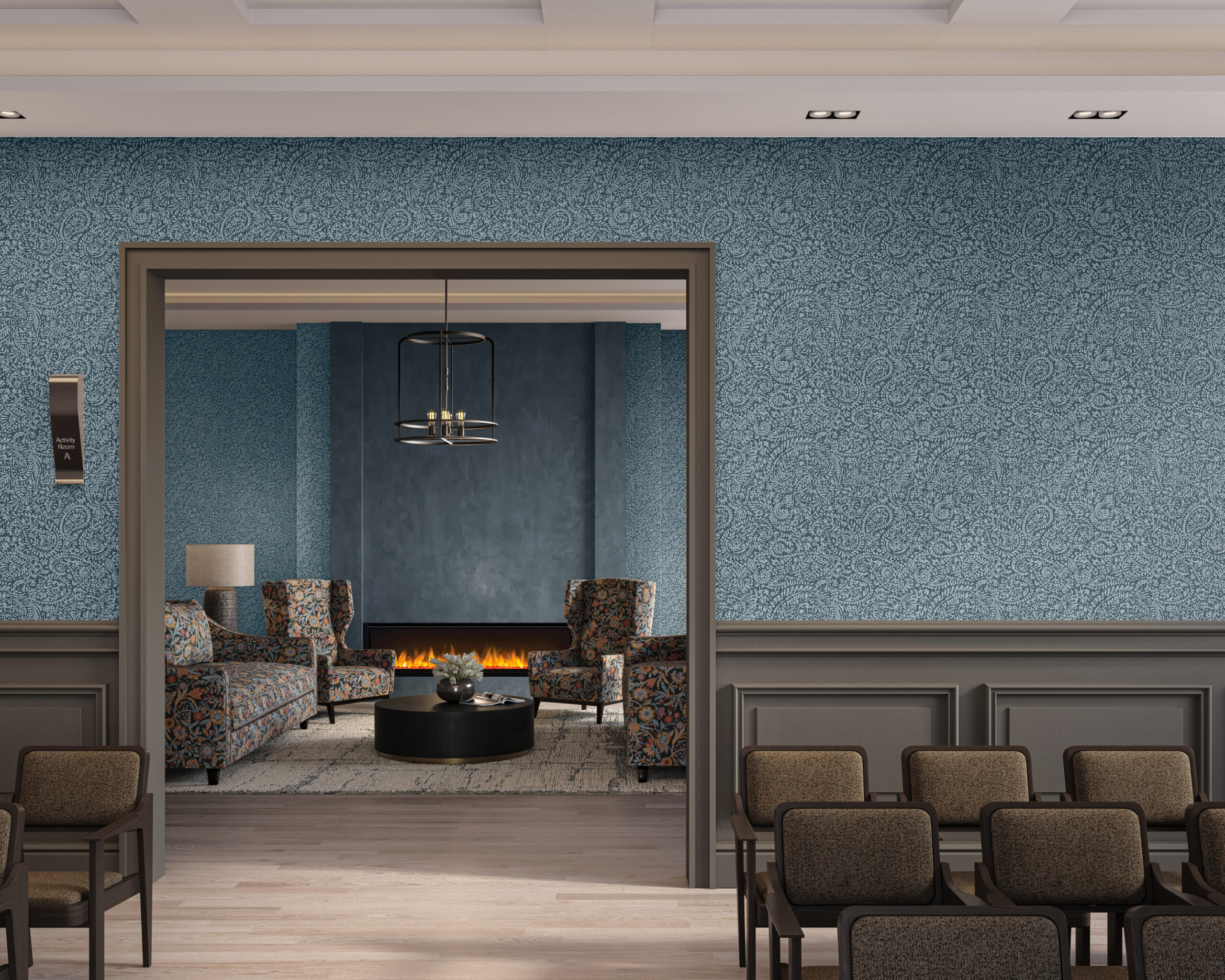
Commercial-grade wallcoverings provide design flexibility with the durability required in restaurant settings. Vinyl wallcoverings rated for high-traffic commercial use resist stains, moisture and abrasion while offering a wide range of patterns and textures. A feature wall behind a banquette or at the back of the dining room anchors the space visually.
Browse wallcovering collections to find finishes that align with your restaurant concept, from rustic textures to sophisticated metallics.
Practical Wall Considerations
Walls adjacent to dining tables take a beating from chair backs, handbags and food splashes. Apply durable finishes at least 1.2 metres from the floor in these areas. Wainscoting, timber cladding or a robust vinyl wallcovering on the lower wall protects against wear while adding a design element.
Acoustic Design
Noise levels make or break a dining experience. A buzzing atmosphere is desirable, but excessive noise that forces diners to shout is not. Hard surfaces like concrete, glass and timber amplify sound, while soft materials absorb it.
Acoustic strategies for restaurants include:
- Upholstered banquette seating and padded chairs
- Acoustic ceiling panels or baffles concealed within the ceiling design
- Fabric wall panels or heavy curtains that absorb sound reflections
- Carpet or acoustic-backed flooring in specific zones
The target noise level for casual dining is approximately 70-75 dB, while fine dining should aim for below 65 dB. Your interior designer or acoustic consultant can model expected noise levels based on the room’s geometry and material selections.
Furniture and Upholstery
Restaurant furniture endures constant use. Chairs are dragged across floors, tables are wiped down repeatedly and upholstery is exposed to food spills and body oils. Specify furniture rated for commercial use with reinforced joints and commercial-grade upholstery fabrics.
Upholstery fabrics for restaurant seating should have:
- Abrasion resistance of 50,000+ Martindale rubs
- Stain-resistant treatment or inherent stain resistance
- Fire retardancy certification
- Cleanability with commercial cleaning products
Vinyl and faux leather upholstery are practical for high-turnover casual dining. For higher-end concepts, performance fabrics that combine the look and feel of natural textiles with commercial durability are available from specialist suppliers.
Lighting and Ambience
Lighting design defines mood more powerfully than any other single element. During the day, maximise natural light through glazing and light-coloured finishes. In the evening, layered artificial lighting creates the intimacy that diners expect.
Dimmable warm-tone lighting (2200-2700K) is standard for restaurant environments. Decorative pendant lights above tables provide both task lighting and visual punctuation. Indirect lighting from cove details and backlit shelving adds depth and warmth without harsh direct light.
Final Thoughts
A restaurant renovation in Singapore is a complex project that must satisfy regulators, operators and diners simultaneously. The most successful restaurant interiors balance a compelling atmosphere with materials that perform under the demanding conditions of commercial food service.
Invest in durable, maintainable surfaces, design for efficient operations and create an environment that makes guests want to return. The renovation is not just about how the restaurant looks on opening night, but how it looks and functions thousands of services later.