Interior Design
Shophouse Renovation and Interior Design in Singapore
The Appeal of Shophouse Living in Singapore
Singapore’s shophouses are among the most characterful residential properties in the city. Built primarily between the 1840s and 1960s, these narrow, deep terrace houses reflect a rich architectural heritage that spans Malay, Chinese, Indian, and European influences. Today, restored shophouses are highly prized as homes, offices, and mixed-use spaces.
Renovating a shophouse is a deeply rewarding but complex undertaking. These buildings come with unique structural characteristics — party walls, air wells, jack roofs, and elaborate facades — that require specialist knowledge to preserve and restore. At the same time, the interiors must be updated to meet contemporary standards of comfort and functionality.
Whether your shophouse is a gazetted conservation property or an ungazetted unit, understanding the architectural DNA of the building is the foundation of any successful renovation.
Conservation Guidelines and Renovation Scope
Shophouse renovation in Singapore is governed by the Urban Redevelopment Authority (URA), which classifies conservation shophouses into different categories. The level of conservation required depends on the classification and affects what changes you can make to the exterior and, in some cases, the interior.
Generally, the front facade and roof form of a gazetted shophouse must be retained and restored. Interior modifications are typically permitted, provided they do not compromise the structural integrity of the building. However, specific elements such as original timber staircases, floor tiles, or plasterwork may be subject to retention requirements.
Before commencing any renovation, obtain the necessary approvals from URA and, if applicable, the Building and Construction Authority (BCA). Engaging an architect experienced in conservation work is highly advisable, as the approval process can be intricate.
Even where conservation rules do not mandate retention of interior features, many homeowners choose to preserve original elements as a design decision. Integrating heritage details with modern finishes creates the distinctive charm that makes shophouse living so appealing.
Working with the Shophouse Layout
The typical shophouse is narrow — often just four to six metres wide — but remarkably deep, extending 20 to 30 metres from front to back. This elongated floor plan presents both challenges and opportunities for interior design.
Natural light is the primary challenge. With windows only at the front and rear, and party walls on both sides, the middle sections of a shophouse can be quite dark. The traditional solution is the air well — an internal courtyard that brings light and ventilation into the heart of the building. If your shophouse has an air well, preserving or restoring it should be a priority.
The narrow width means that rooms are arranged sequentially rather than side by side. This linear arrangement can be turned into an advantage by creating a journey through the home, with each room offering a different experience. Flooring can reinforce this narrative — transitioning from one material or pattern to another as you move from the formal front rooms to the more relaxed rear living spaces.
Vertical circulation is another key consideration. Original timber staircases are often steep and narrow. While these can be retained as a heritage feature, building regulations may require modifications to meet current safety standards. Consider how flooring materials transition from the ground floor up the stairs and onto the upper levels.
Flooring and Wall Finishes for Heritage Spaces
Material selection in a shophouse renovation requires sensitivity to the building’s character. The goal is to create a dialogue between old and new, rather than overwhelming the heritage fabric with contemporary finishes.
Many shophouses retain original encaustic or Peranakan-style floor tiles, particularly in the front reception rooms. These tiles are valuable heritage elements and should be preserved where possible. In areas where original flooring is damaged beyond repair, luxury vinyl tiles can provide a practical replacement that complements the existing finishes.
For new flooring in living areas and bedrooms, timber-effect planks suit the warm, textured character of shophouse interiors. The natural variation in grain patterns harmonises with the aged timber beams, window frames, and doors that define these buildings.
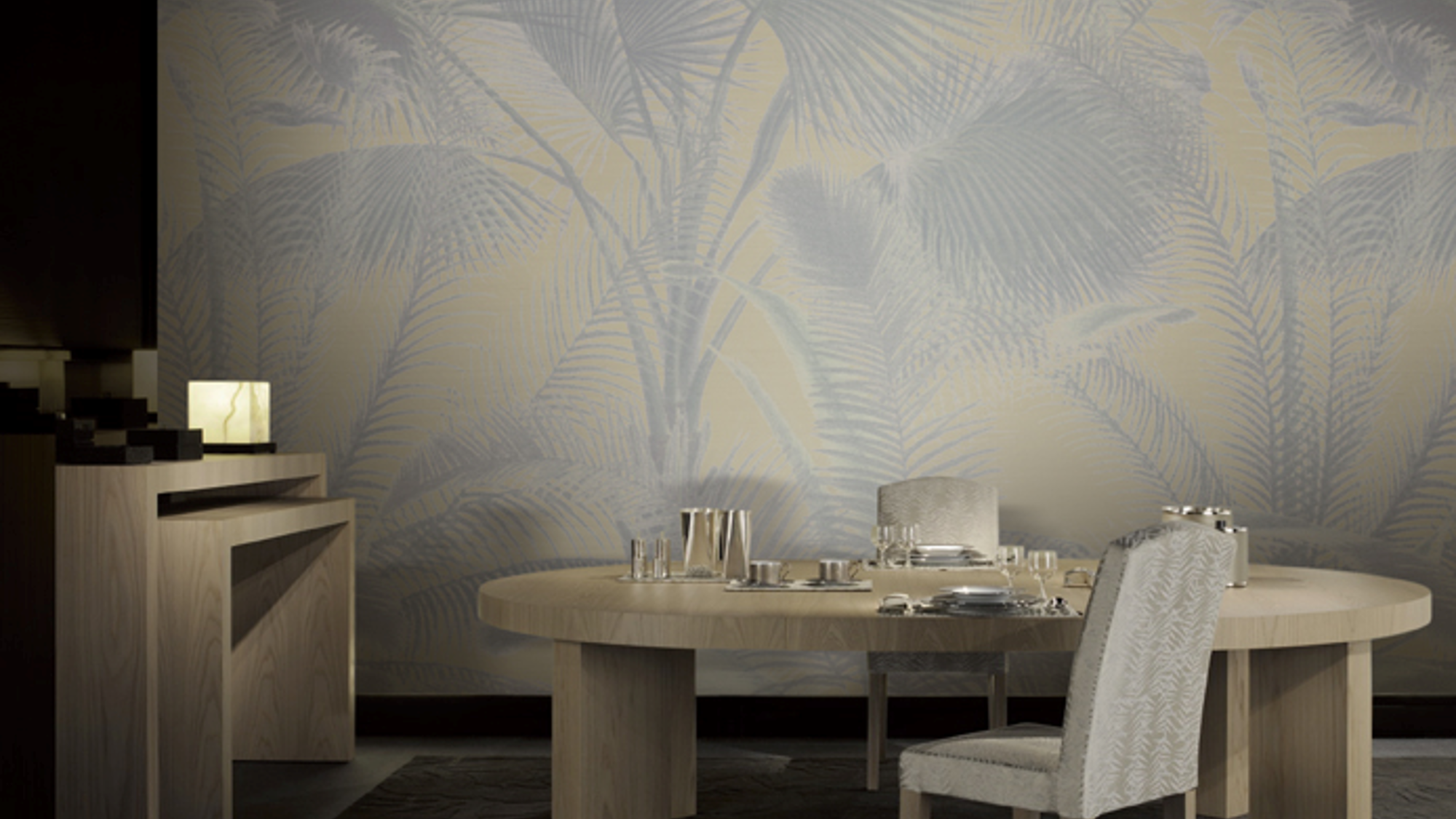
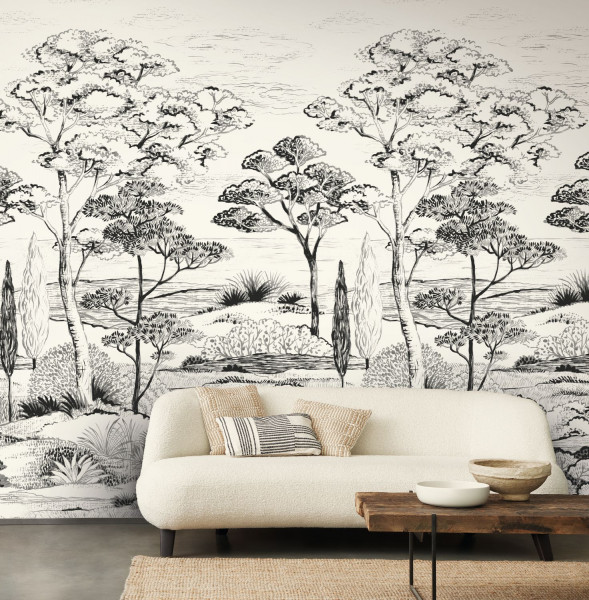
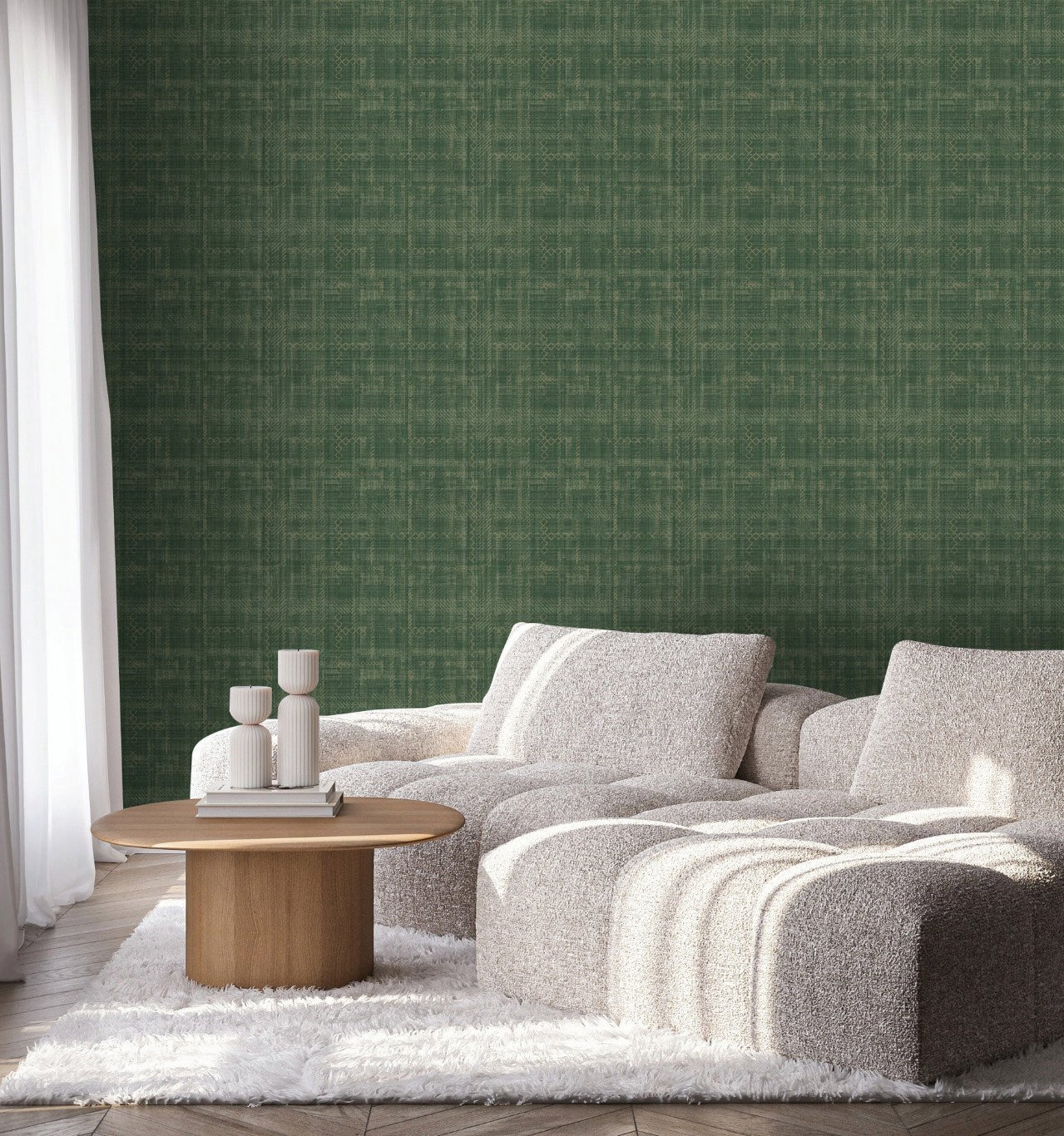
Wall treatments should respond to the condition and character of the existing walls. Exposed brick, where structurally sound and visually appealing, can become a powerful design feature. Plastered walls may benefit from wallcoverings that add texture and warmth — grasscloth or linen-effect wallpapers complement the heritage aesthetic beautifully.
Moisture management is particularly important in shophouses. These buildings were designed for natural ventilation, and the introduction of air conditioning can create condensation issues on walls and floors. Choose materials that can handle moisture fluctuations without deteriorating.
Furnishing and Soft Finishes
The furnishing of a shophouse should balance respect for the building’s heritage with the homeowner’s personal style. There is no single correct approach — some owners opt for period-appropriate furniture and fittings, while others prefer a clean contemporary look that contrasts with the historic shell.
Soft furnishings play an important role in managing the acoustics and comfort of shophouse spaces. Hard surfaces — timber floors, plaster walls, high ceilings — can create echo. Rugs, curtains, and upholstered furniture absorb sound and make the space feel more intimate.
Window treatments require careful consideration. Shophouse windows are often tall and narrow, with distinctive timber shutters or louvres. Curtains should complement rather than compete with these architectural details. Simple, floor-length panels in natural fabrics allow the window frames to remain visible while providing light control and privacy.
Upholstery fabrics should be durable and easy to maintain, particularly in the humid shophouse environment. Look for materials that resist mildew and can be cleaned without specialist treatment.
Modernising Services Without Losing Character
One of the greatest challenges in shophouse renovation is integrating modern services — electrical wiring, plumbing, air conditioning, and data cabling — without compromising the building’s character. Exposed services can work as a design feature in some contexts, but careful routing and concealment are usually preferable in a residential setting.
Air conditioning is essential for comfortable living in Singapore, but the installation must be handled sensitively. Ceiling cassettes or concealed ducted systems minimise visual impact. Ensure that drainage is properly managed to prevent water damage to heritage finishes.
Lighting design can dramatically enhance the atmosphere of a shophouse. The interplay of natural light from the air well with carefully positioned artificial lighting creates depth and drama. Use warm colour temperatures that complement the timber and brick tones typical of these buildings.
Kitchens and bathrooms require the most significant modernisation. While these spaces may depart most obviously from the heritage aesthetic, sympathetic material choices — natural stone, timber cabinetry, brass fittings — can bridge the gap between old and new.
Moisture management deserves particular attention in a shophouse. The elongated layout, party walls, and older construction methods can make these buildings susceptible to damp. Ensure that gutters, downpipes, and drainage systems are in good working order. Interior finishes should be chosen with moisture resistance in mind — vinyl-backed wallcoverings and luxury vinyl flooring handle humidity far better than untreated paper or natural timber in these environments.
Security and climate control at the front and rear of the shophouse require thought. The traditional shophouse front, with its five-foot way and large openings, presents different security considerations from a standard residential entrance. Modern solutions such as discreet security grilles and automated louvres can address these concerns while preserving the architectural character of the facade.
Browse our e-catalogue for the latest designs. Discover flooring, wallcoverings, and fabrics suited to shophouse interiors at Goodrich Global.