Articles / Carpet & Flooring / Commercial Interiors
Slip Resistant Vinyl Flooring: Commercial Kitchen Safety and Performance Guide

Introduction: Why Flooring Is a Safety-Critical System in Commercial Kitchens
In commercial kitchens, slips are one of the leading causes of workplace injuries. Fast-paced movement, sharp tools, and hot equipment mean that even a minor fall can result in serious harm, downtime, or liability. Flooring is therefore not a background design choice. It is a core safety component that directly affects how kitchens function day to day.
Commercial kitchens operate under constant stress. Grease splashes from cooking lines, water from cleaning cycles, heat from equipment, and the speed at which staff move all combine to create high-risk conditions. Floors must perform reliably under these pressures without becoming hazardous or difficult to maintain.
This is where slip resistant vinyl flooring plays a critical role for commercial kitchens. Designed to provide consistent traction while supporting hygiene and durability requirements, slip resistant vinyl flooring commercial kitchen applications function as both a safety control and an operational support system in demanding food service environments.
The Real Slip Risks Inside Commercial Kitchens
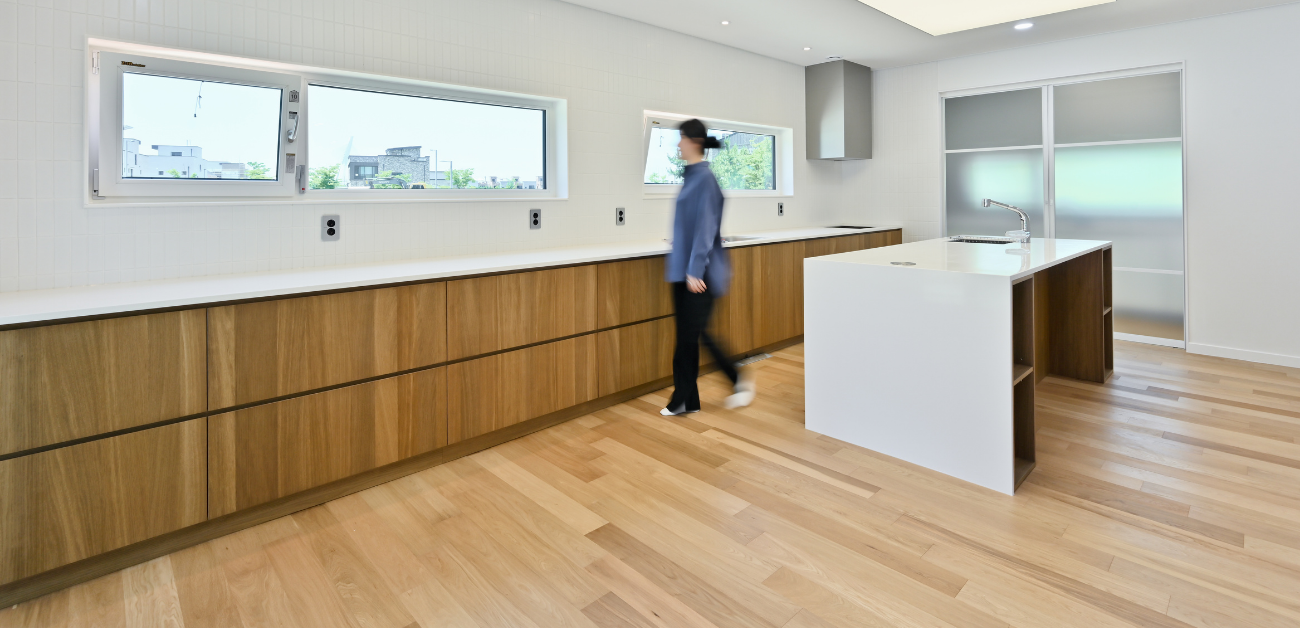
Commercial kitchens face slip risks that are more severe than most workplaces. Grease from cooking areas can spread across floors as staff move between stations, while regular cleaning introduces water and detergents. Food spills are also common during preparation and service. Together, these conditions make safe footing difficult to maintain, which is why slip resistant vinyl flooring is increasingly specified for commercial kitchens.
Layout and workflow also increase risk. Commercial kitchens are often tightly planned to maximise efficiency, leaving little space for error. Staff move quickly while carrying hot items, sharp tools, or heavy loads, often multitasking under pressure. Any loss of traction can result in immediate injury or disruption to service.
Compared to other commercial spaces, kitchens have higher incident rates because hazards are continuous rather than occasional. Spills are expected, not exceptions. Flooring must perform consistently in wet and greasy conditions, not just look safe. This makes slip resistant vinyl flooring a practical response to the real, ongoing risks present in professional food service environments.
What ‘Slip Resistant’ Means in Commercial Kitchen Flooring
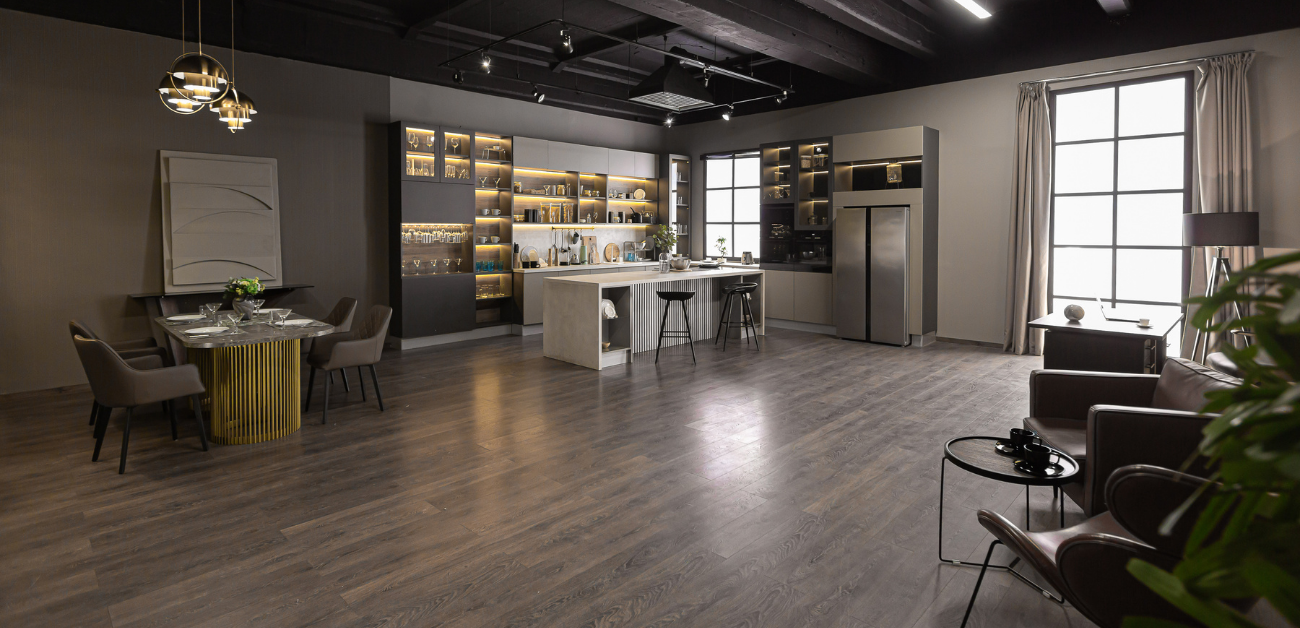
In a commercial kitchen, the term ‘slip-resistant’ refers to how well a floor performs in real working conditions -not how it looks or feels underfoot. Slip resistance is about maintaining grip when the floor is exposed to everyday hazards such as water, grease, and cleaning chemicals, rather than ideal, dry conditions.
Kitchen floors are rarely dry for long. Water from washdowns, oil splashes from cooking, and soapy residues from cleaning all reduce traction. Slip-resistant vinyl flooring is designed to maintain grip in these demanding conditions, helping staff move safely and confidently in fast-paced environments.
Surface texture is often misunderstood. While rough or heavily textured floors may appear safer, texture alone does not guarantee slip resistance. In fact, very rough surfaces can become slippery when grease fills the grooves. They may also trap dirt and bacteria, making cleaning more difficult and less effective.
Effective slip resistant vinyl flooring helps to balance tested traction, cleanability, and durability, ensuring safety without creating new operational or hygiene problems.
Why Vinyl Flooring Performs Well in Commercial Kitchens
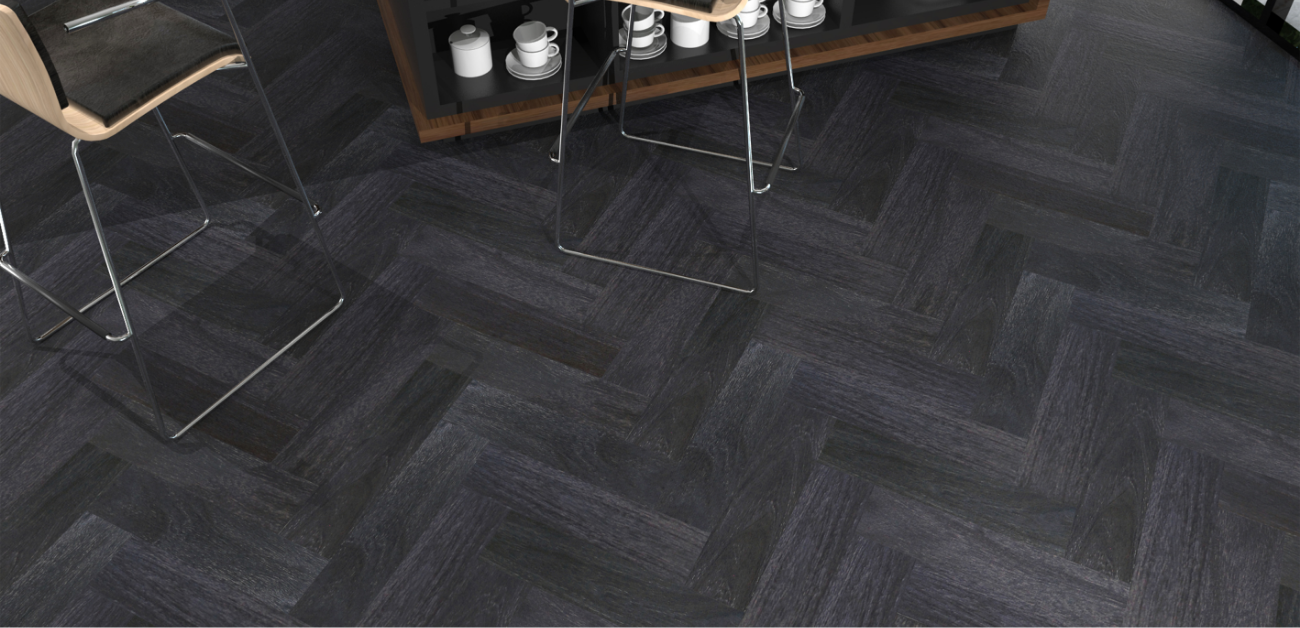
Commercial kitchens demand flooring that supports strict hygiene and food safety standards while withstanding constant use. Vinyl flooring performs well in these environments because it is non-porous, preventing liquids, grease, and food particles from penetrating the surface. This characteristic helps reduce bacterial growth and supports effective cleaning routines.
Seamless installation is another key advantage. Vinyl flooring can be installed with heat-welded seams and integrated coving, creating continuous surfaces that eliminate gaps where moisture and contaminants can collect. This moisture tolerance is essential in kitchens where washdowns and spills are routine. Slip resistant vinyl flooring commercial kitchen solutions maintain structural integrity even under frequent exposure to water and cleaning agents.
Vinyl is also compatible with engineered slip-resistant surfaces. Manufacturers can incorporate surface treatments that improve traction without compromising hygiene or cleanability. This allows kitchens to achieve safety under wet and greasy conditions while maintaining compliance with food safety requirements. These combined benefits explain why slip resistant vinyl flooring commercial kitchen systems are widely specified in professional food service environments.
Critical Zones Where Slip Resistant Vinyl Flooring Matters Most
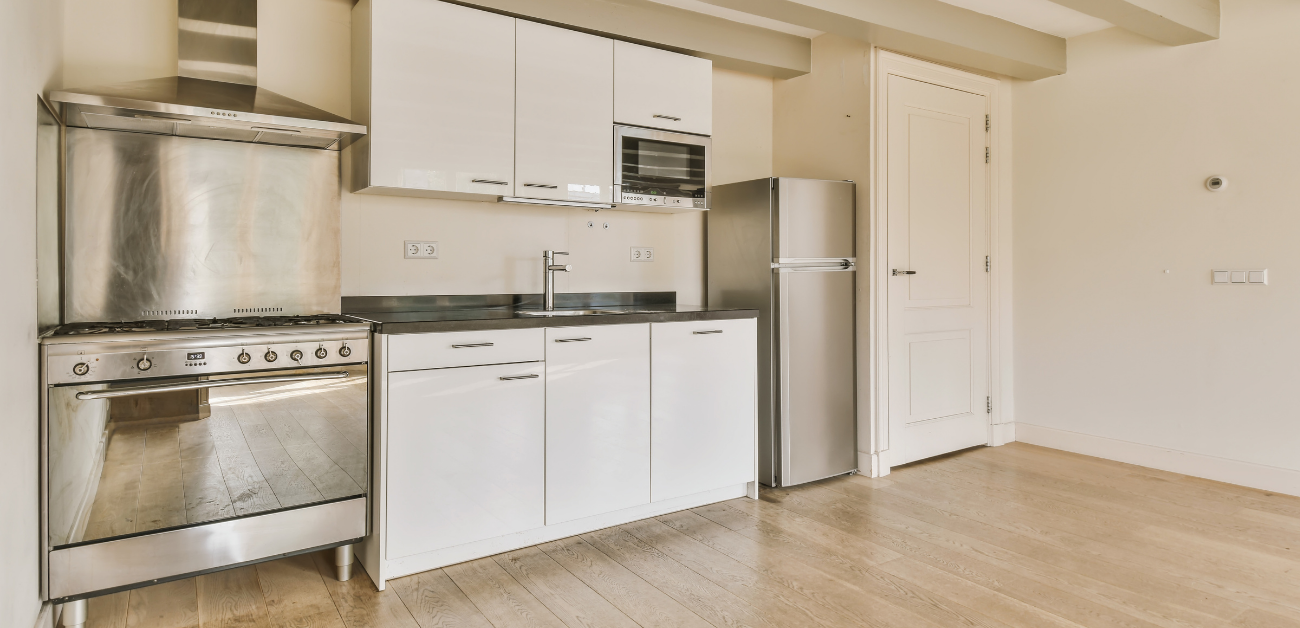
In commercial kitchens, risk is not evenly distributed. Certain zones demand higher performance from flooring due to constant exposure to hazards. Slip resistant solutions are most critical along cooking lines and food preparation stations. These areas experience continuous grease splatter, dropped ingredients, and fast-paced movement, making consistent traction essential for staff safety.
Dishwashing, cleaning, and waste disposal areas present a different but equally serious challenge. Floors here are regularly wet, soapy, and exposed to chemical cleaners. Flooring used needs to maintain grip during washdowns while resisting moisture damage and remaining easy to sanitise.
Cold environments, such as walk-in freezers and cold rooms, introduce additional risks. Condensation, temperature changes, and transition from dry to wet surfaces increase slip potential. Flooring in these zones must perform reliably despite temperature variation. Transition zones between cold storage and prep areas are especially vulnerable.
Entrances between kitchens and service areas also require attention. Staff move quickly between back-of-house and front-of-house spaces, often carrying heavy or hot items. In these high-traffic transition points, slip resistant vinyl flooring commercial kitchen applications help reduce accidents while supporting smooth workflow and operational continuity across the facility.
Balancing Safety with Cleanability and Operational Efficiency
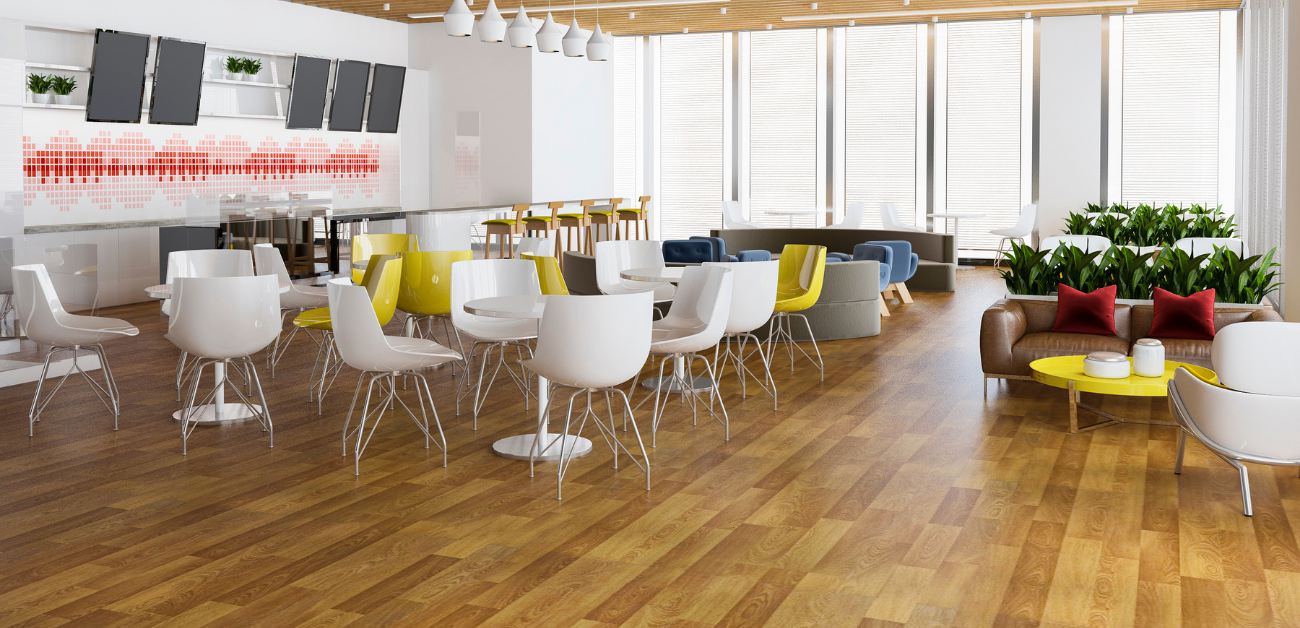
In commercial kitchens, safety and cleanability must work hand in hand. Slip-resistant vinyl flooring helps improve traction, but there is often a balance to strike between grip and ease of cleaning. Floors that are too smooth can become slippery when wet or greasy, while overly rough surfaces may trap dirt, food residue, and cleaning chemicals.
Daily wash-down routines place heavy demands on kitchen flooring. Water, detergents, and sanitisers are applied frequently, sometimes multiple times a day. Slip resistant vinyl flooring is designed to withstand these routines without degrading, discolouring, or losing traction. Properly engineered surfaces allow cleaning teams to work efficiently without compromising safety.
Overly textured floors introduce maintenance risks. Deep grooves can fill with grease, increasing slip potential rather than reducing it. They also require more intensive cleaning, raising labour costs and increasing the likelihood of hygiene issues. Effective slip resistant vinyl flooring focuses on tested performance, balanced texture, and long-term operational efficiency rather than relying on extreme surface roughness alone.
Staff Comfort, Fatigue, and Workflow Considerations

Commercial kitchen staff spend long hours standing, walking, and turning in tight spaces. Over time, hard or unforgiving floors can contribute to joint strain, fatigue, and reduced alertness – factors that increase the risk of mistakes and accidents. For this reason, comfort plays an important role in overall safety and productivity when selecting slip-resistant vinyl flooring for commercial kitchens.
Vinyl flooring provides a level of underfoot resilience that helps absorb impact during long shifts. This added cushioning can reduce physical strain without compromising stability. Well-designed slip-resistant vinyl flooring balances traction with a supportive surface, allowing staff to move confidently while remaining comfortable throughout the day.
Flooring choices also affect how smoothly kitchens operate. Surfaces that are uncomfortable or difficult to move on can slow workflows and increase fatigue. By supporting both comfort and secure footing, appropriate kitchen flooring helps staff maintain efficiency, focus, and consistency during demanding service periods.
Compliance, Regulations, and Liability in Commercial Kitchens
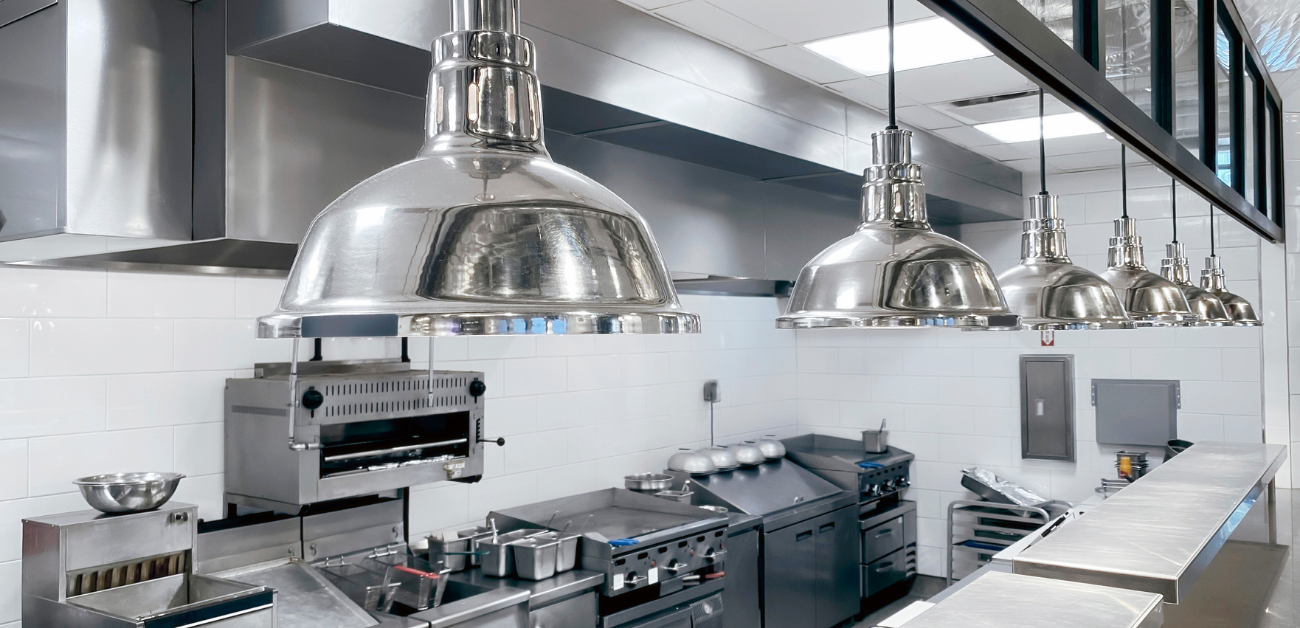
Compliance is a key consideration in commercial kitchen design, especially when it comes to flooring. Health and safety regulations require employers to reduce the risk of slips and falls wherever possible. In kitchens, where wet and greasy conditions are common, flooring plays an important role in meeting these obligations. Slip-resistant vinyl flooring is often specified as part of a proactive approach to managing workplace safety risks.
Food hygiene standards add another layer of responsibility. Kitchen floors must support effective cleaning, resist moisture, and avoid surface conditions that allow bacteria to build up. During inspections, assessors look not only at cleanliness but also at the condition and suitability of flooring materials. Well-designed slip-resistant vinyl flooring helps meet these expectations while maintaining safe performance during daily operations.
Using materials with proven and documented performance can also reduce legal and operational risk. Verified slip-resistance testing, compliance certifications, and manufacturer documentation help organisations demonstrate due diligence. In the event of an incident, specifying compliant slip-resistant flooring can support risk mitigation and reduce exposure to claims, enforcement actions, or operational disruptions.
Long-Term Value: Maintenance, Downtime, and Replacement Cycles
In commercial kitchens, long-term value is measured by how reliably flooring performs under constant use without disrupting daily operations. Slip-resistant vinyl flooring is designed to reduce both repair frequency and unplanned downtime. Unlike brittle surfaces that can crack or chip, vinyl absorbs impact and resists surface damage, helping minimise the need for urgent repairs.
Replacement considerations are also important. Fully replacing a kitchen floor can be highly disruptive, often requiring partial or complete shutdowns. Slip-resistant vinyl flooring systems support phased upgrades, allowing sections to be replaced during scheduled maintenance periods without stopping kitchen operations entirely.
When compared with other flooring options, vinyl offers clear cost and operational advantages. Tiles are durable but can suffer from grout failure and become slippery when wet. Epoxy coatings may perform well but often require long curing times and extended shutdowns. Rubber flooring improves comfort but can struggle with grease and staining. Slip-resistant vinyl flooring balances durability, cleanability, and installation efficiency, delivering stronger long-term operational value for commercial kitchens.
Conclusion: Choosing Slip Resistant Vinyl Flooring for Commercial Kitchen Safety
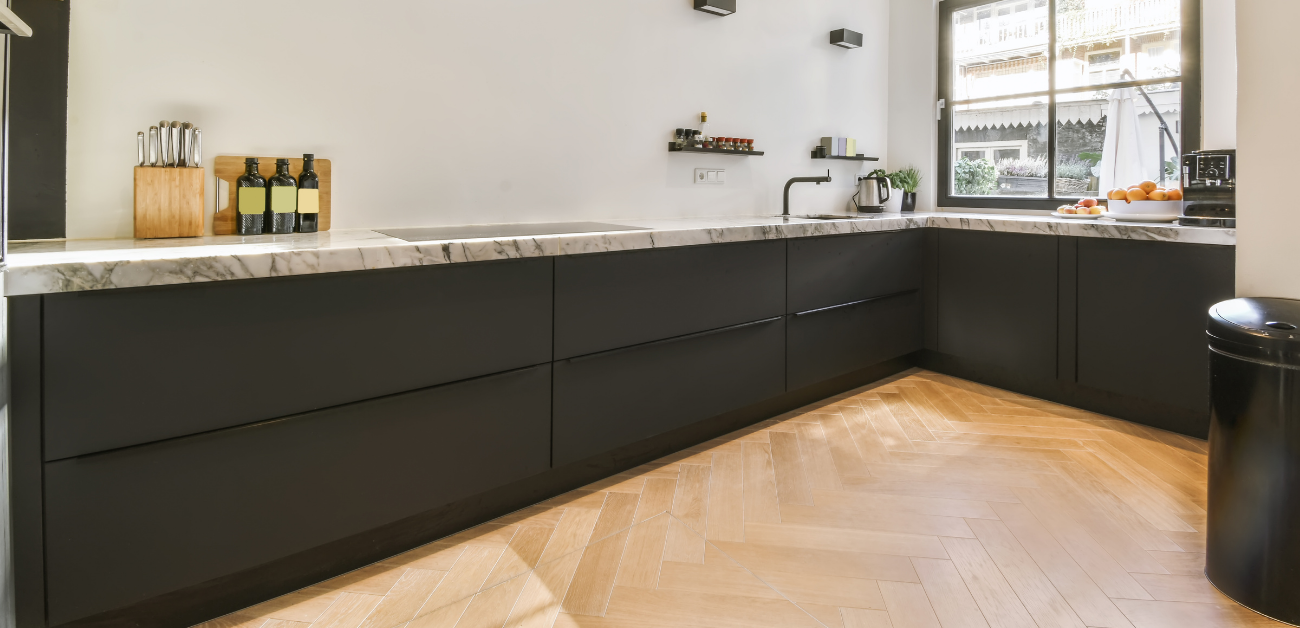
In commercial kitchens, flooring decisions have a direct impact on safety, efficiency, and long-term operational resilience. The right flooring does more than reduce slip risk-it supports staff movement, simplifies hygiene management, and helps kitchens perform reliably under constant pressure. Slip resistant vinyl flooring meets these demands by combining traction, durability, and cleanability in environments where failure is not an option.
Rather than selecting flooring based on upfront price alone, informed decisions prioritise tested performance, cleanability, compliance, and long-term operational impact. Flooring that performs consistently under wet and greasy conditions protects both people and operations. Within the wider commercial kitchen flooring landscape, Goodrich Global works with operators, designers, and facility teams who require performance-driven solutions aligned with real-world conditions. For kitchens where safety, compliance, and long-term value matter, engaging the right flooring partner is a critical first step toward building a safer, more resilient operation