Fabric & Upholstery
Smart Blinds in Singapore: Automated Window Solutions
Why Smart Blinds Are Gaining Traction in Singapore
Smart blinds — motorised window treatments that can be controlled via app, voice command, or automated schedules — have moved from luxury novelty to practical home upgrade. In Singapore, where strong tropical sunlight pours through windows for much of the day, the ability to manage blinds remotely or on a timer solves a genuine problem.
Consider a west-facing HDB living room. By mid-afternoon, the sun turns the space into a greenhouse. With smart blinds, you can schedule them to close at 2 pm and reopen at 6 pm — no manual intervention needed. The result is a cooler room, lower air-conditioning bills, and furniture that fades more slowly.
Singapore’s high smartphone penetration and growing smart home ecosystem make the technology particularly accessible here. Most smart blind systems work with platforms that homeowners already use, removing the barrier of learning an entirely new system.
Types of Smart Blinds Available
Smart blinds come in several forms, each suited to different window types and interior styles:
- Motorised roller blinds: The most common type. A compact motor inside the roller tube raises and lowers the fabric. Clean lines suit modern HDB and condo interiors.
- Motorised venetian blinds: Horizontal slats that tilt and raise electronically. Offer precise light control — you can angle slats to redirect sunlight towards the ceiling for diffused illumination.
- Motorised honeycomb blinds: Cellular construction provides excellent insulation. The motorised version eliminates dangling cords, making them a safer choice for homes with young children.
- Motorised curtain tracks: Not blinds in the traditional sense, but motorised tracks that open and close curtains. Ideal for homeowners who prefer the softness of drapery fabric with the convenience of automation.
Retrofit smart blind kits are also available. These attach a small motor to existing blinds or curtain rods, converting manual window treatments to automated ones without replacing the entire unit.
Smart Home Integration and Control Options
The value of smart blinds multiplies when they connect to a broader smart home setup. Here is how the main platforms compare for blind control in Singapore:
| Platform | Voice Control | Scheduling | Scene Automation | Local Singapore Support |
|---|---|---|---|---|
| Apple HomeKit | Siri | Yes | Yes | Good |
| Google Home | Google Assistant | Yes | Yes | Good |
| Amazon Alexa | Alexa | Yes | Yes | Moderate |
| Zigbee/Z-Wave hubs | Via hub | Yes | Advanced | Niche |
Most smart blind manufacturers offer their own dedicated app for basic control. The real convenience comes from integrating blinds into scenes — for example, a “Good Morning” scene that opens the bedroom blinds, turns on the kitchen lights, and starts the coffee machine, all triggered by a single voice command or scheduled time.
For condominiums with home automation panels pre-installed during construction, check whether the system supports standard protocols like Zigbee or Wi-Fi. Compatibility issues are the most common frustration homeowners encounter with smart blinds.
Power Options: Wired vs Battery
Smart blinds need power, and the source matters more than most buyers realise at the outset.
Wired motors connect to your home’s electrical system. They offer reliable, uninterrupted operation and are the best choice for new builds or major renovations where wiring can be concealed within walls or ceiling voids. Most new BTO flats can accommodate wiring during the renovation phase if planned early.
Battery-powered motors are far easier to install — no electrician required. However, batteries need recharging or replacing every three to twelve months depending on usage frequency. For a home with ten windows, managing battery life across all units can become tedious.
Solar-powered options use a small panel attached to the window glass to recharge an internal battery. In Singapore’s sunny climate, these work reliably for most window orientations, though north-facing windows may receive insufficient light during certain months.
If you are renovating and have the opportunity to run wiring, wired motors are the more dependable long-term solution. For existing homes where opening walls is not feasible, battery or solar options provide a practical workaround.
Cost Considerations for Singapore Homes
Smart blind pricing in Singapore varies significantly based on the type, size, and integration level. Here is a general guide:
| Component | Estimated Cost (SGD) |
|---|---|
| Motorised roller blind (per window) | $300–$800 |
| Motorised curtain track (per window) | $400–$1,000 |
| Retrofit motor kit | $150–$400 |
| Smart hub (if required) | $80–$200 |
| Professional installation (per window) | $50–$150 |
For a typical 4-room HDB flat with five to six windows, expect a total outlay of $2,000 to $5,000 for a full smart blind setup including installation. Costs come down if you opt for retrofit kits on existing blinds rather than full replacements.
The energy savings from automated blind schedules — particularly reduced air-conditioning usage — can offset a portion of the investment over time, though the primary benefit for most homeowners is convenience rather than direct cost recovery.
Installation and Practical Tips
Before committing to smart blinds, measure your window recesses carefully. Motorised roller blinds require slightly more depth than manual versions to accommodate the motor housing — typically an additional 3 to 5 cm. In some older HDB flats with shallow window recesses, face-mounting (outside the recess) may be necessary.
Ensure your Wi-Fi coverage reaches every window where smart blinds will be installed. Thick concrete walls in HDB flats can create dead zones. A Wi-Fi mesh system or signal repeater near problem windows resolves most connectivity issues.
Group blinds by room or orientation in your control app. This allows you to close all west-facing blinds simultaneously rather than adjusting each one individually. Most apps support grouping, and it dramatically improves the day-to-day experience.
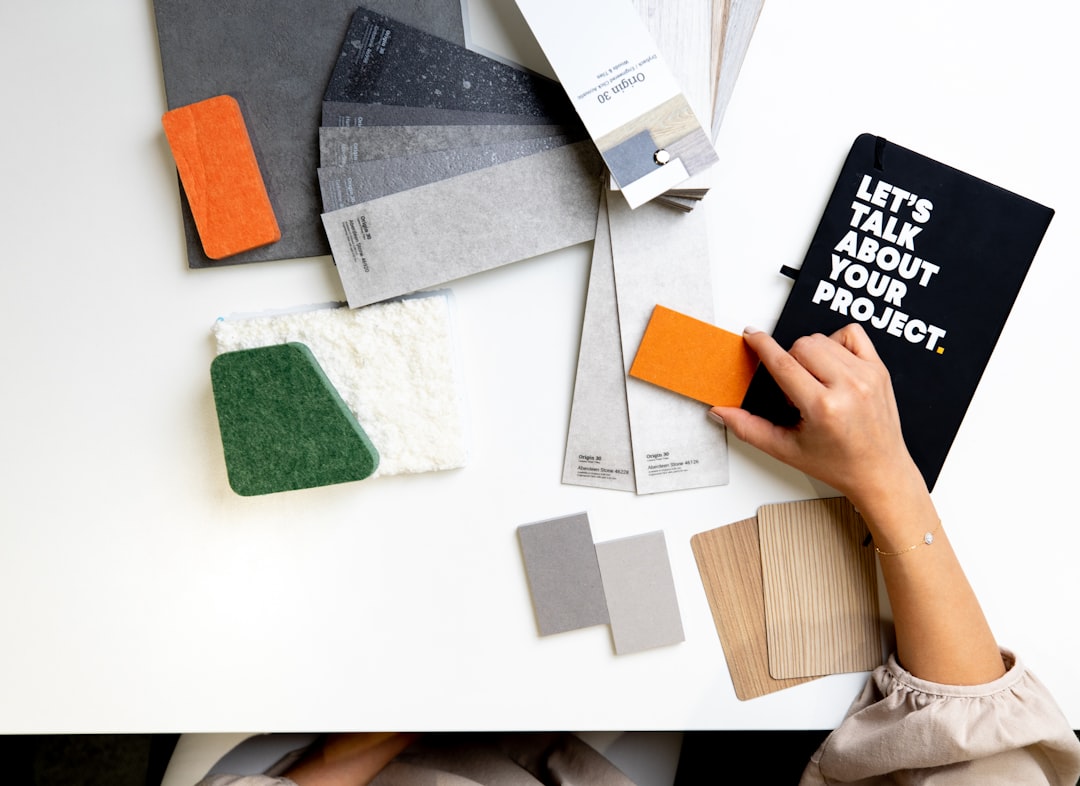
Choosing Fabrics for Smart Blinds
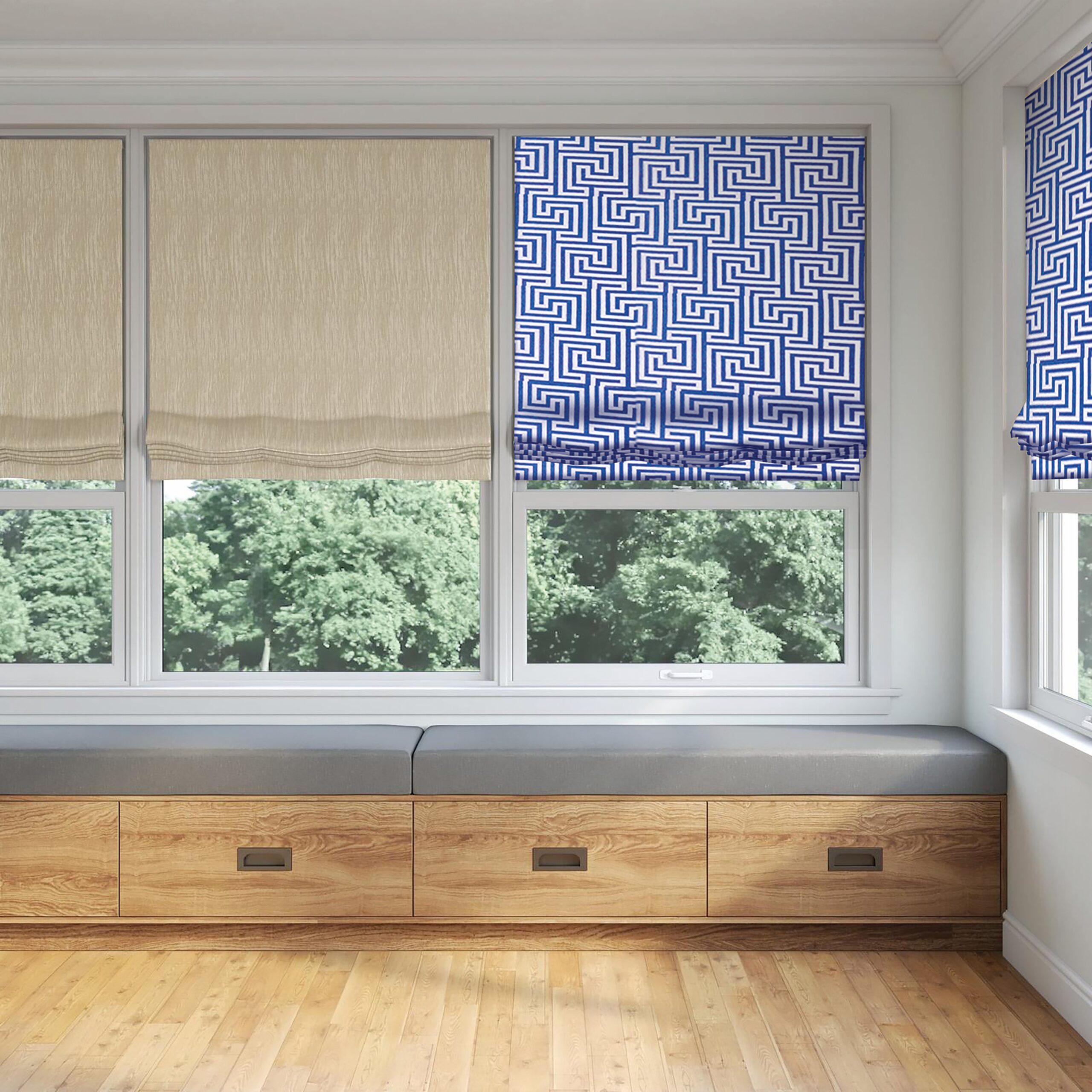
The fabric or material you select for your smart blinds affects both performance and aesthetics. Since the motor handles operation, you have more flexibility to choose heavier or denser fabrics that might be cumbersome with manual blinds.
Sunscreen fabrics are the most popular choice for smart roller blinds in Singapore living rooms. These woven polyester or fibreglass fabrics block a percentage of UV rays and solar heat while maintaining outward visibility. An openness factor of 3% to 5% provides a good balance — enough view-through to enjoy the scenery, enough filtration to reduce glare on screens and protect furniture from fading.
Blackout fabrics are essential for bedrooms. When paired with smart scheduling, a blackout blind can close automatically at bedtime and open at your preferred wake-up time, simulating a natural dawn even in a fully darkened room. For shift workers or families with young children who nap during the day, this automated light control is transformative.
Dual or day-night fabrics combine alternating bands of opaque and sheer material. By adjusting the alignment of the bands — easily done with a motorised system — you can shift between filtered light and full privacy without raising or lowering the blind. These are particularly effective in living and dining rooms where light requirements change throughout the day.
Consider how the fabric interacts with the motor’s weight capacity. Most residential smart blind motors handle fabrics weighing up to 4 kg per square metre comfortably. Heavier materials like thick blackout fabrics on large windows may require upgraded motors with higher torque ratings.
Maintenance and Troubleshooting
Smart blinds require slightly more attention than manual blinds due to their electronic components, though overall maintenance remains minimal. Dust the fabric or slats monthly using a soft cloth or vacuum attachment to prevent buildup that can interfere with smooth rolling action.
For battery-powered units, set calendar reminders for recharging. Most apps display battery levels, but checking proactively avoids the frustration of discovering a dead blind when guests are arriving. Keep a spare charging cable accessible rather than hunting for one each time.
Wi-Fi disconnections are the most common issue. If a blind stops responding to app commands but still works via its physical button, the problem is connectivity, not the motor. Restarting your router or repositioning a mesh node usually resolves the issue. For persistent dead zones, a dedicated Zigbee hub placed centrally in the home provides more reliable communication than Wi-Fi for smart blind control.
Motor noise that increases over time may indicate dust in the mechanism or battery degradation. A quick wipe of the roller tube ends with a dry cloth often quiets a noisy motor. If the motor slows noticeably, the battery may need replacement — most quality motors offer user-replaceable battery packs.
For homeowners exploring motorised window treatment options, the fabric collection includes materials specifically suited to motorised tracks and automated systems. Request a quotation to get accurate pricing for your specific window configuration.