Commercial Interiors
Spa Interior Design: Creating Tranquil Spaces
Spa interior design must accomplish something that few other commercial environments demand: it must make visitors feel an immediate, physical sense of calm the moment they enter. Every surface, texture, and colour contributes to or detracts from this goal. In Singapore’s competitive wellness market, where spas range from neighbourhood outlets to five-star hotel facilities, the quality of the interior directly influences client perception and willingness to return.
Creating a genuinely tranquil spa environment requires more than soft lighting and essential oils. It requires a material palette chosen with the same precision as the treatments themselves.
Design Principles for Spa Environments
Before selecting specific materials, it helps to establish the principles that guide effective spa interior design. These principles apply whether you are designing a compact urban day spa or a resort destination facility.
- Sensory cohesion: Every element the client sees, touches, and hears should reinforce a consistent mood. Jarring transitions between materials or styles break the spell.
- Warmth over sterility: Clinical cleanliness is essential, but the environment should never feel clinical. Natural textures and warm tones communicate care and comfort.
- Acoustic control: Sound is half the experience. Materials must absorb noise from corridors, equipment, and other treatment rooms to maintain privacy and peace.
- Moisture management: Spas are wet environments. Every material must withstand sustained exposure to humidity, water splashes, and steam without degrading.
Flooring for Wet and Dry Zones
Spa flooring must meet the conflicting demands of beauty, safety, and moisture resistance. The approach differs significantly between wet zones (treatment rooms, showers, pool areas) and dry zones (reception, relaxation lounges, retail areas).
Wet Zone Flooring
In treatment rooms and wet areas, the flooring must be waterproof, slip-resistant, and comfortable underfoot for both therapists and clients. Vinyl sheet flooring with a textured surface provides excellent slip resistance when wet, is fully waterproof, and can be heat-welded at seams to create a continuous, hygienic surface with no gaps for water or bacteria to penetrate.
For shower areas and pool surrounds, the same vinyl sheet approach works well, provided the surface texture rating meets the appropriate slip-resistance classification for barefoot wet use.
Dry Zone Flooring
Reception areas, relaxation lounges, and corridors benefit from luxury vinyl tile in natural stone or warm timber finishes. LVT provides the upscale appearance that premium spa clients expect while being practical to maintain in an environment where water is inevitably tracked from wet to dry areas.
Carpet in relaxation rooms adds warmth and luxury. A plush carpet tile in a neutral tone creates a cocoon-like atmosphere that encourages rest. The acoustic benefit is significant too, as carpet absorbs footfall sound that would otherwise disturb resting clients.
Wall Treatments for Calm and Durability
Spa walls need to create visual serenity while withstanding the humid, moisture-rich environment. Paint alone often fails in spa settings, developing bubbling and peeling within months due to persistent humidity.
Superior alternatives include:
- Vinyl wallcovering: Commercial-grade vinyl wallcovering resists moisture, is wipeable, and comes in a wide range of textures that mimic natural materials such as linen, stone, and wood grain. In treatment rooms, this combination of aesthetics and practicality is ideal.
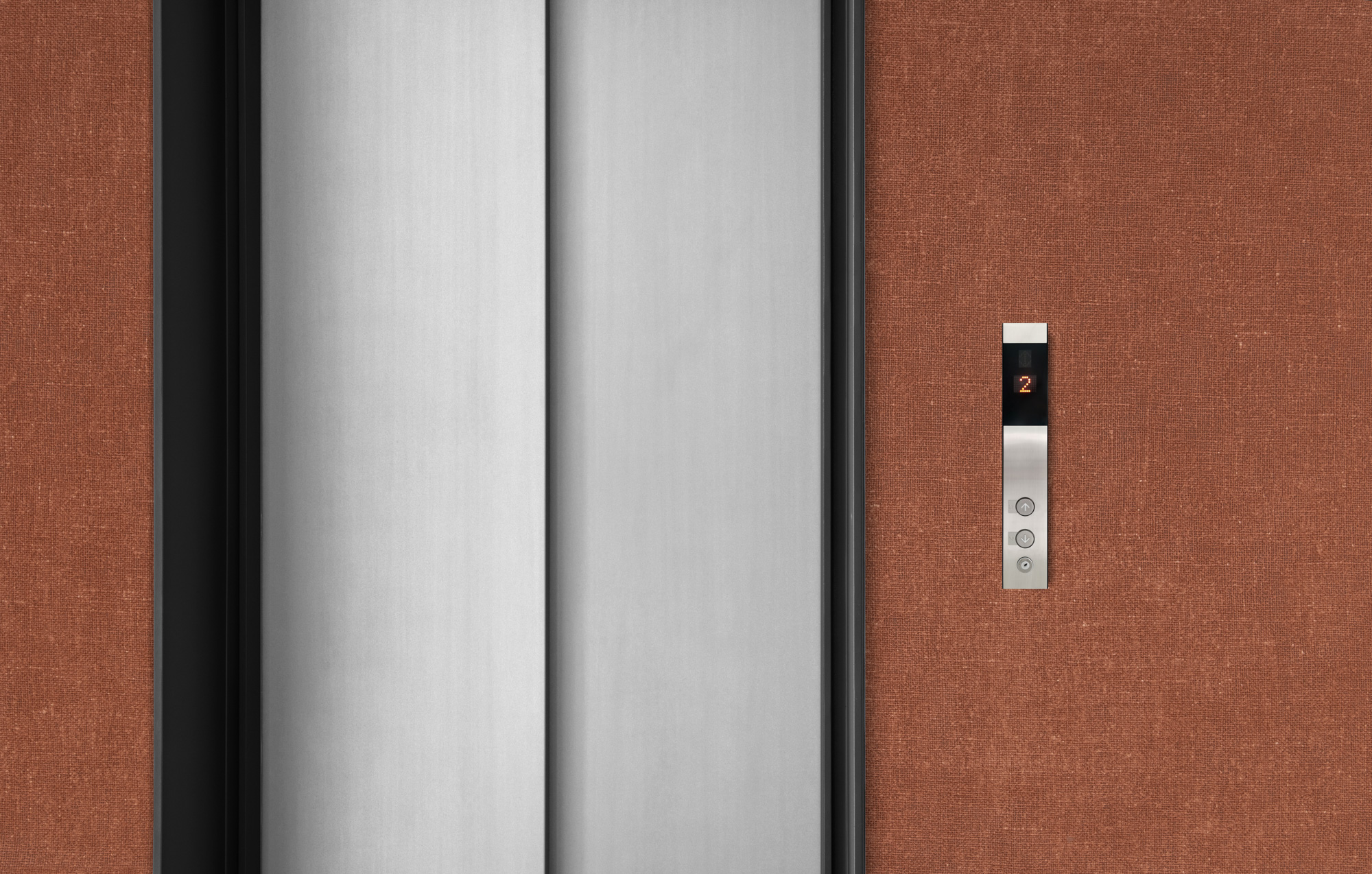
- Textured wallcovering for feature walls: Reception areas and relaxation lounges benefit from a feature wall with a pronounced texture. Grasscloth, woven, or embossed wallcoverings add tactile depth that plain surfaces cannot achieve.
- Acoustic wallcovering: In corridors between treatment rooms, acoustic wall panels or fabric-wrapped wallcovering reduces sound transmission, ensuring that conversations and treatment sounds do not travel between spaces.
Browse the wallcovering collection for moisture-resistant options suitable for wellness environments.
Fabric Choices for the Spa Experience
Fabric in a spa must feel luxurious against the skin while surviving frequent laundering and exposure to oils, creams, and moisture. This dual requirement limits the options but does not eliminate beauty.
Curtains and Drapes
Curtains in treatment rooms serve as space dividers and privacy screens. Choose fabrics that drape well, resist mildew in humid conditions, and can be laundered or replaced easily. Polyester-blend sheers in natural tones allow light to filter softly while maintaining privacy.
In relaxation lounges, heavier drapes in earthy tones create a sense of enclosure and warmth. Performance fabrics with stain-resistant finishes ensure these high-touch elements remain presentable.
Upholstery
Seating in reception and relaxation areas must withstand body oils, lotions, and the occasional spill. Crypton-type performance fabrics or vinyl upholstery in soft, leather-look finishes provide the necessary durability while maintaining a luxury feel. Avoid genuine leather in spa environments, as it deteriorates quickly when exposed to oils and humidity.
Colour and Lighting Strategy
The colour palette of a spa should feel inevitable, as though the tones emerged naturally from the environment rather than being imposed. Nature provides the most reliable guide.
Effective spa colour palettes include:
- Earth and stone: Warm taupe, sandstone, terracotta, and umber create a grounded, organic feel that works across all spa styles.
- Water and sky: Soft blue, pale aqua, and grey-green evoke the calming associations of water and open sky. These work particularly well in wet zones.
- Forest and garden: Sage, moss, olive, and fern tones connect the interior to the natural world, reinforcing the wellness narrative.
Avoid stark white, which feels clinical, and very dark colours in treatment rooms, which can feel oppressive rather than calming. The sweet spot is mid-tone warmth with lighter accents.
Lighting should complement the colour palette by using warm white tones (2700K to 3000K) and dimmable fixtures that allow each space to be adjusted for different treatments and times of day.
Acoustic Design for Privacy and Peace
Acoustic performance is a non-negotiable aspect of spa interior design. Clients paying premium prices for treatments expect privacy and quiet. Sound leakage between treatment rooms is the single most common design complaint in spa environments.
Material-based acoustic strategies include:
- Carpet flooring in corridors and relaxation areas to absorb footfall and trolley noise.
- Acoustic wallcovering on shared walls between treatment rooms to reduce sound transmission.
- Heavy curtain fabric at doorways and window openings to dampen sound reflections.
- Upholstered furniture in waiting areas to absorb ambient noise rather than reflecting it.
These material choices, combined with proper wall construction and door sealing, create the acoustic privacy that defines a premium spa experience.
Final Thoughts
Spa interior design demands a material palette that serves beauty and performance simultaneously. Every surface must contribute to the sense of calm while withstanding the unique challenges of a wet, high-use wellness environment.
The best spa interiors feel effortless, but they are the result of precise material specification. Get the surfaces right, and the atmosphere follows naturally.
Get a free quote for your project today and explore materials designed for luxury wellness spaces.