Articles / Carpet & Flooring
How Stain Resistant Vinyl Roll for School Flooring Supports Clean & Hygienic Learning Environments
Introduction: Why School Floors Face Unique Demands
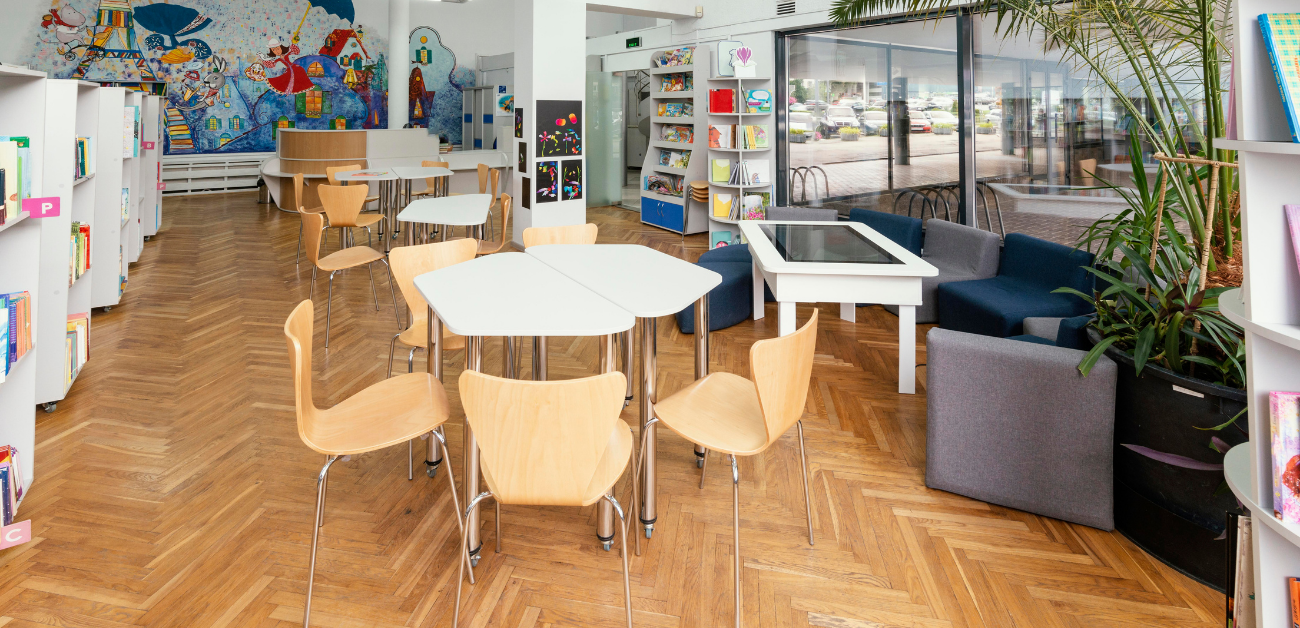
School environments place constant pressure on interior surfaces, and floors experience the greatest strain of all. From early morning arrivals to afternoon activities, students and staff move continuously through classrooms, corridors, and shared spaces. Bags are dragged, furniture is shifted, and spills are part of everyday school life. Unlike many other buildings, schools rarely have extended downtime for repairs or deep maintenance.
Floors also play a key role in how clean and cared for a school appears. Visible stains or worn areas can quickly make spaces feel neglected, even when cleaning routines are consistent. For facility teams, managing appearance under heavy use becomes a daily challenge.
This is why stain resistant vinyl roll for school flooring should be considered an operational necessity rather than a design preference. Flooring that resists staining, supports efficient cleaning, and maintains a consistent appearance helps schools manage wear, control maintenance effort, and provide environments that feel orderly and supportive of learning.
The Reality of Stains and Spills in Schools
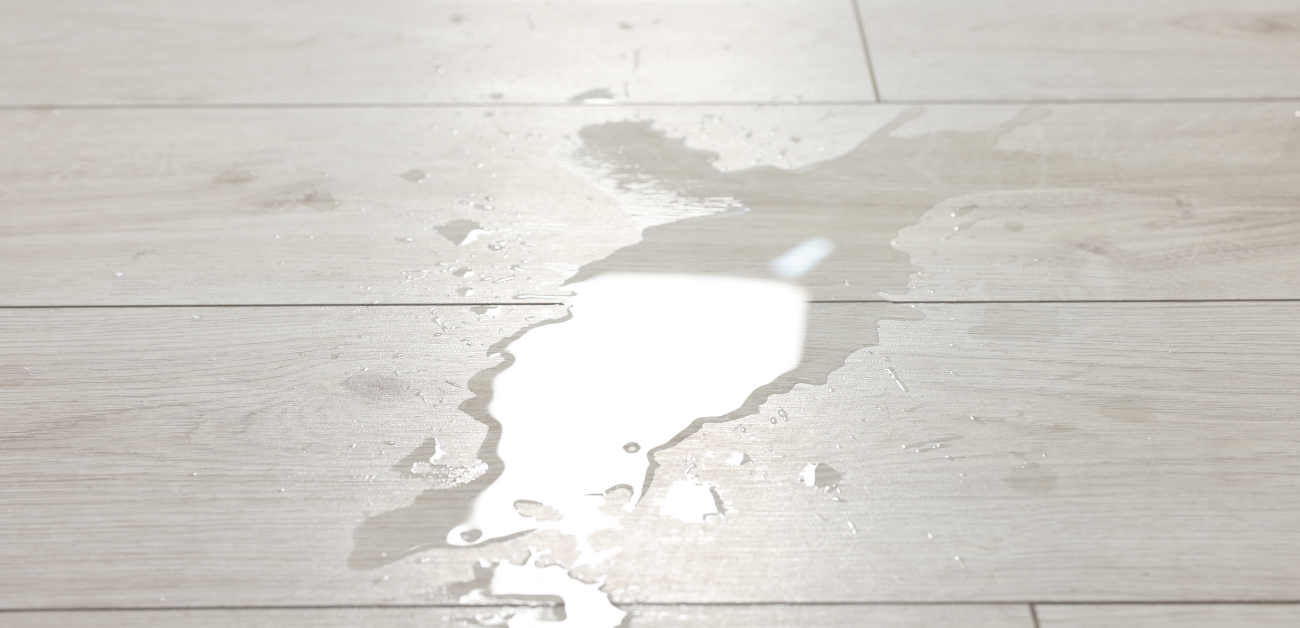
Stains and spills are an unavoidable part of daily life in schools. Food and drink from cafeterias and classrooms, art materials such as paint and ink, and liquids used in science activities regularly come into contact with floors. These substances can leave lasting marks when surfaces are not designed to resist absorption or discoloration.
Student movement adds to the challenge. Heavy foot traffic, bags dragged across floors, and furniture being moved for different activities increase the likelihood of accidental damage. Spills are often discovered after they have already set, especially in busy areas where cleaning cannot happen immediately.
Managing stains becomes a constant task rather than an occasional issue. Floors must perform consistently throughout the day without requiring intensive intervention. This is why stain resistant vinyl roll for school flooring plays a critical role. Flooring designed to resist staining helps schools maintain appearance, reduce cleaning effort, and prevent everyday accidents from becoming long-term maintenance problems.
What ‘Stain Resistant’ Really Means in School Flooring
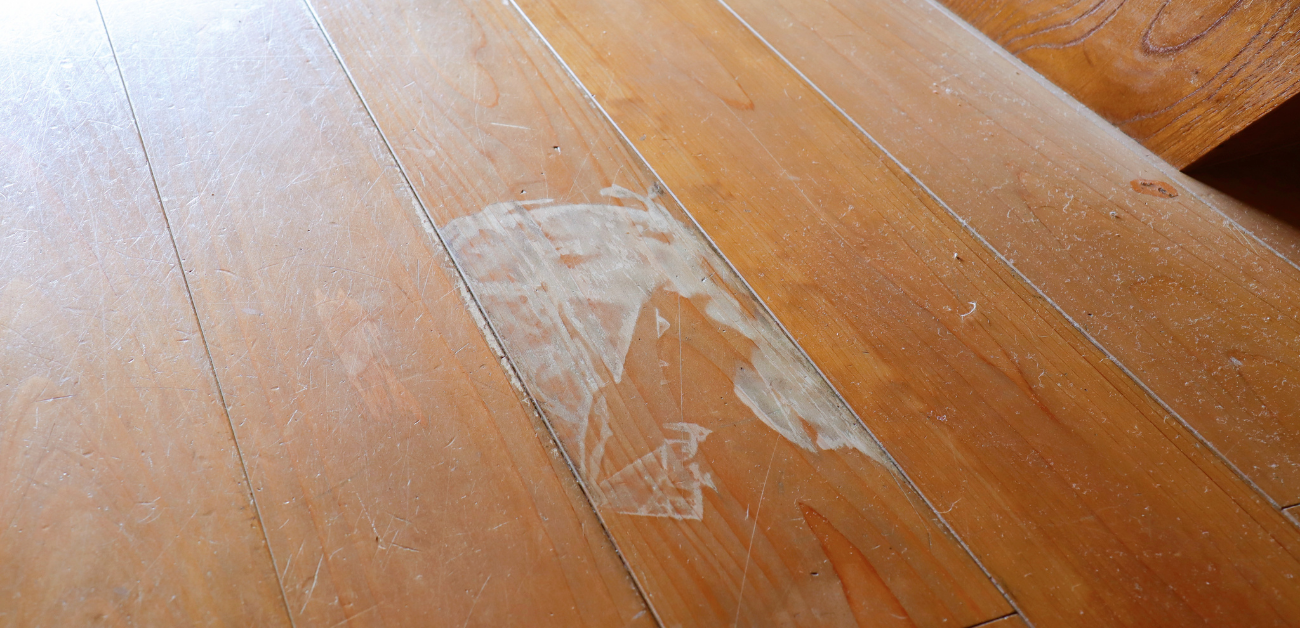
The term ‘stain resistant’ is often misunderstood in educational settings. Some flooring products rely on surface coatings that provide short-term protection but wear down under frequent cleaning and heavy traffic. Once these layers degrade, stains can penetrate more easily, leading to visible discolouration and uneven appearance.
Material-level performance is more reliable. In vinyl roll flooring, stain resistance is influenced by how the material is constructed, not just how it is finished. Dense, non-porous structures limit absorption, while continuous surfaces reduce the areas where liquids can seep in and settle. This makes stains easier to remove before they become permanent.
For stain resistant vinyl roll for school flooring, performance expectations should extend beyond initial appearance. Flooring must resist common school stains, tolerate regular cleaning chemicals, and maintain visual consistency over time. True stain resistance supports long-term maintenance efficiency rather than offering temporary protection at installation.
Why Vinyl Roll Flooring Is Widely Used in Schools
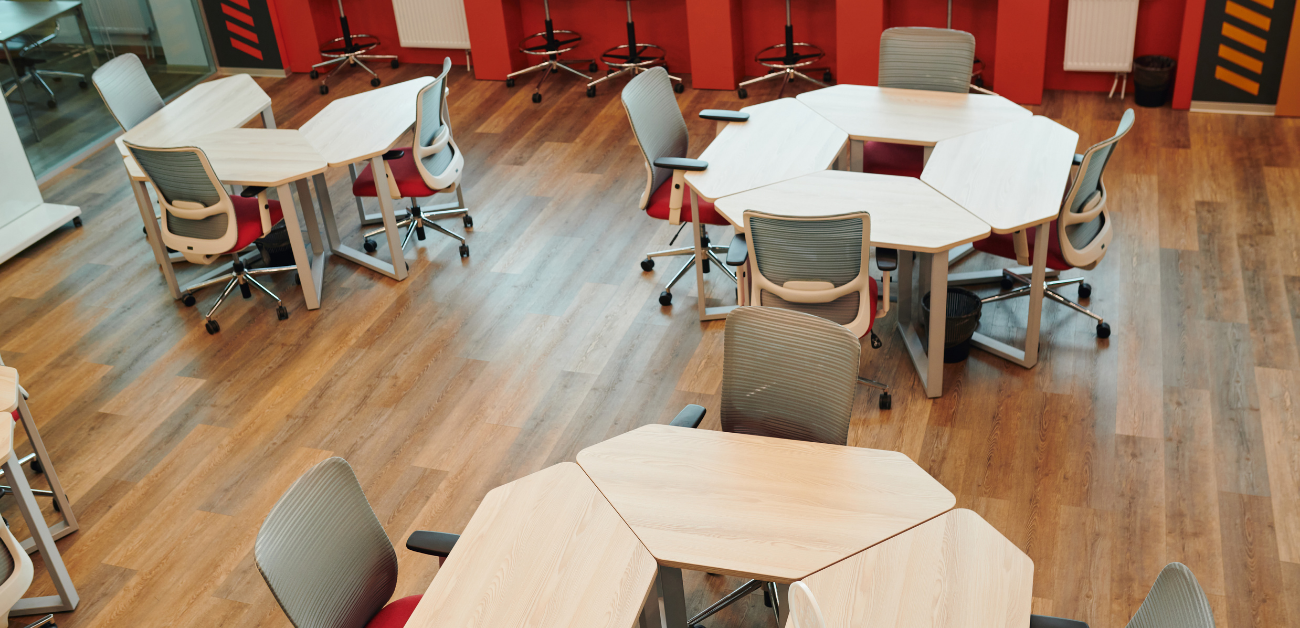
Vinyl roll flooring is widely specified in schools because it addresses many of the practical challenges educational environments face. Seamless installation significantly reduces joints and gaps where dirt, moisture, and spills can collect. Fewer seams make floors easier to clean and help maintain more consistent hygiene across classrooms and circulation areas.
Ease of cleaning is a major advantage. Vinyl roll surfaces allow for quick, effective cleaning with standard maintenance routines, which is critical in schools where time and staffing are limited. The ability to clean efficiently without specialised equipment supports daily upkeep and reduces long-term maintenance pressure.
When compared with other options, vinyl roll flooring offers clear benefits. Tiles introduce grout lines that trap dirt and stains, while carpet absorbs spills and requires intensive cleaning. Other hard surfaces may stain or wear unevenly. This is why stain resistant vinyl roll remains a practical choice, balancing durability, hygiene, and ease of maintenance in demanding school environments.
Hygiene, Visual Cleanliness, and Student Perception

In school environments, cleanliness is judged largely by what is visible. Students and parents form impressions quickly based on the condition of shared spaces, and floors play a central role in this assessment. Marks, stains, or uneven wear can create the perception that a space is poorly maintained, even when cleaning routines are consistent.
Floors contribute strongly to whether an environment feels cared for and orderly. Clean-looking surfaces support a sense of structure and responsibility, while visibly stained areas can affect comfort and behaviour. Over time, repeated exposure to worn or marked floors may lower expectations around care and upkeep within the school.
This is why stain resistant vinyl roll supports more than maintenance efficiency. Flooring that resists staining helps maintain visual cleanliness throughout the day, reinforcing trust among parents and staff while creating spaces where students feel comfortable and supported. Visual consistency plays a quiet but important role in how learning environments are perceived and respected.
Durability Under Daily Cleaning and Heavy Traffic

School floors are subjected to frequent cleaning routines that involve water, detergents, and disinfectants. These processes are necessary to maintain hygiene but can accelerate surface wear when flooring materials are not designed to tolerate repeated chemical exposure. Over time, finishes may dull, discolour, or lose their protective qualities, affecting both appearance and performance.
Heavy traffic adds another layer of stress. Bags dragged across corridors, chairs scraped along classroom floors, and constant foot movement from students and staff all contribute to abrasion. Shoes bring in grit and moisture that further wear down surfaces, especially in high-use areas such as entrances and hallways.
Selecting flooring that holds its appearance over time requires anticipating these conditions. Durable materials that resist chemical damage and abrasion help maintain a consistent look despite daily use. This is where stain resistant vinyl roll proves its value, supporting long-term durability while reducing the need for frequent repairs or replacement.
Where Stain-Resistant Vinyl Roll Matters Most
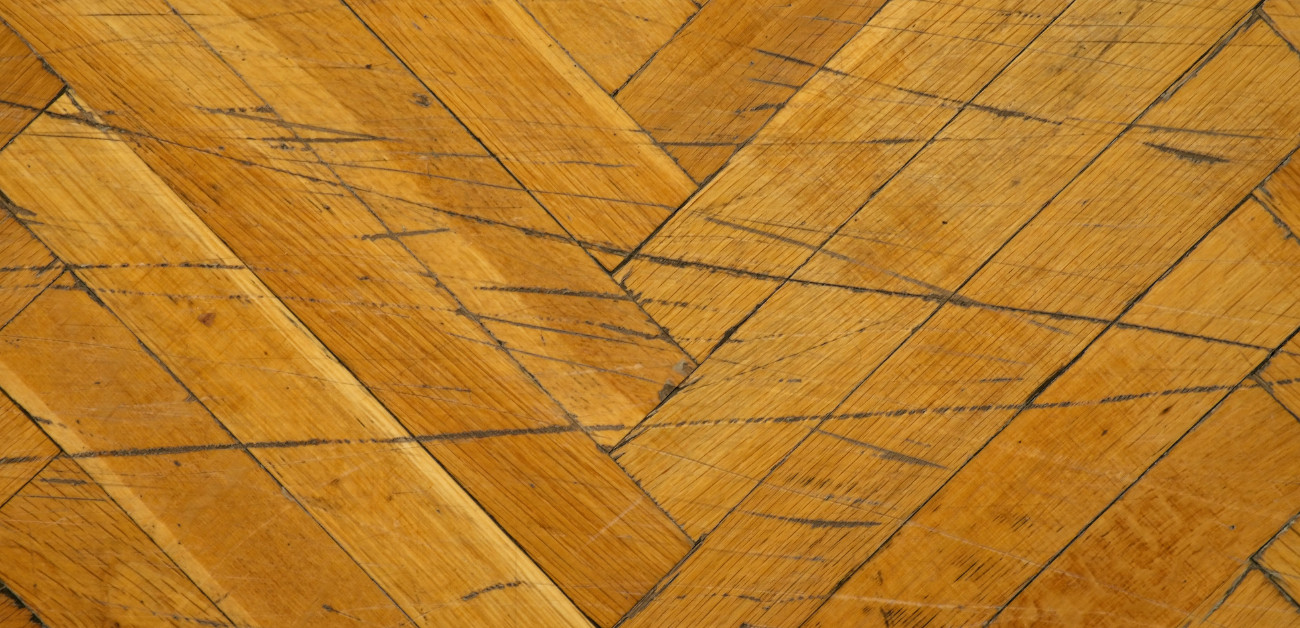
Not every area in a school experiences the same level of exposure. Classrooms, corridors, cafeterias, and art rooms face the highest risk of staining due to constant use, spills, and movement. These spaces combine heavy traffic with activities that involve food, liquids, and materials that can easily mark floors.
High-risk and high-visibility zones deserve particular attention. Corridors and cafeterias are seen by students, staff, and visitors throughout the day, making floor condition highly noticeable. Art rooms and science spaces introduce additional staining risks from paints, inks, and liquids that can quickly damage low-performance surfaces.
This is why strategic specification is more effective than blanket use. Applying stain resistant vinyl roll in areas with the greatest exposure helps schools prioritise durability and appearance where it matters most. Targeted use supports better maintenance outcomes while allowing budgets to be managed responsibly across the wider campus.
Longevity, Replacement Cycles, and Budget Control
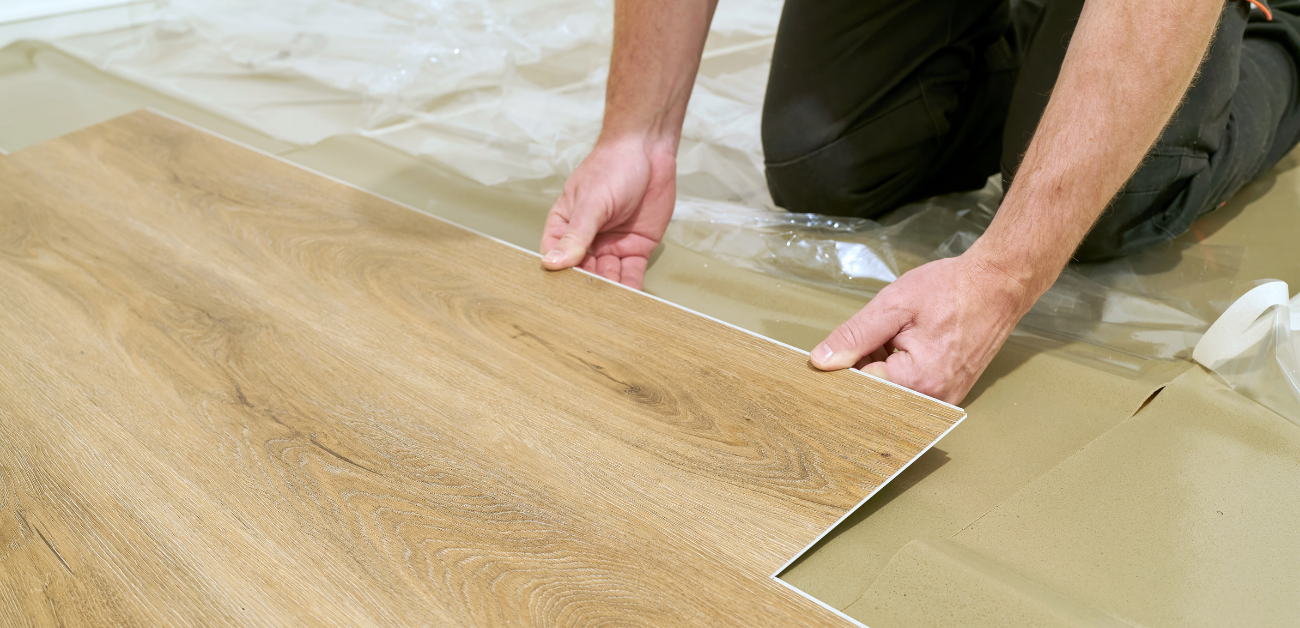
Floor replacement in schools is disruptive. It often requires closing classrooms or corridors, rescheduling activities, and carrying out work within short holiday windows. These interruptions affect learning continuity and place additional pressure on facility management teams trying to minimise downtime.
While lower-cost flooring options may appear attractive initially, they often lead to shorter replacement cycles. Surfaces that stain easily or wear unevenly require more frequent intervention, increasing long-term costs through repeated repairs, labour, and material replacement. Over time, these hidden costs outweigh any upfront savings.
The value of stain resistant vinyl roll lies in its longevity. Flooring that maintains appearance under heavy use reduces the frequency of replacement and supports more predictable budgeting. By extending lifecycle performance, schools can allocate resources more effectively while maintaining environments that remain clean, functional, and supportive of daily learning activities.
Conclusion: Flooring as Part of School Infrastructure

School flooring should be understood as a core part of educational infrastructure rather than a background finish. Its performance affects hygiene standards, maintenance efficiency, and how learning environments are perceived on a daily basis. Floors that stain easily or wear quickly create ongoing operational challenges and visual inconsistency, even when cleaning routines are well managed.
By prioritising durability, cleanability, and visual stability, schools can create environments that feel cared for and functional over time. The long-term benefits of stain resistant vinyl roll for school flooring lies in reduced replacement cycles, lower maintenance strain, and consistent appearance under heavy use.
Within this context, Goodrich Global approaches education flooring with a performance-driven perspective. Its focus on durability, hygiene, and lifecycle value encourages schools and designers to evaluate flooring not just for initial cost, but for how well it supports learning environments over the long term.