Commercial Interiors
Student Hostel Interior Design: Durable and Modern
Student hostel interior design demands materials and layouts that survive constant use by young adults while remaining visually appealing and easy to maintain. Singapore’s universities and polytechnics house thousands of students in on-campus and purpose-built hostels, and the interior specification of these facilities directly affects student wellbeing and institutional reputation.
Design Priorities for Student Accommodation
Student hostels differ fundamentally from hotels and serviced apartments. Occupants are long-term residents, not transient guests. They cook, study, socialise, and occasionally mistreat their surroundings in ways that hotels rarely experience. The design must anticipate this reality.
The four pillars of successful student hostel design are durability, maintainability, acoustic performance, and visual appeal. Compromising on any one of these leads to facilities that either look tired within two years or create an institutional atmosphere that undermines student satisfaction scores.
Budget consciousness is also essential. Student accommodation operates on tighter margins than commercial hospitality. Specifying materials with long life cycles and low maintenance costs delivers better value than choosing the cheapest upfront option that requires frequent replacement.
Flooring Solutions for Student Rooms and Common Areas
Flooring bears the brunt of student living. Dragged furniture, dropped items, spilled drinks, and sheer foot traffic volume all take their toll. The right flooring specification protects the facility’s appearance and reduces ongoing maintenance expenditure.
Individual Rooms
Luxury vinyl tile is the optimal choice for student bedrooms. Its waterproof construction handles spills without damage, the wear layer resists scratches from furniture movement, and the realistic timber or stone visuals create a warm, residential feel that institutional vinyl sheet flooring cannot match.
LVT with a wear layer of 0.3mm or above suits residential student rooms, while common areas and corridors benefit from 0.55mm commercial-grade wear layers. The click-lock installation system allows individual planks to be replaced if severely damaged, without lifting the entire floor.
Common Lounges and Study Areas
Shared spaces benefit from a combination of flooring types. Carpet tiles in lounge and study zones provide acoustic comfort and a softer underfoot feel that encourages students to relax and collaborate. Carpet tiles with solution-dyed nylon fibres resist fading and staining, and damaged tiles can be swapped out individually.
Hard flooring such as LVT works best in kitchenette areas, dining spaces, and high-traffic circulation routes where spills and cleaning frequency are highest.
Bathrooms and Wet Areas
Shared bathroom facilities require waterproof flooring with enhanced slip resistance. Vinyl sheet flooring with a textured surface and welded seams prevents water ingress and provides safe footing. The seamless installation eliminates grout lines where mould and bacteria can harbour — a critical consideration in Singapore’s humid climate.
Wall Finishes That Last
Student hostel walls endure adhesive tape, poster putty, accidental impacts from furniture, and general wear that would ruin standard painted surfaces within a single academic year. Vinyl wallcovering provides a robust alternative that maintains its appearance far longer.
Bedrooms and Corridors
Type II commercial vinyl wallcovering in neutral tones creates a clean, modern backdrop in student rooms. The scuff-resistant surface can be wiped clean during turnover between semesters, and its tear resistance prevents the damage that standard paint suffers from furniture contact and daily wear.
Corridor wallcovering should be upgraded to Type III heavy-duty specification, particularly below handrail height where luggage, trolleys, and wheeled suitcases cause impact damage during move-in and move-out periods.
Common Areas and Social Spaces
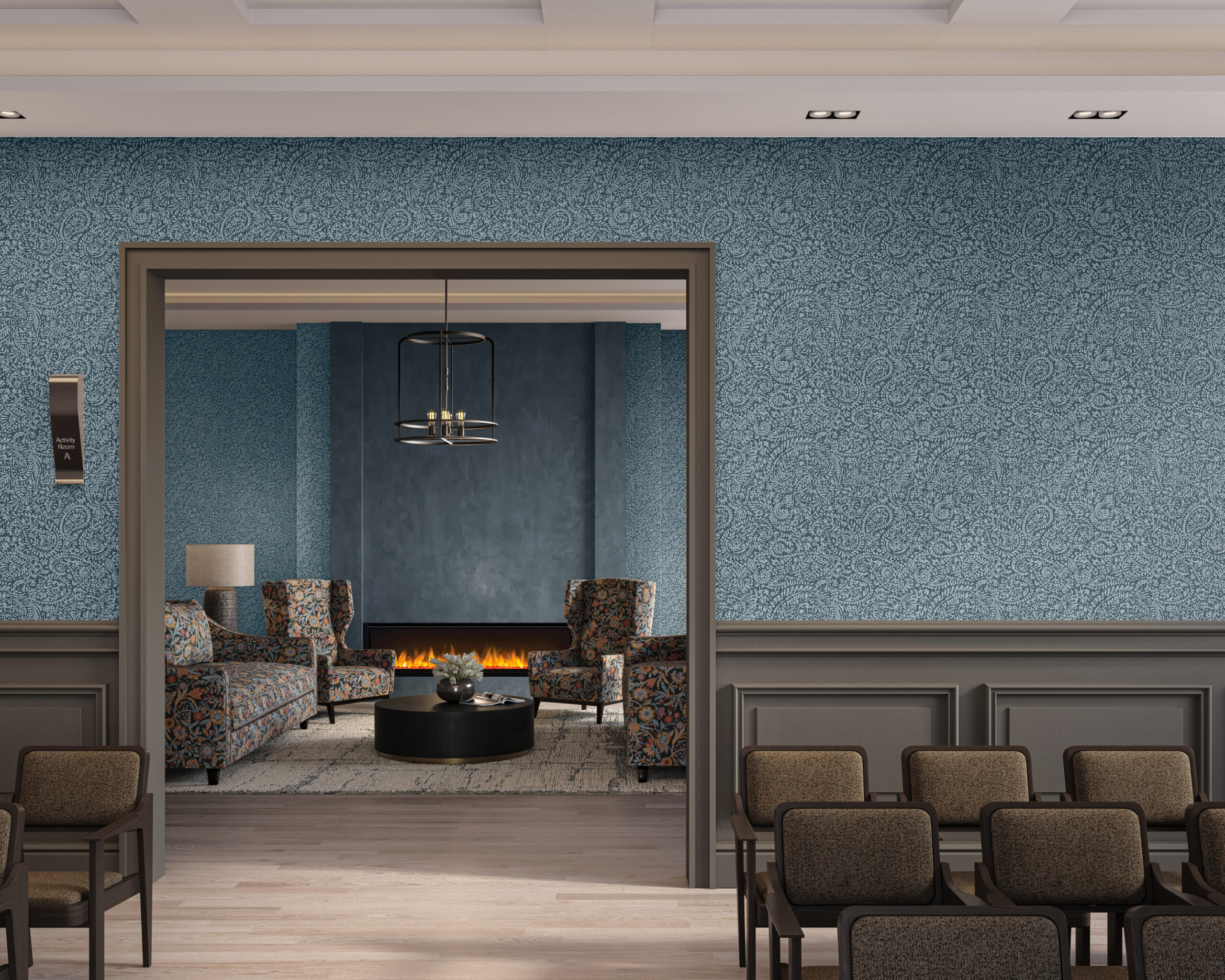
Shared lounges and recreation rooms offer an opportunity for more expressive wall treatments. Feature walls with bold patterns or institutional branding create identity and a sense of place. These accent walls can be updated between academic cycles to refresh the space without a full renovation.
Acoustic Design for Shared Living
Noise management is consistently one of the top concerns in student accommodation surveys. Poor acoustics lead to sleep disruption, study difficulties, and interpersonal conflict — all of which undermine the residential experience.
Effective acoustic strategies for student hostels include the following measures.
- Flooring: Carpet tiles with acoustic backing reduce impact sound transmission between floors. In hard-floored corridors, underlayment with sound-dampening properties minimises footstep noise.
- Walls: Fabric-wrapped acoustic panels in study rooms and common areas absorb airborne sound and reduce reverberation. These panels can double as pinboard surfaces for notices and artwork.
- Soft furnishings: Upholstered seating, curtains, and cushions all contribute to sound absorption. Specifying these elements in shared spaces makes a tangible difference to noise levels.
Furniture and Fabric Specification
Student hostel furniture needs to be practically indestructible. Fixed or semi-fixed furniture reduces theft risk and ensures rooms maintain their intended layout. Where loose furniture is specified, commercial-grade construction with reinforced joints and heavy-duty castors is essential.
Upholstery fabric selection is critical in common area furniture. Performance fabrics with high abrasion resistance — 50,000 Martindale cycles or above — withstand the concentrated use that lounge seating receives. Stain-resistant treatments allow cleaning of food and drink spills without permanent marking.
Colour selection should be practical. Mid-tone fabrics in blues, greens, and warm greys hide soiling better than light colours while avoiding the oppressive feel of very dark upholstery. Patterned fabrics are even more forgiving, as the visual complexity conceals minor marks and wear.
Sustainability Considerations
Today’s students are environmentally aware, and sustainable design choices resonate positively with this demographic. Specifying materials with recognised environmental certifications — such as low-VOC flooring, recyclable carpet tiles, and wallcovering from sustainably managed supply chains — demonstrates institutional commitment to sustainability.
Life-cycle assessment also favours durable materials. A vinyl floor that lasts 15 years has a lower environmental impact per year of service than a cheaper alternative replaced every five years. Communicating this rationale to students helps them understand that sustainability is built into the fabric of their accommodation.
Final Thoughts
Student hostel interior design is a discipline where durability and design must coexist. By specifying commercial-grade materials from the outset, institutions avoid the costly cycle of frequent refurbishment and create living environments that students genuinely enjoy.
Get a free quote for your project today and discover durable interior solutions for student accommodation.