Articles / Wallpaper & Wallcovering
12 July 2023
The first recorded use of wallpaper was in China in 200 B.C., when rice paper was glued to walls. Techniques of applying patterned linen fabric to walls spread to the Middle East in the eighth century and eventually reached Europe, where France embraced the trend with official patterns for monarchs.
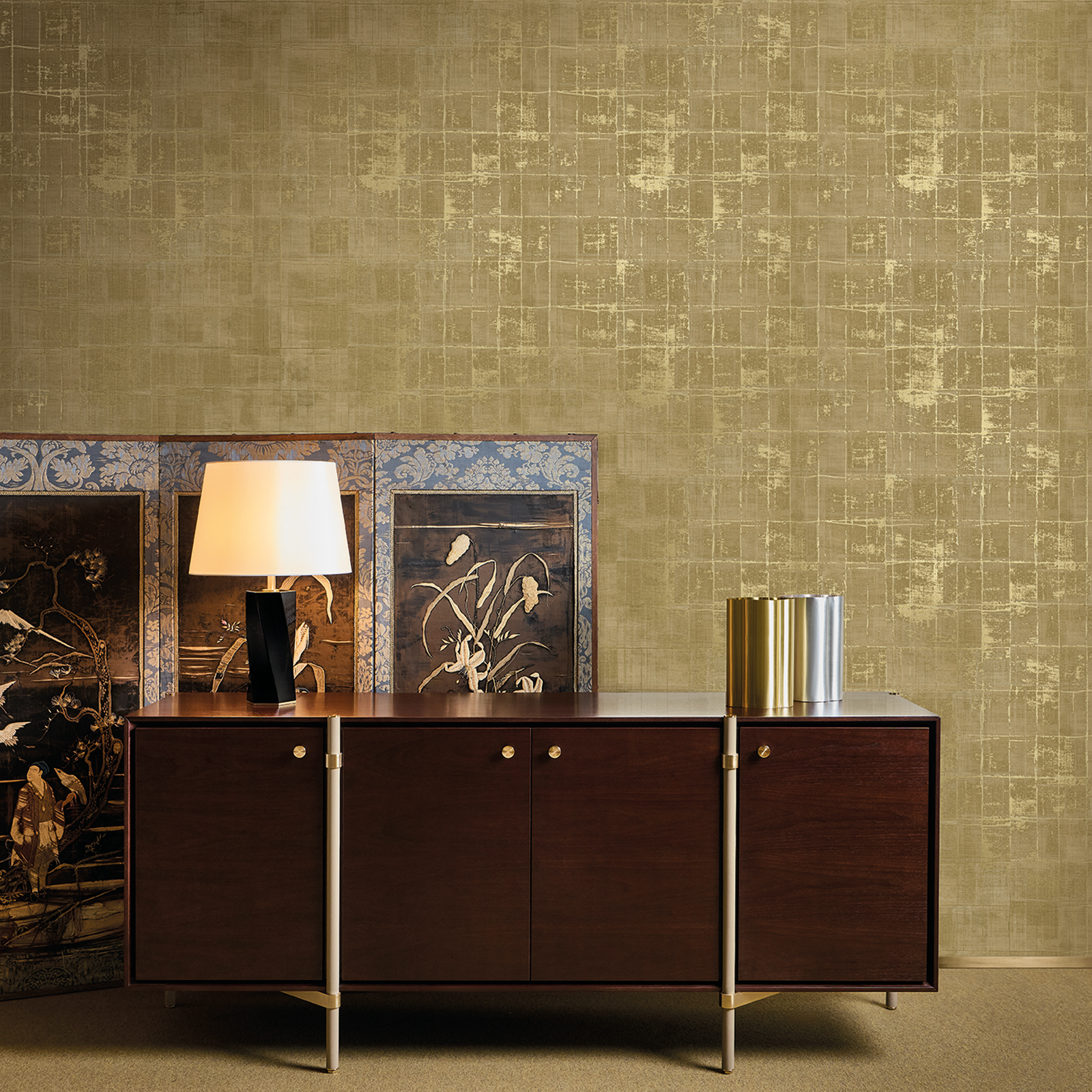
Before the printing press, only the very wealthy could afford to commission artisans to create hand-painted, stencilled or block-print patterns for their walls. In Europe these designs resembled the rich tapestries of the time. Modern printing technology has since opened up a virtually limitless range of patterns, textures and materials to everyone.
The first known use of wallpaper in America was in Philadelphia in 1739. Early styles followed European trends, including panoramic scenery and flower motifs. By 1900, wallpaper was arguably the most popular household decorating technique in the United States, with patterns for many period styles and signature designs from famous artists.
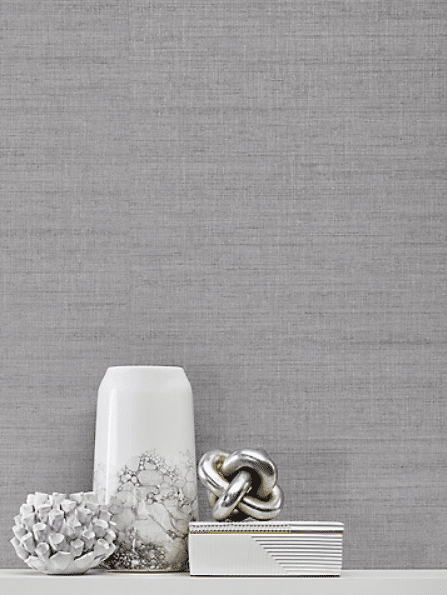
World War II hit the industry because wallpaper was classed as a nonessential commodity, but it rebounded strongly after the war. In the mid-20th century consumers favoured solid papers over the ornate pre-war patterns. Grasscloth and other plain textures grew popular, and vinyl wall coverings made their first appearance.
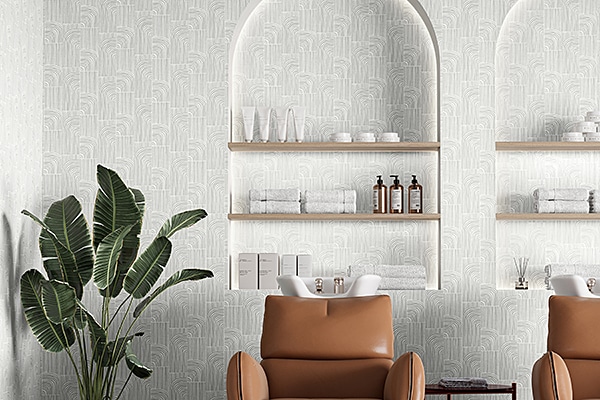
Early wallpaper was hand-painted, stencilled or block-printed by artisans, which only the very wealthy could commission. After the printing press, production changed, and today modern printing technology, including 3-D printing, gives a virtually limitless choice of pattern, texture and materials, from grasscloth effects to vinyl wallcoverings.
Goodrich Global offers over 20,000 patterns, designs and colours across every style, and has covered walls of global chain hotels, residences, show flats, offices, institutions and commercial spaces. Gallery Representatives can help you find a wallpaper that suits your home and décor preference.