Interior Design
Toilet Wall Design: Tiles, Wallpaper and Panels
Rethinking Toilet Wall Design
Toilet walls in Singapore homes have traditionally followed a single formula: ceramic tiles from floor to ceiling in white or beige, with a contrasting feature strip at eye level. While functional, this approach barely scratches the surface of what is possible.
Modern toilet wall design combines different materials across wet and dry zones, plays with scale and texture, and treats the bathroom as a design-worthy space rather than a purely utilitarian one. Here is how to approach it for HDB, BTO and condo bathrooms.
Understanding Wet and Dry Zones
Not every wall in a toilet needs the same level of water protection. Dividing the space into wet and dry zones allows you to use different materials where appropriate:
- Wet zone — The shower area and the wall directly behind the basin and WC. These surfaces are exposed to direct water contact and require fully waterproof finishes like porcelain tiles, natural stone or glass panels.
- Dry zone — The walls opposite the shower, the area above the tile splash line (typically 1.2 to 1.5 metres) and the wall behind the door. These surfaces can be finished with a wider range of materials including paint, wallcovering and decorative panels.
Wall Finish Options for Toilets
Porcelain and Ceramic Tiles
Tiles remain the default for wet-zone walls. Key considerations:
- Large-format tiles (600 mm x 1200 mm) create a sleek, minimal look with fewer grout lines. They work particularly well in modern HDB and condo bathrooms but require a perfectly level substrate.
- Subway tiles (75 mm x 150 mm or 100 mm x 200 mm) offer a classic, versatile aesthetic. Laid in a brick bond pattern, they suit both contemporary and traditional designs.
- Textured or three-dimensional tiles add surface interest without colour contrast. A wave-pattern or ribbed tile on a single accent wall creates a sculptural effect.
- Terrazzo-look tiles bring colour and movement to the bathroom with their speckled, chip-embedded patterns.
Wallpaper and Wallcoverings
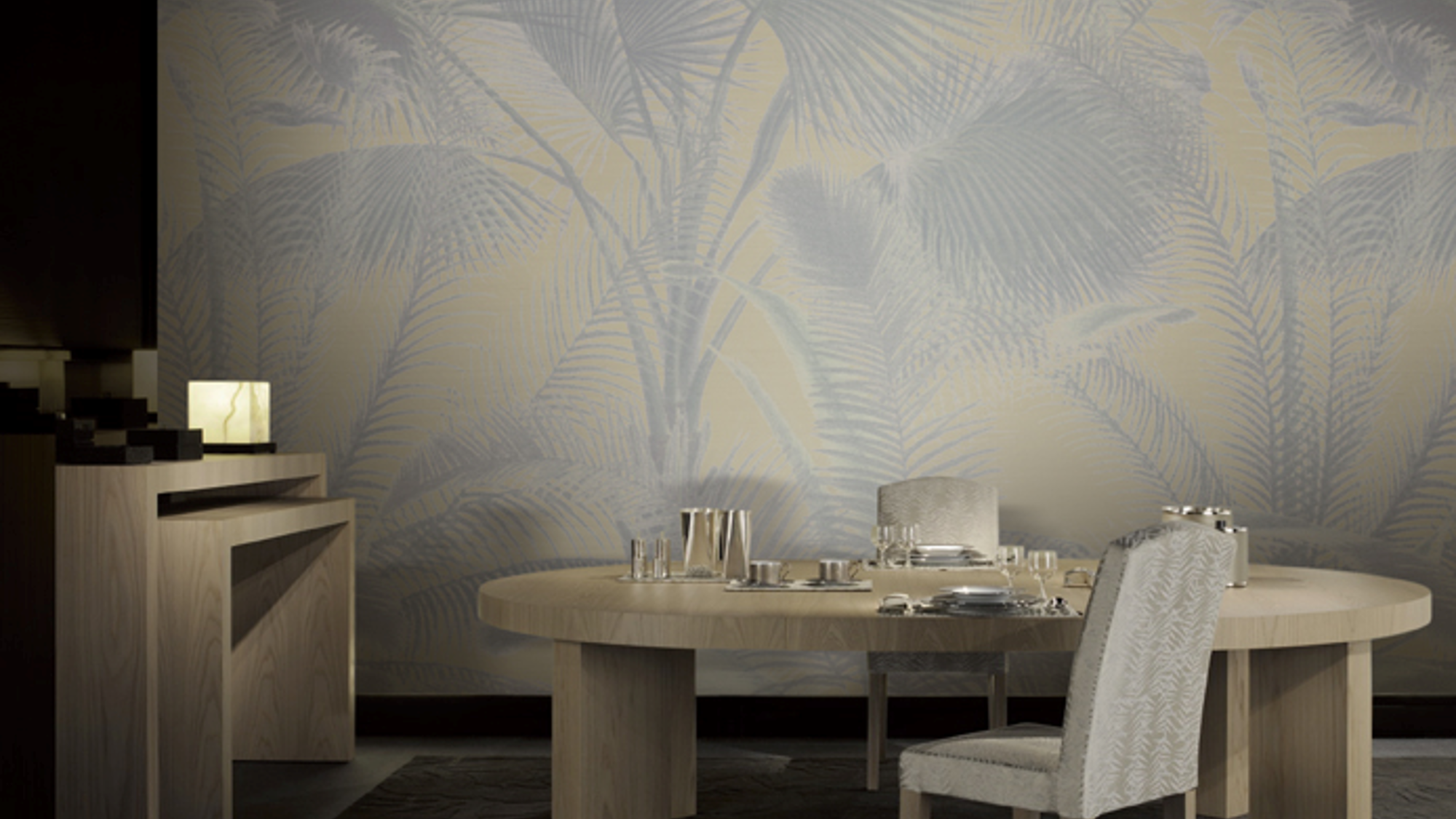
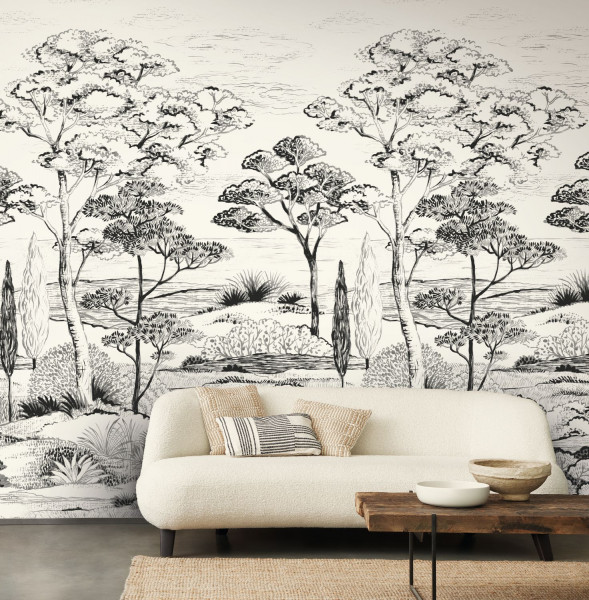
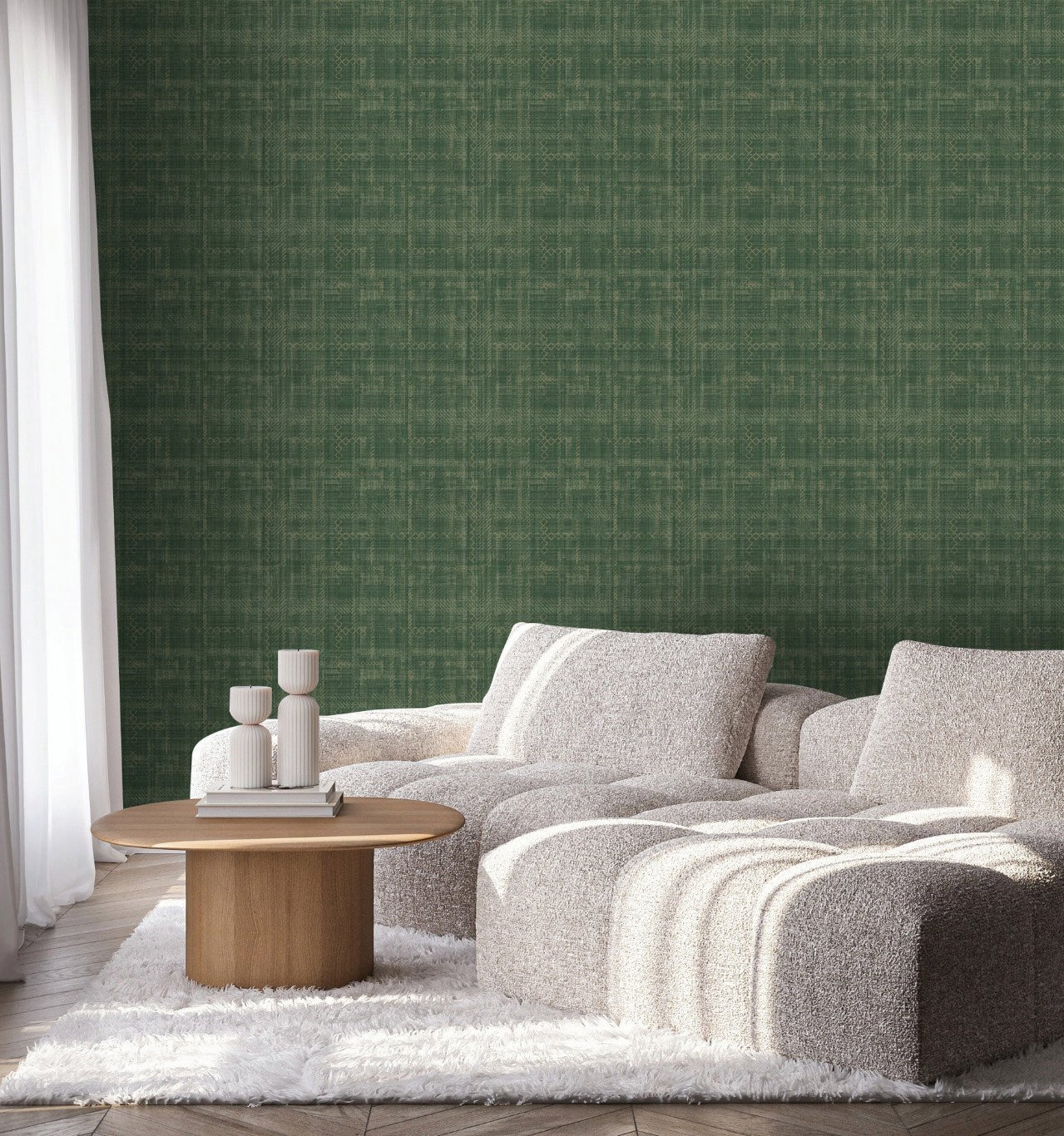
Vinyl-based wallcoverings can be used in the dry zones of a bathroom. They resist moisture, can be wiped clean and are available in thousands of patterns. A residential wallcovering on the wall above the tile line or on the wall opposite the shower can transform a standard toilet into a more finished, designed space.
Avoid pure paper-based wallpaper in any bathroom. Vinyl-backed or fully vinyl wallcoverings are the only appropriate options for humid environments.
Paint
Moisture-resistant paint in a satin or semi-gloss finish is the most affordable option for dry-zone walls. It is easy to touch up and offers unlimited colour flexibility. However, paint provides no texture and may require repainting every three to five years in high-humidity bathrooms.
Decorative Panels
PVC wall panels and stone-composite panels are gaining traction as alternatives to tiles. They are lightweight, waterproof, grout-free and can be installed over existing surfaces without hacking. Panel systems are available in marble, wood and concrete effects.
Natural Stone
Marble, travertine and limestone create a premium look but come with higher material costs and maintenance requirements. Natural stone is porous and requires periodic sealing to prevent water staining. It is best reserved for dry-zone accent walls or vanity backsplashes.
Design Ideas by Bathroom Type
HDB Common Bathroom
Common bathrooms in HDB flats are compact — typically 3.5 to 4.5 square metres. In a small space, keep the palette restrained. Use one tile type on the wet-zone walls and floor for continuity, and introduce a contrasting finish (paint or wallcovering) on the dry wall. Light tones and large-format tiles make the room feel more spacious.
HDB Master Bathroom
The master bathroom is slightly larger and often includes a window. Use the additional wall space for a feature element: a strip of patterned tiles behind the vanity, a full-height textured tile panel in the shower, or a wallcovering on the wall facing the entrance.
Condo Master Bathroom
Condo master bathrooms offer more room for experimentation. Consider a half-and-half approach: tiles on the lower half of all walls (to a height of 1.2 metres), with a contrasting finish above. This creates a defined design line and reduces tiling costs while adding visual interest.
Powder Room
Powder rooms (guest WCs without a shower) have no wet zone at all. This opens up the full range of wall finishes — bold wallpaper, dark paint, decorative panels or even fabric wall treatments. A powder room is the perfect place to make a design statement with an eye-catching wallcovering.
Colour and Pattern Ideas
| Style | Wall Treatment | Colour Palette |
|---|---|---|
| Modern minimal | Large-format porcelain, matte finish | White, light grey, warm beige |
| Hotel luxury | Marble-effect tiles + dark paint above | Veined white marble, charcoal, brass accents |
| Japandi | Wood-effect tiles + limewash paint | Light oak, off-white, muted sage |
| Bold contemporary | Coloured subway tiles + patterned wallcovering | Emerald green, terracotta, navy blue |
| Scandinavian | White subway tiles + pale wood panelling | White, birch, soft grey |
Practical Considerations for Singapore
- Humidity. Singapore bathrooms are exposed to high ambient humidity year-round. Always use moisture-rated materials in every zone — not just the shower area.
- Ventilation. Effective exhaust ventilation (minimum 25 litres per second) reduces moisture buildup and extends the life of all wall finishes. If your bathroom has no window, a quality exhaust fan is essential.
- Grout maintenance. White grout on shower walls discolours over time. Use epoxy grout or colour-matched grout to reduce visible staining.
- HDB regulations. For HDB flats, any wall hacking during toilet renovations requires a renovation permit. Structural walls cannot be modified.
Cost Comparison of Wall Finishes
| Finish | Cost per sq m (SGD) | Best Zone | Lifespan |
|---|---|---|---|
| Ceramic tiles | $15 – $40 | Wet and dry | 15+ years |
| Porcelain tiles | $30 – $80 | Wet and dry | 20+ years |
| Vinyl wallcovering | $20 – $60 | Dry zone only | 8–12 years |
| PVC wall panels | $25 – $70 | Wet and dry | 10–15 years |
| Moisture-resistant paint | $5 – $12 | Dry zone only | 3–5 years before repainting |
| Natural stone | $80 – $250 | Dry zone (sealed) | 20+ years |
Tile Layout Patterns
The same tile can look entirely different depending on how it is laid. Pattern choices affect both the visual style and the installation cost.
- Stack bond (grid). Tiles aligned in a straight grid pattern. Clean and modern, with lower labour cost.
- Brick bond (offset). Each row is offset by half a tile width. The most common layout for subway tiles, creating a classic, timeless look.
- Herringbone. Tiles laid at 45-degree angles in a V-shaped pattern. Visually dynamic but generates more tile wastage and requires more cutting time.
- Vertical stack. Rectangular tiles laid vertically rather than horizontally. Emphasises ceiling height in compact HDB bathrooms.
- Chevron. Similar to herringbone but with tiles cut at an angle so the ends form a clean V. Creates a more streamlined look than herringbone.
For the most cost-effective approach, stick with stack bond or brick bond layouts. Herringbone and chevron patterns increase installation labour by 15 to 25 per cent.
Transform Your Toilet Walls
The walls set the tone for the entire bathroom. A thoughtful combination of tiles in the wet zone and a complementary wallcovering or paint finish in the dry zone can elevate even a compact HDB toilet into a space that feels intentional and refined.
Browse our e-catalogue for the latest designs in wallcoverings and wall finishes suited to Singapore bathrooms.