Interior Design
TV Feature Wall Design Ideas for Singapore Living Rooms
The TV Wall as the Living Room’s Focal Point
The TV feature wall is the most looked-at surface in any Singapore living room. Whether the television is wall-mounted, set on a console or integrated into a built-in unit, the wall behind it commands attention for hours every day. A well-designed TV feature wall elevates the entire living space, while a neglected one leaves the room feeling unfinished.
This guide covers design ideas, material options and practical considerations for TV feature walls in HDB flats, condominiums and landed homes.
Design Approaches
Full-Wall Feature
The entire wall behind the TV — floor to ceiling, edge to edge — is treated with a single material or finish. This creates maximum visual impact and works well in living rooms where the TV wall is the dominant surface. Full-wall treatments in stone, wood or wallpaper produce a seamless, gallery-like backdrop.
Panel or Zone Feature
A defined section of the wall — typically the area immediately behind and around the TV — is treated with a feature material, while the surrounding wall remains in a contrasting finish (usually paint). This approach suits HDB living rooms where the TV wall also accommodates windows, doors or air-conditioning units.
Built-In Unit
The TV is integrated into a full-wall or partial-wall carpentry unit with shelving, cabinets and display niches. The unit itself becomes the feature, with the backing panel visible in open sections. This approach maximises storage in space-constrained HDB and condo homes.
Material Options
Wood and Laminate Panels
Timber-look panels are the most popular choice for TV feature walls in Singapore. They add warmth, texture and a natural quality that complements a wide range of interior styles.
- Vertical slatted panels: Fluted or reeded panels create rhythm through repeating shadow lines. They suit modern, Scandinavian and Japandi interiors.
- Timber veneer: A full sheet of veneer (walnut, oak, teak) provides a rich, grain-forward finish. It works well behind wall-mounted TVs where the panel is the primary visual element.
- Laminate: High-pressure laminate in woodgrain finishes offers the look of timber at a lower cost, with better resistance to humidity and warping.
Wallpaper and Wallcoverings
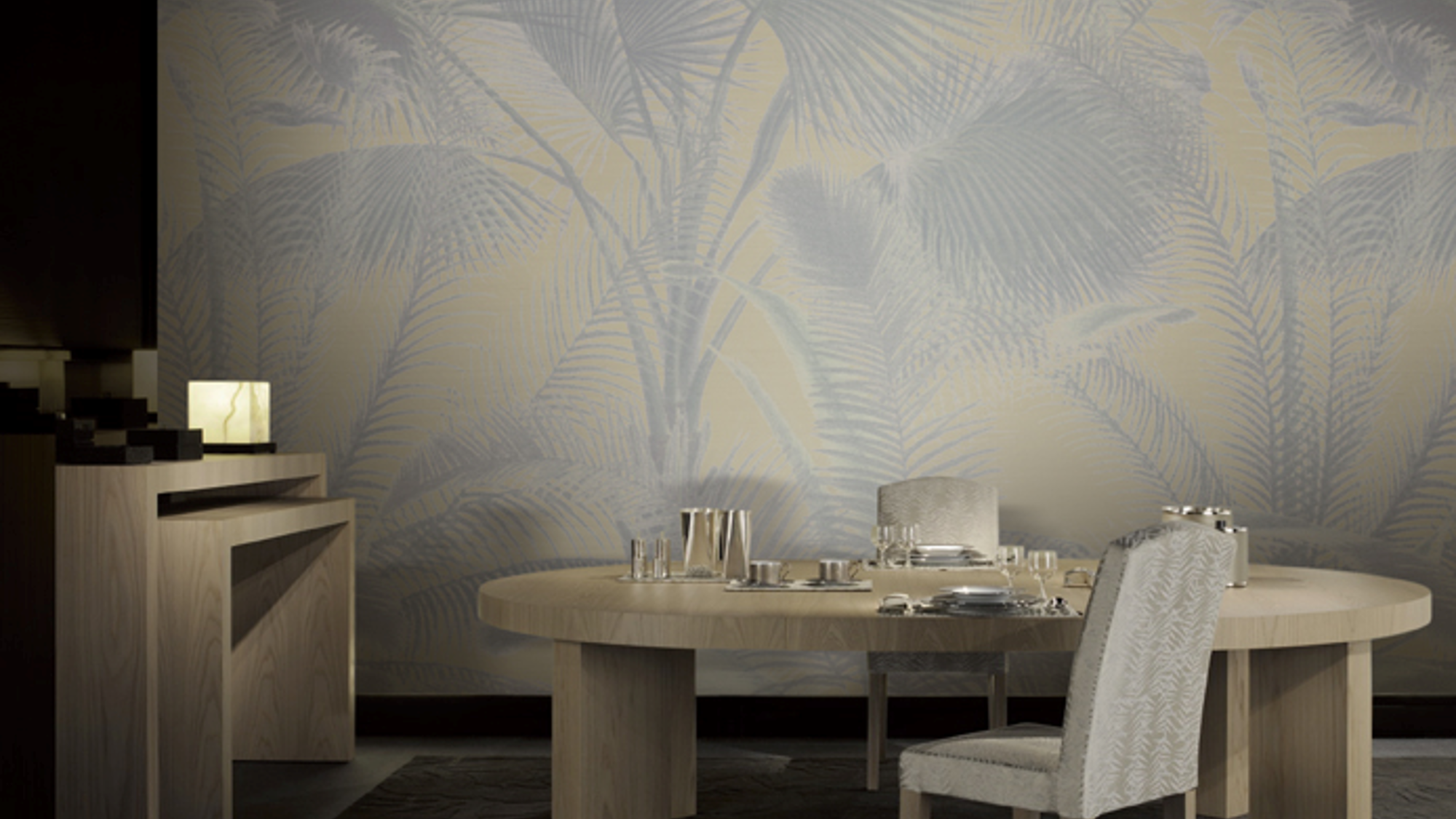
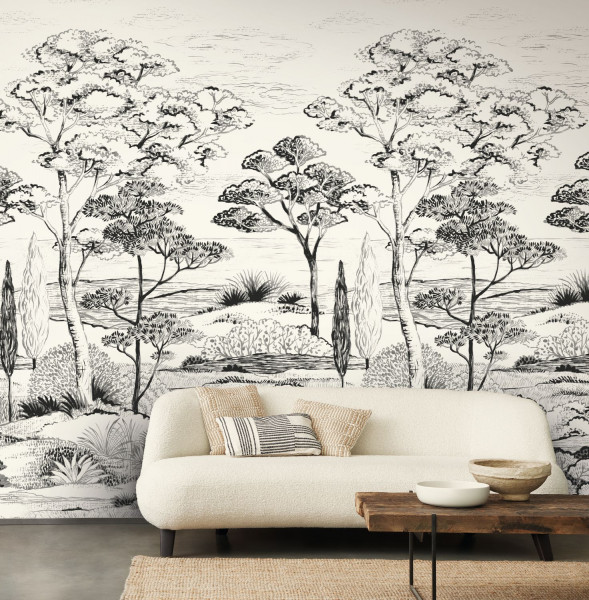
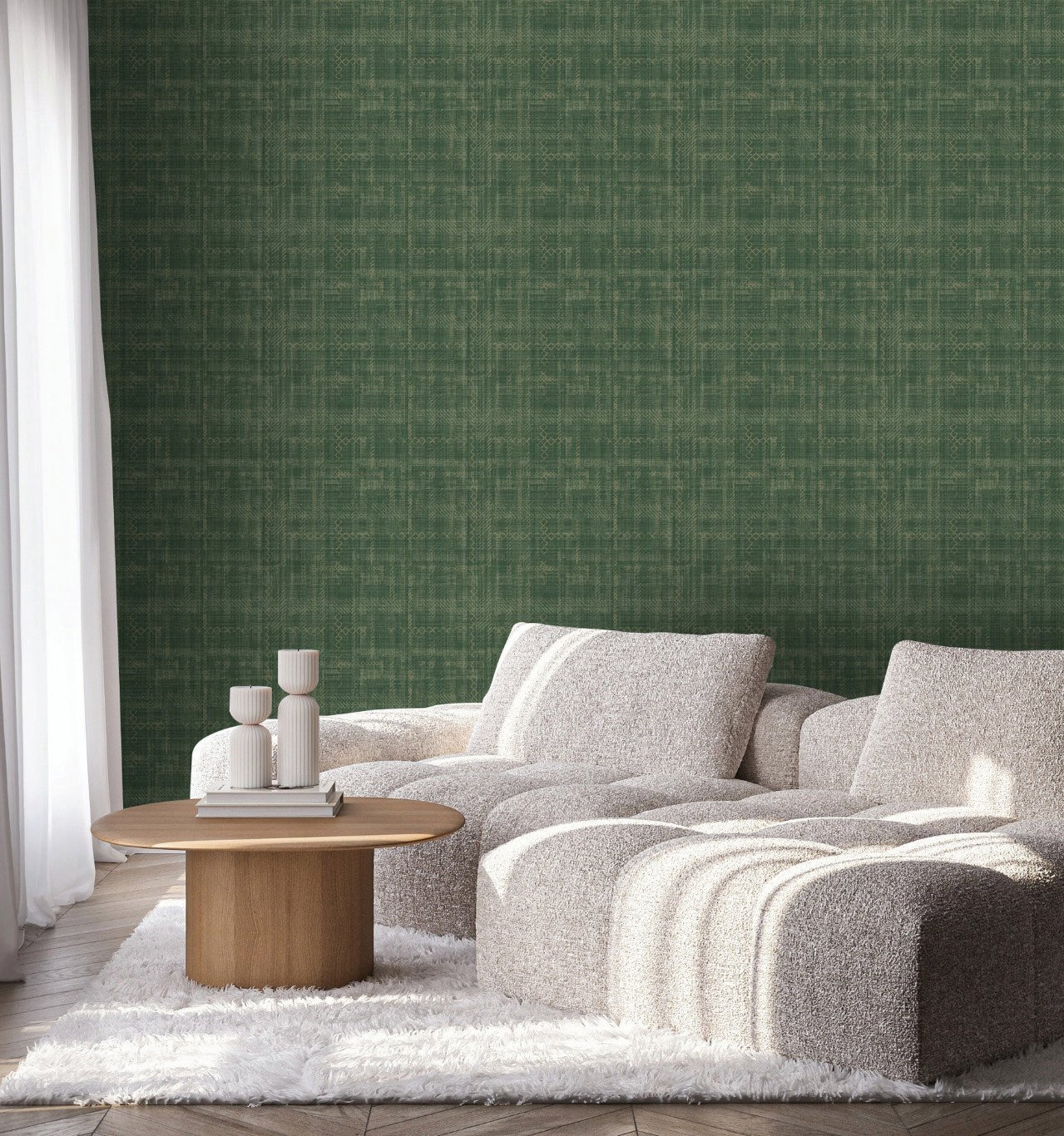
Wallcoverings offer the widest range of colours, patterns and textures for TV feature walls. A residential wallcovering in a concrete effect, marble print or textured neutral creates a sophisticated backdrop without the weight or cost of actual stone or plaster.
When choosing wallpaper for a TV wall, select a design that does not compete with the screen content. Subtle textures and tone-on-tone patterns work better than bold, high-contrast prints, which can be distracting during viewing.
Stone and Marble Effects
Sintered stone panels, porcelain slab tiles and stone-effect wallcoverings create a luxurious, architectural backdrop. Real marble or granite book-matched slabs produce the most dramatic effect but are heavy and expensive. Stone-effect porcelain tiles (large-format, 1200 mm x 2400 mm) offer a similar look at a lower weight and price point.
Paint and Textured Finishes
A painted feature wall in a contrasting colour — charcoal, deep navy, olive or warm taupe — is the most affordable option. For added depth, consider limewash paint, microcement or venetian plaster, which create handcrafted surface variation that flat paint cannot achieve.
Fabric Panels
Upholstered panels in linen or performance upholstery fabric create a soft, sound-absorbing backdrop. This treatment is particularly beneficial in condos where the TV wall shares a party wall with the neighbouring unit — the fabric panel reduces sound transmission.
TV Feature Wall Ideas by Home Type
HDB Living Room
HDB living rooms typically measure 3.5 to 5 metres wide. The TV wall is usually the wall opposite the main sofa, with the balcony window on one side. In this configuration, a full-wall panel treatment or built-in unit works well. Keep the palette light to medium in tone to avoid making the space feel smaller.
Condo Living Room
Condo living rooms often feature floor-to-ceiling windows on one or two walls, leaving fewer solid walls for the TV. The available TV wall may be shorter or interrupted by a column. A panel or zone feature treatment — applied only to the section behind the TV — handles these constraints better than a full-wall approach.
Landed Living Room
Larger living rooms in landed properties allow for grander feature walls: full-height stone panels, extended built-in units with integrated fireplaces (even electric ones), and wrap-around treatments that extend to adjacent walls.
Cable Management
A clean TV feature wall requires clean cable management. Visible power cords, HDMI cables and speaker wires undermine even the best-designed wall.
- Concealed conduit: During renovation, install a conduit behind the wall from the TV mounting point to the console or power outlet. This allows all cables to run inside the wall.
- Cable cover channel: A surface-mounted channel painted to match the wall conceals cables without opening the wall. It is a practical retrofit solution.
- Built-in unit with rear access: A TV console or built-in unit with an open back panel allows cables to pass through unseen.
- Power point relocation: Move the power point to behind the TV, at mounting height, so the power cord does not trail down the wall.
Lighting for TV Feature Walls
Lighting dramatically changes how a feature wall looks and how comfortable TV viewing is.
- Bias lighting: An LED strip behind the TV (backlighting) reduces eye strain during evening viewing and adds a soft glow that highlights the wall texture.
- Cove lighting: A recessed LED strip in the ceiling or along the top of the feature wall washes the surface with indirect light, emphasising texture and colour.
- Spotlight on display niches: If the TV wall includes open shelving or display niches, small recessed spotlights draw attention to displayed objects.
- Avoid overhead downlights directly above the TV: These cause reflections on the screen. Position them slightly in front of or behind the TV mounting position.
Colour and Tone Guidelines
| Room Size | Recommended Tone | Why |
|---|---|---|
| Small (HDB 3-room) | Light to medium — warm beige, light oak, soft grey | Keeps the room feeling open and airy |
| Medium (HDB 4/5-room) | Medium — walnut, slate, olive, warm charcoal | Enough contrast to anchor the wall without overwhelming |
| Large (condo/landed) | Any — including dark stone, deep colours, bold textures | Larger rooms absorb dark tones and strong patterns more easily |
Practical Considerations
- TV weight and mounting. Wall-mounted TVs (55 to 75 inches) weigh 15 to 30 kg. If the feature wall is a false wall or lightweight panel, ensure adequate reinforcement (plywood backing or metal plate) behind the mounting point.
- Heat dissipation. Recessed TV niches with enclosed backs can trap heat from the television. Ensure adequate ventilation space behind and around the TV — at least 50 mm on all sides.
- Maintenance. Choose wipeable, dust-resistant finishes. Open slatted panels collect dust between the slats and need regular cleaning. Smooth surfaces (veneer, laminate, vinyl wallcovering) are easier to maintain.
- Future-proofing. Install additional conduit or cable runs behind the wall even if you do not need them now. TV technology and speaker systems evolve, and having infrastructure in place avoids future wall damage.
Design Your TV Feature Wall
The TV feature wall is the centrepiece of the living room. The right material and finish create a backdrop that enhances both the television and the overall interior. Seeing wallcoverings, panels and flooring samples in person ensures the colour and texture work under your room’s actual lighting.
Request free samples from our Singapore showroom to start planning your TV feature wall.