Wallpaper & Wallcovering
Vinyl Wallpaper vs Non-Woven: Complete Comparison | Goodrich
Vinyl wallpaper vs non-woven wallpaper is one of the most common comparisons Singapore homeowners encounter when selecting wall finishes. Both are popular choices for HDB flats, condominiums, and landed properties, but they differ in composition, installation method, durability, and suitability for specific rooms. Understanding these differences helps you make a confident decision for your renovation.
What is Vinyl Wallpaper?
Vinyl wallpaper consists of a paper or fabric backing coated with a layer of polyvinyl chloride (PVC). This PVC surface gives the wallpaper its signature characteristics: water resistance, durability, and ease of cleaning. The vinyl layer can be embossed, printed, or textured to replicate materials ranging from linen and grasscloth to stone and concrete.
There are several sub-types of vinyl wallpaper. Solid vinyl wallpaper has the thickest PVC layer and offers the greatest durability — it is commonly specified for commercial environments and high-moisture residential areas such as kitchens. Vinyl-coated wallpaper has a thinner PVC layer over a paper substrate, making it lighter and more affordable but less resistant to heavy scrubbing.
In Singapore, vinyl wallpaper remains a popular choice due to its ability to withstand humidity. The PVC surface resists moisture absorption, which helps prevent the mould and peeling issues that can affect paper-based wallcoverings in our tropical climate.
What is Non-Woven Wallpaper?
Non-woven wallpaper is made from a blend of natural and synthetic fibres — typically cellulose and polyester — pressed together without weaving. This creates a dimensionally stable, breathable substrate that does not expand or contract when wet. The surface is printed with water-based inks and may include textured finishes.
The defining advantage of non-woven wallpaper is its paste-the-wall installation method. Unlike traditional wallpapers that require soaking or pasting the paper itself, non-woven wallpaper allows adhesive to be applied directly to the wall. The dry paper is then positioned and smoothed into place, significantly reducing mess and installation time.
Non-woven wallpaper is also tear-resistant and can be removed in full strips without steaming, making future renovations simpler. This is a meaningful benefit for Singapore homeowners who refresh their interiors every five to ten years.
Key Differences at a Glance
| Feature | Vinyl Wallpaper | Non-Woven Wallpaper |
|---|---|---|
| Composition | PVC layer on paper/fabric backing | Cellulose-polyester fibre blend |
| Water resistance | High — wipeable to scrubbable | Moderate — spongeable |
| Breathability | Low (PVC layer blocks moisture) | High (fibrous structure allows airflow) |
| Installation | Paste-the-paper or paste-the-wall | Paste-the-wall only |
| Removal | May require steaming or scraping | Dry-strippable in full sheets |
| Durability | Very high | High |
| Design range | Wide — embossed, textured, printed | Wide — fine prints, subtle textures |
| Eco credentials | Contains PVC | PVC-free, often recyclable |
| Best for | Kitchens, bathrooms, high-traffic areas | Living rooms, bedrooms, feature walls |
Which is Better for Singapore’s Climate?
Singapore’s year-round humidity (averaging 80-90% relative humidity) is a genuine concern for wall finishes. Both vinyl and non-woven wallpapers perform well in our climate, but they manage moisture differently.
Vinyl wallpaper creates a moisture barrier on the wall surface. This prevents water from reaching the wallpaper’s decorative face, making it ideal for splash-prone areas. However, the impermeable PVC layer can trap moisture between the wallpaper and the wall, potentially encouraging mould growth if the wall was not properly prepared before installation.
Non-woven wallpaper allows moisture vapour to pass through its fibrous structure. This breathability reduces the risk of trapped moisture and mould formation behind the wallpaper. For this reason, non-woven is often the preferred choice for bedrooms and living areas in Singapore, where walls may be exposed to ambient humidity but not direct water contact.
Regardless of which type you choose, proper wall preparation is critical. Apply a quality primer and ensure the wall is completely dry before installation. In older HDB resale flats, check for damp patches or efflorescence before proceeding.
Room-by-Room Recommendations
Living Room and Dining Area
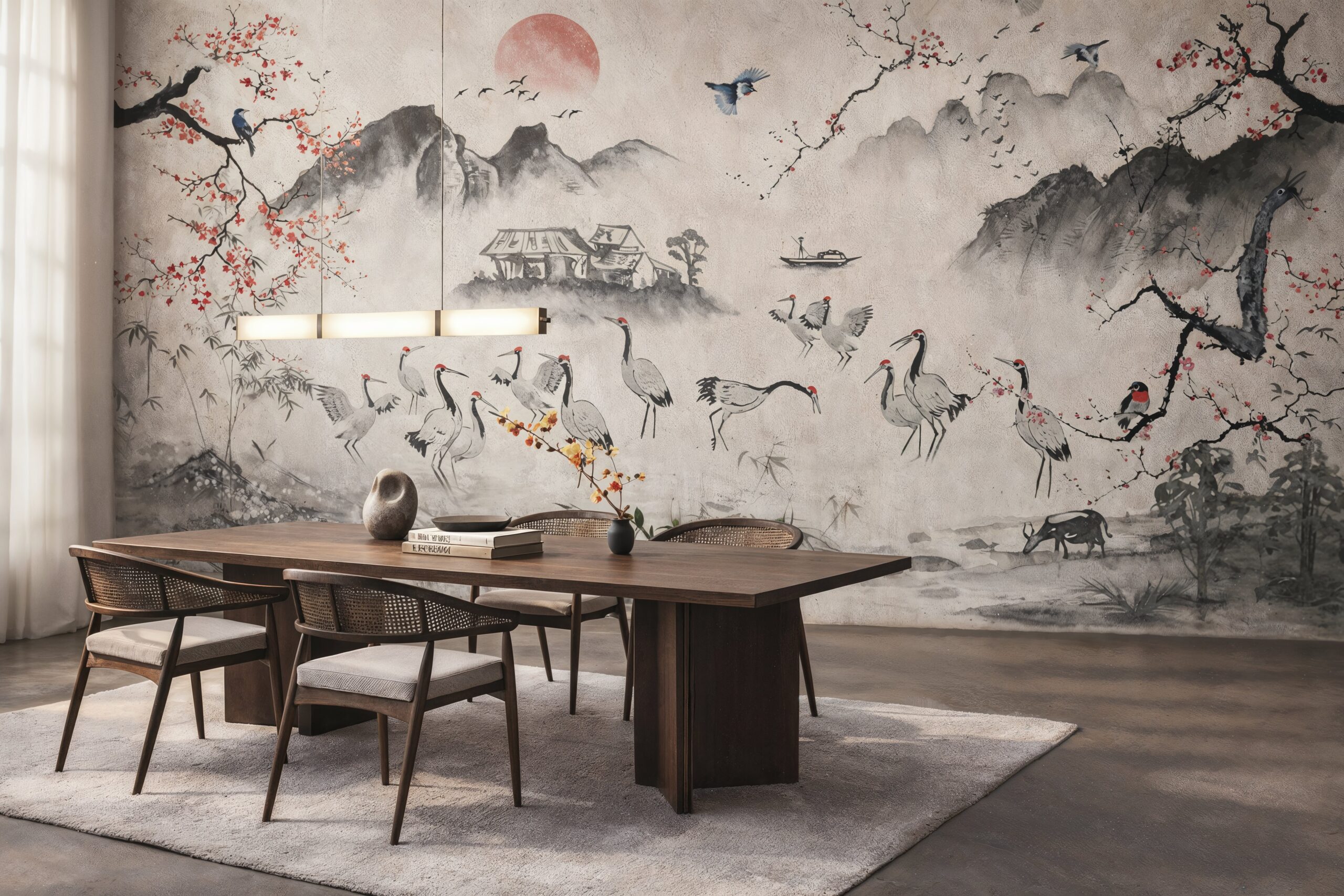
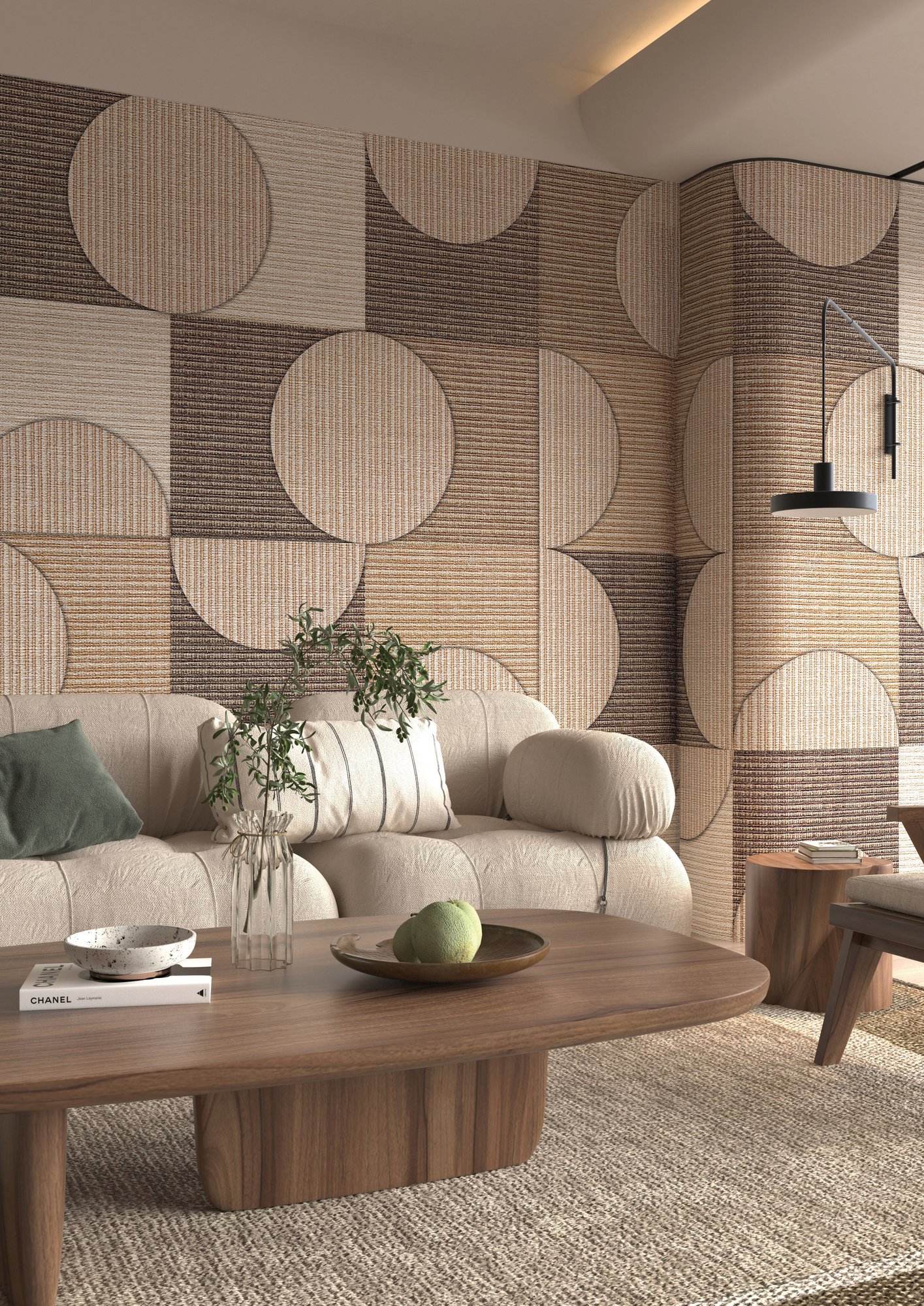
Non-woven wallpaper is an excellent choice for living and dining spaces. Its breathability suits these well-ventilated areas, and the paste-the-wall method means faster installation with less disruption. The design range available in non-woven includes sophisticated patterns from Japanese and European collections that work beautifully as feature walls.
Bedrooms
Non-woven wallpaper is ideal for bedrooms due to its breathability and low-VOC properties. Many non-woven products use water-based inks that contribute to better indoor air quality — an important consideration for children’s rooms and master bedrooms.
Kitchen and Wet Areas
Vinyl wallpaper is the stronger choice for kitchens and areas near water sources. Its scrubbable surface handles grease splashes and food stains without damage. Solid vinyl wallpaper offers the highest moisture resistance for these applications.
Corridors and High-Traffic Zones
Vinyl wallpaper’s abrasion resistance makes it better suited to corridors, entryways, and areas subject to regular contact. In HDB and condo layouts where the corridor leads directly from the main door, a durable vinyl wallcovering can withstand years of daily use.
Explore Goodrich Global’s wallpaper and wallcovering collection to find options in both vinyl and non-woven formats across a range of styles.
Cost and Value Considerations
In Singapore, vinyl wallpaper and non-woven wallpaper overlap significantly in price. The cost per roll depends more on the brand, design complexity, and collection than on the substrate type alone. Japanese wallpapers from manufacturers like Sangetsu tend to offer competitive pricing across both categories.
Where cost differences emerge is in installation and lifecycle. Non-woven wallpaper’s paste-the-wall method can reduce labour time, potentially lowering installation costs. Its dry-strippable removal also means lower costs when it is time to redecorate, as the old wallpaper comes off cleanly without professional steaming.
Vinyl wallpaper may offer better long-term value in high-moisture or high-traffic areas, where its superior durability extends the replacement cycle. Consider the total cost of ownership rather than just the upfront price per roll.
Final Thoughts
Both vinyl and non-woven wallpaper have legitimate strengths for Singapore homes. Vinyl excels in moisture resistance and scrub durability, making it the go-to for kitchens, wet areas, and high-traffic zones. Non-woven offers breathability, easier installation, and simpler removal, suiting living rooms, bedrooms, and feature walls. Many homeowners use both types across different rooms within the same property.
Request free samples from our Singapore showroom to compare vinyl and non-woven wallpaper textures and finishes before making your decision.