Wallpaper & Wallcovering
Wall Protection Systems for Commercial Buildings
Wall protection systems for commercial buildings safeguard interior surfaces against the inevitable wear and damage that comes with high foot traffic, moving equipment, and daily operations. In Singapore’s commercial landscape — from hospital corridors and hotel hallways to office lobbies and shopping centres — unprotected walls deteriorate rapidly, leading to costly repainting and repair cycles.
A well-specified wall protection strategy reduces long-term maintenance costs, preserves the aesthetic integrity of interior spaces, and contributes to a professional first impression that visitors and tenants expect.
Why Commercial Walls Need Dedicated Protection
Commercial interiors face abuse that residential walls rarely experience. Luggage trolleys scrape hotel corridors. Wheelchairs and gurneys collide with hospital walls. Delivery carts nick the surfaces of office lobbies. Over time, these impacts accumulate into visible damage that degrades the building’s appearance and increases maintenance budgets.
In Singapore, where commercial buildings are expected to maintain high standards of presentation — particularly in Grade A office towers, healthcare facilities, and hospitality properties — wall damage is more than a cosmetic issue. It signals neglect and undermines the professionalism that tenants and visitors expect.
Repainting a commercial corridor may cost thousands of dollars and cause operational disruption. Wall protection systems prevent the damage before it occurs, delivering a return on investment within the first few years of installation.
Types of Wall Protection Systems
Modern wall protection encompasses a range of products designed for different zones, impact levels, and aesthetic requirements.
Corner Guards
External wall corners are the most vulnerable points in any commercial interior. Corner guards — available in stainless steel, aluminium, PVC, and rubber — absorb impacts that would otherwise chip plaster and damage paintwork. Surface-mounted and recessed options suit different aesthetic preferences. Clear corner guards provide protection without being visually obvious.
Crash Rails and Handrails
Installed at specific heights along corridors, crash rails intercept trolley and cart impacts before they reach the wall surface. In hospitals, they often serve dual purpose as handrails for patient support. Crash rails are typically mounted at 150mm and 900mm above floor level — corresponding to the heights of wheelchair footrests and trolley bumpers respectively.
Wall Panels and Sheets
For maximum coverage, rigid wall panels protect large surface areas from skirting level to a height of 1,200mm or more. These are common in hospital corridors, commercial kitchens, and back-of-house areas. Materials include rigid PVC, phenolic resin, and high-pressure laminate (HPL). Some panels incorporate antimicrobial additives for healthcare environments.
Wall Guards and Bumper Rails
Rubber or vinyl bumper strips installed at specific impact zones provide targeted protection. They are particularly useful in loading docks, service corridors, and car park lobbies where heavy equipment and vehicles create concentrated impact points.
Protective Wallcoverings
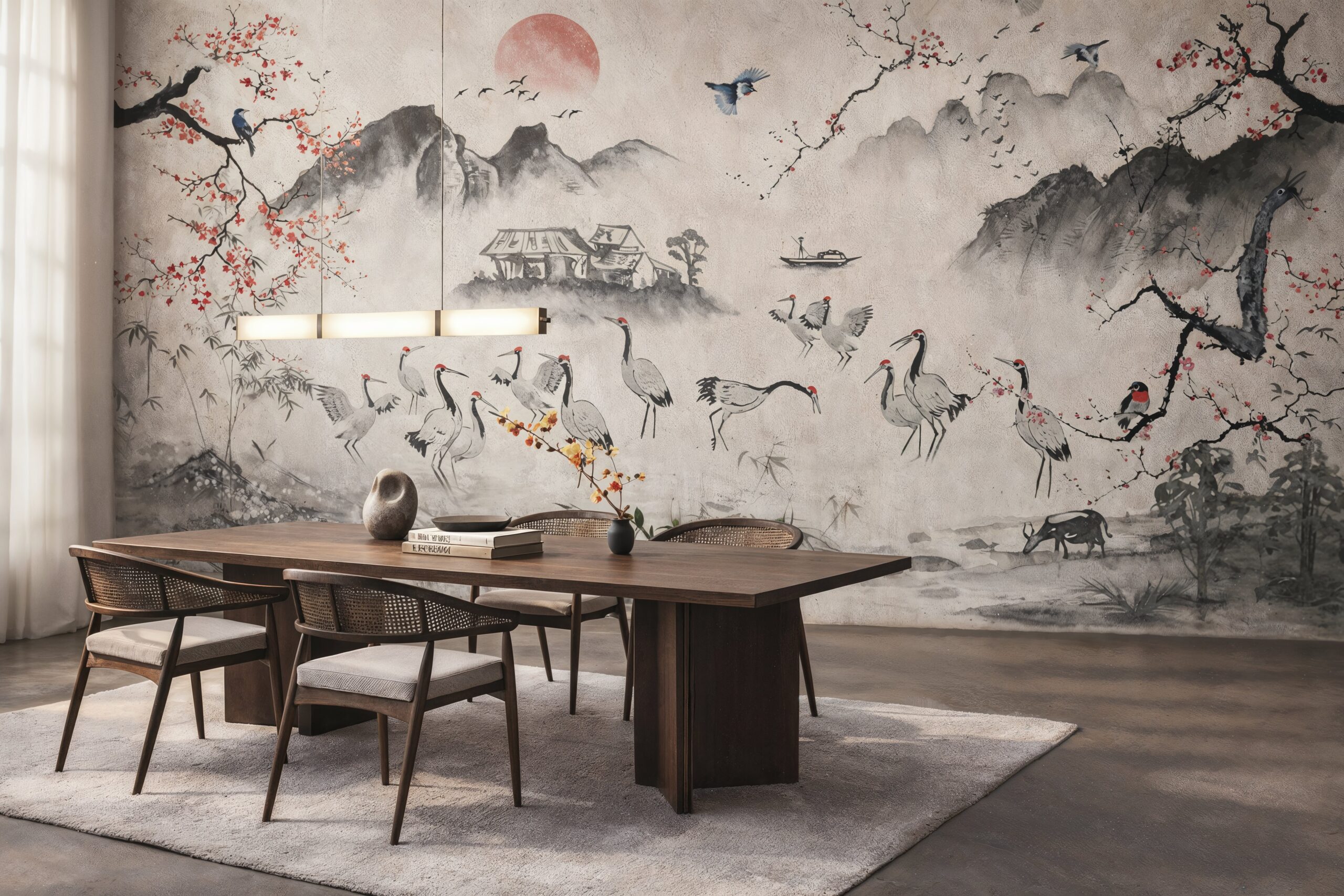
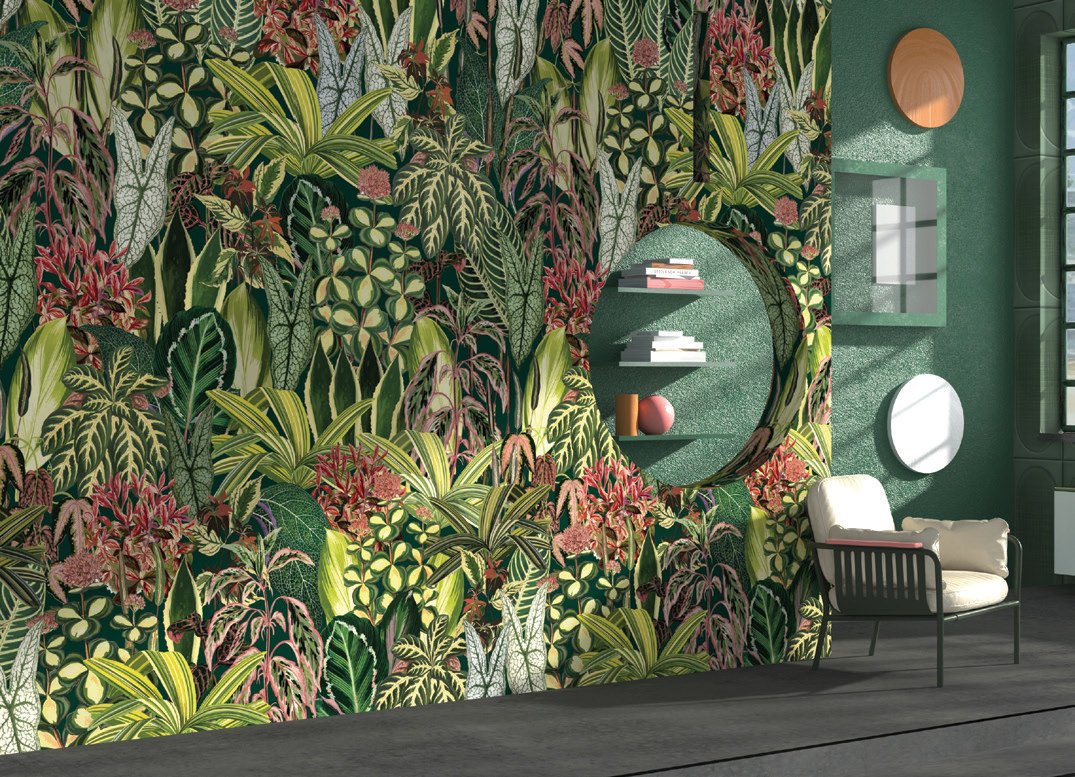
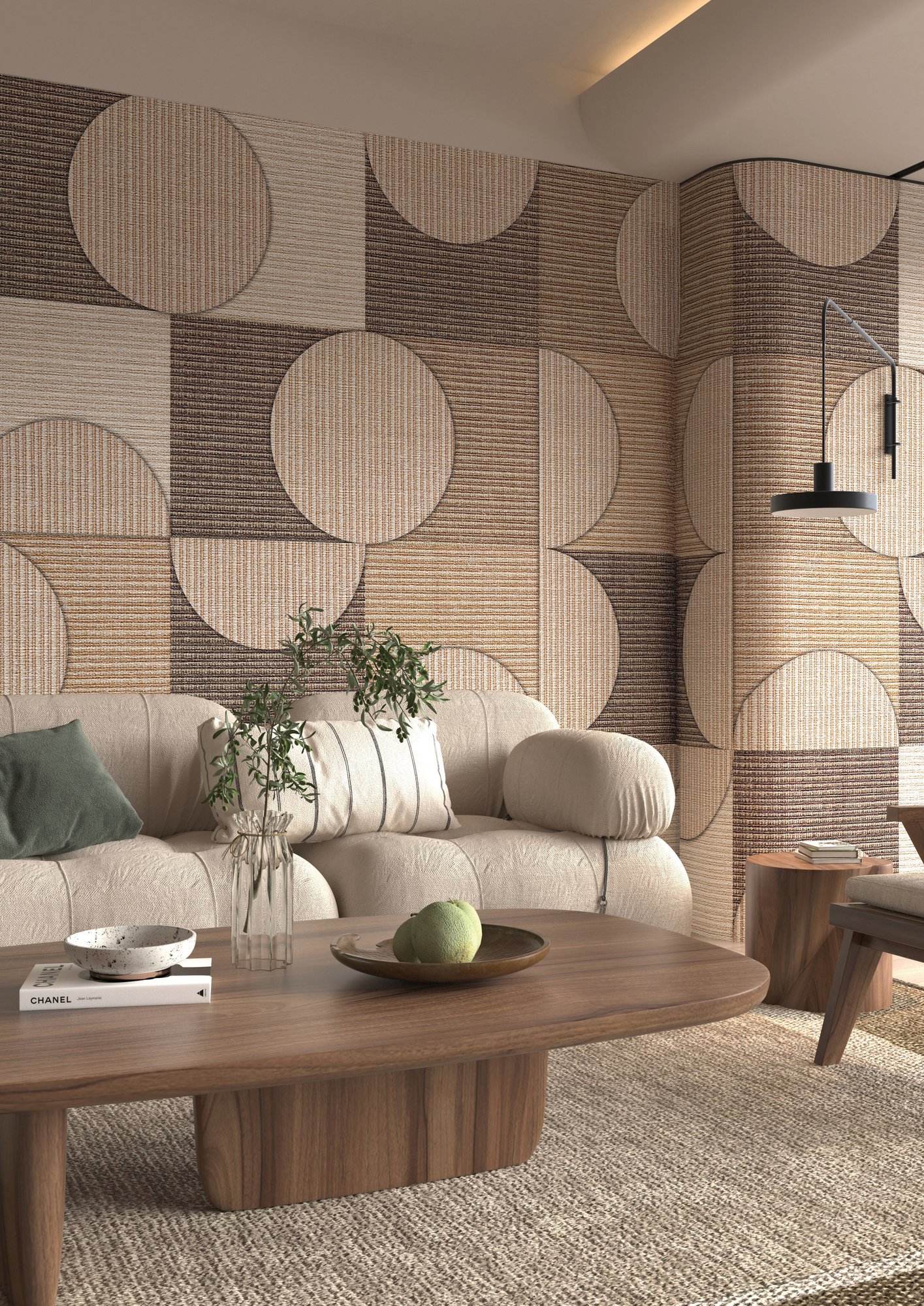
Heavy-duty vinyl wallcoverings with enhanced abrasion resistance offer a design-forward alternative to traditional wall protection hardware. These products protect the wall while providing the aesthetic finish of decorative wallpaper — an increasingly popular solution for front-of-house areas in hotels, offices, and retail spaces where visible crash rails would compromise the design intent.
Selecting the Right System by Building Type
The appropriate wall protection strategy depends on the building type, traffic patterns, and aesthetic requirements of each space.
| Building Type | Key Impact Risks | Recommended Systems |
|---|---|---|
| Hospital / Healthcare | Gurneys, wheelchairs, cleaning carts | Crash rails, handrails, full-height wall panels |
| Hotel | Luggage trolleys, housekeeping carts | Corner guards, protective wallcoverings, crash rails |
| Office tower | Furniture moves, delivery trolleys | Corner guards, bumper rails in service corridors |
| Shopping centre | Trolleys, strollers, high foot traffic | Wall panels in BOH, corner guards in public areas |
| School / Childcare | Constant contact, scuffs, general wear | Wall panels to dado height, corner guards |
Design Integration: Protection That Looks Good
The perception that wall protection products are purely functional — industrial-looking strips bolted to otherwise elegant walls — is outdated. Contemporary wall protection systems are designed to integrate seamlessly with interior design schemes.
Crash rails now come in a wide range of colours and finishes, including timber-look, metallic, and custom-coloured options that coordinate with the building’s colour palette. Corner guards can be colour-matched to wall finishes for a near-invisible appearance. Wall panels are available in textures and patterns that rival decorative wallcoverings.
For hotels and premium office lobbies, commercial wallcoverings from Goodrich Global can serve as both decorative finish and protective layer. Heavy-duty vinyl wallcoverings rated to Type II standards provide meaningful protection against scuffs and light impacts while delivering the visual sophistication that front-of-house areas demand.
The key is specifying wall protection early in the design process, not as an afterthought. When architects and interior designers incorporate protection into their initial concept, the result is integrated and intentional rather than retrofitted and obvious.
Specification and Compliance Considerations
Specifying wall protection for commercial buildings in Singapore involves several regulatory and practical factors.
Fire Safety
All wall-mounted products must meet SCDF fire safety requirements. Most commercial wall protection products carry Class 0 or Class 1 fire ratings, but verification is essential, particularly for healthcare and hospitality installations where fire safety compliance is rigorously enforced.
Accessibility Standards
In buildings subject to the BCA Code on Accessibility, handrails and crash rails must meet specified height, diameter, and mounting requirements. Wall protection that doubles as a handrail must support the required load ratings and provide appropriate grip surfaces.
Hygiene Standards
Healthcare facilities require wall protection with antimicrobial properties, seamless joints that prevent bacterial harbourage, and surfaces that withstand hospital-grade disinfectants. Products with silver-ion or copper-based antimicrobial treatments are increasingly specified for infection-sensitive environments.
Lifecycle Costing
When evaluating wall protection investments, consider the total cost of ownership rather than upfront material costs alone. A high-quality crash rail system that prevents repainting cycles will pay for itself many times over during a typical commercial lease period.
Installation and Maintenance
Professional installation ensures wall protection products perform as intended. Incorrect mounting can result in products that detach under impact — defeating their purpose and creating a safety hazard.
Maintenance is generally straightforward. Most commercial wall protection products can be cleaned with standard commercial cleaning agents. Damaged sections — a cracked corner guard or a dented crash rail cover — can typically be replaced individually without disturbing adjacent sections, minimising disruption and cost.
For a comprehensive assessment of your building’s wall protection needs, book an appointment with Goodrich Global’s commercial team to discuss solutions tailored to your facility.
Final Thoughts
Wall protection systems are a practical investment that preserves the appearance and value of commercial interiors over the long term. By specifying the right combination of corner guards, crash rails, wall panels, and protective wallcoverings, building owners and facility managers can dramatically reduce maintenance costs while maintaining the professional standards that tenants and visitors expect.
In Singapore’s demanding commercial environment, prevention is always more cost-effective than repair.
Get a free quote for your project today and explore wall protection solutions for your commercial building.