Wallpaper & Wallcovering
Wallpaper for Restaurants: F&B Interior Ideas
Wallpaper for restaurant interiors plays a defining role in creating the atmosphere that draws diners in, shapes their experience, and keeps them coming back. In Singapore’s fiercely competitive F&B scene, where new concepts launch every week, the dining environment is as important as the menu. Well-chosen wallcoverings establish mood, reinforce brand identity, and differentiate a restaurant from the dozens of alternatives within walking distance.
From hawker-inspired coffee shops to fine dining establishments, wallpaper offers designers a versatile tool to build immersive dining environments efficiently and cost-effectively.
Why Wallpaper Suits Restaurant Interiors
Restaurants require interiors that make an immediate visual impact while standing up to heavy daily use. Wallpaper excels on both fronts when specified correctly.
Visually, wallcoverings deliver complexity that paint cannot. Texture, pattern, metallic finishes, and photographic imagery create layered environments that feel considered and intentional. A single feature wall can anchor an entire design concept, setting the tone for the dining experience the moment a guest walks through the door.
Practically, commercial-grade vinyl wallcoverings withstand the rigours of F&B environments: grease splatter near kitchens, drink spills, chair backs scraping against walls, and daily cleaning with commercial detergents. Type II and Type III vinyl wallcoverings are rated for exactly these demands.
Installation speed is another advantage for restaurant projects. In Singapore’s competitive leasing market, every day a venue sits empty costs money. Wallpaper can transform a space in a fraction of the time required for elaborate paint effects, panelling, or tile work, helping restaurants open faster after renovation.
Design Approaches by Restaurant Type
The right wallcovering choice depends on the dining concept, target clientele, and intended atmosphere.
Casual Dining and Cafes
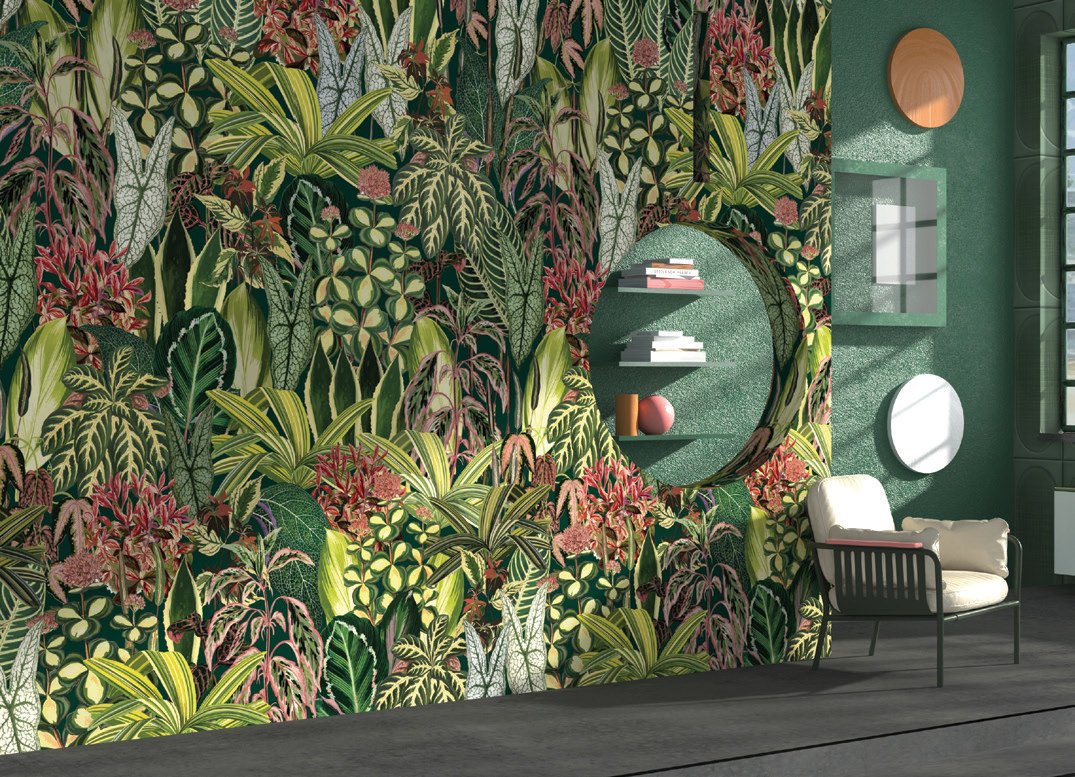
Bright, approachable patterns work well for casual concepts targeting families, young professionals, and the brunch crowd. Botanical prints, geometric patterns in cheerful palettes, and illustrated murals create photogenic interiors that encourage social media sharing, an invaluable form of free marketing in Singapore.
Fine Dining
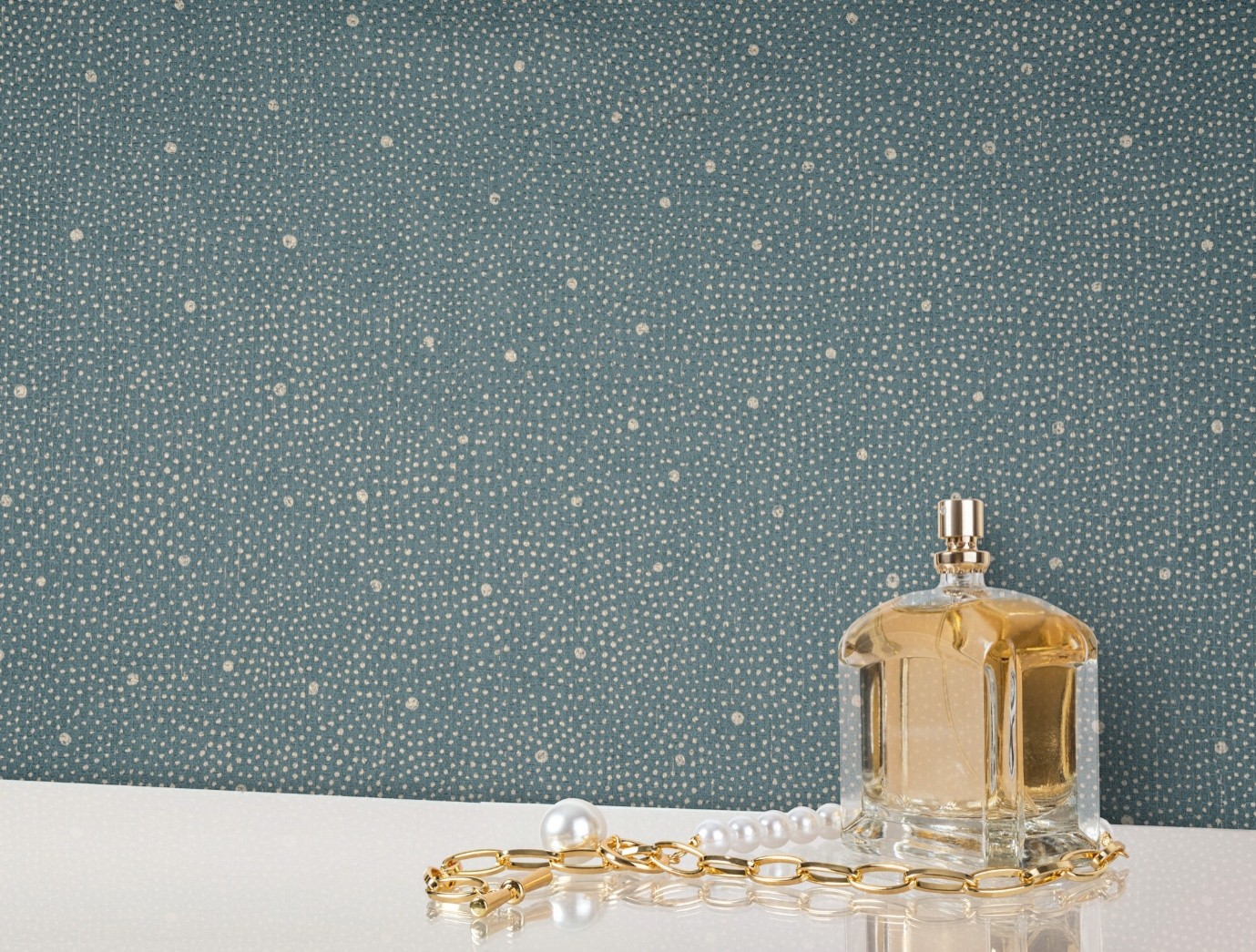
Restraint and material quality define fine dining interiors. Rich textures such as silk-effect wallcoverings, subtle damask patterns, or hand-finished metallic surfaces create an atmosphere of understated luxury. The wallcovering should support the dining experience without competing with the food or the tablescape for attention.
Heritage and Themed Restaurants
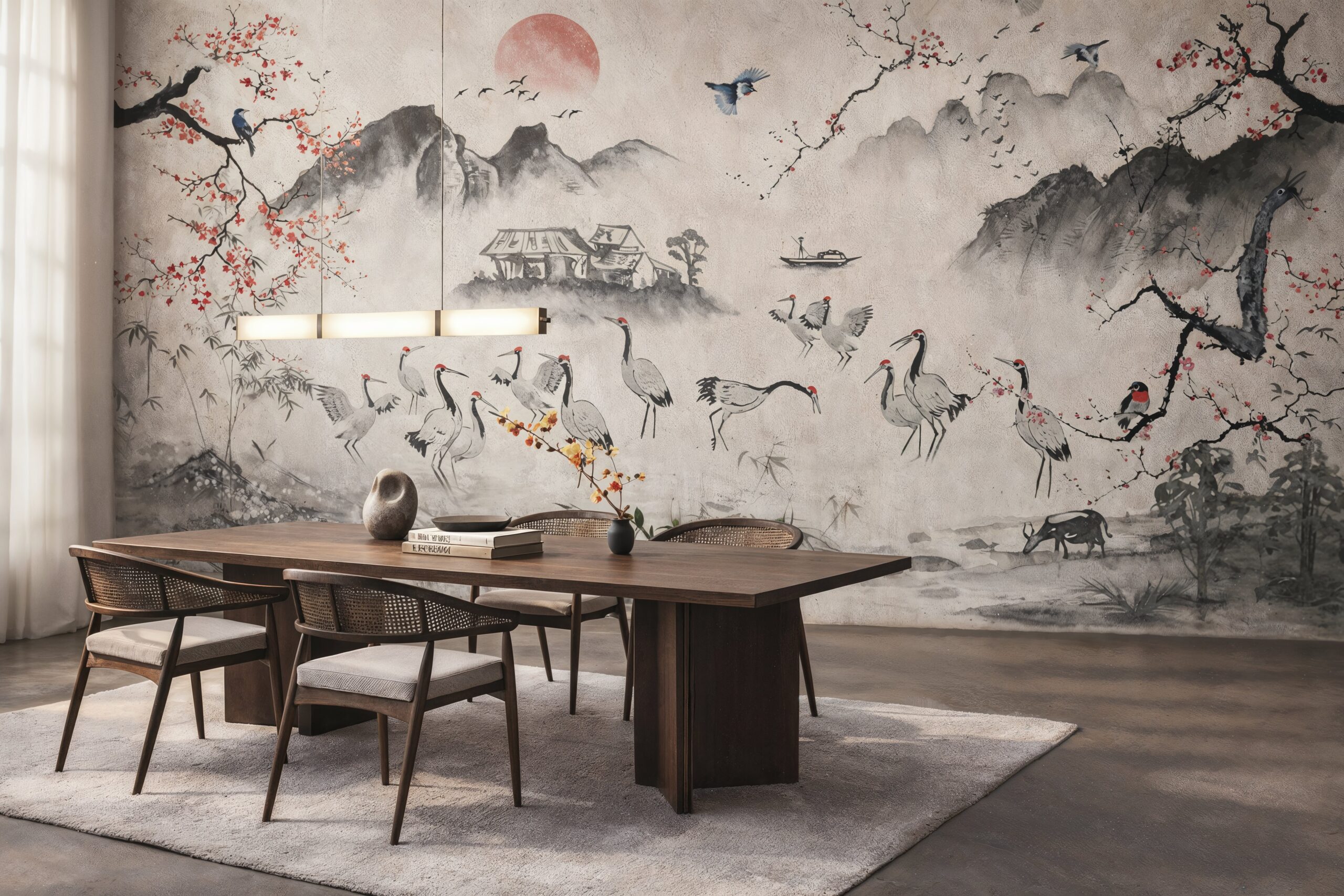
Restaurants built around a specific cultural or historical theme benefit enormously from custom-printed wallcoverings. A Peranakan-inspired restaurant might feature enlarged Peranakan tile patterns, while a Japanese izakaya could use textured wallcoverings that evoke traditional washi paper. These details build authentic-feeling environments that transport diners.
Fast Casual and Quick Service
High-energy, high-turnover restaurants need bold, durable wallcoverings that make an impression quickly. Graphic patterns, strong colours, and oversized brand elements work well in spaces where guests may only stay for twenty to thirty minutes. Durability is paramount, as these walls see the heaviest traffic.
Performance Requirements for F&B Environments
Restaurant wallcoverings must meet higher performance standards than residential or even typical commercial applications. The combination of cooking grease, steam, food odours, and frequent cleaning creates a demanding environment.
- Stain resistance: The wallcovering must resist food and beverage stains and be cleanable with commercial kitchen-grade detergents without surface degradation
- Scrub resistance: Daily wiping and periodic deep cleaning require a surface that can handle hundreds of cleaning cycles without losing colour or texture
- Fire rating: All wall finishes in F&B premises must comply with SCDF fire safety requirements. Type II vinyl wallcoverings typically meet or exceed these standards
- Odour resistance: Some wallcoverings absorb cooking odours over time. Vinyl-faced products with sealed surfaces resist odour absorption more effectively than porous textiles
- Moisture resistance: Kitchens and bar areas generate significant steam and moisture. Vinyl wallcoverings on moisture-resistant backings perform reliably in these zones
Goodrich Global’s commercial wallcovering range includes products specifically rated for high-performance F&B applications, with full technical specifications available for designers and fit-out contractors.
Strategic Placement Within the Restaurant
Not every wall in a restaurant needs wallpaper. Strategic placement maximises visual impact while managing costs and maintenance.
The entrance and waiting area creates the first impression. A signature wallcovering here sets expectations and establishes the brand. Feature walls visible from the dining floor serve a similar purpose, providing a visual anchor that defines the space and creates a backdrop for social media photographs.
Private dining rooms and VIP areas benefit from premium wallcoverings that signal exclusivity. Textured, hand-finished, or custom-printed wallpapers elevate these spaces and justify premium pricing for private bookings.
Washrooms are an often-underestimated opportunity. A bold or unexpected wallcovering in the restroom creates a memorable moment and is one of the most photographed elements in many restaurants. Ensure the wallcovering specified for washrooms is moisture-rated and mould-resistant.
Back-of-house corridors and kitchen-facing walls should use the most durable, scrubbable wallcoverings available, prioritising function over decorative impact.
Longevity and Replacement Planning
Restaurant interiors typically undergo a refresh every three to five years to maintain relevance and address wear. Wallcovering selection should factor in this lifecycle.
High-quality commercial wallcoverings maintain their appearance for five to seven years under typical restaurant conditions. Budget for replacement wallcovering costs when planning the initial fit-out to avoid surprises during the refresh cycle.
Choosing non-woven backed wallpapers simplifies future removal. These products strip cleanly in full sheets, reducing labour costs and minimising wall damage during the next renovation. This is a significant advantage over paint effects or textured plaster, which require extensive preparation before a new finish can be applied.
For restaurant groups with multiple outlets, establishing a wallcovering specification standard ensures consistent brand presentation across locations while streamlining procurement and installation processes.
Final Thoughts
Wallpaper for restaurants is a high-impact, practical design solution that creates atmosphere, reinforces branding, and handles the demanding conditions of F&B environments. In Singapore’s saturated dining market, distinctive interiors are a genuine competitive advantage, and well-specified wallcoverings deliver that distinction efficiently. The key is matching the wallcovering’s performance characteristics to the specific demands of each zone within the restaurant.
Get a free quote for your project today and discuss commercial wallcovering options with our team.