Articles / Wallpaper & Wallcovering
12 July 2023
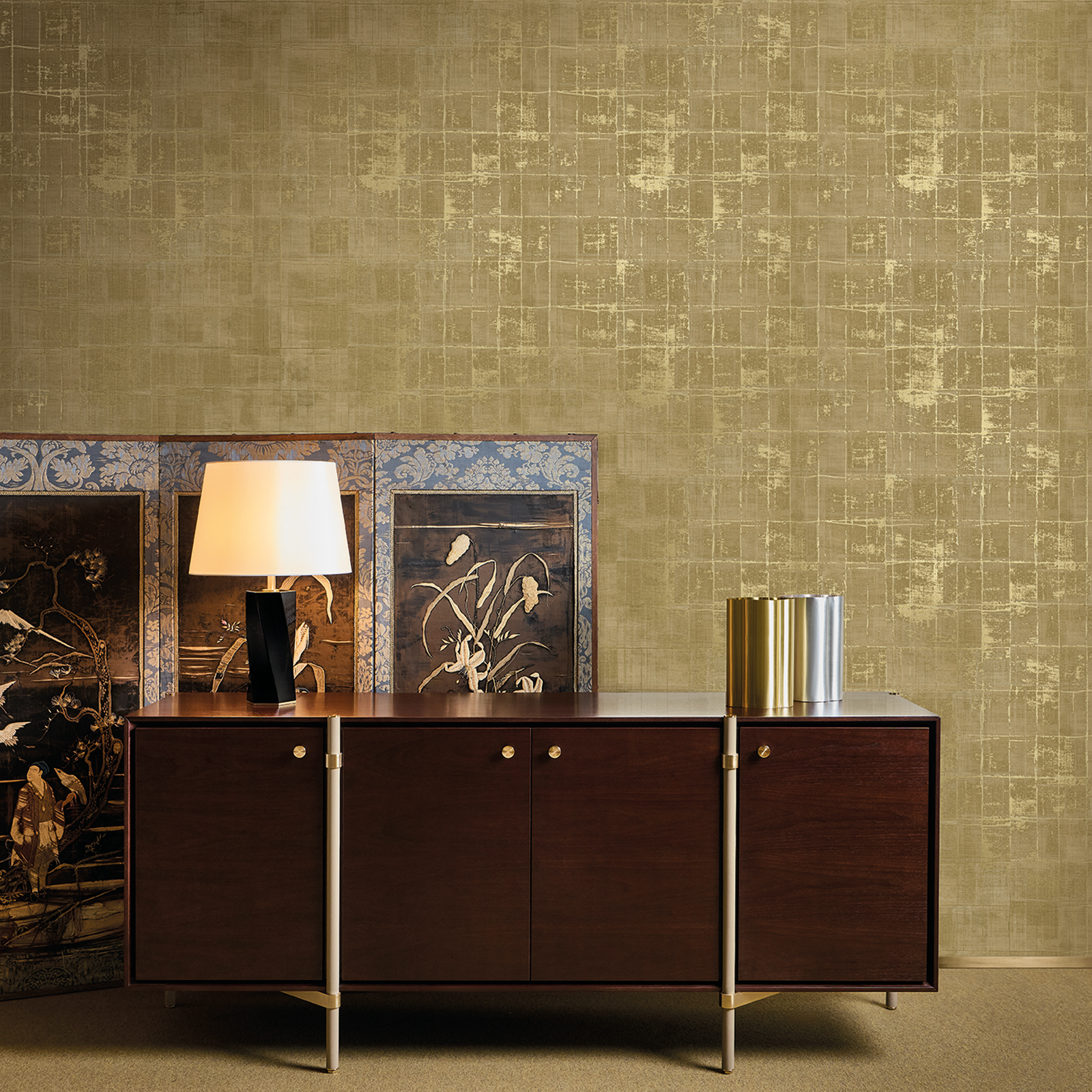
Wallcovering is designed mostly for commercial applications such as bars, outdoor decking spaces, lobbies and corridors, and products like vinyl can be cleaned easily even in heavy traffic. Wallpaper is mainly made from paper, so it is commonly used in residential areas and low-traffic places instead.
Wallcovering products such as vinyl and carpet can be cleaned with mild soap and warm water, then dried with a lint-free cloth using a blotting action. This keeps them easy to maintain even in heavy-traffic applications such as bars, lobbies and corridors, where regular cleaning is expected.
Yes. With proper installation, wallcoverings result in fewer seams and less wastage than wallpapers. This is one of the practical advantages of wallcovering over wallpaper, alongside its easy cleaning, and it is part of why wallcovering is the usual choice for commercial spaces such as lobbies and corridors.
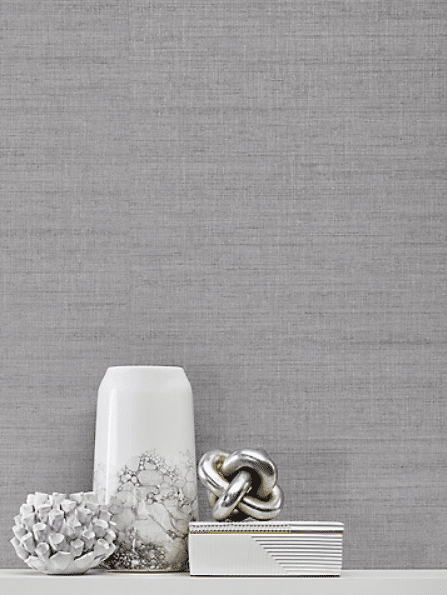
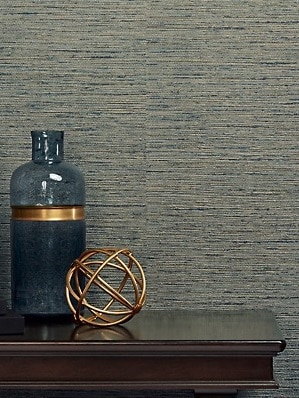
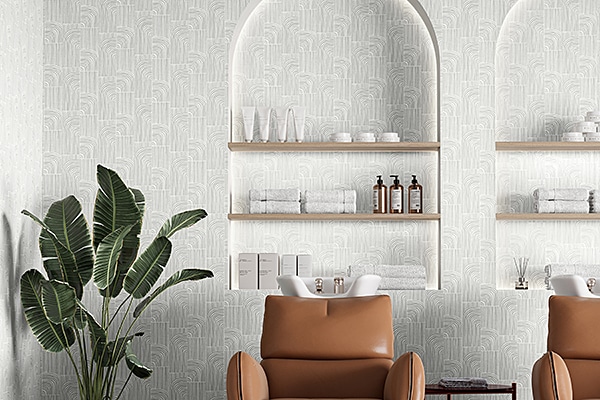
Yes. Wallpaper is perfect for accent walls because it comes in a huge range of designs, textures, patterns and colours, including special designs you want for a feature wall. It is also easy to clean, and with proper maintenance its colours may last longer than expected.
Yes. Both are good alternatives to paint for creating an eye-catching wall, and with proper installation and maintenance both can last long. The difference lies in the needs of your space: residential and low-traffic areas suit wallpaper, while high-traffic commercial areas suit wallcovering.
Wallpaper is mainly made from paper, which is why it is commonly used in residential areas and places with low-traffic applications. Because it is mostly paper, it can come in special designs, textures, patterns and colours, so it is popular for accent walls where a distinctive look matters more than heavy-duty durability.