Interior Design
West-Facing Unit Interior Tips: Managing Heat and Glare
The West-Facing Challenge in Singapore
If you own a west-facing unit in Singapore, you are familiar with the intense afternoon sun that floods your home from around 1 p.m. to 7 p.m. daily. The western sun in our tropical location is particularly harsh, driving up indoor temperatures and causing uncomfortable glare that can make living spaces unusable during peak hours.
While you cannot change your unit’s orientation, you can make smart interior design choices that significantly reduce heat gain and glare. The right combination of window treatments, wall finishes, flooring and layout strategies can transform a sweltering west-facing flat into a comfortable, liveable home. Many of these solutions are straightforward to implement during a renovation and some can even be added after you have moved in.
Window Treatments: Your First Line of Defence
Curtains and blinds are the most effective tools for managing direct sunlight in a west-facing unit. The key is choosing materials with genuine solar performance, not just decorative appeal.
Blackout curtains are the most effective option for rooms that receive intense direct sun. When fully drawn, they block virtually all sunlight and significantly reduce heat transfer through the glass. Choose blackout curtains in lighter exterior-facing colours, as these reflect more solar radiation than dark colours.
Dimout curtains offer a middle ground, filtering sunlight while maintaining some natural light. They are ideal for living rooms where you want glare control without complete darkness. Quality dimout drapery fabrics can block 70 to 90 per cent of light while still allowing a soft, diffused glow.
Sheer plus blackout layering is the most versatile approach. Install a sheer curtain layer closest to the window and a blackout or dimout layer behind it. During mornings and overcast days, use only the sheers for soft, filtered light. When the afternoon sun hits, draw the outer layer for full protection.
For the best results, extend your curtain track 15 to 20 centimetres beyond each side of the window frame. This prevents sunlight from leaking around the edges and creates a more complete barrier.
Wall Finishes That Help
The walls of a west-facing unit absorb solar heat throughout the afternoon, radiating it back into the room even after the sun sets. Your choice of wall finishes can influence how much heat your walls absorb and how the space feels visually.
Light-coloured walls reflect more light and absorb less heat than dark walls. Whites, pale greys, soft creams and pastel tones are practical choices for west-facing rooms. They also help brighten the space during morning hours when direct sunlight is absent.
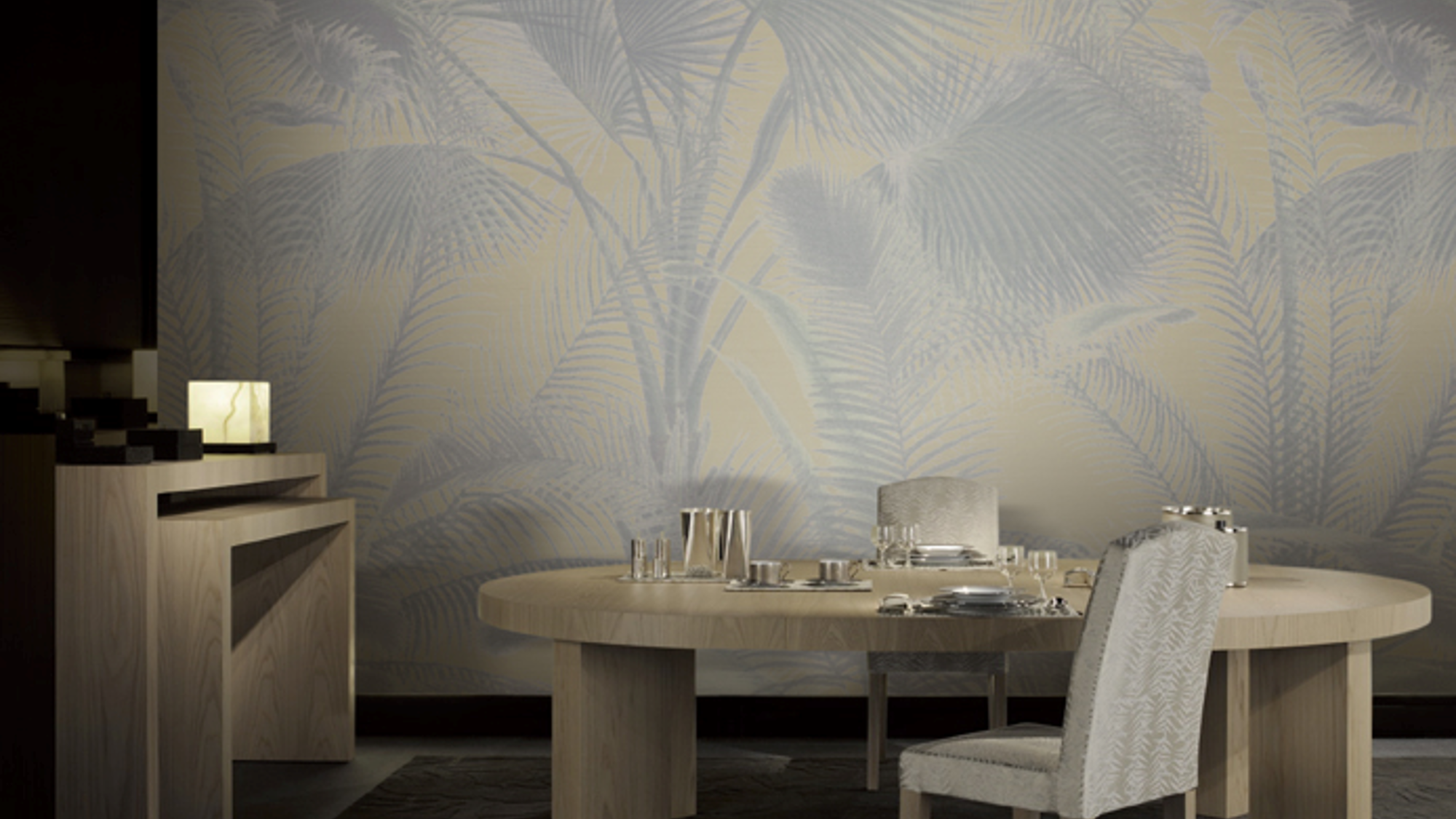
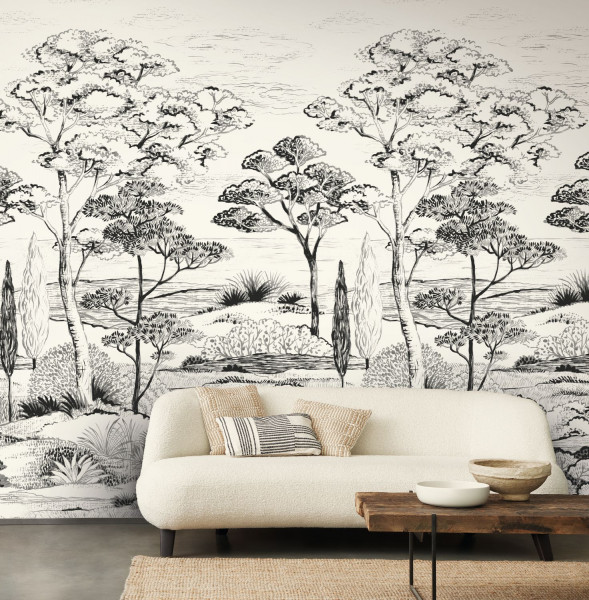
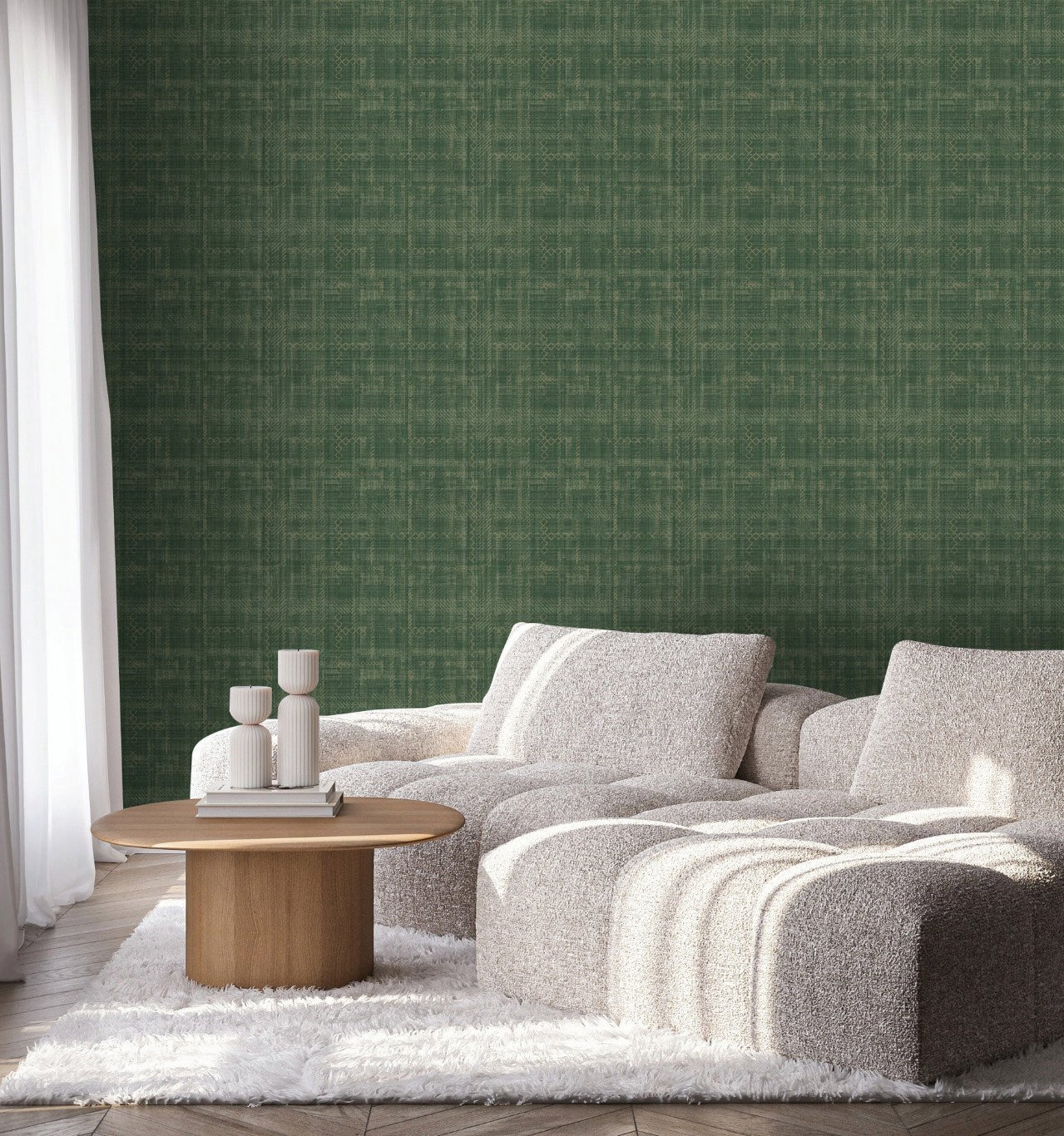
Wallpaper and wall coverings can also contribute to thermal comfort. Textured wallpapers add an insulating layer to the wall surface, and certain vinyl-backed wallpapers provide a modest barrier against heat transfer. Beyond function, wallpaper in light, reflective finishes can help bounce light deeper into the home.
For the wall that receives the most direct sun exposure, consider a feature treatment in a cool-toned, light-reflective finish. This draws the eye without absorbing excess heat.
Flooring Choices for West-Facing Units
Your flooring material affects how warm your home feels underfoot and how much heat is retained in the room. This is an often-overlooked consideration in west-facing units.
Porcelain and ceramic tiles absorb heat during the afternoon and release it slowly, keeping the floor warm even after the sun has moved on. In a west-facing unit, this thermal mass effect can make the room feel stuffy well into the evening.
Luxury vinyl flooring is a better choice for west-facing rooms. Vinyl does not absorb and retain heat the way ceramic tiles do, so it stays closer to ambient room temperature throughout the day. The cushioned surface also feels more comfortable underfoot in a home where the floor temperature can fluctuate.
If you prefer a tile aesthetic, vinyl tiles in stone or concrete effects deliver the look without the thermal drawbacks. Light-coloured flooring is particularly advisable in west-facing units, as it reflects light rather than absorbing it and helps maintain a cooler visual impression.
Layout and Furniture Strategies
How you arrange your furniture and zones can make a significant difference in how comfortable your west-facing unit feels.
Position your sofa and main seating away from west-facing windows. Place seating against the east or south walls where you will not face directly into the afternoon glare. This simple repositioning can dramatically improve living room comfort.
Use tall bookshelves or storage units along the west wall. These act as a thermal buffer between the hot wall and the living space, absorbing some heat before it radiates into the room. Books and stored items are effective insulators.
Create a buffer zone near west-facing windows. Use this area for plants, a side table or a reading nook that is only used during cooler hours. Avoid placing your work-from-home desk or children’s study area near the western window.
Designate afternoon and evening zones. In larger flats, you may have the luxury of shifting your family’s activity to east-facing rooms during the hottest afternoon hours. This is easier said than done in compact HDB flats, but even moving to a bedroom with drawn curtains can provide relief.
Minimise heat-generating activities in the afternoon. Avoid using the oven, running the dryer or ironing during the hottest part of the day. These activities add internal heat to an already warm west-facing unit. Shift cooking to the morning or evening and use the microwave or air fryer for afternoon meals, as they generate less ambient heat than a full oven.
Colour Palette for West-Facing Homes
Colour plays a psychological role in how warm or cool a space feels. In a west-facing unit where warmth is already abundant, your colour palette should create a visual sense of coolness.
Recommended colour families include:
- Cool whites and off-whites with blue or grey undertones
- Pale blues and blue-greys
- Soft sage and muted greens
- Light lavender and mauve
- Cool-toned greys
Avoid warm-toned colours such as orange, deep yellow, terracotta and warm reds on large surfaces. These amplify the perception of warmth and make an already hot room feel even hotter. Warm accents can be introduced sparingly through small accessories and artwork, but the dominant palette should lean cool.
For soft furnishings, choose lightweight, breathable fabrics in cool tones. Linen, cotton and sheer fabrics contribute to an airy atmosphere, while heavy velvets and dark textiles can make a west-facing room feel oppressive.
Additional Cooling Strategies
Beyond interior design choices, several practical measures can further improve comfort in your west-facing unit.
- Window films: Solar control window films can reject a significant portion of solar heat gain while maintaining outward visibility. They are applied directly to the glass and are a worthwhile investment for west-facing windows.
- Ceiling fans: Even with air-conditioning, ceiling fans improve air circulation and allow you to set the aircon at a higher temperature while maintaining comfort. This reduces energy consumption.
- Indoor plants: Strategically placed indoor plants near windows absorb some solar energy and release moisture through transpiration, contributing to a slightly cooler microclimate.
- Cross-ventilation: If your unit layout permits, open windows on opposite sides of the home during cooler evening hours to flush out accumulated heat.
A west-facing unit does not have to be an uncomfortable home. With thoughtful interior choices — from effective curtains and cool-toned finishes to the right flooring and layout — you can create a space that remains comfortable throughout the day.
Looking for heat-friendly flooring and window treatments for your west-facing home? Book an appointment with our design consultants to explore options tailored to your unit’s orientation and layout.