Curtain and Drapery Fabric Singapore — Sheer, Blackout and Decorative Window Treatments
Curtain and Drapery Fabric in Singapore: Sheer, Blackout, and Decorative Options Curtains and drapery do a lot of work in a Singapore interior. They control natural light in rooms flooded by tropical sun, deliver privacy in high-density apartment living, improve acoustic softness in hard-floored spaces, and — when chosen well — carry the design language of a room the same way wallpaper and flooring do. Whether you are dressing the windows of an…
Curtain and Drapery Fabric Singapore — Sheer, Blackout and Decorative Window Treatments
Curtain and Drapery Fabric in Singapore: Sheer, Blackout, and Decorative Options
Curtains and drapery do a lot of work in a Singapore interior. They control natural light in rooms flooded by tropical sun, deliver privacy in high-density apartment living, improve acoustic softness in hard-floored spaces, and — when chosen well — carry the design language of a room the same way wallpaper and flooring do. Whether you are dressing the windows of an HDB bedroom, specifying drapery for a hotel guest room, or coordinating fabrics across a full condominium renovation, the right curtain or drapery fabric makes a measurable difference to how a space looks and feels.
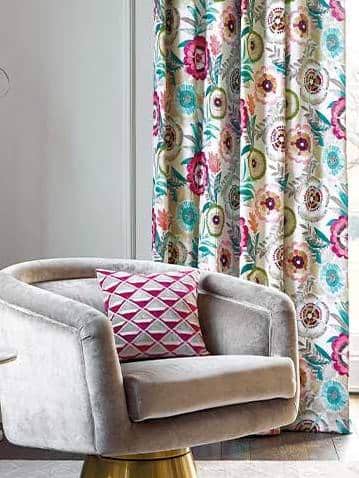
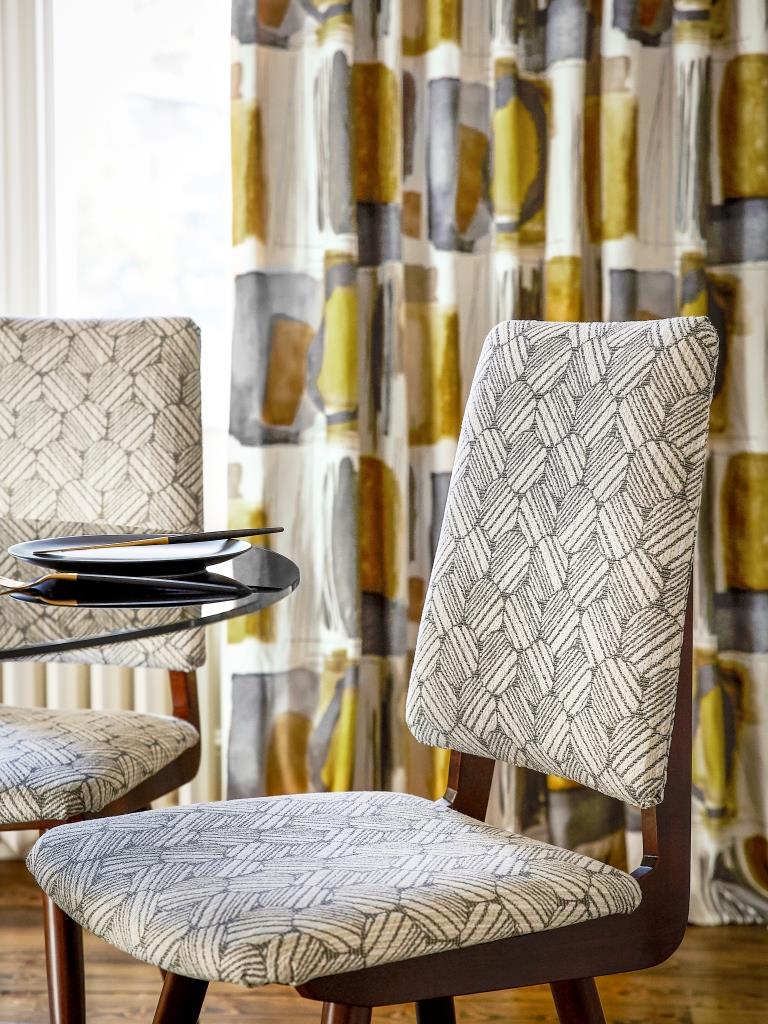
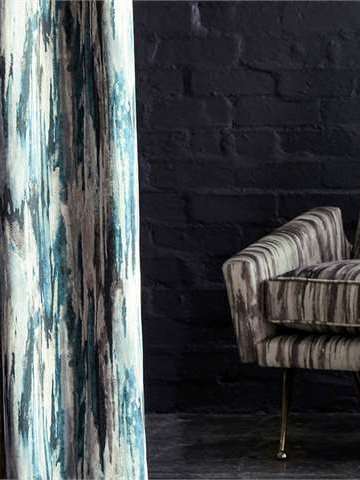
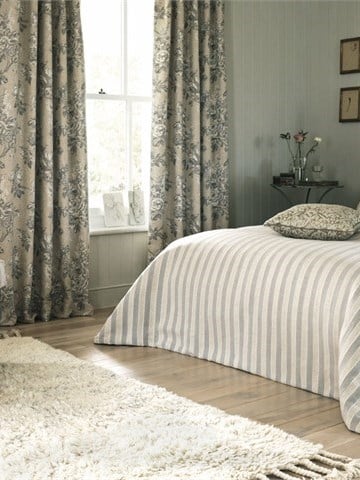
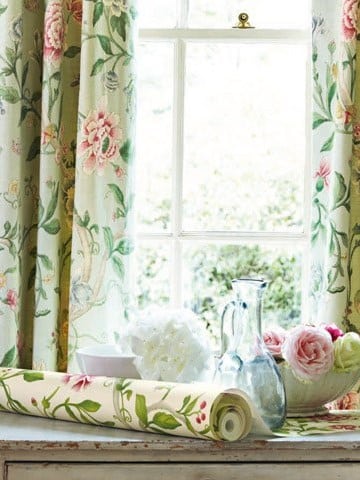
Goodrich Global’s drapery fabric collection spans over 200 products across the three formats that define Singapore window treatments. Sheer fabrics — lightweight weaves and voiles — diffuse direct sunlight and preserve daytime privacy while keeping rooms feeling bright and open. Blackout and dimout fabrics block light for bedrooms, home theatres, and hotel guest rooms where uninterrupted sleep matters. Decorative drapery fabrics — patterned jacquards, textured weaves, and designer prints — serve as the visual focal point in formal living rooms, hotel lobbies, and statement windows. Our range balances Japanese precision, European heritage, and performance-engineered contemporary fabrics.
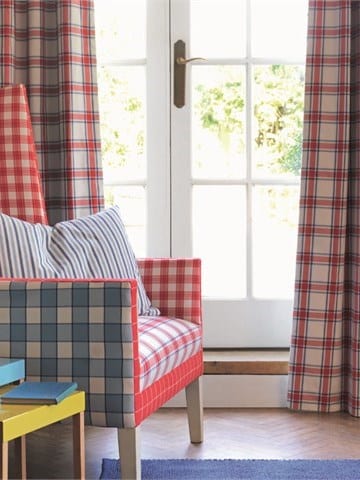
Performance matters in Singapore’s sun-heavy, humid conditions. We stock drapery fabrics with documented UV fastness ratings to resist fading in rooms with large glazing, moisture-resistant finishes for bathrooms and service yards where drapery is used, and fire-rated products for hospitality and commercial specification. Many of our drapery fabrics are dual-purpose and can work for curtains or upholstery, giving interior designers coordinating flexibility across a single room or whole-floor concept.
Our Singapore showroom stocks physical samples across the full drapery range, and our fabric team works with homeowners, interior designers, curtain makers, and commercial specifiers to match products to brief. For bespoke made-to-measure curtains, we can also connect you with trusted fabrication partners. Request fabric samples to see and feel options in your own space, or browse our upholstery fabric range for coordinated selections.
Frequently Asked Questions
How much does curtain fabric cost in Singapore?
Curtain and drapery fabric in Singapore varies widely by construction and origin. Entry-level sheer and lining fabrics start from around $15 per metre, mid-range decorative and performance fabrics sit in the $40 to $80 range, and premium designer or imported fabrics can exceed $150 per metre. Made-up made-to-measure curtains including fabric, lining, heading, and installation typically range from $150 to $500 per window depending on size and fabric specification.
What is the difference between sheer, dimout, and blackout curtains?
Sheer curtains are lightweight, translucent fabrics that diffuse daylight and provide daytime privacy while letting natural light through. Dimout curtains significantly reduce — but do not fully block — incoming light. Blackout curtains use a tightly woven fabric or an additional blackout lining to block all external light, making them ideal for bedrooms, home theatres, and hotel guest rooms. Many Singapore homeowners combine a sheer with a blackout behind it for flexibility across the day.
What curtain fabric works best in Singapore’s climate?
Fabrics with good UV resistance, moisture tolerance, and mould-resistant finishes perform best in Singapore’s sun-heavy, humid conditions. Synthetic fabrics like polyester deliver excellent colourfastness and durability. Linen and natural-fibre blends offer a more refined hand feel but may fade faster in direct sun without UV-stabilised dyes. For west-facing or sun-exposed windows, specifying a fabric with documented UV-fastness rating is important.
How much fabric do I need for curtains?
As a rough guide, allow for two to two-and-a-half times the window width for a properly full, gathered curtain — so a 2-metre-wide window typically needs 4 to 5 metres of fabric per panel, plus additional length for the drop, pattern matching, and hems. For pinch-pleat and full-heading styles, use the higher end of the range. A curtain maker or our team can calculate exact requirements based on your specific windows and heading style.
Can curtain fabric be used for upholstery as well?
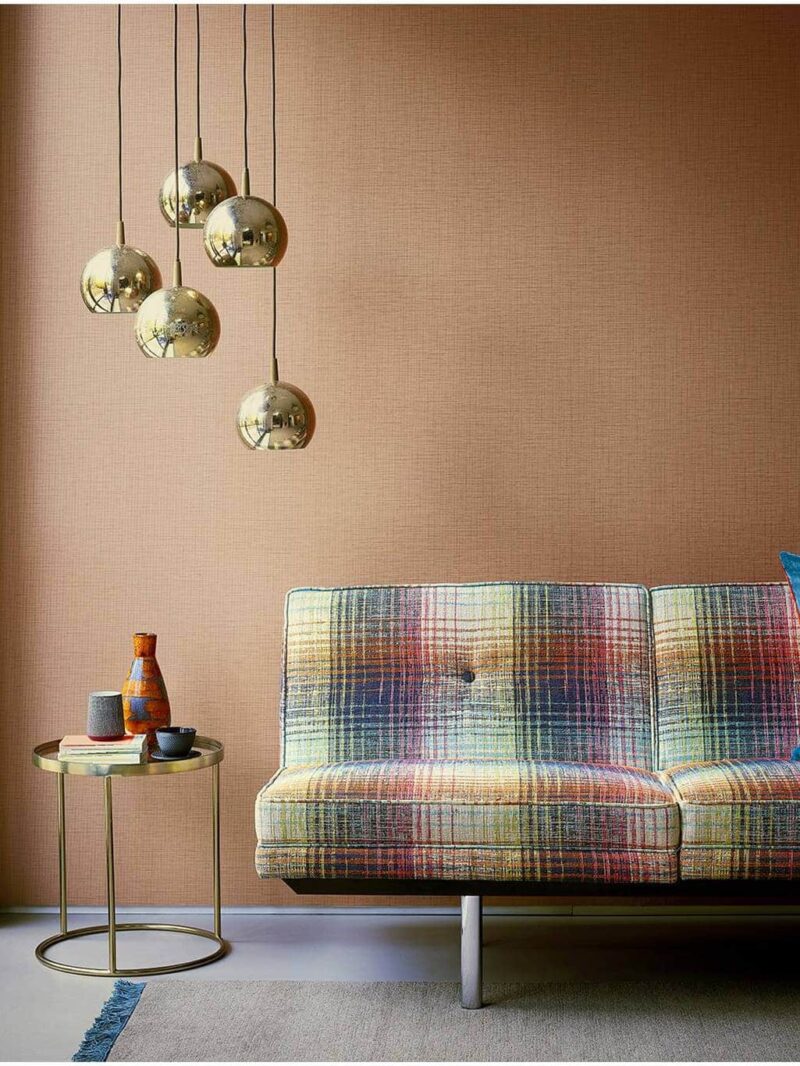
Some fabrics are dual-purpose and suitable for both drapery and light upholstery — check the product’s abrasion rating (Martindale or Wyzenbeek). Drapery-only fabrics are generally too lightweight for upholstery use. For dining chairs and other high-use upholstery, specify a fabric rated for upholstery. Our product specifications clearly list suitable applications for each fabric.
Are fire-rated curtain fabrics available for commercial projects?
Yes. For hospitality, commercial, and institutional projects in Singapore, we carry fire-rated drapery fabrics tested to relevant international standards (such as BS 5867) that meet SCDF requirements. Many hotels and public-access buildings require fire-rated drapery specification. Our commercial team can supply full fire-test documentation for your specification package.
How do I maintain curtains and drapery in Singapore?
Most modern drapery fabrics benefit from light vacuuming every few weeks to remove dust and maintain drape. Professional dry cleaning every twelve to twenty-four months deep-cleans the fabric and restores the finish. In Singapore’s humidity, ensure curtains are thoroughly dried if they become damp, and keep the room ventilated to prevent any risk of mildew. Always follow the specific care instructions for the fabric in question.