Wallpaper & Wallcovering
Wallpaper vs Paint: Which is Better for Singapore Homes?
Wallpaper vs paint is a debate that surfaces in nearly every Singapore renovation discussion. Both options transform interior spaces, but they differ substantially in design range, durability, installation process, and long-term maintenance — differences that matter particularly in our tropical climate, where humidity, condensation, and wall moisture are constant considerations.
This guide offers a balanced comparison to help you decide which wall finish best suits your home, style, and lifestyle.
Design Range and Visual Impact
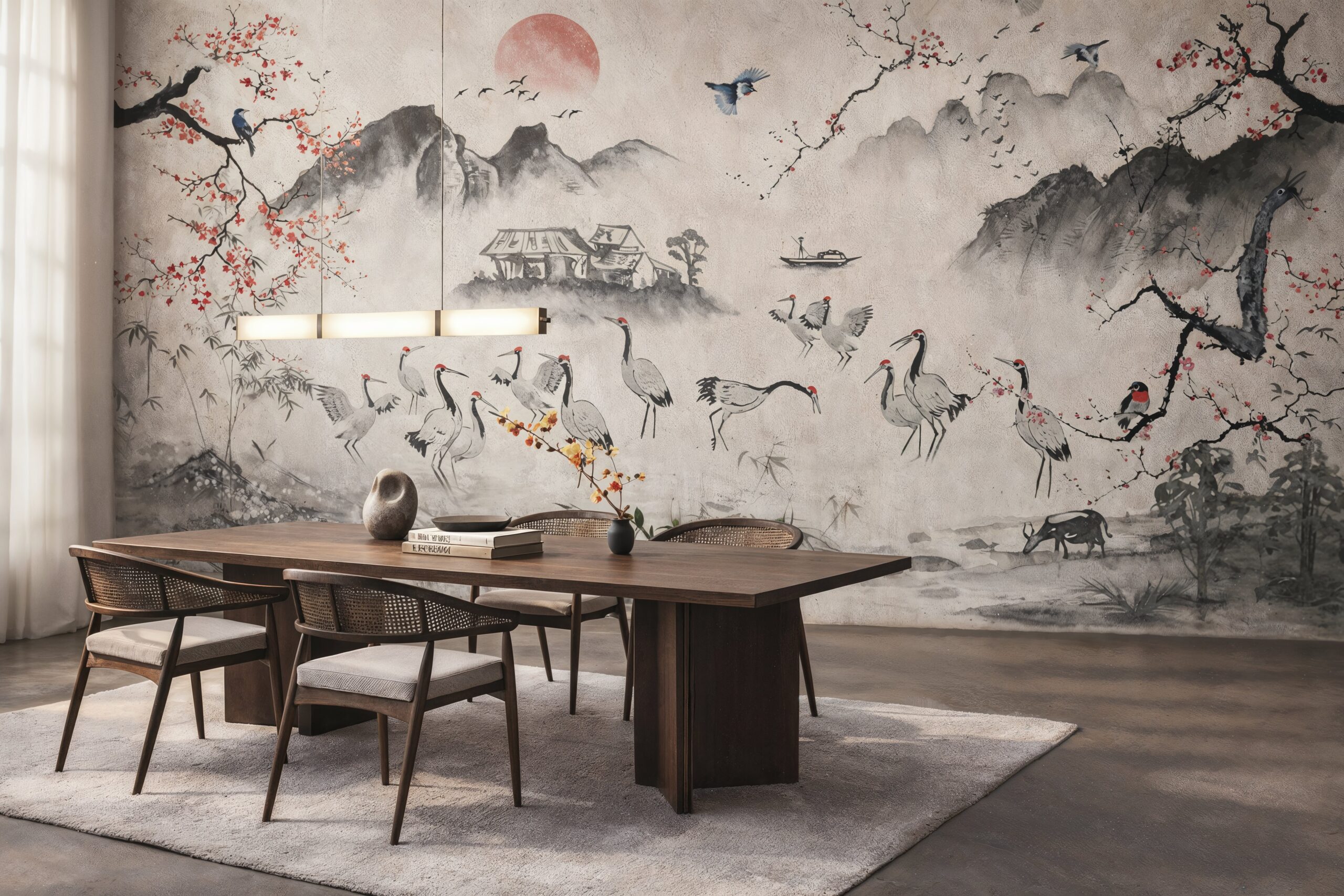
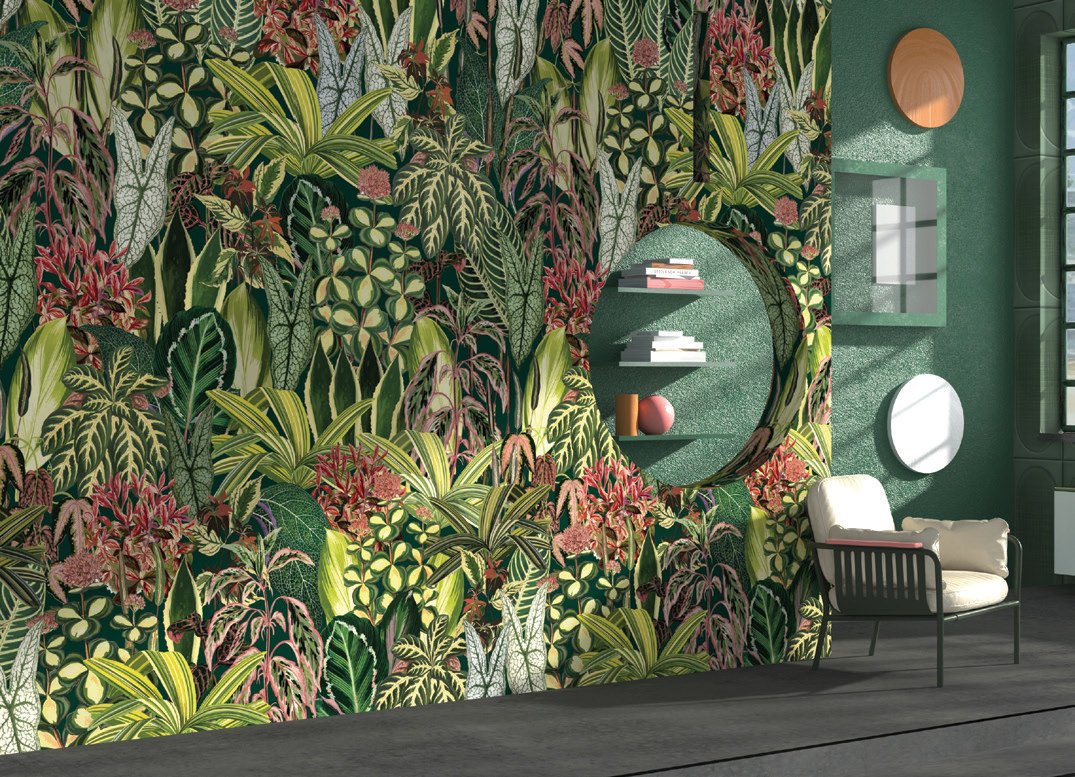
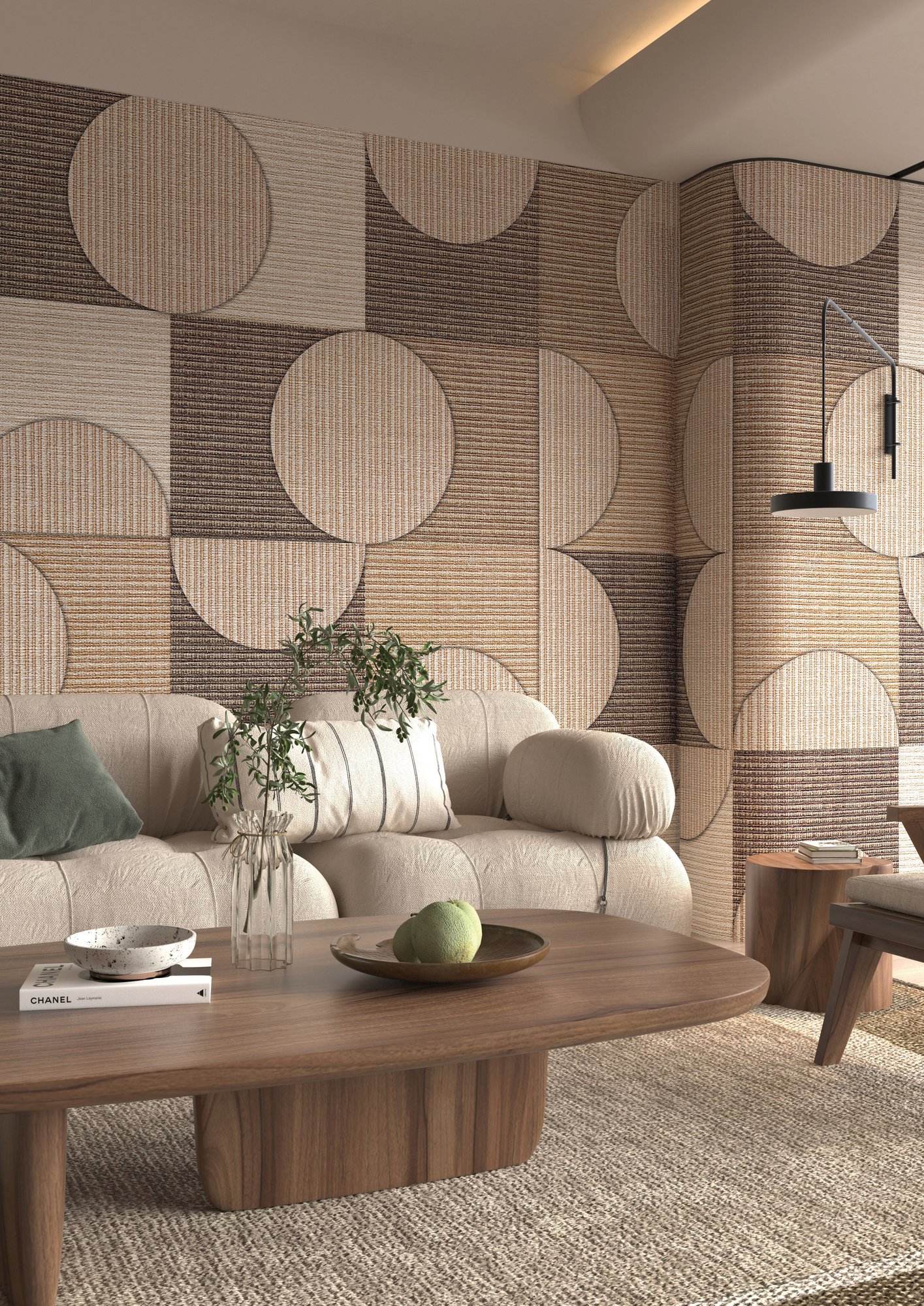
This is where wallpaper’s advantage is most pronounced. Modern wallpaper collections offer thousands of designs — from subtle linen textures and geometric patterns to bold botanical murals and metallic accents — that paint simply cannot replicate. A single wallpaper panel can introduce depth, pattern, and tactile interest that would require highly skilled decorative painting techniques to achieve with paint alone.
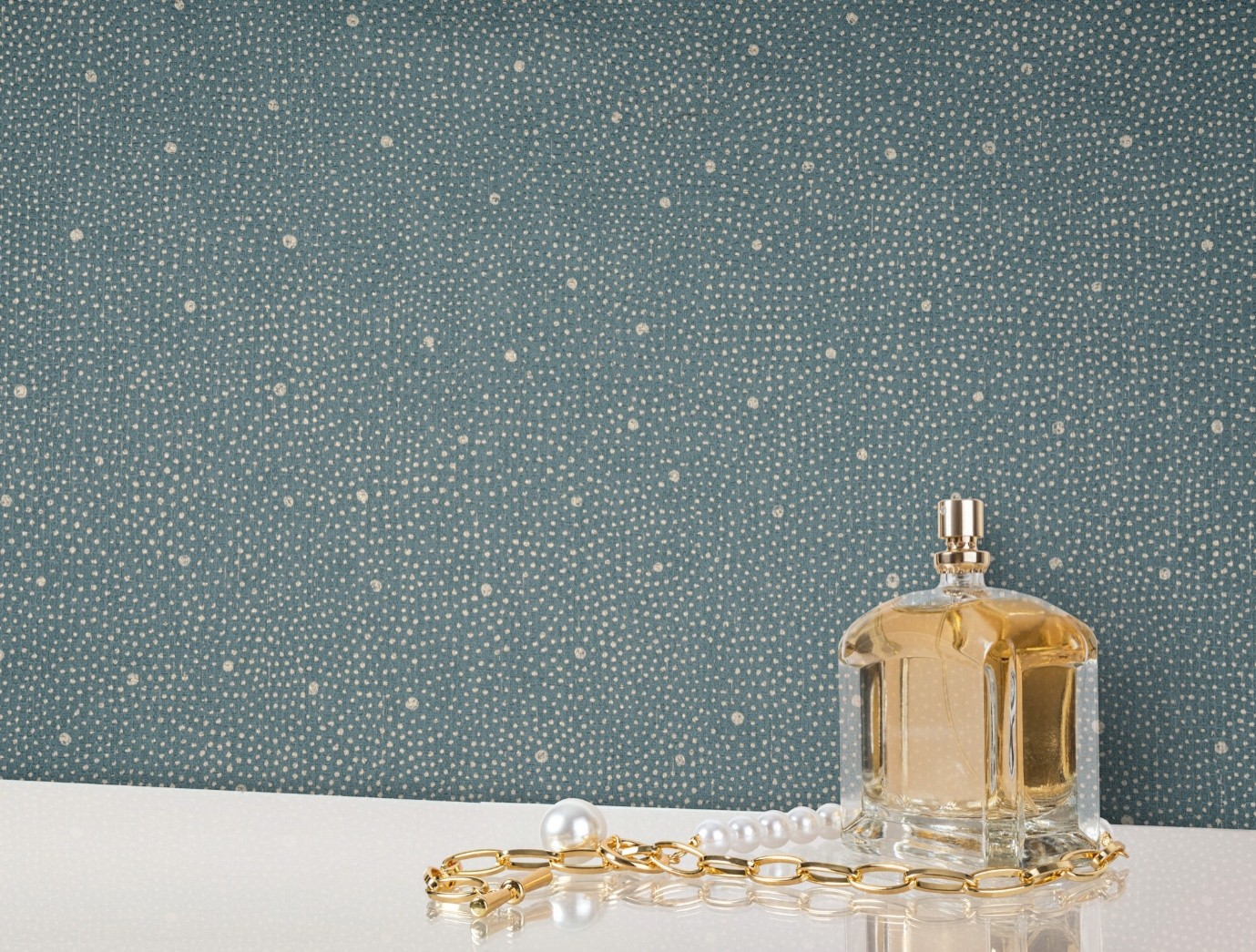
Textured wallpapers add a three-dimensional quality to walls. Grasscloth, fabric-backed, and embossed vinyl wallcoverings create surfaces that interact with light differently throughout the day, adding warmth and sophistication to living rooms, dining areas, and master bedrooms.
Paint, by contrast, excels at clean, uniform colour coverage. It is the default choice for minimalist interiors where walls serve as neutral backdrops rather than design features. The colour range is virtually unlimited — any shade can be mixed to order — and paint transitions smoothly between walls and ceilings without pattern-matching concerns.
Goodrich Global’s wallpaper and wallcovering collection features over 700 products from Japanese and European manufacturers, spanning every aesthetic from understated elegance to dramatic statement walls.
Durability and Performance
In the context of Singapore homes, durability encompasses resistance to humidity, moisture, staining, and everyday wear.
Wallpaper
Vinyl and non-woven wallpapers are inherently more durable than paint on a wall surface. They resist scuffing, finger marks, and minor impacts that would mar a painted wall — a significant advantage in homes with children or along high-traffic corridors. Quality vinyl wallcovering can be wiped clean with a damp cloth, maintaining its appearance for years.
Modern non-woven wallpapers also handle Singapore’s humidity well. The breathable backing allows moisture vapour to pass through, reducing the risk of mould growth behind the paper — a common concern in older HDB flats with inadequate wall waterproofing.
Paint
Standard emulsion paint is more susceptible to scuffing, staining, and showing touch-up marks over time. Premium paints with washable or scrub-resistant formulations perform better but still cannot match the impact resistance of vinyl wallcovering. In humid environments, paint can bubble, peel, or develop mould if the wall substrate is not properly treated — issues that are common on external-facing HDB walls and bathroom-adjacent surfaces.
Installation and Application
Wallpaper Installation
Professional wallpaper installation in Singapore typically takes one to two days for an average room. Non-woven (paste-the-wall) wallpapers have simplified the process considerably — the adhesive is applied directly to the wall rather than the paper, reducing mess and allowing easier positioning and pattern matching.
Proper wall preparation is essential. Walls must be smooth, clean, dry, and primed with a suitable wallpaper primer. In new BTO flats, the factory-applied skim coat usually provides a good base. In older resale flats, walls may need patching, skim coating, or sanding before wallpaper application.
Paint Application
Painting is faster for simple colour changes and can be a DIY project for confident homeowners. Two coats of quality emulsion over a primer coat can be completed in a day for a single room. However, achieving a truly professional, streak-free finish — especially with darker colours — requires skill, proper tools, and careful surface preparation.
Paint is easier to update than wallpaper. Repainting a room requires minimal preparation if the existing surface is sound, while changing wallpaper involves stripping the old paper, re-preparing the wall, and re-applying. For homeowners who like to refresh their interior frequently, paint’s ease of change is a genuine advantage.
Cost Comparison
Upfront costs favour paint for basic applications. A good quality interior emulsion paint covering a standard HDB room costs less in materials than wallpapering the same area. However, the comparison is not straightforward.
- Wallpaper’s longer lifespan (7 to 15 years for quality vinyl) means fewer redecoration cycles compared to paint (which typically needs refreshing every 3 to 5 years in Singapore’s climate).
- Feature walls — wallpapering one or two accent walls rather than the entire room — offer the design impact of wallpaper at a fraction of the full-room cost.
- Professional painting and wallpapering labour costs in Singapore are comparable per room, though complex wallpaper patterns with intricate matching may cost more to install.
- Total cost of ownership over a 10-year period often favours wallpaper for high-visibility areas, and paint for utility spaces and ceilings.
Best Applications for Each
Rather than choosing one or the other for the entire home, most Singapore interior designers recommend a strategic combination.
Where Wallpaper Excels
- Feature walls: Behind the sofa, the headboard wall in the master bedroom, and the dining area are classic locations for wallpaper that adds focal interest.
- Living and dining rooms: These high-visibility areas benefit from the design depth and texture that wallpaper provides.
- Children’s rooms: Durable vinyl wallpaper with playful designs is both decorative and practical — washable and easy to replace as the child grows.
- Corridors and entryways: Wallpaper adds character to transitional spaces and resists the scuffing that painted walls suffer in narrow, high-traffic areas.
Where Paint Excels
- Ceilings: Paint is the standard ceiling finish and far more practical than wallpaper for overhead application.
- Bathrooms and wet kitchens: While moisture-resistant wallpapers exist, paint with anti-mould additives remains the safer choice for areas with direct water exposure.
- Utility rooms and service yards: These functional spaces benefit from paint’s affordability and ease of touch-up.
- Rental properties: Paint’s easy refreshability between tenancies makes it the practical choice for landlords.
Final Thoughts
Wallpaper vs paint in Singapore is not an either-or decision for most homes. Wallpaper brings design depth, durability, and tactile richness to feature areas, while paint provides clean, affordable coverage for ceilings, wet areas, and utility spaces. The smartest approach uses both — leveraging each material’s strengths where they matter most.
Goodrich Global’s wallpaper collection spans residential and commercial applications, with options ranging from subtle textures to dramatic patterns across Japanese and European design ranges.
Request free samples from our Singapore showroom to see how wallpaper transforms your walls compared to a flat paint finish.