Articles / Interior Design / Wallpaper & Wallcovering
Textured Wallcovering for Feature Walls: Design Ideas, Materials, and Expert Tips

Introduction: Why Feature Walls Are Evolving Beyond Paint
Feature walls have long been used to break visual monotony, traditionally relying on bold paint colours or contrasting shades to stand out. While painted accent walls still have their place, interior design is steadily moving toward more layered and tactile solutions. Homeowners and designers now seek depth, character, and materiality, qualities that flat paint alone often cannot deliver.
This shift has brought textured wallcovering for feature walls into the spotlight. Instead of depending solely on colour, textured wallcoverings introduce dimension through raised patterns, natural fibres, sculpted panels, or hand-applied finishes. The result is a feature wall that feels intentional, architectural, and visually engaging from every angle.
In this guide, we explore how textured wallcoverings elevate feature walls, the most popular materials available, and practical tips for choosing the right texture for your space, balancing impact, durability, and design harmony.
What Is Textured Wallcovering?
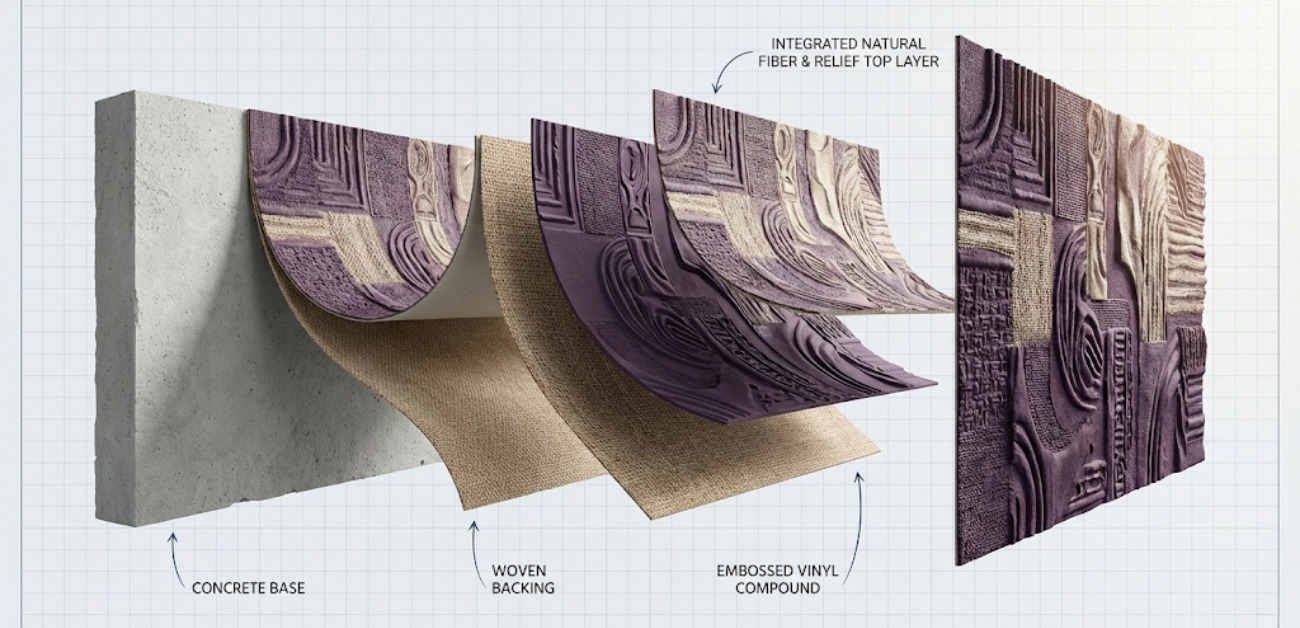
Textured wallcovering refers to wall finishes designed with a raised, layered, or tactile surface that adds physical and visual depth to a wall. Unlike paint or flat wallpaper, which rely primarily on colour or printed pattern, textured wallcoverings create interest through material relief, such as embossing, woven fibres, sculpted forms, or hand-applied finishes.
The difference is immediately noticeable. Paint offers a smooth, uniform surface, while flat wallpaper adds a visual pattern without dimension. Textured finishes, however, interact dynamically with light, casting subtle shadows and highlights that change throughout the day. This interplay enhances the perception of depth, making walls feel richer and more architectural.
Texture works especially well on a single feature wall because it delivers impact without overwhelming the space. Concentrating texture on one wall creates a focal point, allowing the rest of the room to remain visually balanced and uncluttered.
Why Choose Textured Wallcovering for a Feature Wall
Textured wallcovering brings a level of visual depth and architectural interest that flat surfaces struggle to achieve. By introducing relief, pattern, or material variation, it transforms a plain wall into a design element that feels intentional and layered rather than decorative alone.
One of its key advantages is the ability to create impact without relying on bold or overpowering colours. Subtle textures in neutral tones can be just as striking as vibrant paint, making textured wallcoverings ideal for refined, timeless interiors. Depending on the material and finish, texture can convey luxury through polished plaster, warmth through woven fibres, or modernity through sculpted 3D panels.
Beyond aesthetics, textured wallcoverings offer practical benefits. Thicker materials can help soften acoustics, reducing echo in larger rooms, while tactile surfaces add sensory richness to a space. Compared to painted feature walls, many textured wallcoverings are also more durable, resisting minor scuffs and wear over time and maintaining their appearance longer with minimal upkeep.
Popular Types of Textured Wallcovering for Feature Walls
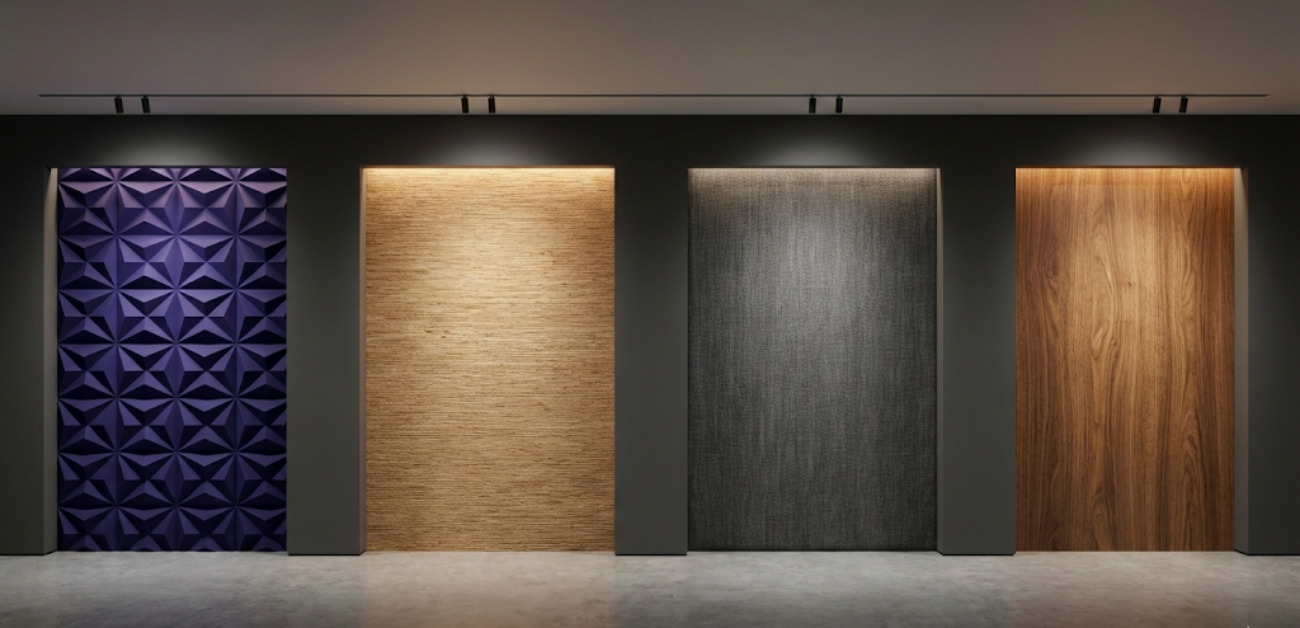
Choosing the right textured wallcovering depends on the level of impact, maintenance, and design style you want to achieve. Below are the most popular options used for feature walls today.
Textured Wallpapers
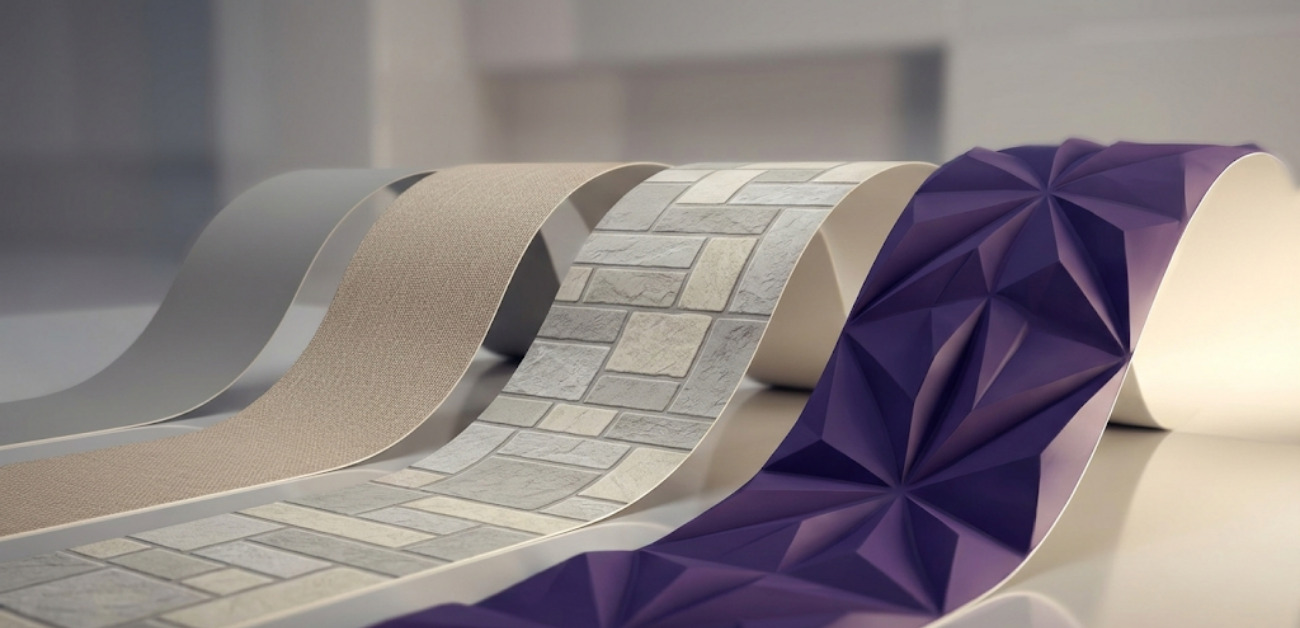
Textured wallpapers are among the most versatile and accessible choices. Embossed vinyl wallpapers feature raised patterns that add depth while remaining durable and easy to clean, making them suitable for high-traffic areas. Grasscloth and natural fibre wallpapers introduce organic texture through woven reeds, jute, or sisal, creating warmth and subtle variation. For a more luxurious feel, fabric-backed and flocked wallpapers offer softness and richness, often used in bedrooms or formal living spaces.
3D Wall Panels
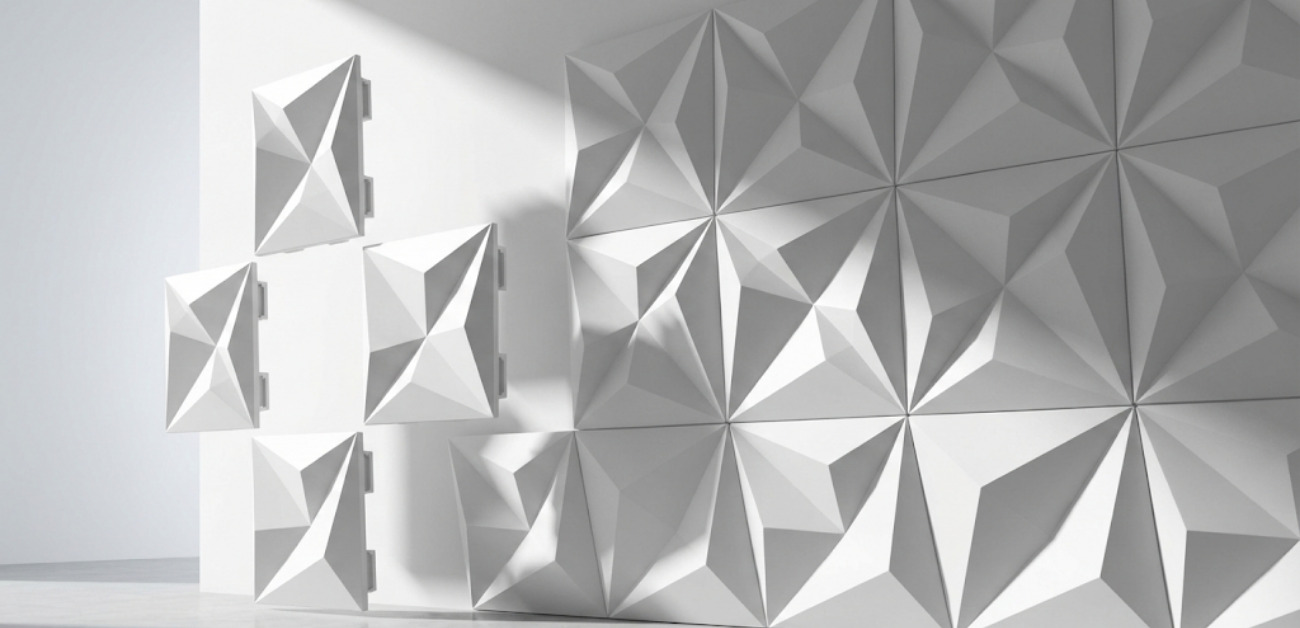
3D wall panels deliver a strong architectural impact. Available in MDF, gypsum, or PVC, these panels feature sculpted patterns such as waves, geometric forms, or linear designs. Most are paintable, allowing customisation to match the room’s colour palette. They work particularly well in modern, contemporary, or minimalist interiors and are commonly used on media walls or statement living room feature walls.
Plaster & Decorative Finishes
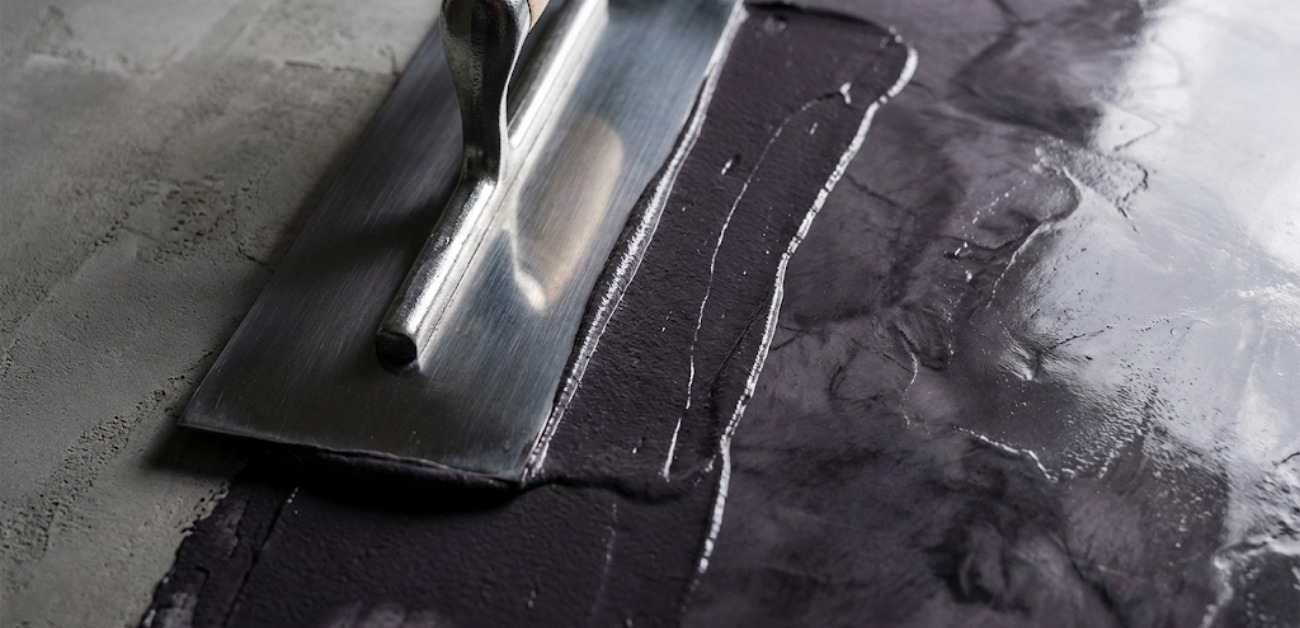
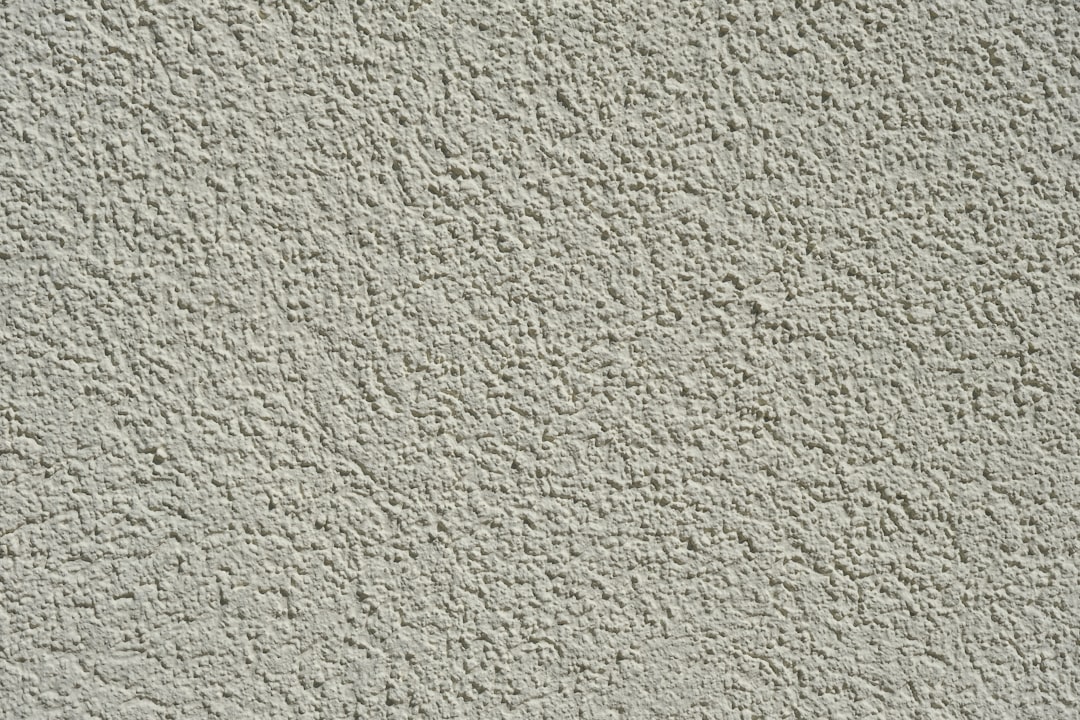
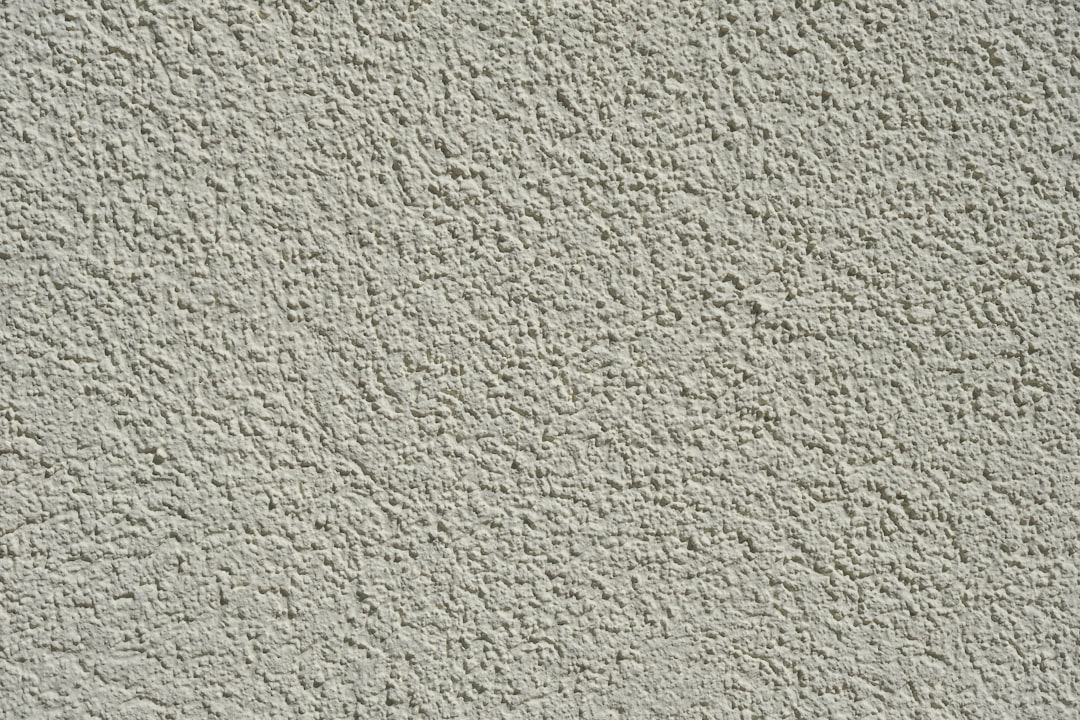
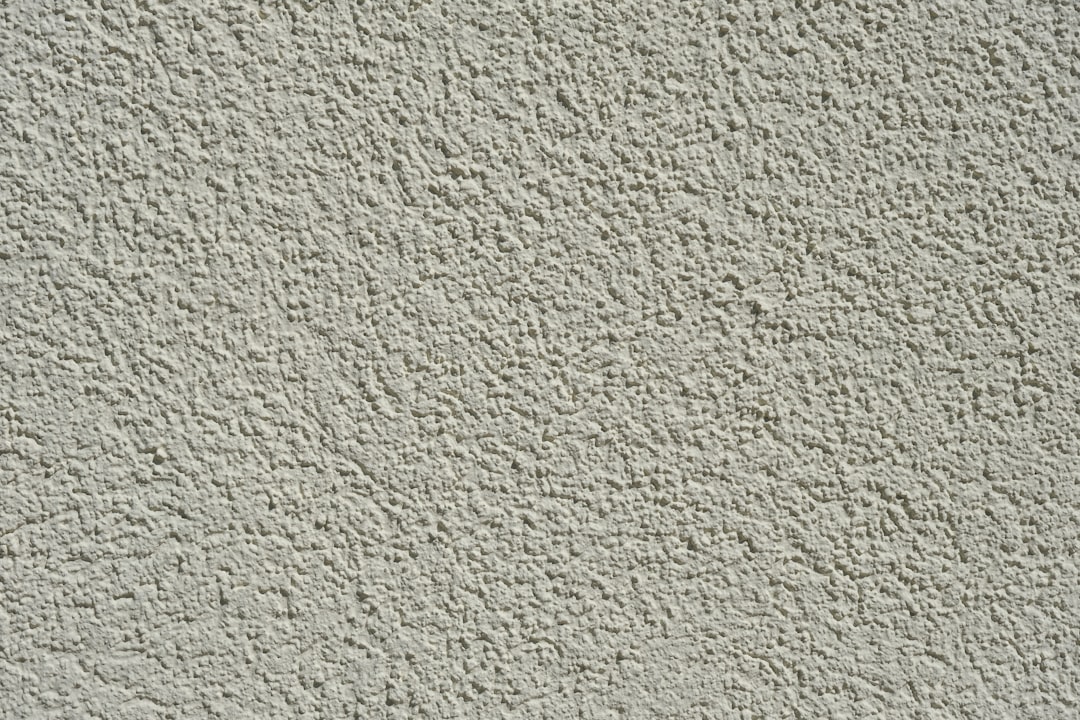
Decorative plaster finishes provide a seamless, handcrafted look. Venetian plaster offers a polished, marble-like depth associated with luxury interiors, while limewash and stucco textures create softer, matte surfaces with natural tonal movement. These finishes are ideal for those seeking understated elegance rather than bold patterns.
Fabric & Textile Wallcoverings
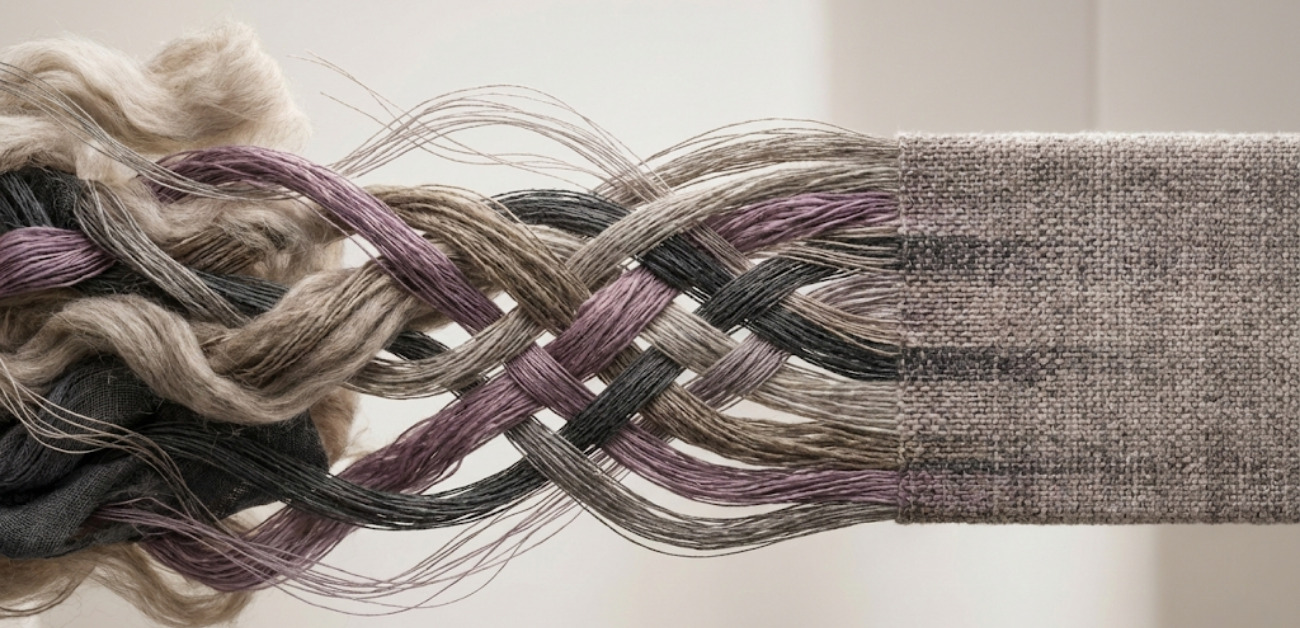
Linen, silk, and woven textile wallcoverings add softness and sophistication. Beyond aesthetics, they can improve acoustics by absorbing sound, making them well-suited for bedrooms, studies, and quiet living areas.
Natural Material Wallcoverings
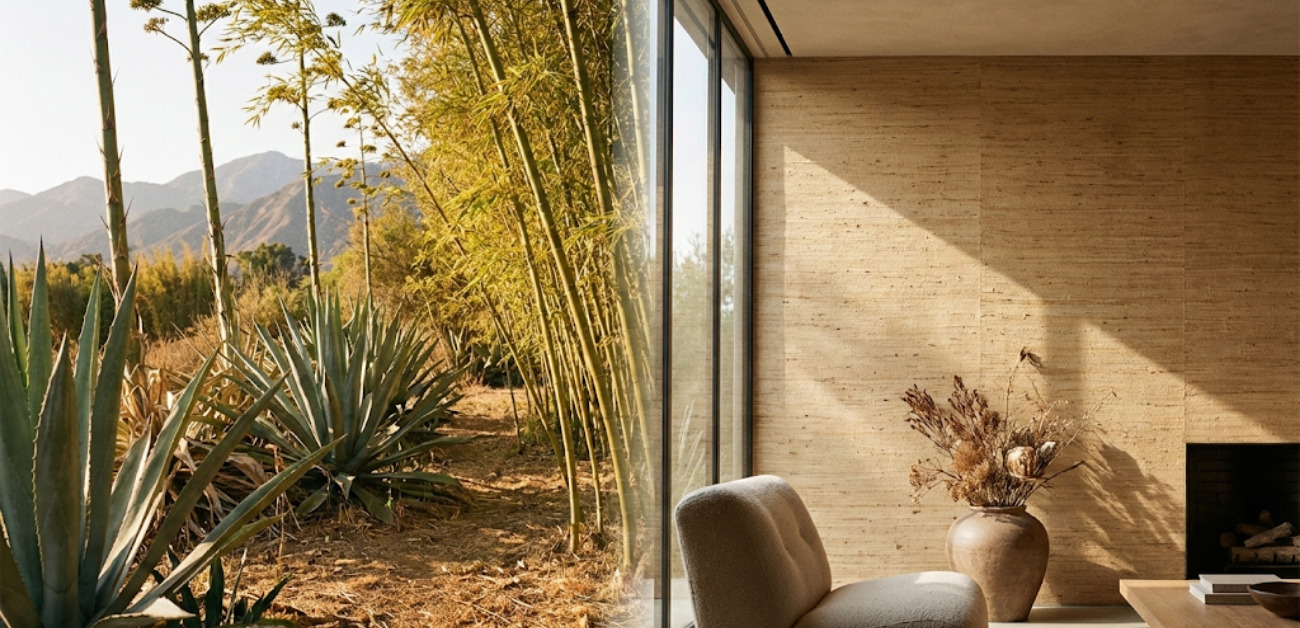
Natural materials bring strong character and texture. Wood slats add warmth and rhythm, while brick or stone veneer introduces rugged depth. Bamboo and cork offer eco-friendly options with distinctive tactile appeal.
How to Choose the Right Textured Wallcovering
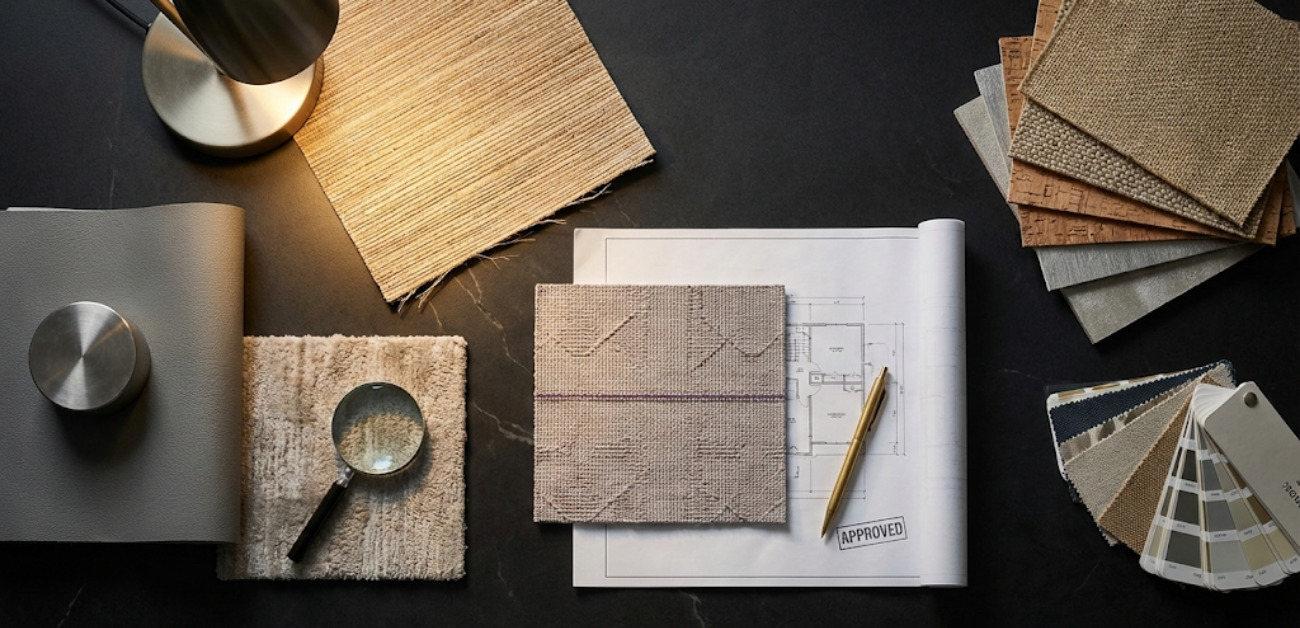
Selecting the right textured wallcovering starts with understanding the scale of your space. In smaller rooms, finer or low-relief textures work best, adding interest without making the area feel crowded. Larger rooms can handle deeper textures or bolder patterns without overwhelming the layout.
Lighting plays a crucial role. Natural light enhances texture by creating soft highlights and shadows, while artificial lighting, especially wall washers or spotlights, can dramatically emphasise surface relief. In low-light spaces, lighter colours and subtle textures help maintain openness.
Your interior style should also guide your choice. Modern interiors pair well with clean, geometric textures or smooth plaster finishes, while classic or traditional spaces benefit from woven, fabric-based, or softly embossed textures. Matching texture with furniture and décor is essential; heavily textured walls work best alongside simpler furnishings to maintain balance.
Choose subtle texture when aiming for timeless elegance or calm spaces, and bold texture when the feature wall is meant to be the room’s primary statement.
Best Rooms for a Textured Feature Wall
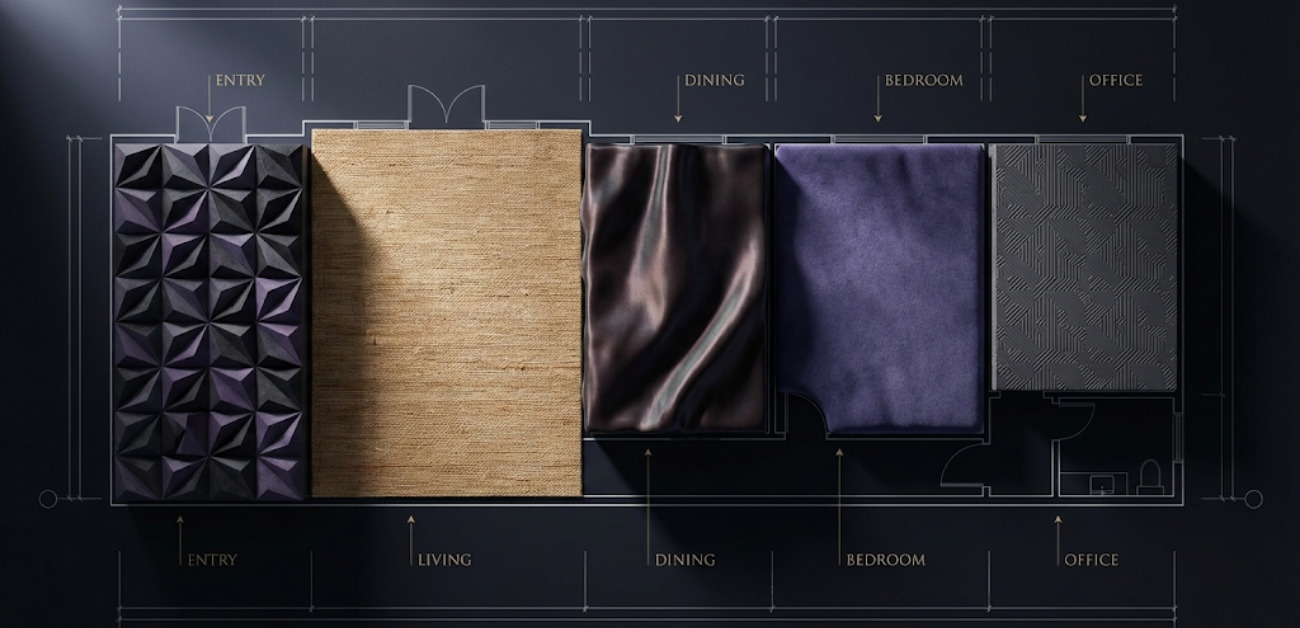
Textured feature walls work across a variety of spaces when placed thoughtfully. In living rooms, they are most effective behind the sofa or TV wall, where texture adds depth without interfering with movement or furniture layout. Bedrooms benefit from textured wallcoverings on the headboard wall, creating a calm, layered backdrop that enhances comfort and visual warmth.
In dining rooms, textured feature walls introduce sophistication and help define the dining zone, especially in open-plan layouts. Entryways and hallways are ideal for texture because they create a strong first impression in areas that typically lack furniture or decorative elements. Even home offices can benefit from a textured wall, adding visual interest behind a desk while maintaining a professional and focused atmosphere.
By choosing the right material and scale, textured wallcoverings can enhance both functional and transitional spaces without overwhelming them.
Installation & Maintenance Considerations
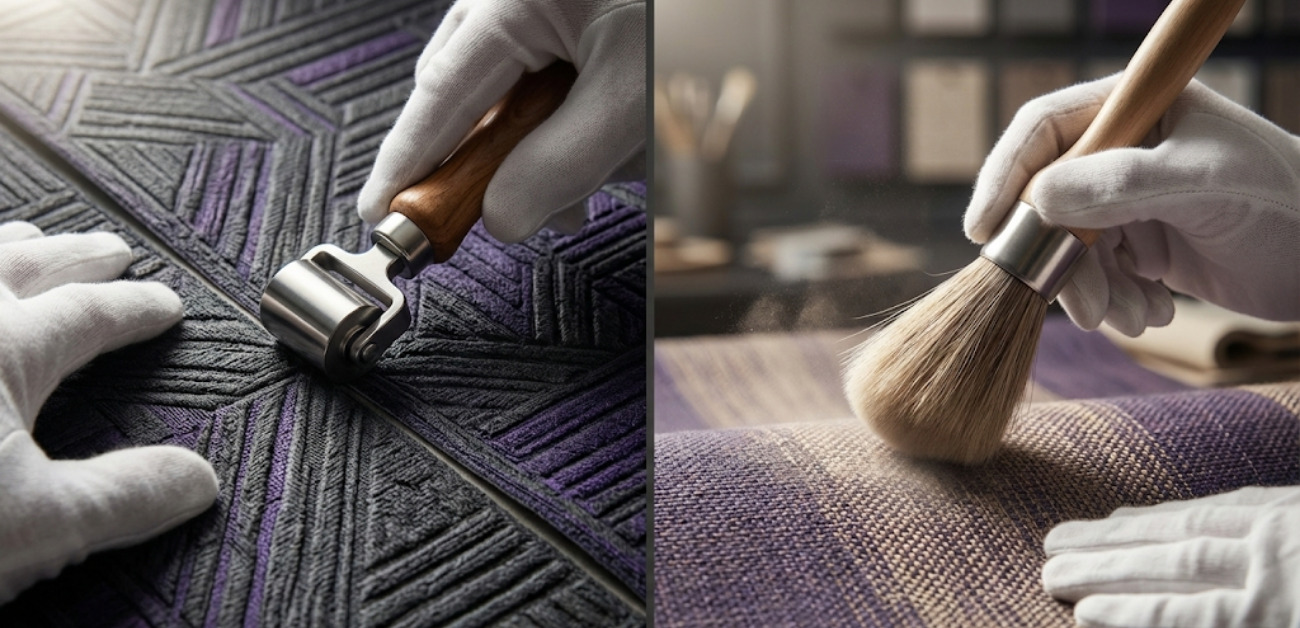
Installation requirements vary depending on the type of textured wallcovering chosen. Some options, such as peel-and-stick or lightweight textured wallpapers, are suitable for DIY installation, while 3D panels, fabric wallcoverings, and plaster finishes typically require professional expertise for a clean, long-lasting result.
Proper wall preparation is essential. Surfaces should be smooth, dry, and well-primed to ensure strong adhesion and an even finish. Imperfections on the wall can become more visible once texture is applied.
Maintenance also depends on the material. Vinyl and PVC surfaces are easy to clean with a damp cloth, while grasscloth, fabric, and natural materials require gentle care and low-traffic placement. High-quality textured wallcoverings tend to be durable, and many allow for partial repairs or panel replacement without redoing the entire wall.
Common Mistakes to Avoid
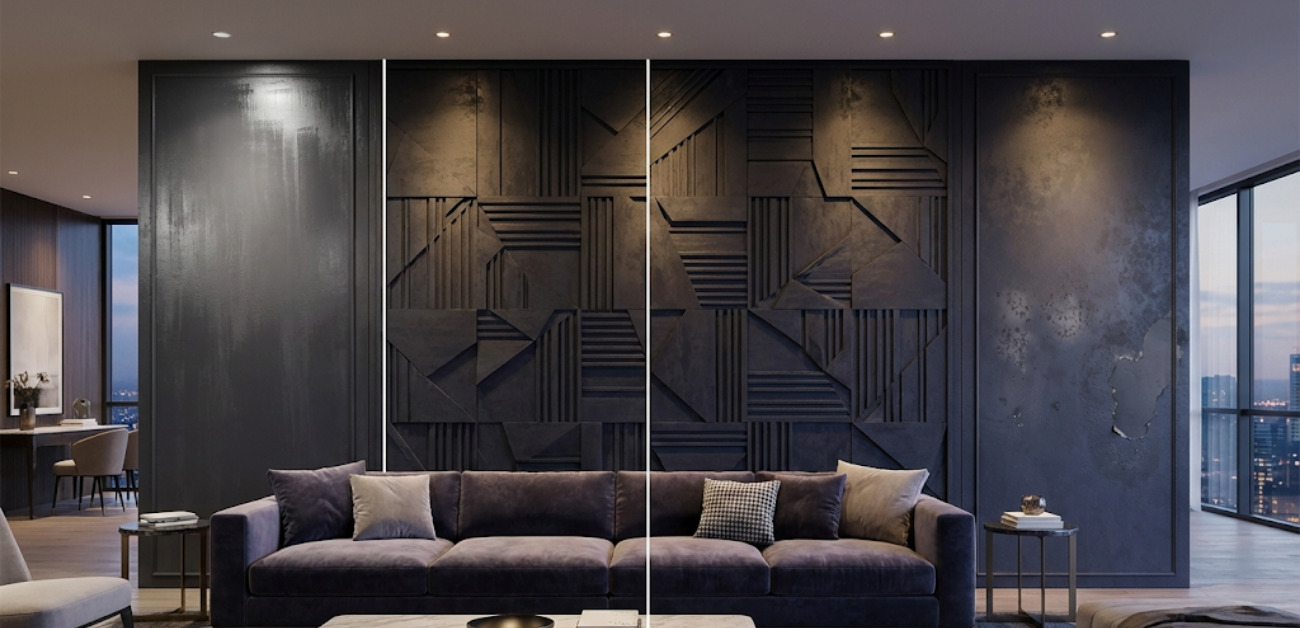
One of the most common mistakes is overusing heavy texture in small spaces, which can make a room feel cramped rather than inviting. Ignoring lighting conditions is another issue; texture that looks appealing in a showroom may appear flat or overly dramatic once installed under different lighting. Mixing too many patterns or textures on the same feature wall can also create visual clutter and dilute the intended focal point.
Finally, overlooking maintenance needs can lead to disappointment, especially with delicate materials like fabric or grasscloth. Choosing texture with both design intent and practicality in mind ensures lasting visual appeal.
Conclusion: Elevating Interiors with Textured Wallcoverings
Textured wallcovering offers a refined way to transform feature walls beyond the limitations of paint, adding depth, character, and architectural interest. When used thoughtfully, texture delivers strong visual impact without overwhelming a space, striking the right balance between statement and subtlety.
The key lies in selecting materials that suit the room’s size, lighting, and overall design language, while positioning the feature wall where it enhances rather than competes with the layout. With careful choices, textured wallcoverings become more than decoration; they serve as enduring design elements that elevate the entire interior.
If you’re keen to have a second opinion on textured wallcovering for featured walls, please feel free to contact us!