Articles / Fabric & Upholstery / Sustainability
How to Choose a Sustainable Upholstery Fabric Supplier for Long-Term Value

Introduction: Why Sustainability Matters in Upholstery Fabric Choices
The environmental impact of textile production has become increasingly difficult to ignore. From water consumption and chemical use to waste generated during manufacturing, fabrics play a significant role in the overall footprint of interior design and furniture production. As awareness grows, designers, manufacturers, and buyers are looking more closely at how materials are sourced and produced.
Upholstery fabrics deserve particular attention because they are long-lasting interior materials. Unlike fast-changing finishes, upholstery is expected to perform for years in residential, commercial, and public spaces. Poor material choices can lead to early replacement, increased waste, and higher long-term environmental costs.
This has elevated the importance of working with a sustainable upholstery fabric supplier. Such suppliers support responsible design by offering materials that balance durability, performance, and reduced environmental impact. Sustainability, in this context, becomes a practical design consideration rather than a marketing label, influencing both product quality and long-term value.
What Defines a Sustainable Upholstery Fabric Supplier
A sustainable upholstery fabric supplier is defined by more than green branding or isolated product claims. True sustainability extends across materials, manufacturing processes, and supply chain transparency. Suppliers committed to sustainability take responsibility for how fabrics are produced, not just how they are marketed.
Material selection is one key factor. Sustainable suppliers prioritise responsibly sourced fibres, recycled content, and materials with lower environmental impact. Equally important are the processes behind those materials. This includes water and energy efficiency, reduced chemical use, and waste management practices that limit environmental harm. Transparency around these processes allows buyers to assess real impact rather than rely on vague claims.
There is also a clear difference between ‘eco-friendly’ products and a sustainable supply approach. Eco-friendly labels may describe a single attribute, such as recycled content. A sustainable upholstery fabric supplier, by contrast, supports consistent standards across collections, documentation, and production methods. This broader commitment helps designers and manufacturers make informed, responsible material choices.
Sustainable Materials Used in Upholstery Fabrics

Sustainable upholstery fabrics are defined largely by the materials from which they are made. A sustainable upholstery fabric supplier typically works with recycled fibres such as recycled polyester, which reduces reliance on virgin resources and diverts waste from landfills. Organic cotton is another common option, grown without harmful pesticides and using more responsible agricultural practices. Plant-based textiles derived from renewable sources are also gaining attention for their lower environmental footprint.
Material choice, however, must balance performance and environmental impact. Upholstery fabrics are exposed to abrasion, friction, and regular use, particularly in commercial and hospitality settings. Sustainable materials that fail prematurely undermine their own environmental benefits by requiring frequent replacement. For this reason, responsible suppliers focus on materials that meet performance standards while reducing ecological harm.
Durability is a critical sustainability factor. Fabrics that last longer reduce material consumption, manufacturing demand, and waste over time. A sustainable upholstery fabric supplier evaluates materials not only for how they are sourced, but for how well they perform in real-world use. Long service life is often one of the most effective ways to lower the overall environmental impact of upholstery fabrics.
Manufacturing Processes That Reduce Environmental Impact
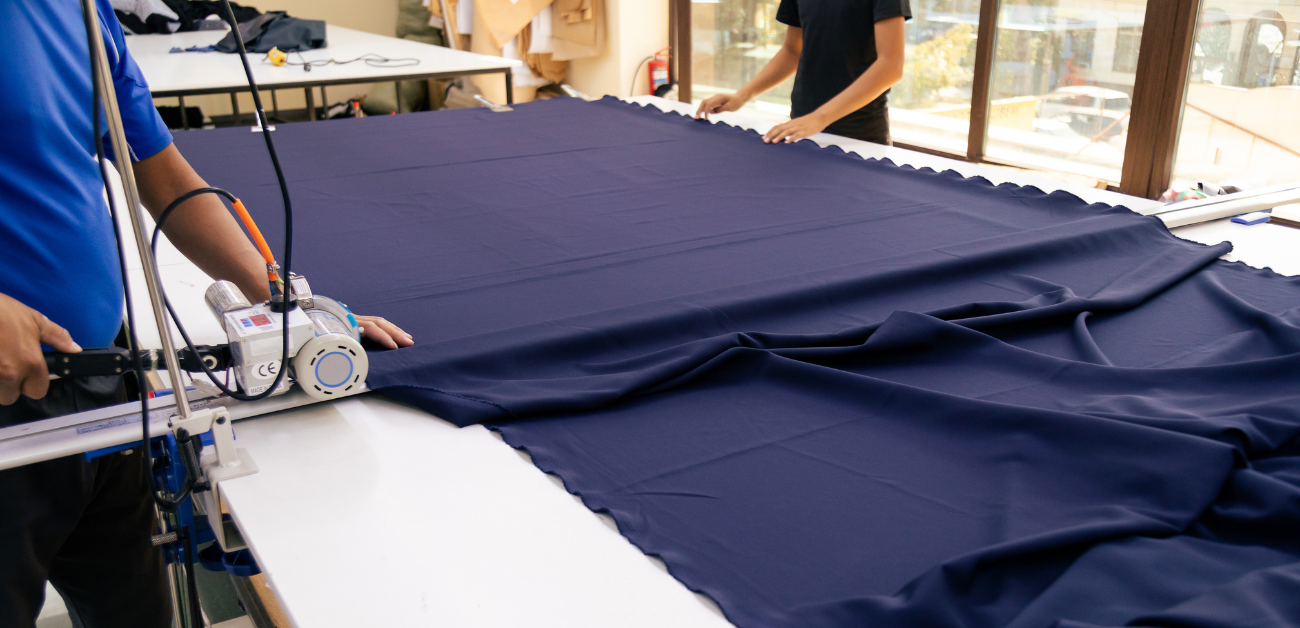
Sustainability in upholstery fabrics depends not only on the materials used, but also on how those materials are produced. A responsible upholstery fabric supplier focuses on reducing environmental impact throughout the manufacturing process, starting with water and energy use. As textile production can be resource-intensive, sustainability-focused suppliers invest in efficient machinery, closed-loop water systems, and energy-saving technologies to lower overall consumption.
Careful chemical management is another important factor. The use of low-impact dyes and controlled finishing processes helps limit the release of harmful substances into water systems. By managing chemicals responsibly, suppliers can meet safety standards while maintaining colour consistency and fabric performance. This approach protects both the environment and the people involved in production.
Waste reduction also plays a central role in sustainable manufacturing. Circular production models aim to minimise waste by reusing offcuts, recycling fibres, and designing processes that reduce excess material. Rather than treating waste as unavoidable, sustainable suppliers view it as an opportunity for improvement, ensuring that sustainability is built into production from the start rather than added later.
Performance Expectations for Sustainable Upholstery Fabrics

Performance remains a key consideration when selecting upholstery fabrics, regardless of sustainability goals. A sustainable upholstery fabric supplier must ensure that environmentally responsible materials meet the same functional standards as conventional options. Abrasion resistance and long-term durability are especially important, as upholstery fabrics are exposed to regular friction, weight, and repeated use. Today, sustainable fabrics are increasingly engineered to deliver durability levels suitable for commercial, hospitality, and residential settings.
Colour retention and ease of maintenance are also essential. Upholstery fabrics need to maintain their appearance despite frequent cleaning, exposure to light, and everyday wear. Advances in sustainable dyeing and finishing processes now allow fabrics to achieve stable colour performance without relying on harmful chemicals. This ensures fabrics retain visual quality while supporting environmental objectives.
Importantly, sustainability does not mean reduced performance. Improvements in material science and manufacturing techniques have enabled sustainable upholstery fabrics to match or even exceed traditional alternatives in strength and durability. A responsible sustainable upholstery fabric supplier balances performance with environmental impact, recognising that long-lasting fabrics are central to truly sustainable design.
Certifications, Standards, and Traceability
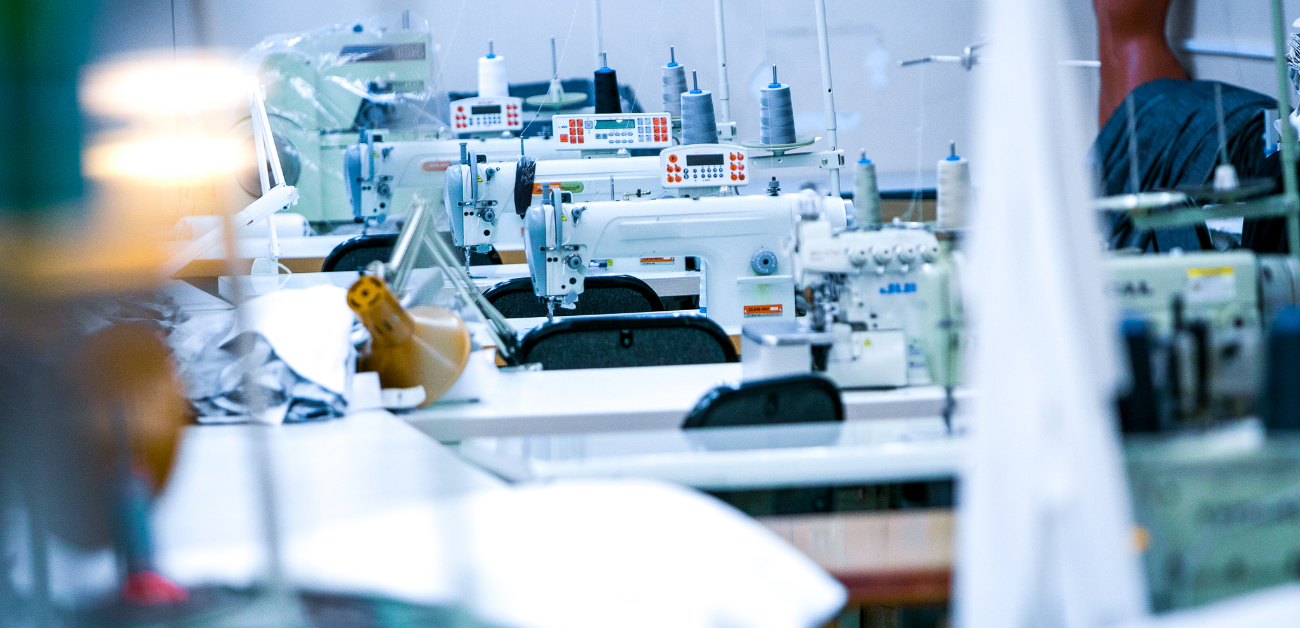
Certifications and standards play an important role in verifying sustainability claims in the upholstery textile industry. A responsible sustainable upholstery fabric supplier relies on recognised, third-party certifications to demonstrate responsible sourcing, manufacturing practices, and material safety. These certifications help buyers distinguish between genuine, verified efforts and unsubstantiated marketing claims.
Common certifications used in sustainable upholstery fabrics include Global Organic Textile Standard (GOTS) for organic fibres, OEKO-TEX Standard 100 for harmful substance testing, bluesign for chemical and environmental management, and the Global Recycled Standard (GRS) or Recycled Claim Standard (RCS) for recycled content verification. Environmental management systems such as ISO 14001 and quality standards like ISO 9001 further support consistent, responsible production.
Documentation and regular audits are equally important. Clear records of material origins, manufacturing processes, and compliance testing provide transparency and accountability. Ongoing audits ensure that sustainability standards are maintained consistently over time, not just at a single point during certification. For designers, manufacturers, and procurement teams, access to this documentation supports confident decision-making and helps reduce operational and reputational risk.
Traceability further strengthens trust. When a sustainable upholstery fabric supplier can trace materials through the supply chain, buyers gain visibility into how and where fabrics are produced. This transparency builds confidence that sustainability commitments are genuine and consistently applied. In modern responsible design and procurement, traceability is increasingly viewed as essential rather than optional.
Where Sustainable Upholstery Fabrics Are Most Commonly Used

Sustainable upholstery fabrics are increasingly specified across a wide range of interior applications where durability and responsible sourcing are important. In commercial and hospitality environments, these fabrics are commonly used in hotels, offices, and restaurants, where furniture is subject to frequent use. Working with a sustainable upholstery fabric supplier allows designers and operators to meet performance requirements while supporting environmental goals and maintaining a consistent visual identity.
Residential and custom furniture is another growing area of use. Homeowners and furniture makers are paying closer attention to material origins, quality, and longevity. Sustainable upholstery fabrics are well suited to custom pieces designed to last, helping reduce the need for frequent replacement and minimising material waste over time.
Public spaces and contract furniture place especially high demands on upholstery. Seating in airports, healthcare facilities, and educational environments must meet strict performance, safety, and maintenance standards. Sustainable upholstery fabrics used in these settings are selected to handle heavy use while supporting broader sustainability objectives, making responsible material choices practical even in high-traffic environments.
Long-Term Value: Cost, Durability, and Environmental Impact

When evaluating upholstery fabrics, long-term value matters more than initial cost. Sustainable options may sometimes carry a higher upfront price, but a sustainable upholstery fabric supplier focuses on lifecycle value rather than short-term savings. Fabrics designed for durability reduce the frequency of replacement, lowering material consumption and associated costs over time.
Replacement cycles have a direct environmental impact. Upholstery that wears out quickly contributes to waste and increases demand for new production. By supplying materials that maintain performance and appearance over extended use, a sustainable upholstery fabric supplier helps reduce waste and supports more responsible consumption patterns.
Sustainability should be viewed as a long-term investment. Durable fabrics that perform well in real-world conditions protect financial resources while minimising environmental impact. Over time, the combination of extended lifespan, reduced waste, and responsible sourcing often delivers greater overall value than less durable alternatives.
Conclusion: Choosing the Right Sustainable Upholstery Fabric Supplier
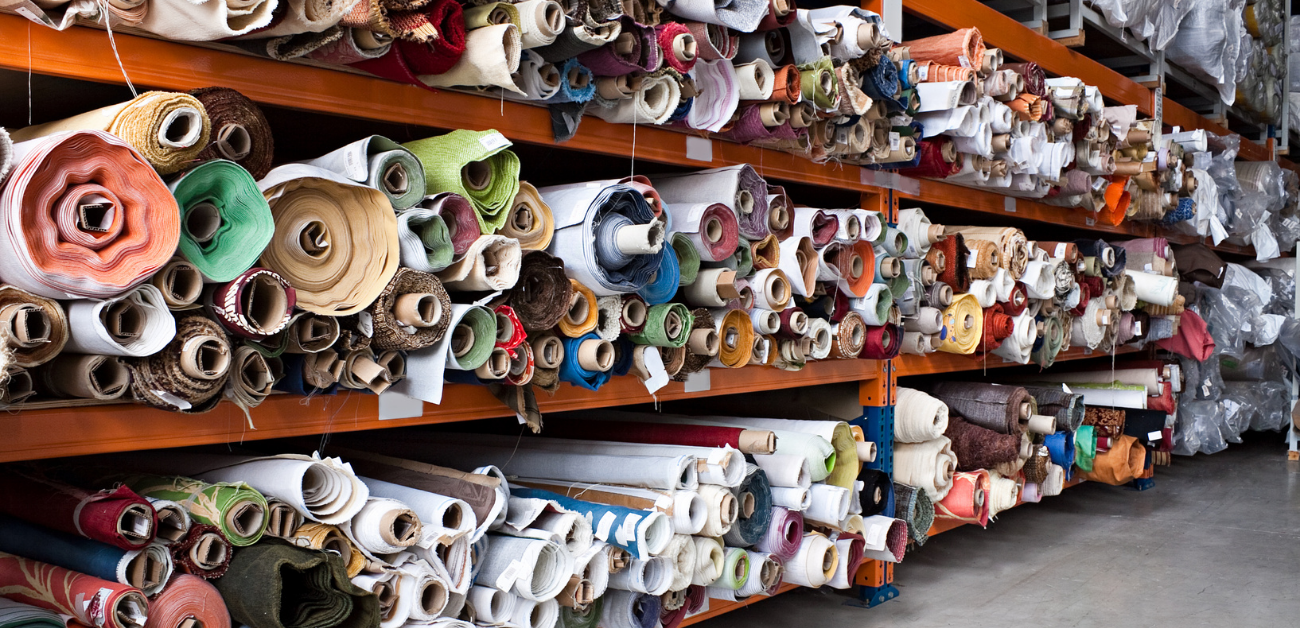
Choosing a sustainable upholstery fabric supplier means looking beyond environmental claims to focus on long-term performance, transparency, and real-world usability. Truly sustainable fabrics are those that perform consistently over time – reducing replacement cycles, minimising waste, and supporting interiors and furniture designed to last. When durability, traceability, and responsible production are aligned, sustainability becomes a practical design decision rather than a compromise.
Informed supplier selection plays a critical role in achieving this balance. Working with partners who provide clear documentation, verified certifications, and consistent quality across collections allows sustainability goals to be met without sacrificing function or design intent. This approach supports more confident specification, smoother procurement, and better long-term value for projects of all scales.
Within the wider responsible materials landscape, Goodrich Global works with designers, manufacturers, and project teams seeking dependable, performance-driven upholstery solutions. For those looking to align sustainability with durability, compliance, and design clarity, engaging the right supplier is an important first step toward creating interiors that deliver lasting value-for both projects and the environment.