Articles / Carpet & Flooring / Sustainability
LEED / SGBC Certified Flooring: A Practical Guide for Green Buildings

Introduction: Why Flooring Plays a Critical Role in Green Building Certification
Flooring is one of the most influential interior materials in a building due to its scale, permanence, and direct impact on indoor environments. It covers large surface areas, affects indoor air quality, and influences long-term maintenance and material replacement cycles. As a result, flooring choices play a meaningful role in how buildings perform environmentally over time.
The demand for certified sustainable buildings continues to grow as developers, investors, and occupants place greater emphasis on environmental responsibility, health, and regulatory compliance. Green building certifications have become benchmarks for measuring these efforts, requiring project teams to evaluate materials more carefully than ever before.
Within this context, LEED / SGBC certified flooring has emerged as a compliance-driven choice rather than a design trend. Specifying flooring that aligns with certification requirements helps project teams meet documented sustainability criteria while reducing risk during audits and approvals. Flooring selection, therefore, becomes a strategic decision within the broader green building certification process.
What is LEED / SGBC Certified Flooring
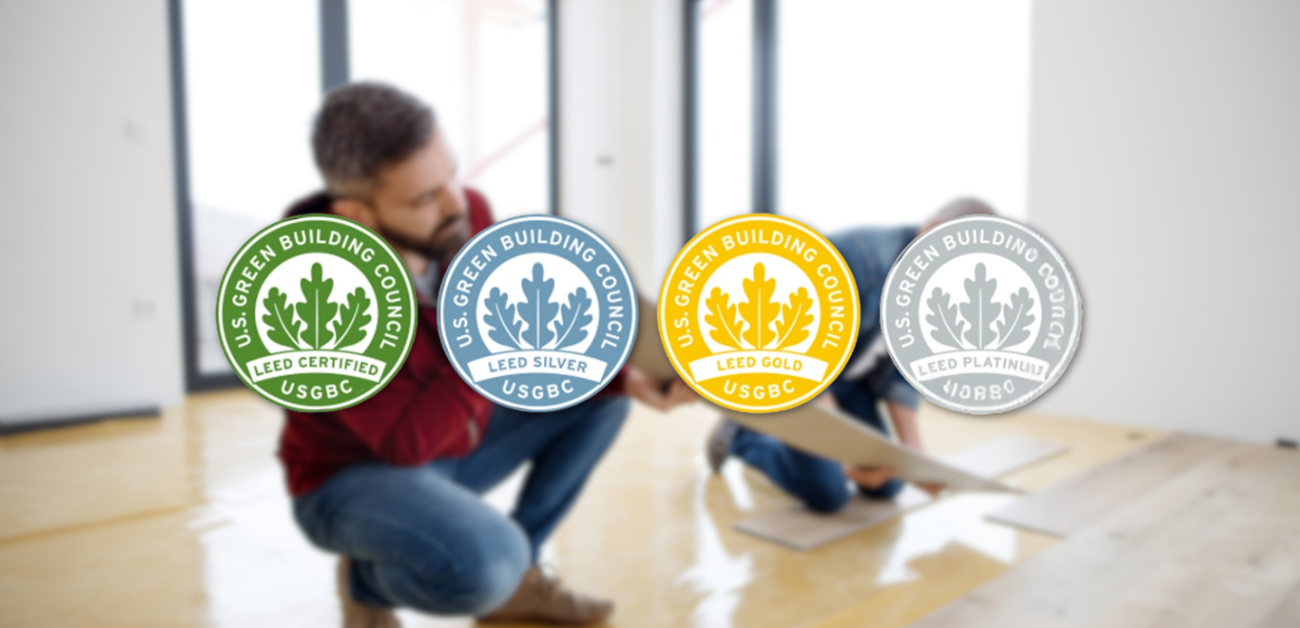
The term LEED / SGBC certified flooring is often used broadly, but its meaning requires clarity. LEED and SGBC are green building frameworks that evaluate the overall environmental performance of a building, not individual products in isolation. Flooring itself is not ‘certified’ in the same way a building is, but certain flooring products can meet criteria that contribute toward certification points.
LEED focuses on categories such as indoor environmental quality, material transparency, and low-emission materials. SGBC applies similar principles within regional sustainability standards and regulatory contexts. Flooring that supports these frameworks typically meets specific emission limits, disclosure requirements, or sourcing criteria.
This distinction matters because ‘certified flooring’ can be a misleading claim. Accurate language refers to flooring that contributes to LEED or SGBC certification when used within a compliant project. Precision in terminology protects specifiers and developers from misrepresentation. When evaluating LEED / SGBC certified flooring, documented performance and verified compliance are essential to ensure claims align with certification requirements.
How Flooring Contributes to LEED and SGBC Credits
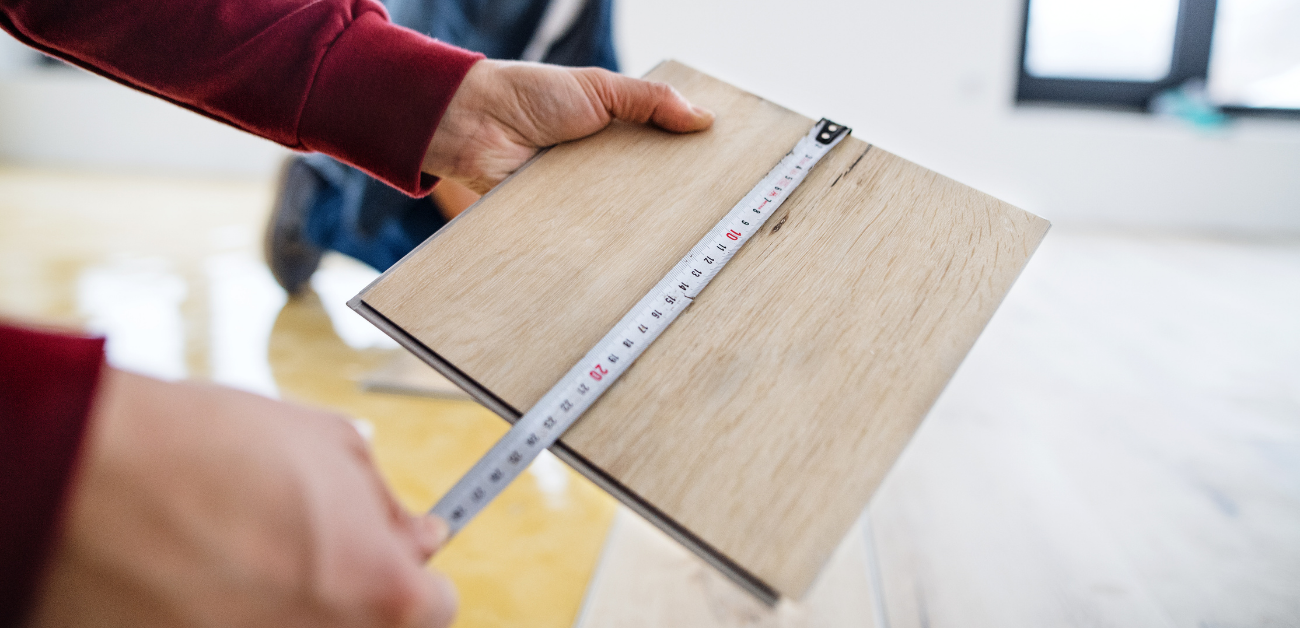
Flooring supports green building certification by contributing to specific credit categories, rather than through a single approval label. In LEED and SGBC projects, one of the most important considerations is indoor air quality. Flooring products that meet low-emission standards help reduce volatile organic compounds (VOCs), supporting healthier indoor environments and contributing to indoor environmental quality credits.
Material sourcing and transparency are also key factors. LEED and SGBC frameworks encourage the use of products with clearly disclosed material information and responsible sourcing practices. Flooring systems that provide transparent data on raw materials and manufacturing processes help project teams meet requirements related to material transparency and responsible production.
Environmental Product Declarations (EPDs) and similar disclosures further strengthen compliance. These documents provide independently verified information on a product’s environmental impact across its lifecycle, including energy use, emissions, and resource consumption. When specified correctly, flooring products with proper documentation make it easier for project teams to demonstrate compliance and track sustainability performance. In this way, flooring becomes a practical contributor to certification goals rather than a symbolic sustainability choice.
A wide range of flooring materials can be used in LEED and SGBC-certified projects, provided they meet defined performance and documentation criteria. Vinyl flooring is commonly specified due to its durability, ease of maintenance, and availability in low-emission and transparent product options. Carpet systems are also frequently used, particularly when they incorporate low-VOC backings and documented recycled content. Wood flooring may be specified when sourced from responsibly managed forests and supported by clear sourcing documentation. Composite materials are sometimes used where performance requirements align with environmental disclosure standards.
Balancing performance and sustainability is essential. Certified buildings still require flooring that can withstand heavy use, support efficient maintenance, and maintain its appearance over time. Materials that meet sustainability criteria but fail prematurely can undermine both environmental objectives and operational efficiency.
Finally, it is important to note that not all products marketed as ‘green’ automatically qualify for certified projects. Without verified emissions data, material disclosures, and supporting documentation, products may not contribute meaningfully to LEED or SGBC credits. Careful specification ensures that flooring selections support both certification outcomes and long-term building performance.
Compliance, Documentation, and Verification Requirements

Compliance is one of the most critical parts of specifying LEED / SGBC certified flooring. Certification bodies do not assess intent or marketing claims alone. Project teams must provide clear, verifiable documentation to show that flooring selections meet the required standards. This typically includes emissions testing data, material disclosures, and evidence of responsible sourcing aligned with the chosen certification pathway.
Test reports, certificates, and detailed product documentation form the foundation of this process. Independent laboratory testing confirms low-emission performance, while product declarations and manufacturer disclosures support material transparency credits. Accurate and up-to-date information allows sustainability consultants and auditors to review submissions efficiently, reducing the risk of delays or follow-up clarification requests.
Incomplete or incorrect documentation can create serious issues. Missing data may result in lost credits, project delays, or the need to replace materials late in the construction process. In more severe cases, documentation gaps can jeopardise overall certification outcomes. For LEED and SGBC projects, attention to detail at the documentation stage is essential.
Strong coordination between suppliers, specifiers, and project teams helps ensure documentation is complete, consistent, and aligned with certification requirements from the start. Early alignment reduces risk, simplifies verification, and supports a smoother certification process overall.
Performance Expectations in Certified Commercial Buildings
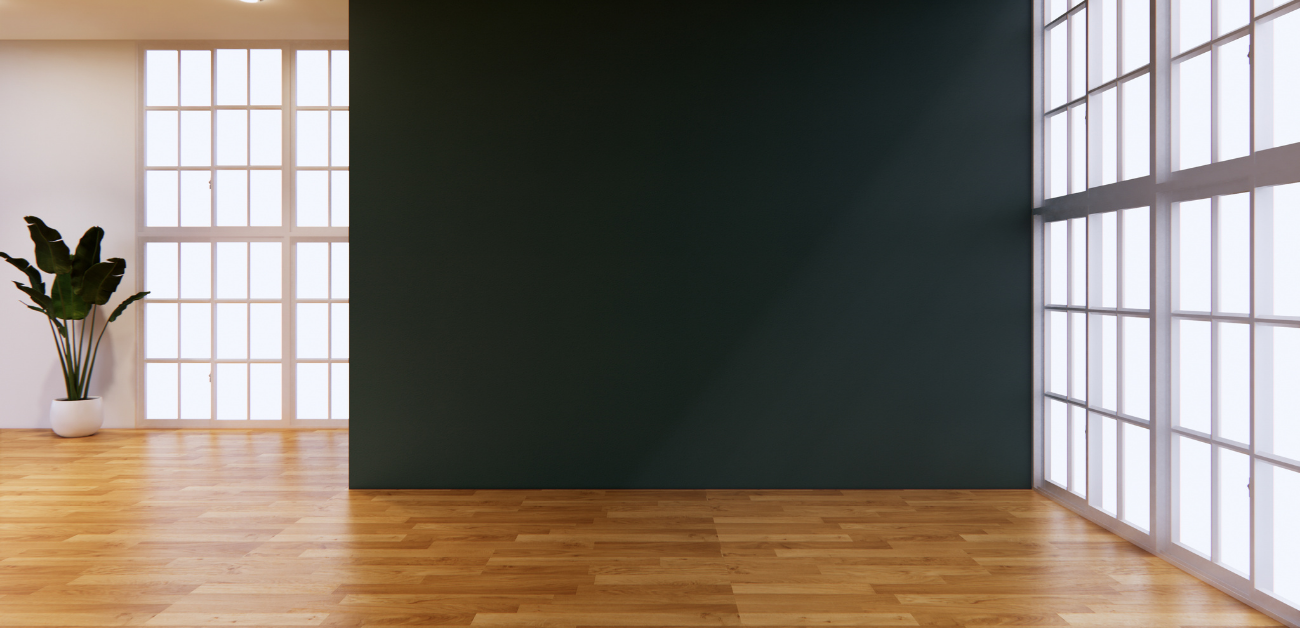
Certified commercial buildings are designed to meet sustainability goals without compromising everyday functionality. Flooring in these environments must deliver durability, easy maintenance, and strong long-term value. High foot traffic, frequent cleaning, and long operating hours place constant demands on materials, making performance a non-negotiable requirement.
In LEED / SGBC certified flooring applications, sustainability does not replace performance expectations. Many certified buildings are high-profile assets that must maintain appearance, safety, and operational efficiency over long service lives. Flooring that wears prematurely or requires excessive maintenance can increase operating costs and undermine sustainability objectives by shortening replacement cycles.
Avoiding trade-offs between sustainability and performance is essential. Flooring products that meet environmental criteria but fail under real-world use create long-term inefficiencies. This is why project teams prioritise materials that balance verified sustainability credentials with proven durability. LEED / SGBC certified flooring solutions are assessed not only for compliance, but for their ability to support reliable, long-term building performance – ensuring environmental responsibility aligns with practical operational needs.
Long-Term Value: Certification, Operations, and Brand Impact
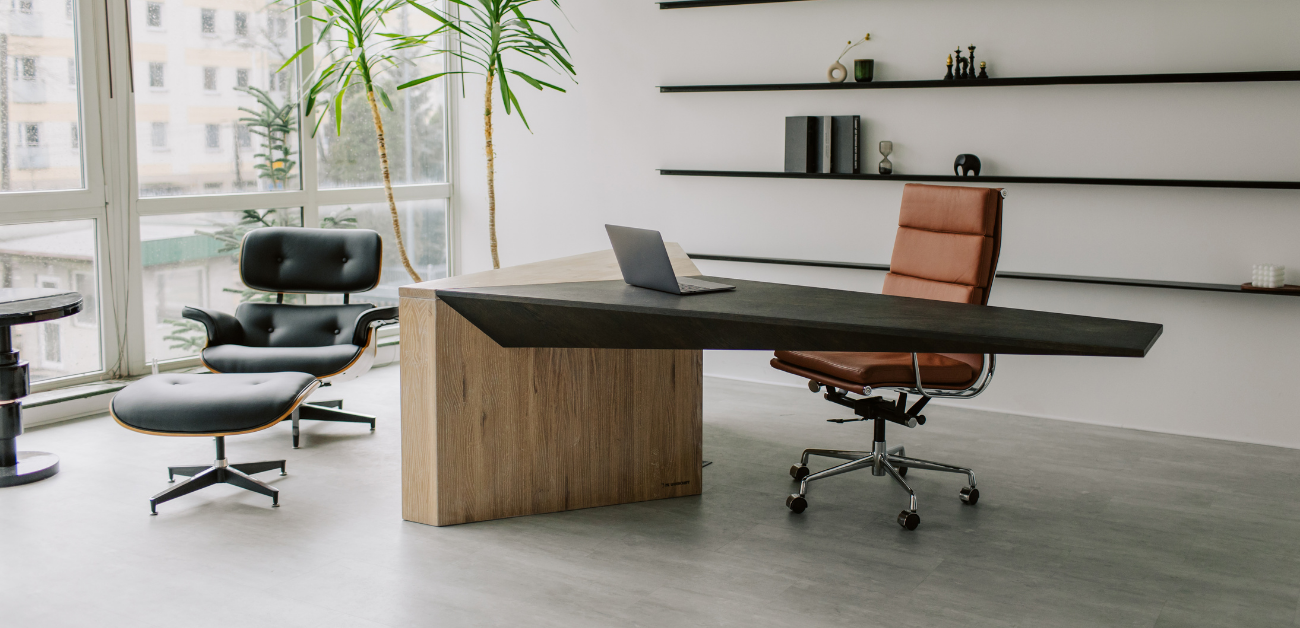
The long-term value of LEED / SGBC certified flooring goes beyond meeting initial certification requirements. In daily operations, certified flooring supports efficiency through low-emission performance, easier maintenance, and durability suited to high-use commercial environments. Over time, these qualities contribute to healthier indoor conditions and improved occupant comfort and well-being.
From an asset perspective, certified buildings often achieve stronger market positioning. Investors and tenants increasingly view sustainability credentials as indicators of quality, risk management, and long-term readiness. Flooring that supports LEED or SGBC objectives becomes part of a broader value story, reinforcing a building’s environmental credibility and operational reliability.
Certification should be treated as a long-term strategy rather than a one-time milestone. Flooring selections that align with certification frameworks help protect asset value by extending replacement cycles, supporting ongoing compliance, and strengthening brand perception. In this context, LEED / SGBC certified flooring delivers both immediate project benefits and lasting commercial and reputational value.
Conclusion: Choosing LEED / SGBC Certified Flooring with Confidence
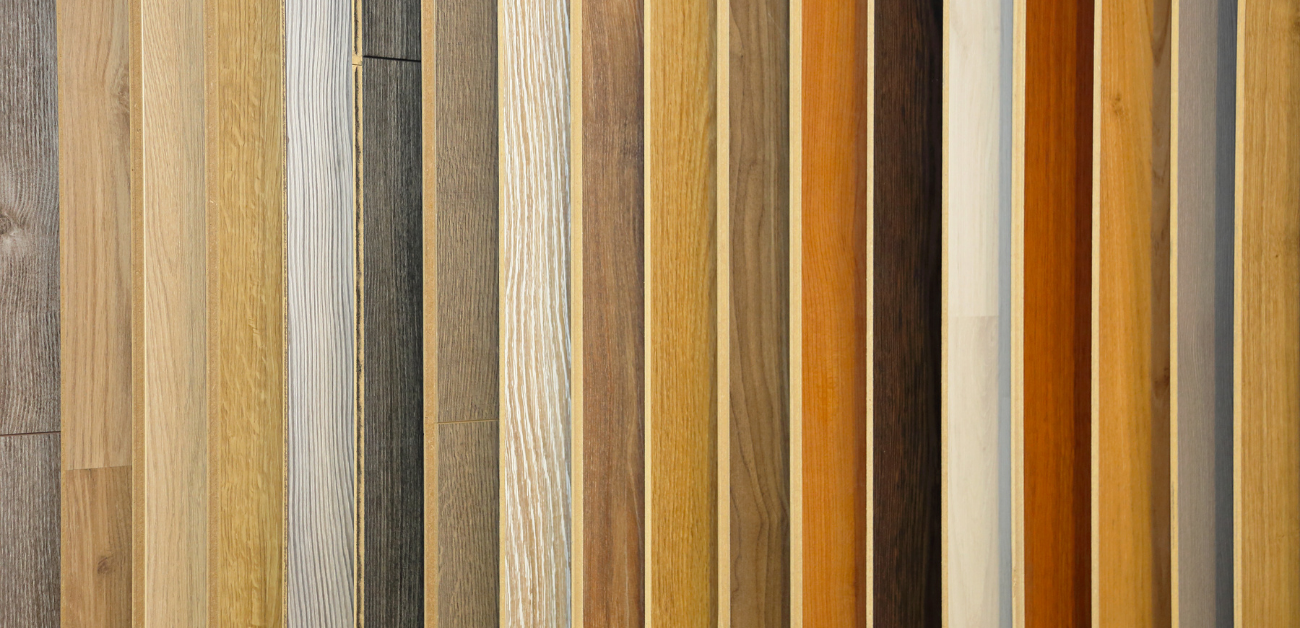
Selecting flooring for LEED / SGBC certified projects is ultimately a decision about accountability, performance, and long-term value. Beyond aesthetics, flooring choices directly influence indoor air quality outcomes, documentation success, operational durability, and the credibility of a building’s sustainability claims. For this reason, certified flooring must be evaluated on verified data, clear disclosures, and proven performance under real-world conditions.
Informed specification goes beyond surface-level sustainability messaging. Project teams that prioritise transparency, tested compliance, and lifecycle performance are better positioned to achieve smoother certification outcomes and protect long-term asset value. Flooring that meets both environmental and operational standards supports not only certification success, but ongoing building performance.
At Goodrich Global, we support project teams through this process with a practical, performance-driven approach to LEED and SGBC certified flooring. From documentation support to material selection aligned with certification requirements, we help simplify compliance and enable confident decision-making. For teams seeking certified flooring solutions that balance performance, transparency, and long-term value, our specialists are available to support your next project.