Articles / Healthcare Interiors
Infection Control Wall System in Healthcare: A Practical Guide for Hospitals
Introduction: Why Walls Matter in Healthcare Infection Control
Healthcare-associated infections remain a serious challenge for hospitals and care facilities, affecting patient outcomes, staff safety, and operational efficiency. While infection control often focuses on medical procedures and equipment, the built environment also plays a critical role in managing environmental risk. Surfaces that are difficult to clean or that degrade over time can contribute to the spread of contaminants.
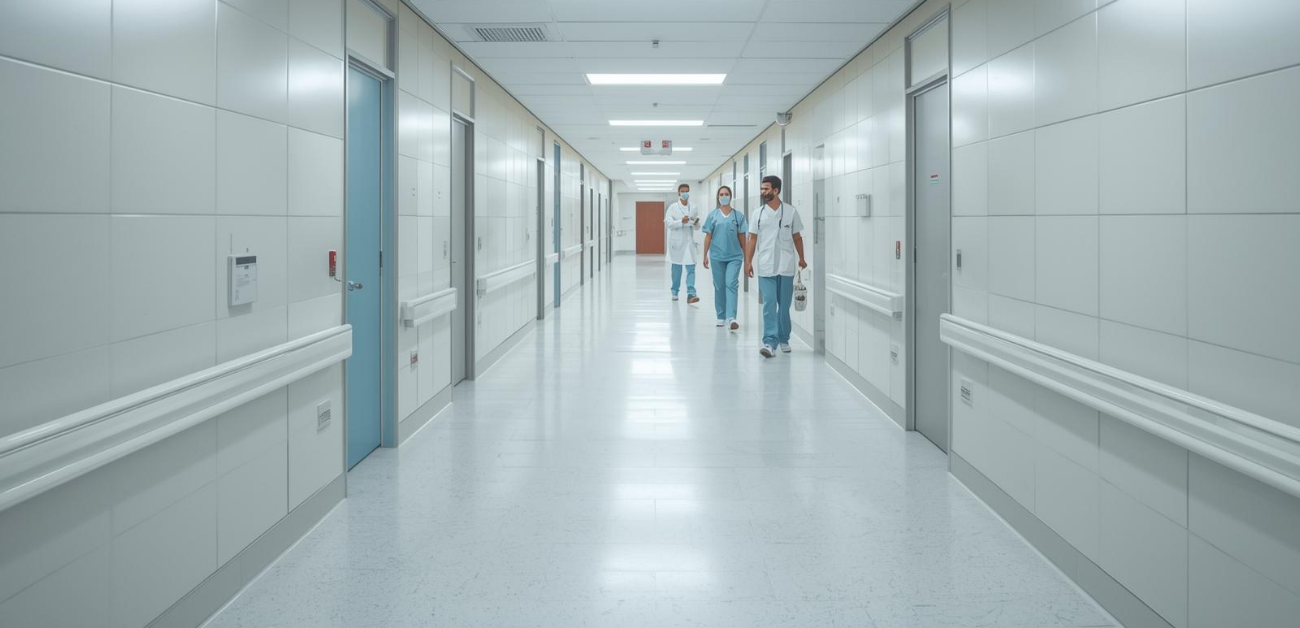
Walls are among the most frequently contacted and exposed surfaces in healthcare settings. Patient rooms, corridors, and treatment areas experience constant contact from staff, patients, equipment, and cleaning activities. Conventional wall finishes can crack, absorb moisture, or deteriorate under repeated disinfection, creating potential hygiene gaps.
This is where an infection control wall system becomes a safety-critical solution. Designed to support rigorous cleaning protocols and resist contamination, these wall systems form part of the infection control strategy rather than serving as a decorative finish. By addressing environmental risk at the surface level, infection control wall system healthcare solutions support safer, more hygienic healthcare environments.
What Is an Infection Control Wall System Healthcare Solution
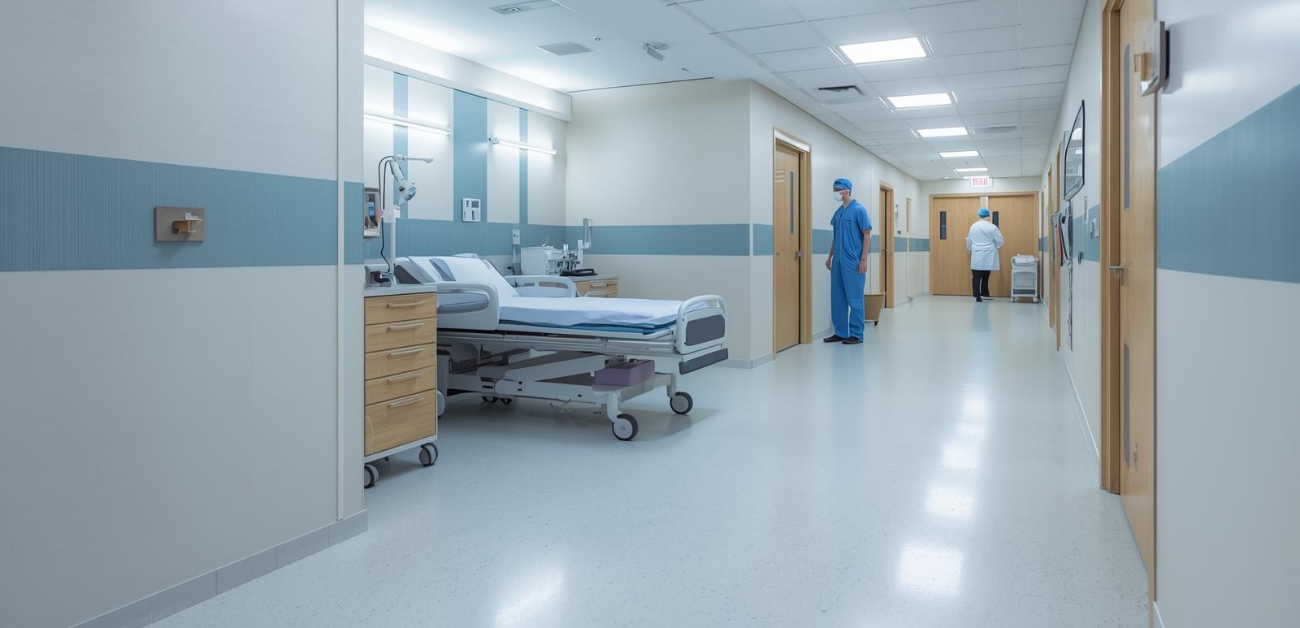
An infection control wall system is a purpose-designed wall finish used in medical environments to reduce the risk of contamination and support strict hygiene standards. Its primary purpose is to create wall surfaces that can withstand frequent cleaning and disinfection without degrading, while minimising areas where bacteria and pathogens can survive.
Unlike standard wall finishes such as paint or decorative panels, infection control wall systems are engineered for performance. They typically feature non-porous surfaces, sealed joints, and impact resistance that prevent moisture penetration and surface damage. Standard finishes may look acceptable initially, but often crack, stain, or deteriorate under repeated chemical cleaning, creating hygiene vulnerabilities over time.
Walls are part of the infection control strategy because they are continuously exposed to touch, equipment contact, and cleaning agents. When walls fail, they become difficult to clean effectively. An infection control wall system healthcare approach treats walls as functional infrastructure, ensuring they support cleanliness, durability, and compliance throughout the life of the healthcare facility.
How Wall Surfaces Contribute to Infection Risk
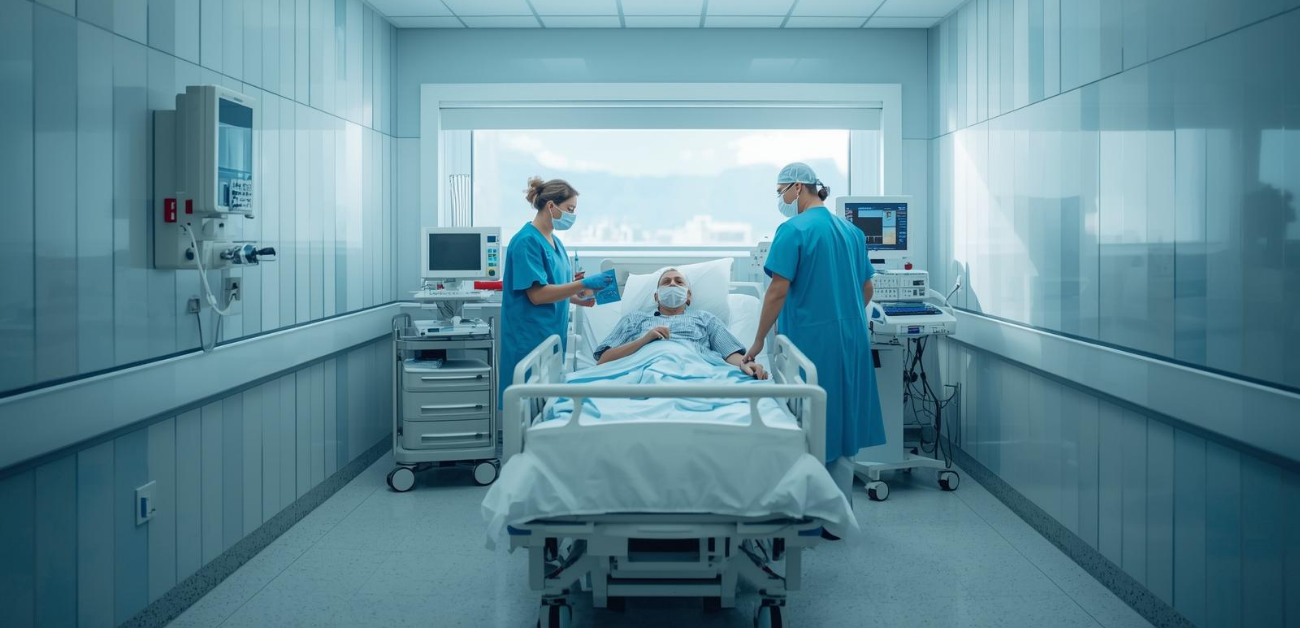
Wall surfaces in healthcare environments are exposed to constant contact and frequent cleaning, making them a potential source of infection risk if not properly specified. High-touch points such as areas around beds, doorways, handrails, and equipment zones are repeatedly contacted by staff, patients, and visitors. Without appropriate surface protection, contaminants can accumulate despite regular cleaning.
Material choice plays a critical role. Porous wall finishes can absorb moisture, cleaning solutions, and organic matter, creating conditions where bacteria can persist beneath the surface. Over time, repeated exposure to disinfectants can cause these materials to degrade, leading to cracks, peeling, or surface breakdown that compromises hygiene.
Paint and conventional wall finishes often fall short in healthcare settings. While suitable for low-risk environments, they are not designed to withstand aggressive cleaning cycles or constant impact. Once damaged, they become difficult to clean effectively and may require frequent repair. An infection control wall system in healthcare addresses these risks by providing non-porous, durable surfaces that maintain integrity under heavy use and support effective infection control protocols.
Key Features of an Infection Control Wall System
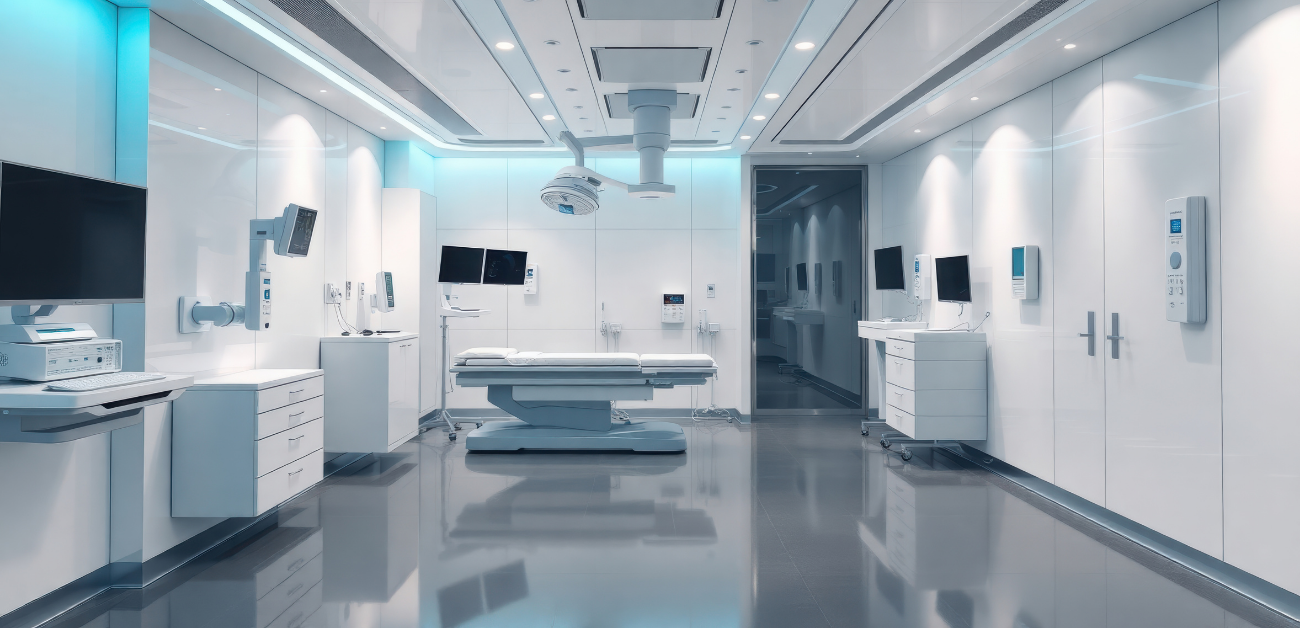
An effective infection control wall system healthcare is defined by features that support hygiene, durability, and compliance in demanding clinical environments. One of the most important elements is seamless surface construction. By minimising joints and treating connections with sealed or welded systems, these wall solutions reduce gaps where bacteria and contaminants can accumulate. Smooth, continuous surfaces are easier to clean thoroughly and consistently.
Non-porous material composition is another critical feature. Unlike conventional finishes, infection control wall systems do not absorb moisture, cleaning agents, or organic matter. This helps prevent microbial growth beneath the surface and maintains hygiene even under frequent disinfection. Some systems also incorporate antimicrobial properties, which inhibit the growth of bacteria on the surface itself, adding an extra layer of protection.
Resistance to chemicals, moisture, and impact is essential in healthcare settings. Walls are exposed to strong disinfectants, repeated wash-downs, and regular contact with equipment and trolleys. An infection control wall system healthcare design maintains surface integrity under these conditions, preventing cracks, peeling, or damage. This durability ensures long-term performance while supporting strict infection control protocols throughout the facility.
Where Infection Control Wall Systems Are Most Critical
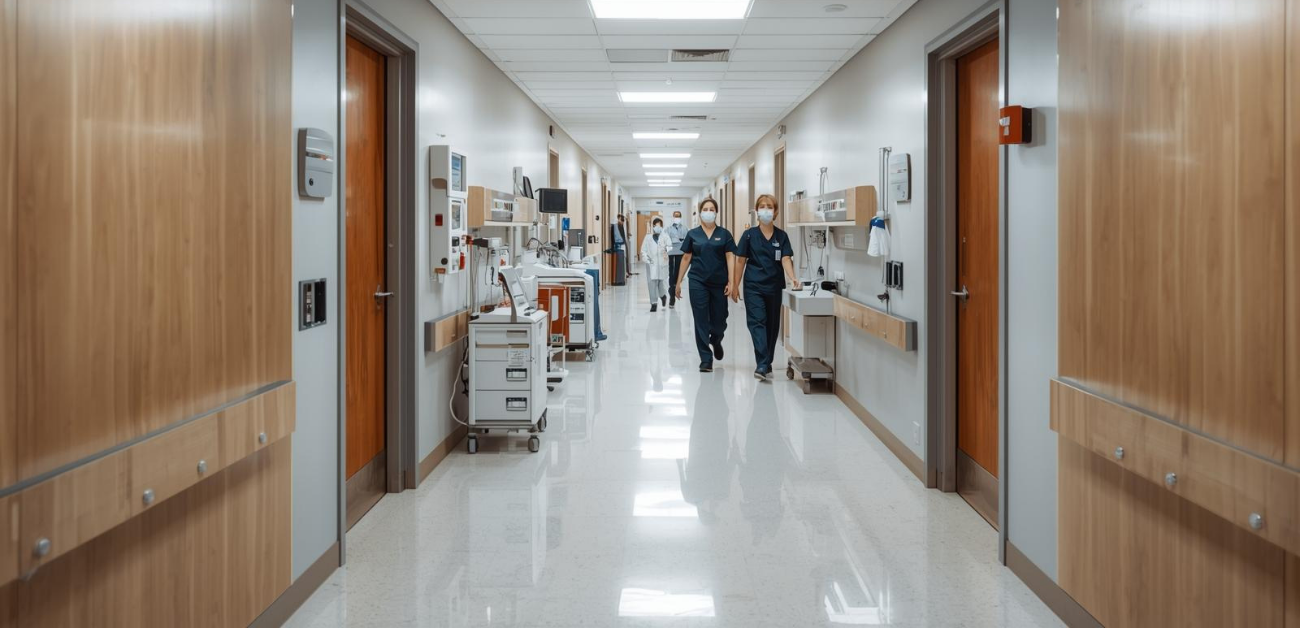
An infection control wall system is the most critical in areas where the risk of contamination and transmission is highest. Patient rooms, intensive care units, and isolation wards are priority zones because they involve vulnerable patients and frequent contact between staff, equipment, and surfaces. In these spaces, wall systems must support constant cleaning while maintaining a sealed, hygienic surface.
Operating theatres and treatment areas place even greater demands on wall performance. These environments require surfaces that can withstand aggressive disinfection protocols without degrading. Any surface failure in these areas can compromise hygiene standards and increase infection risk, making durable wall systems essential.
Corridors, nurse stations, and other high-touch zones are often overlooked but play a significant role in infection control. These areas experience continuous traffic and frequent contact throughout the day. An infection control wall system healthcare solution in these spaces helps maintain consistent hygiene across the facility, reducing the risk of cross-contamination and supporting safer movement between clinical areas.
Cleaning, Disinfection, and Maintenance Performance
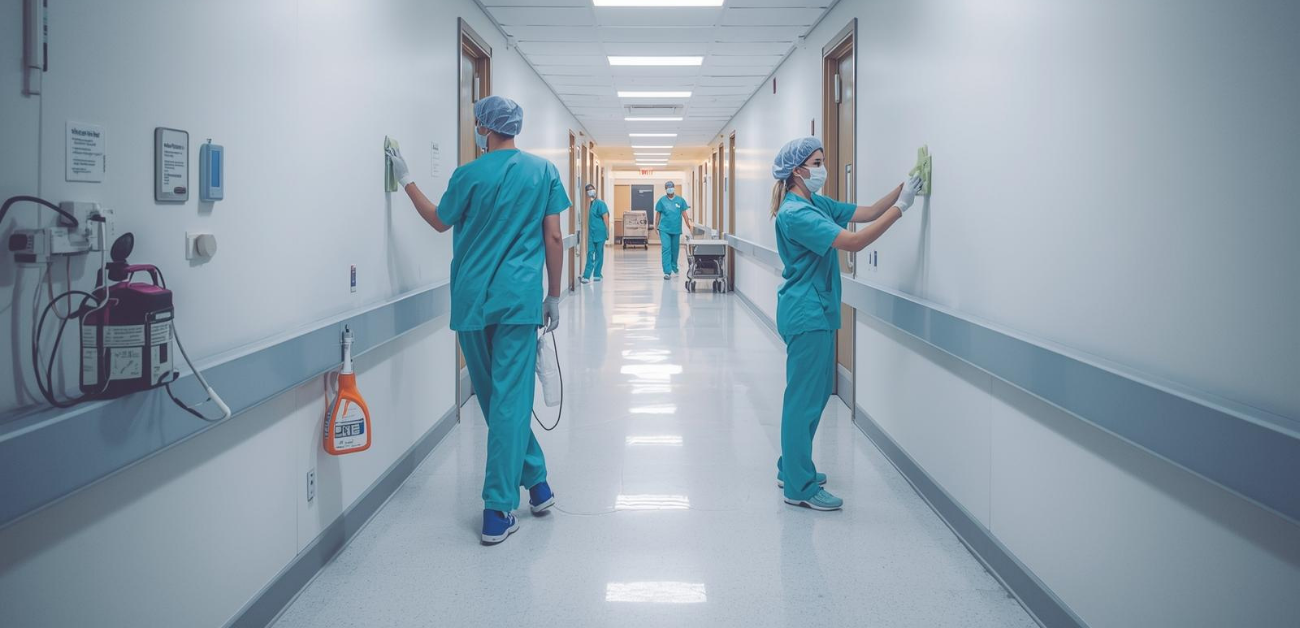
Effective cleaning and disinfection are central to infection prevention in healthcare facilities. An infection control wall system must be fully compatible with hospital cleaning protocols, including frequent wipe-downs and wash cycles using approved disinfectants. Wall surfaces need to support thorough cleaning without absorbing moisture or breaking down over time.
Resistance to repeated chemical disinfection is a key performance requirement. Healthcare environments rely on strong cleaning agents to control pathogens, and wall finishes must withstand continuous exposure without cracking, peeling, or losing surface integrity. An infection control wall system healthcare design maintains stability under these conditions, ensuring that disinfection efforts remain effective.
Long-term hygiene performance depends on surface durability. Walls that degrade create micro-gaps and damaged areas that are difficult to clean properly. By maintaining a smooth, sealed surface over extended periods, infection control wall systems support consistent hygiene outcomes. This reduces maintenance intervention, minimises repair needs, and helps healthcare facilities maintain safer environments for patients, staff, and visitors.
Compliance, Standards, and Healthcare Regulations
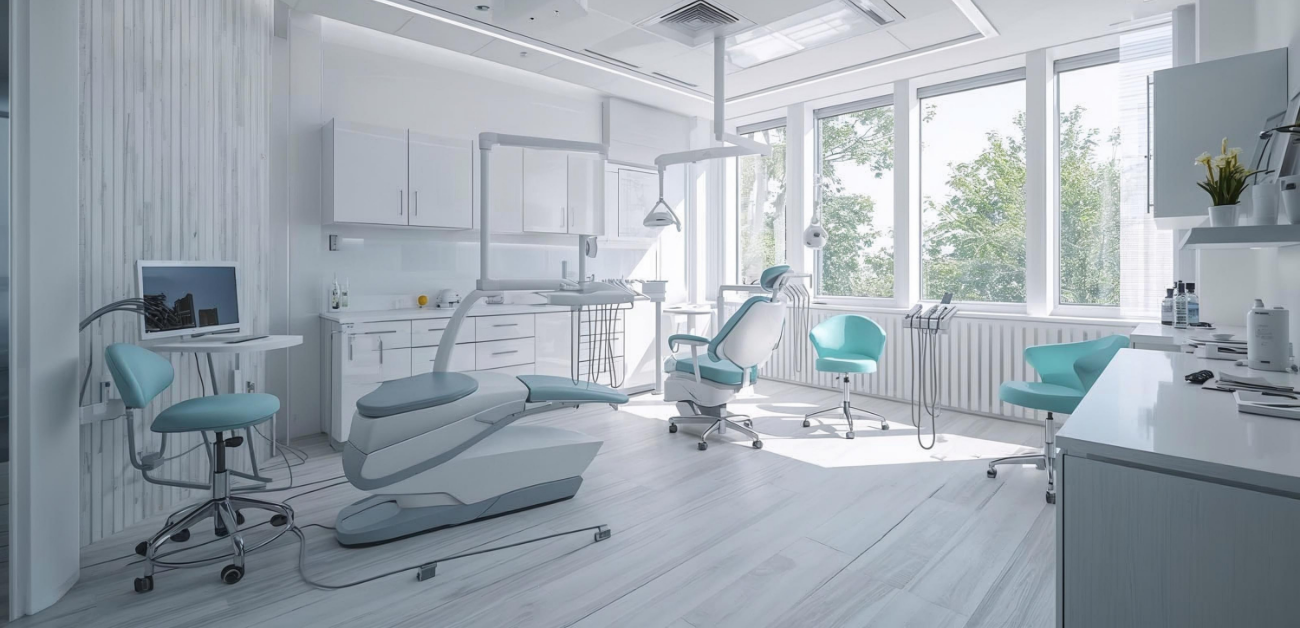
Compliance is a primary driver in the selection of wall finishes for medical environments. An infection control wall system for healthcare must align with infection control guidelines that govern surface hygiene, cleanability, and resistance to contamination. These guidelines are designed to reduce healthcare-associated risks and require materials that can perform consistently under strict operational conditions.
Fire safety and durability are equally important considerations. Wall systems must meet fire performance requirements while maintaining structural integrity despite frequent impact and aggressive cleaning. Materials that fail under these conditions can create safety risks and lead to repeated repairs, increasing both cost and operational disruption. Proper documentation, including test reports and material data, is essential to demonstrate compliance during inspections and audits.
Compliance ultimately drives material selection because healthcare facilities operate under regulatory scrutiny. Choosing wall systems that meet documented standards reduces approval delays, limits liability, and supports long-term facility performance. An infection control wall system healthcare approach ensures walls contribute positively to safety, hygiene, and regulatory adherence throughout the building lifecycle.
Lifecycle Value and Risk Reduction for Healthcare Facilities
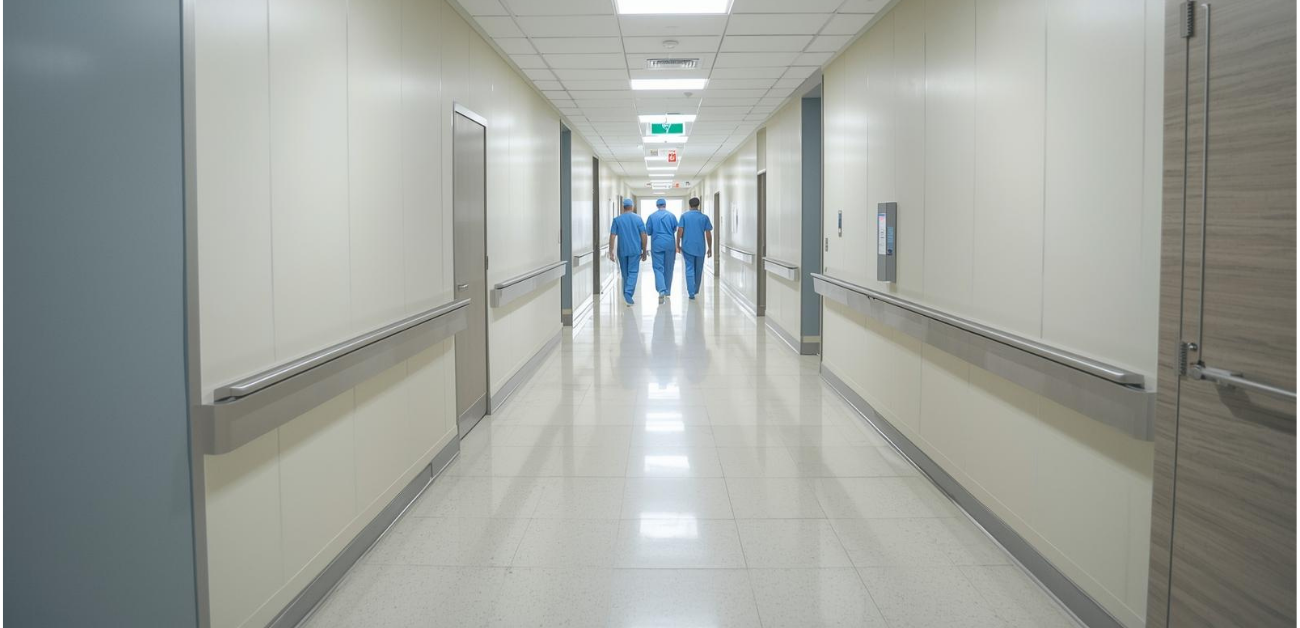
An infection control wall system delivers value by reducing environmental risks that can lead to healthcare-associated infections. Durable, non-porous wall surfaces support consistent cleaning and help limit contamination, lowering the likelihood of infection-related incidents that can disrupt operations and patient care. By reducing these risks, facilities can avoid unplanned downtime, room closures, and corrective maintenance.
Maintenance efficiency is another key benefit. Infection control wall systems are designed to withstand repeated cleaning, chemical disinfection, and physical impact without degrading. This durability reduces the need for frequent repairs or surface replacement, allowing maintenance teams to focus on routine upkeep rather than reactive fixes. Over time, this leads to more predictable maintenance schedules and controlled operational costs.
The long-term value of infection control wall systems lies in their ability to support safety, compliance, and durability simultaneously. By maintaining surface integrity throughout the building lifecycle, an infection control wall system healthcare solution protects both clinical performance and facility investment.
Conclusion: Choosing Infection Control Wall Systems with Confidence
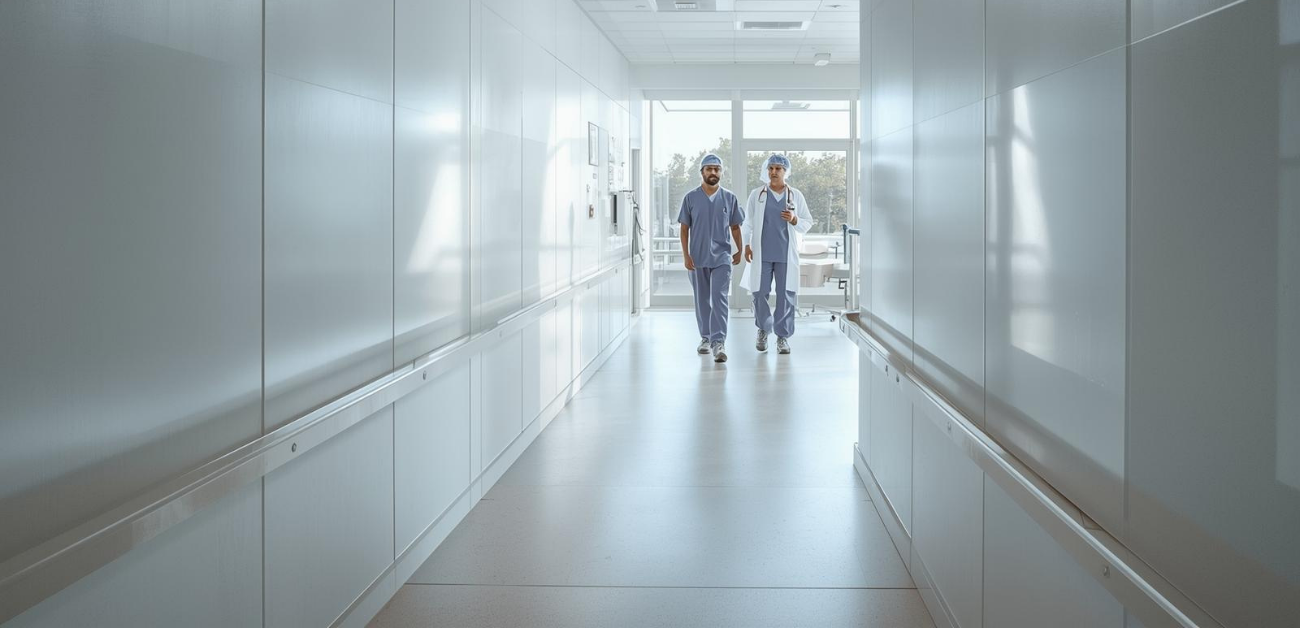
In healthcare environments, wall systems should be viewed as patient safety infrastructure rather than background finishes. Their performance directly affects hygiene standards, cleaning effectiveness, and the overall ability of a facility to manage infection risk. An infection control wall system approach recognises walls as active contributors to safer clinical environments.
Informed, compliant material selection is essential. Healthcare facilities benefit from choosing wall systems that are supported by documented performance, regulatory compliance, and long-term durability, rather than relying on conventional finishes that may fail under clinical conditions. Materials must align with infection control guidelines while withstanding continuous cleaning and operational demands.
Within the broader healthcare interior solutions landscape, Goodrich Global operates among providers that understand these requirements. In this context, selecting the right infection control wall system supports patient safety, operational reliability, and long-term facility performance with confidence.