Articles / Fabric & Upholstery / Healthcare Interiors
From Waiting Rooms to Patient Care: Blood-Stain Resistant Upholstery Fabric Explained

Introduction: Why Upholstery Performance Matters in Clinical Environments
In healthcare facilities, upholstered surfaces are in constant use yet rarely receive the same scrutiny as medical equipment or hard finishes. Seating in patient rooms, waiting areas, examination spaces, and staff zones is routinely exposed to spills, bodily fluids, and repeated physical contact. In these settings, blood-stain resistant upholstery fabric serves a functional role that extends far beyond comfort or visual appeal. It becomes a material safeguard that supports hygiene, durability, and patient confidence.
Blood presents a distinct challenge in clinical environments due to its tendency to absorb quickly into fibers and leave permanent discoloration if not properly managed. When upholstery materials lack adequate resistance, stains become visible indicators of contamination and deterioration. This not only raises infection-control concerns but also undermines perceptions of cleanliness and professionalism.
Treating upholstery as part of the healthcare safety system requires recognising that blood-stain resistant upholstery fabric is essential infrastructure. Its performance directly influences infection-prevention efforts, maintenance efficiency, and the overall integrity of care environments.
Upholstered Surfaces as Overlooked Risk Zones

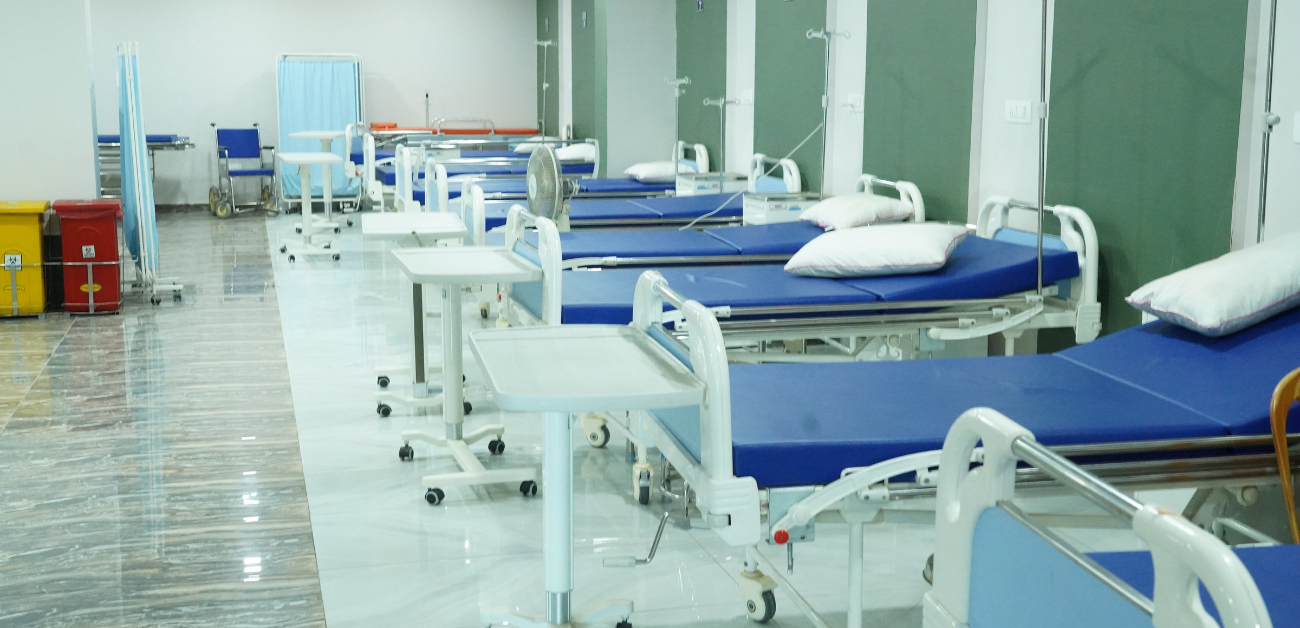
Upholstered furniture is embedded throughout healthcare facilities, from waiting room chairs and patient room seating to examination stools and staff break areas. These surfaces support prolonged contact rather than brief interactions, which increases their exposure to contaminants over time. Patients may sit for extended periods, visitors rotate frequently, and staff move between zones while carrying clinical materials. Despite this level of use, upholstery is often assessed less rigorously than hard surfaces during hygiene planning.
The frequency and duration of contact elevate risk. Unlike curtains or railings that are touched momentarily, upholstered surfaces absorb pressure, heat, and moisture. When spills or bodily fluids occur, they can penetrate deep into fibres and padding, creating conditions where residues persist even after surface cleaning. This makes upholstery a potential reservoir for visible staining and hidden contamination.
Using blood-stain resistant upholstery fabric addresses this vulnerability by limiting fluid absorption and enabling more effective cleaning. By reducing both visible soiling and residual contamination, these fabrics support safer, more controllable environments across patient and staff zones.
Understanding Blood as a Unique Textile Challenge

Blood presents a more complex challenge for textiles than most common spills encountered in healthcare environments. Unlike water-based liquids, blood contains proteins and cellular components that interact with fabric fibres almost immediately upon contact. As it warms and coagulates, it bonds more tightly to textile surfaces, making stains difficult to remove once they set. This behaviour distinguishes blood from routine spills such as beverages or cleaning solutions.
Absorption occurs quickly, particularly in porous or loosely woven materials. Once blood penetrates the surface, coagulation accelerates staining by anchoring pigments within the fibre structure. Repeated exposure without adequate resistance can lead to permanent discolouration and material degradation, even when cleaning protocols are followed. Over time, this compromises both appearance and hygiene perception.
In real clinical conditions, blood-stain resistant upholstery fabric is expected to slow absorption, resist bonding at the fiber level, and withstand prompt cleaning without damage. Performance is measured not by isolated incidents but by consistent resistance across repeated exposures, ensuring durability and visual cleanliness in demanding healthcare settings.
Material Engineering Behind Blood-Stain Resistance
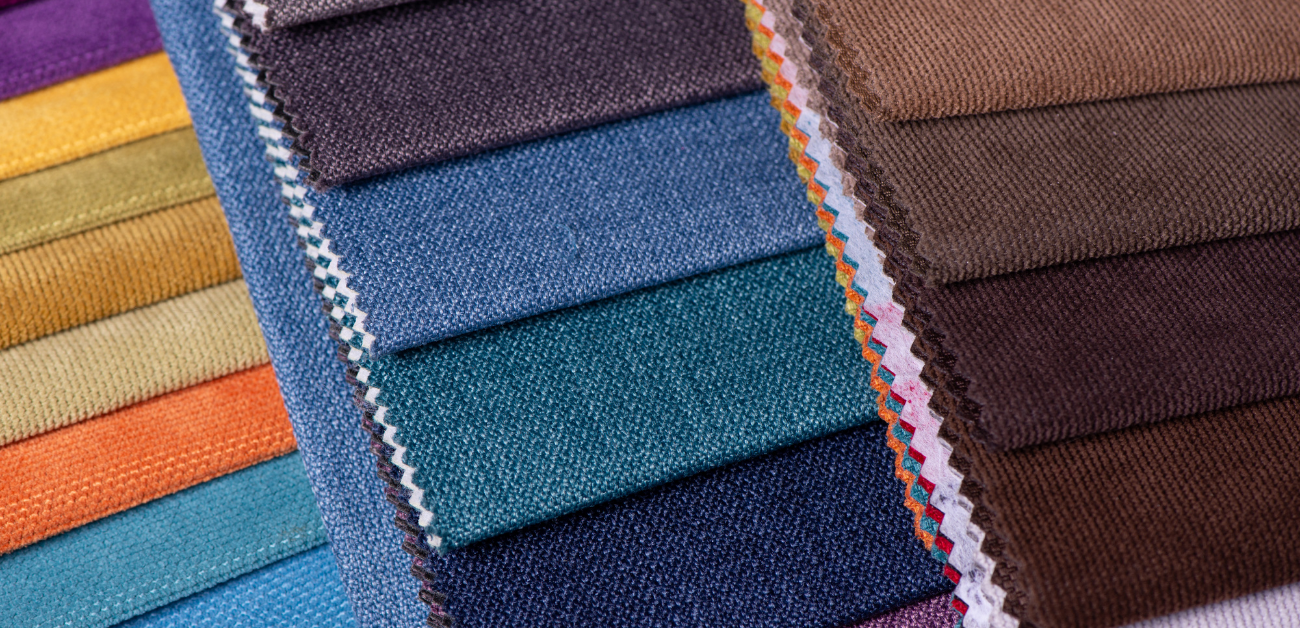
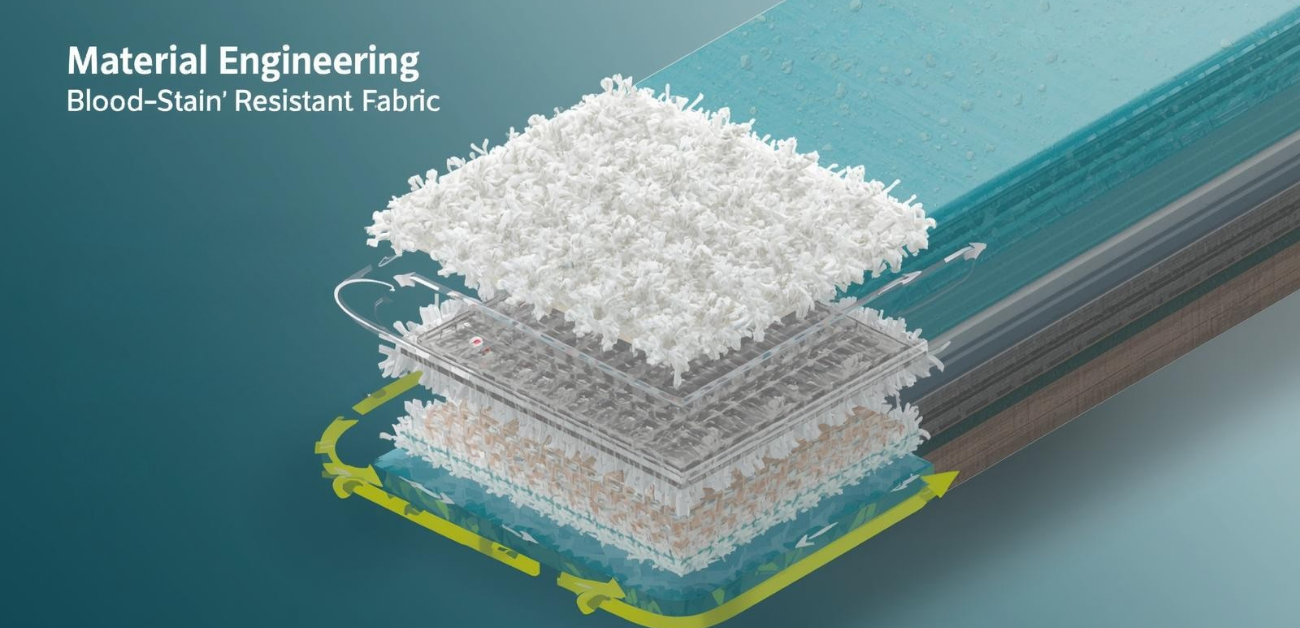
Effective blood-stain resistance begins with deliberate material engineering rather than surface-level treatments alone. Fiber selection plays a central role, as tightly structured synthetic fibers are less absorbent than natural alternatives and provide greater consistency under clinical stress. Weave structure further influences performance. Dense, uniform weaves reduce gaps where fluids can penetrate, creating a physical barrier that supports easier cleaning and stain prevention.
Protective finishes and treatment technologies add another layer of defense. These treatments are designed to repel fluids at the surface while maintaining flexibility and breathability. In healthcare applications, finishes must also remain stable when exposed to disinfectants and frequent laundering. Poorly applied or consumer-grade treatments can degrade quickly, leaving fabrics vulnerable after limited use.
Durability is a defining requirement for blood-stain resistant upholstery fabric. Materials must retain their resistance after repeated cleaning cycles, chemical exposure, and daily wear. Long-term performance depends on how well fibre structure, weave, and treatments work together to preserve both function and appearance over time.
Infection Control, Perception, and Patient Confidence
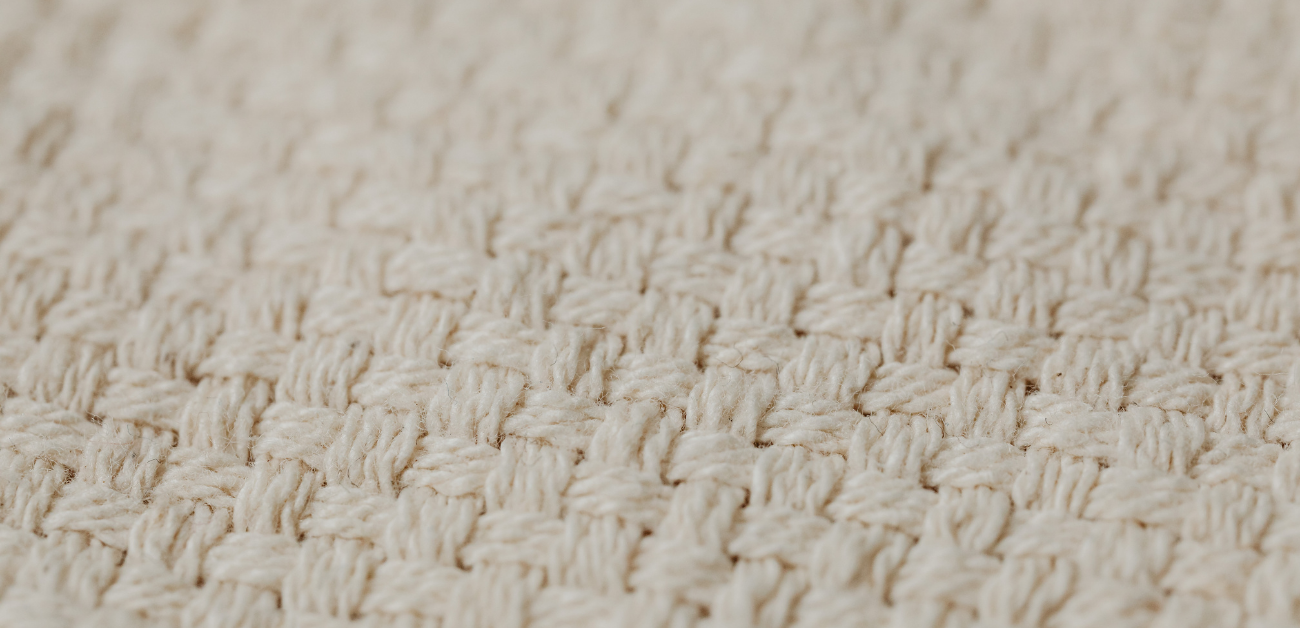
Visual cleanliness strongly influences how patients and visitors judge the quality of care environments. Upholstered surfaces that appear stained or worn can create immediate doubt about hygiene practices, even when clinical protocols are being followed. In healthcare settings, trust is shaped as much by what patients see as by what is documented, making appearance a critical component of infection-control perception.
Staff behaviour is also affected by environmental cues. Clean, well-maintained surroundings reinforce discipline and accountability, while visibly degraded materials can normalize lower standards over time. When upholstery consistently appears clean, it supports a culture where hygiene expectations are clear and upheld across roles and departments.
By maintaining a clean appearance despite repeated exposure, blood-stain resistant upholstery fabric reinforces hygiene standards in both practical and psychological ways. It reduces visible contamination, supports effective cleaning, and helps align patient perception with actual infection-control efforts, strengthening confidence in the care environment.
Compliance, Liability, and Institutional Risk
Upholstered surfaces are increasingly included in audits, inspections, and infection-control assessments, particularly in high-traffic and patient-facing areas. Inspectors often evaluate not only cleaning records but also the visible condition of materials. Upholstery that shows persistent staining can raise concerns about maintenance effectiveness and trigger closer examination of hygiene practices across the facility.
Visible staining also carries legal and reputational consequences. In the event of patient complaints or claims, stained seating can be cited as evidence of inadequate environmental control, even when no direct link to infection is established. Public perception plays a significant role in healthcare accountability, and visual indicators of neglect can undermine institutional credibility quickly.
Incorporating blood-stain resistant upholstery fabric into facility standards serves as a practical risk mitigation strategy. By limiting visible staining and maintaining consistent appearance, these materials support compliance readiness, reduce liability exposure, and help protect the organisation’s reputation during regulatory reviews and public scrutiny.
Cost, Longevity, and Operational Efficiency

Healthcare facilities operate under constant financial and operational pressure, making material longevity a critical consideration. Upholstered furniture that requires frequent replacement due to staining or fabric breakdown generates recurring costs that extend beyond the price of materials. Labour for removal and installation, downtime in patient areas, and disruptions to daily operations all contribute to higher long-term expenses.
Maintenance demands also affect efficiency. Fabrics that cannot withstand repeated cleaning often require gentler processes or more frequent attention, increasing workload for environmental services teams. Over time, this strains resources and reduces predictability in maintenance planning.
Investing in blood-stain resistant upholstery fabric improves operational efficiency by extending product life and stabilizing maintenance cycles. These materials are designed to retain performance through repeated cleaning and daily use, reducing replacement frequency and associated disruptions. The result is a lower total cost of ownership and a more controlled, reliable approach to managing healthcare environments.
Conclusion: Upholstery as a Marker of Healthcare Accountability
Upholstered surfaces play a more influential role in healthcare environments than they are often given credit for. Their condition affects infection-control perception, compliance outcomes, and the everyday experience of patients and staff. Treating upholstery as part of healthcare infrastructure reframes material choice as a matter of accountability rather than aesthetics.
Performance, durability, and visual cleanliness converge in demanding clinical settings, where materials must withstand constant exposure without compromising standards. Selecting blood-stain resistant upholstery fabric supports these requirements by aligning hygiene objectives with long-term operational stability.
Within this context, companies such as Goodrich Global occupy an important position in the healthcare textile ecosystem. By focusing on performance-driven upholstery solutions, Goodrich Global contributes to a broader shift toward materials that respond to real clinical demands. For decision-makers, this invites closer examination of how textile partners support safety, compliance, and responsible healthcare design through informed material choices.