Articles / Sustainability / Wallpaper & Wallcovering
Beyond Decoration: The Power of a Large Format Digital Wallpaper for Feature Walls
Introduction: When a Wall Stops Being Background
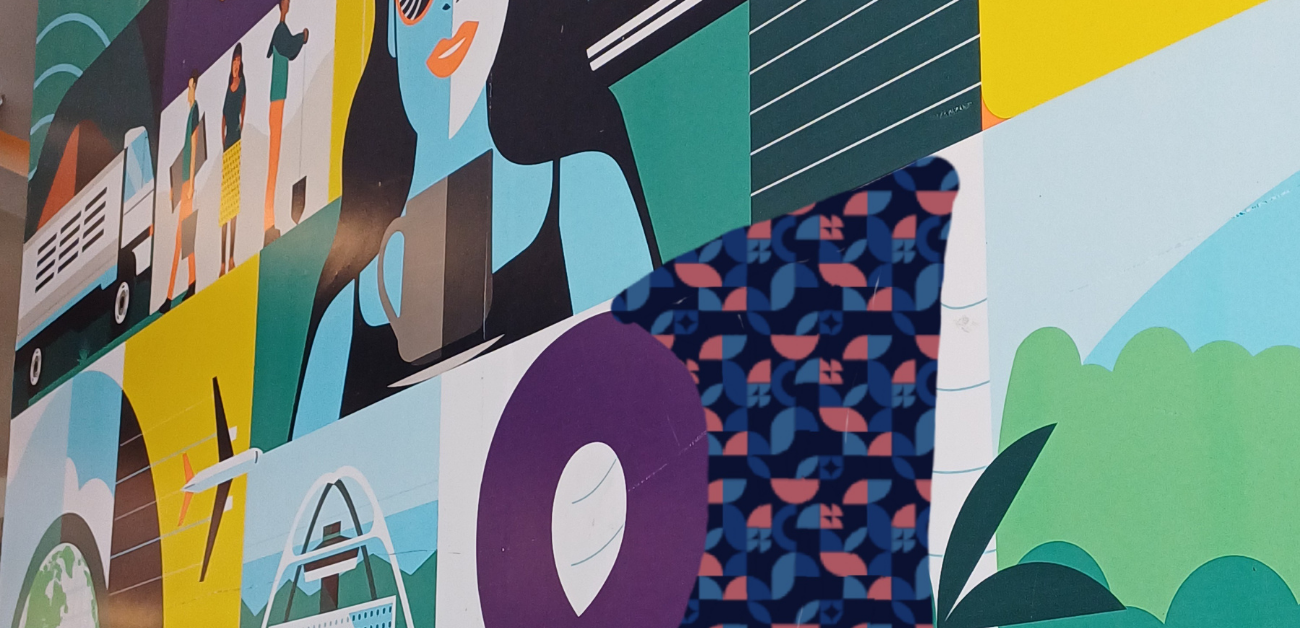
In interior design, walls are often treated as neutral surfaces that frame furniture, lighting, and movement. A feature wall changes that relationship entirely. When scale and imagery expand beyond conventional boundaries, the wall no longer supports the space. It defines it. This shift is most evident in the use of a large format digital wallpaper for feature walls, where visual presence becomes a dominant spatial force rather than a secondary design element.
Large-format visuals command attention immediately. They influence where people look, how they orient themselves, and how they remember a space after leaving it. This power introduces both opportunity and risk. When used with intent, a feature wall can anchor identity, clarify spatial hierarchy, and create a lasting impression. When applied without discipline, it can overwhelm users, compete with architecture, and age poorly.
Understanding the implications of a large format digital wallpaper requires moving beyond decoration. It demands critical evaluation of scale, purpose, and long-term impact on how a space is experienced day after day.
Scale Changes Everything: Why Large Format Demands Discipline

Scale fundamentally alters how people perceive and move through a space. Large visuals draw the eye instinctively, often before occupants register architectural details or functional cues. A wall that spans an entire field of vision influences focus and orientation, guiding movement and establishing hierarchy within an interior. This level of influence requires deliberate control rather than instinctive decoration.
Visual authority comes with responsibility. When scale is handled well, a feature wall provides clarity and emphasis. When mismanaged, it becomes visual noise that competes with lighting, furnishings, and circulation. Overly complex imagery, excessive contrast, or poorly considered placement can overwhelm users and fragment the spatial experience instead of strengthening it.
For these reasons, a large format digital wallpaper cannot be approached like a standard wall finish. Its size magnifies every design decision, from colour and composition to placement and context. Discipline in scale ensures that the wall supports the space rather than dominating it in unintended ways.
The Psychology of Feature Walls: Attention, Memory, and Fatigue
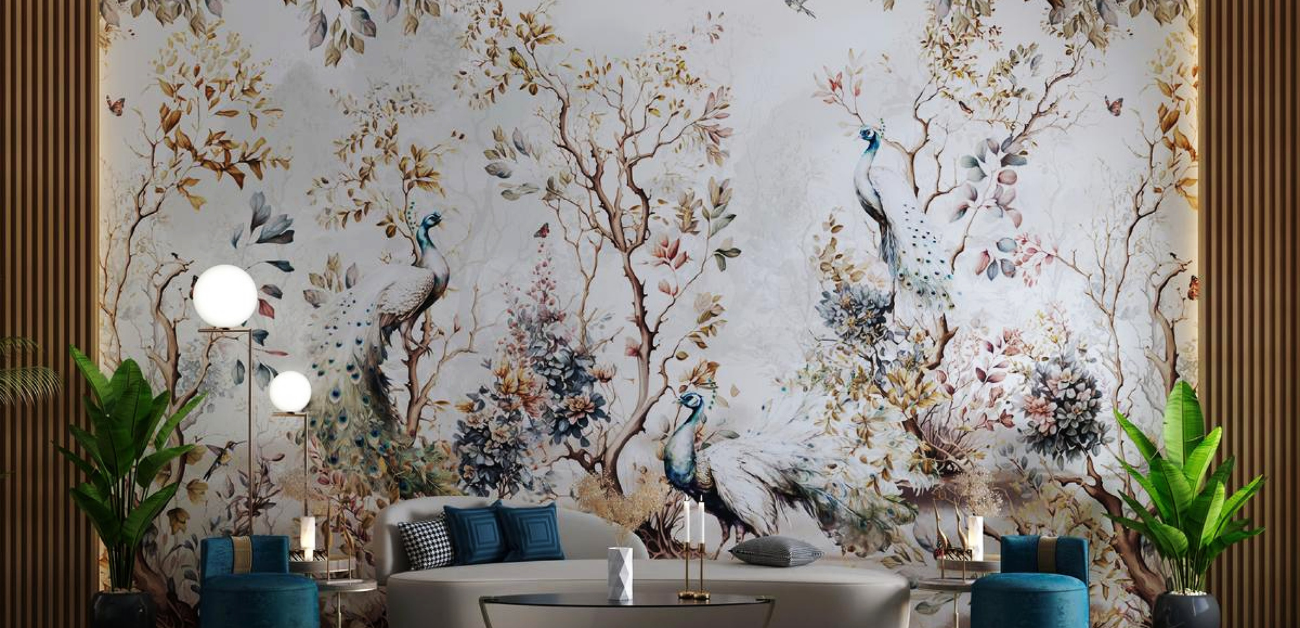
Oversized visuals trigger strong cognitive and emotional responses. A large image captures attention immediately, shaping first impressions and anchoring memory. In the short term, this can be highly effective. Feature walls can create moments of focus, reinforce identity, and help users recall a space long after they leave it. This is why scale is often used to signal importance or distinction.
However, prolonged exposure changes the experience. When users encounter the same oversized visual repeatedly, especially in workplaces or public environments, the initial impact can give way to fatigue. Highly saturated colours, dense patterns, or aggressive imagery may overstimulate rather than engage, subtly increasing stress or visual exhaustion over time.
A large format digital wallpaper enhances the experience when it supports calm focus, clarity, or narrative intent. It exhausts users when it demands constant attention without purpose. Understanding this psychological balance is essential for creating interiors that remain effective beyond their first impression.
Design Intent Versus Decoration: A Critical Distinction
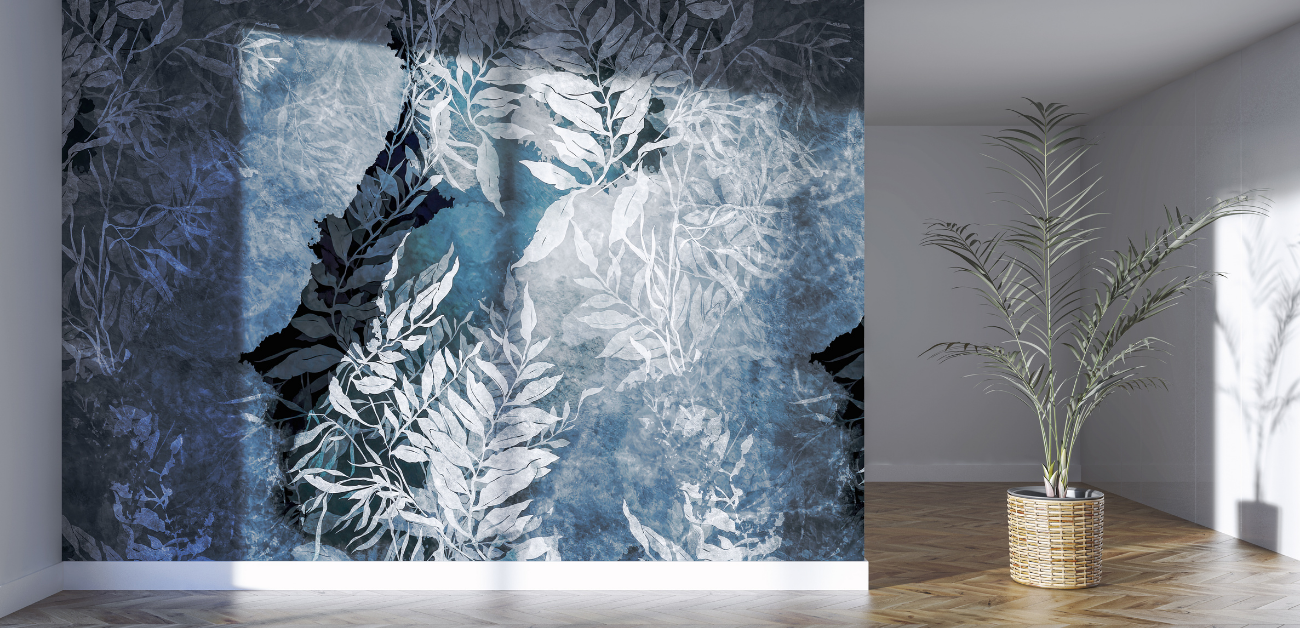
The effectiveness of a feature wall depends on intent. When treated as a spatial anchor, a feature wall provides orientation, emphasis, and meaning within an interior. It supports how a space is read and used, rather than simply filling an empty surface. Decoration, by contrast, is often reactive and disconnected from function, applied to add visual interest without a clear purpose.
Narrative and identity are central to meaningful feature walls. Imagery should reflect the values, activities, or context of the space, whether that involves reinforcing brand presence, supporting wayfinding, or creating a specific atmosphere. Without this alignment, even technically well-executed visuals can feel arbitrary or intrusive.
A large format digital wallpaper succeeds when it reinforces spatial logic and communicates intent clearly. It fails when scale is used without restraint, when imagery lacks relevance, or when visual impact overrides usability. The distinction between design and decoration becomes especially important as scale increases and consequences become more pronounced.
Technical Execution at Scale: Where Most Projects Break Down

Technical execution becomes increasingly unforgiving as scale increases. In large installations, issues that might be negligible on smaller surfaces become immediately visible. Resolution is a common failure point. Files that are inadequately prepared can appear sharp on screen but lose clarity when expanded across an entire wall. Pixelation, banding, or inconsistent colour reproduction can undermine the intended impact.
File integrity and print continuity are equally critical. Large visuals are often produced in sections, and poor alignment between panels can disrupt imagery and draw attention to seams. Even minor inconsistencies become focal points when the wall dominates a space. Precision in preparation and installation is essential to preserve visual cohesion.
Alignment with architectural elements and lighting further complicates execution. Doors, columns, and light sources interact directly with imagery. Without careful coordination, visuals can be unintentionally distorted or visually fragmented.
For a large format digital wallpaper for feature walls, technical precision is non-negotiable. Scale amplifies every flaw, making execution as important as design intent.
Longevity in a World of Trends
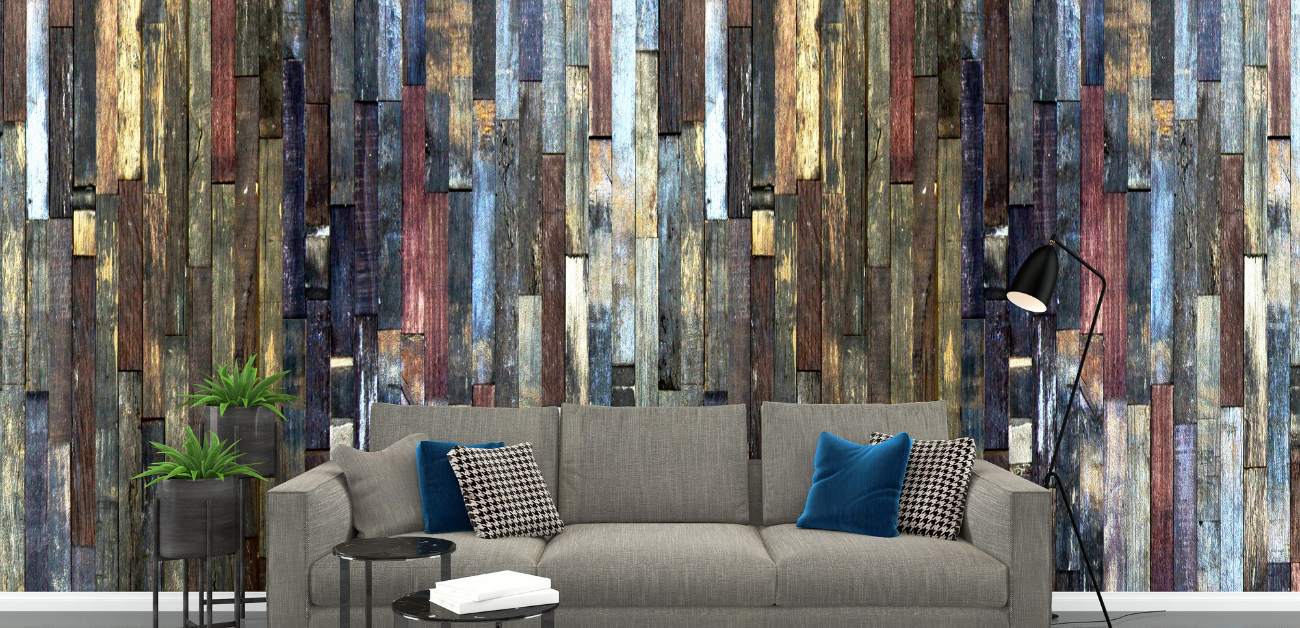
Design trends move quickly, but large-scale visual installations remain in place for years. This creates tension between contemporary appeal and long-term relevance. Feature walls driven by short-lived trends may feel outdated long before the space itself requires renewal, leading to premature replacement or visual fatigue.
Longevity begins with concept selection. Imagery that relies heavily on fashionable motifs or overly specific references can lose relevance as tastes shift. More enduring designs tend to emphasise texture, abstraction, or themes connected to place and purpose rather than novelty. These approaches age more gracefully and remain adaptable to changing interiors.
Maintenance also affects longevity. Large visuals must withstand cleaning, light exposure, and daily use without degrading. When materials fade or surface damage becomes visible, the entire installation can appear neglected.
Designing a large format digital wallpaper for a feature wall with longevity in mind requires restraint and foresight. The goal is not immediate impact alone, but sustained relevance that continues to support the space over time.
Responsible Use in Commercial and Shared Environments
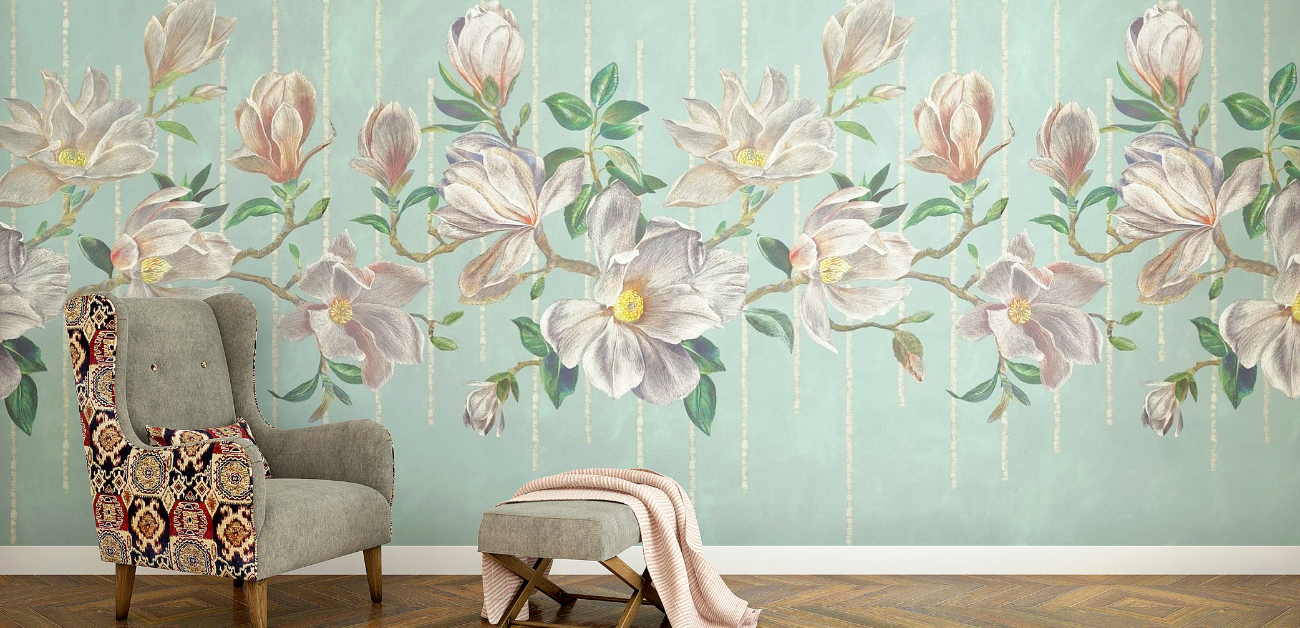
In offices, hospitality settings, and public spaces, feature walls influence large and diverse groups of users. Visual dominance in shared environments carries responsibility, as not all occupants engage with space in the same way. What feels bold and engaging to one group may feel overwhelming or distracting to another.
Responsible use considers context and duration of exposure. Feature walls in transitional spaces can be more expressive, while areas intended for focus or rest benefit from calmer visuals. Designers must consider how imagery interacts with behaviour, workflow, and emotional comfort.
A large format digital wallpaper should enhance shared environments without overpowering them. Thoughtful placement, measured imagery, and sensitivity to user experience help ensure that visual impact supports function rather than disrupting it.
Conclusion: Feature Walls as Strategic Design Commitments

Feature walls are no longer surface-level design decisions. At a large scale, they become long-term commitments that shape perception, movement, and memory within a space. Their impact extends beyond aesthetics into experience, usability, and well-being.
Effective feature walls balance intent, psychology, and technical execution. They respect scale, age gracefully, and align with the purpose of the environment. Poorly considered installations, by contrast, amplify flaws and impose lasting consequences.
Within this context, Goodrich Global approaches large-scale wall solutions with an emphasis on performance, restraint, and execution quality. Its work with large format digital wallpapers reflects an understanding that impactful design requires both visual intelligence and long-term responsibility.