Articles / Wallpaper & Wallcovering
Rethinking Classroom Walls Through Digital Print wall covering for School Classrooms
Introduction: Why Classroom Walls Influence Learning More Than We Admit
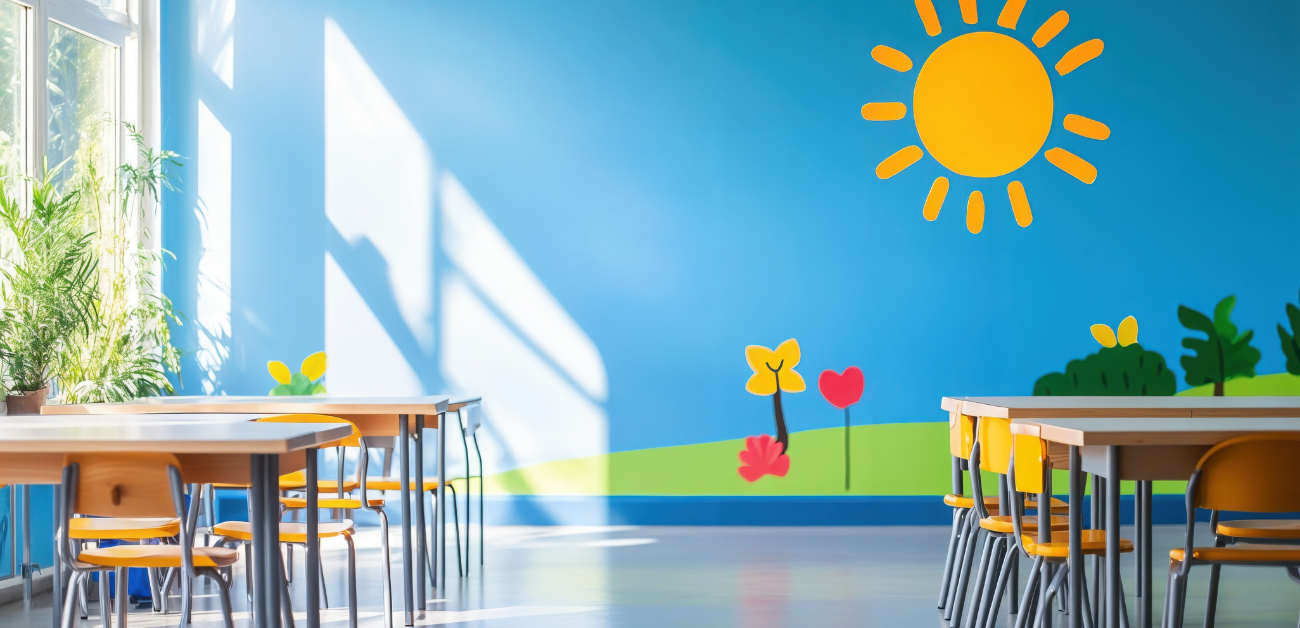
Classroom environments shape how students think, focus, and behave, often in ways that are subtle but persistent. Walls, in particular, form a constant visual backdrop to learning. They are seen for hours each day, across weeks and years, yet they are rarely evaluated with the same seriousness as curriculum, furniture, or technology. In this context, digital print wall covering for school classrooms are increasingly being used not just to decorate, but to influence how learning spaces function.
Visual elements can support curiosity, reinforce concepts, or create a sense of calm and order. At the same time, poorly considered wall graphics can overload attention, distract from instruction, or contribute to cognitive fatigue. The difference lies in intent, restraint, and understanding how students interact with their environment.
Treating classroom walls as active components of learning requires careful decisions about content, scale, and material performance. Digital print wall covering for school classrooms must therefore be approached as an educational tool, not a visual afterthought, with long-term impact on student experience and outcomes.
Visual Environment and Student Cognition
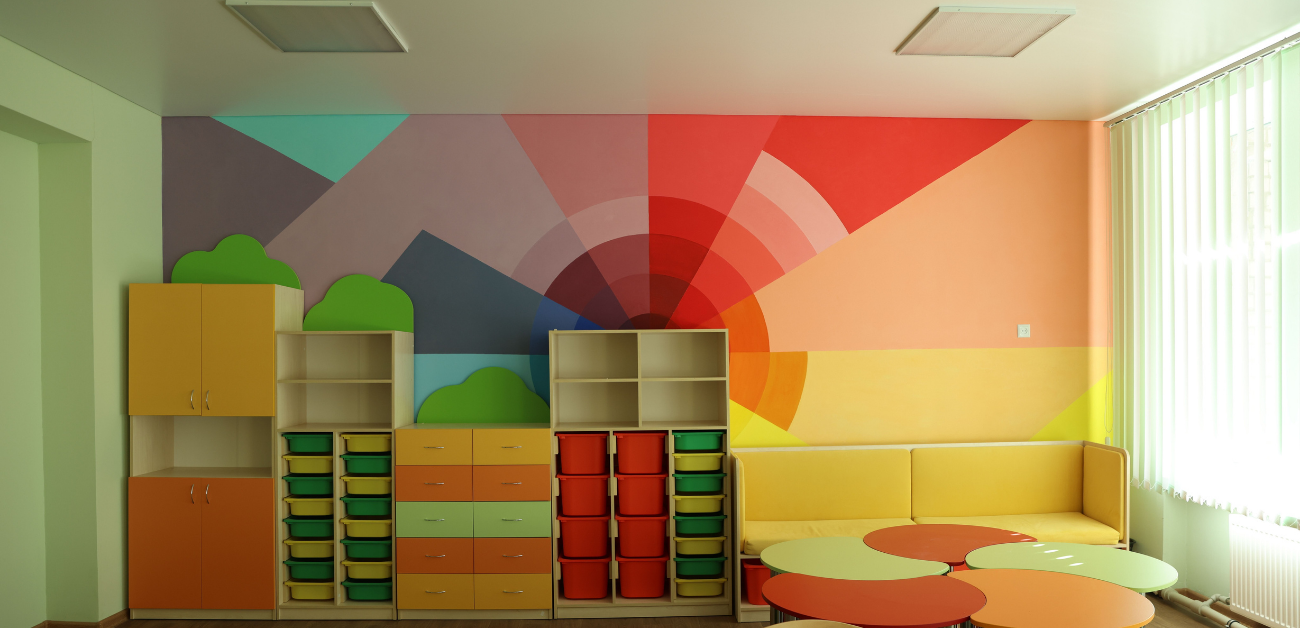
Students process far more visual information than educators often realise. Every colour, pattern, and image in a classroom competes for cognitive resources, influencing attention and mental load. When visual environments are overly busy, students must constantly filter distractions, reducing the cognitive capacity available for learning tasks. This effect is particularly pronounced during activities that require sustained focus, such as reading, problem-solving, or instruction-led discussion.
Age plays a critical role in visual sensitivity. Younger students tend to be more susceptible to distraction from high-contrast imagery and dense visual information, while older students may tolerate more complexity but still benefit from clarity and restraint. Designing walls without considering developmental differences can unintentionally undermine learning objectives.
Wall content directly affects focus and retention. Visuals that align with lesson themes or reinforce concepts can support memory and comprehension. In contrast, unrelated or overstimulating imagery can fragment attention. When used thoughtfully, digital print wall covering helps balance stimulation and focus, supporting environments where students can engage more effectively with learning material.
When Educational Design Becomes Visual Noise
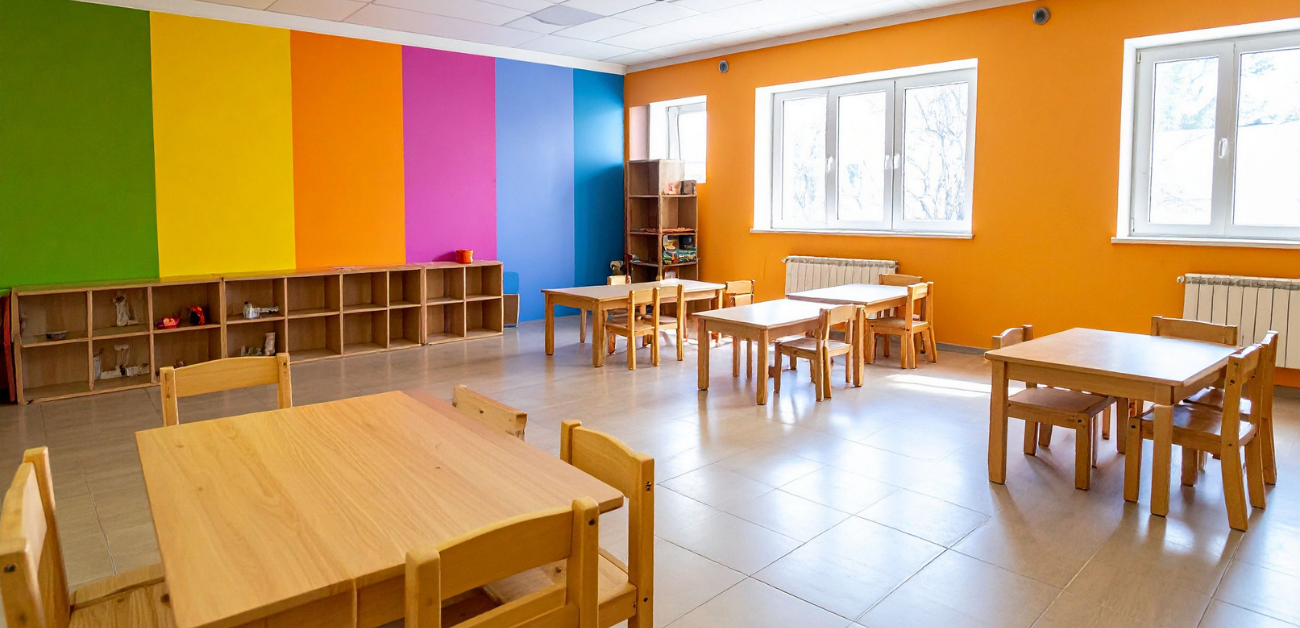
Classrooms often accumulate visual elements over time. Posters, charts, student work, and decorative graphics are added with good intentions, yet the result can be an environment that feels cluttered and overstimulating. When walls compete for attention, students are forced to filter out excess information, increasing cognitive load and reducing their ability to concentrate on instruction.
Decorative learning walls can also create unintended consequences. Visuals that are not directly connected to current lessons may distract rather than support learning. In some cases, constant exposure to dense imagery can contribute to restlessness, reduced attention spans, or visual fatigue, particularly for younger students or those with sensory sensitivities.
This is why intention matters when implementing digital print wall covering for school classrooms. Purpose-driven design focuses on clarity, relevance, and restraint. When visuals are selected to support specific educational goals rather than fill space, wall coverings become tools that enhance learning instead of sources of distraction.
Purpose-Driven Design: Teaching, Reinforcing, or Calming

Effective classroom design begins with clarity of purpose. Visual elements should serve a defined role, whether that role is to reinforce learning concepts, support emotional regulation, or create an environment conducive to focus. Educational reinforcement occurs when visuals align directly with curriculum content, helping students recall information through repeated, contextual exposure. Passive decoration, by contrast, often adds visual complexity without supporting learning outcomes.
Classroom walls also influence emotional and psychological safety. Calm, well-structured visuals can reduce anxiety, support self-regulation, and create a sense of order. This is particularly important in learning environments where students may experience stress, overstimulation, or behavioural challenges. Visual consistency and thoughtful colour choices help establish predictable and supportive spaces.
Aligning visuals with curriculum and behaviour expectations ensures coherence between environment and instruction. Digital print wall coverings work best when they are intentionally designed to support teaching goals, reinforce positive behaviours, and contribute to a balanced learning atmosphere rather than compete for attention.
Material Performance in High-Use Learning Environments
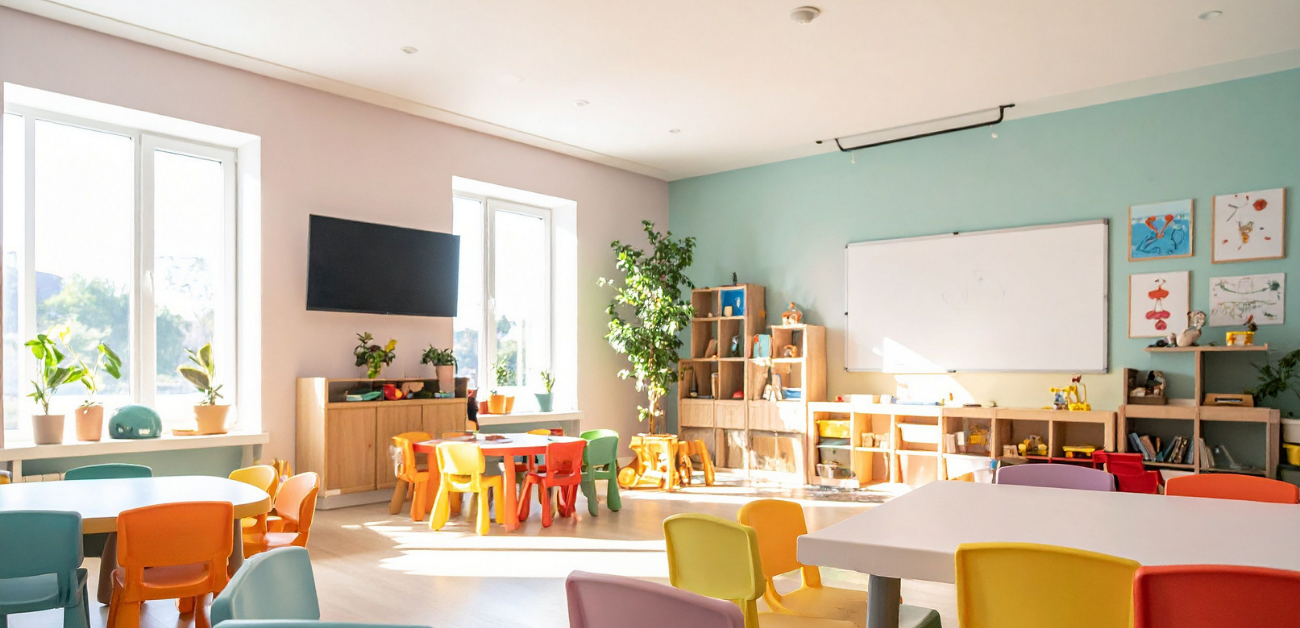
Classroom walls are subject to constant contact, from daily movement and furniture shifts to accidental scuffs, spills, and cleaning. Materials used in these spaces must withstand wear without degrading quickly or creating maintenance challenges. Durability and cleanability are essential, as surfaces must be easy to maintain while retaining visual quality over time.
Safety considerations are particularly important in environments occupied by children. wall coverings should be manufactured with materials that minimise harmful emissions and avoid sharp edges or loose components. Resistance to tearing and peeling also reduces the risk of damage that could pose safety concerns or require frequent repairs.
Performance expectations for digital print wall covering for school classrooms extend beyond appearance. Materials must balance visual clarity with resilience, maintaining colour integrity and surface stability despite repeated cleaning. When performance is prioritised alongside design, wall coverings support both the practical demands of schools and the long-term usability of learning spaces.
Longevity, Change, and Relevance in Educational Spaces
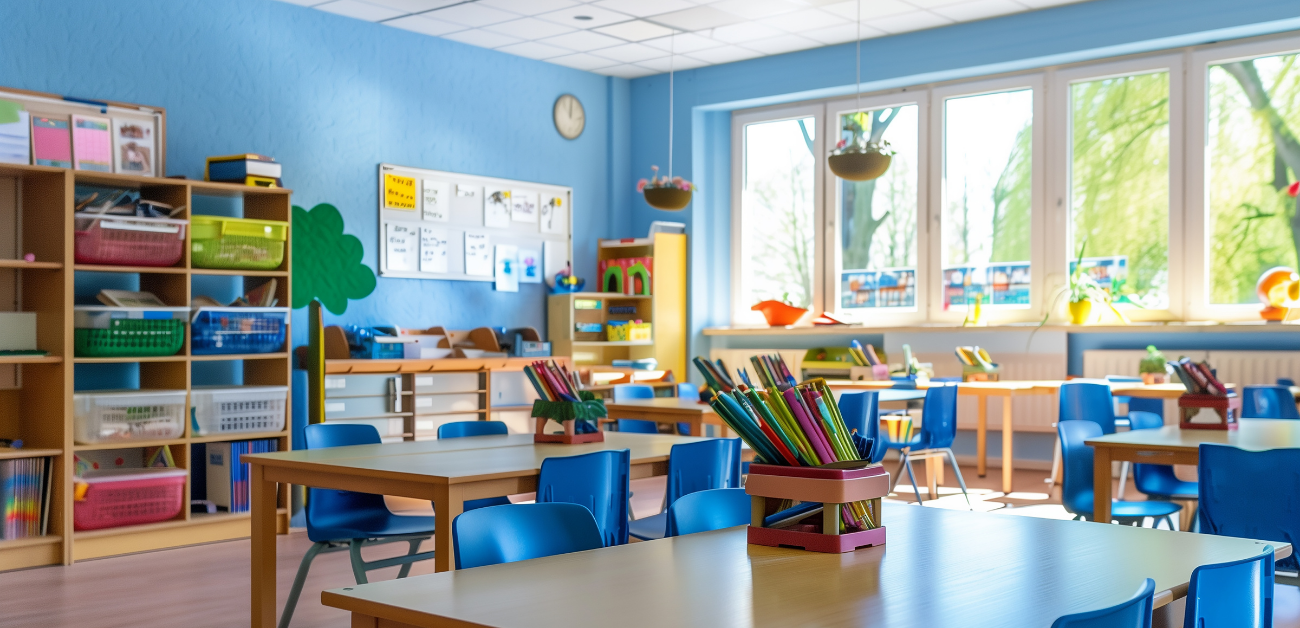
Educational environments are dynamic, with curricula, teaching methods, and learning priorities evolving over time. Wall visuals that are tightly tied to specific content can quickly become outdated, reducing their relevance and effectiveness. Ageing visuals may also lose clarity or appeal, subtly undermining the learning environment if not refreshed thoughtfully.
Designing for adaptability helps address this challenge. Flexible visual concepts, modular layouts, or themes that support broad learning objectives can extend the useful life of wall coverings. This approach allows classrooms to remain relevant without requiring frequent replacement or extensive updates.
Avoiding rapid obsolescence is essential for both educational value and resource efficiency. Digital print wall covering for school classrooms are most effective when they are planned with longevity in mind, balancing specificity with adaptability. Thoughtful design ensures that classroom walls continue to support learning even as educational needs evolve.
Ethical Responsibility in Designing for Children

Design decisions in educational environments carry ethical weight because they directly affect children’s development, well-being, and ability to learn. Unlike adults, students have limited control over their surroundings and spend extended periods in the same classroom. This places a responsibility on educators, designers, and decision-makers to create environments that support focus, safety, and emotional stability.
Visual overstimulation, inappropriate imagery, or poorly considered content can negatively influence behaviour and concentration. These effects may be subtle, but over time, they can shape how students engage with learning. Ethical design requires sensitivity to developmental stages, inclusivity, and diverse learning needs.
Using digital print wall covering for school classrooms responsibly reflects a commitment to child-centered design. When wall coverings are selected with care, intent, and restraint, they contribute positively to learning environments, reinforcing the idea that classrooms should protect and nurture students as much as they educate them.
Conclusion: Classroom Walls as Silent Educators

Classroom walls play a continuous and influential role in shaping the learning experience. They frame attention, support emotional regulation, and reinforce educational intent in ways that are often overlooked. When designed thoughtfully, walls become silent educators that work alongside teachers and curriculum.
The effectiveness of wall coverings depends on purpose, material performance, and long-term relevance. Visual clarity, durability, and ethical consideration must align to support both learning outcomes and daily classroom use. These factors elevate wall design from decoration to educational infrastructure.
Within this framework, Goodrich Global approaches educational interiors with an emphasis on performance-driven materials and responsible design. Its work with digital print wall covering for school classrooms reflects an understanding that learning environments demand both visual intelligence and long-term care.