Interior Design
Biophilic Design in Singapore: Bringing Nature Indoors | Goodrich
Biophilic design in Singapore has moved from niche concept to mainstream practice, driven by a growing awareness that our built environments profoundly affect wellbeing. The principle is simple: humans have an innate connection to nature, and interiors that incorporate natural elements — materials, light, patterns, and greenery — create spaces where people feel calmer, more focused, and more comfortable.
In a city-state where dense urban living is the norm, biophilic design offers a practical framework for reintroducing nature into homes and workplaces that may have limited outdoor access.
What is Biophilic Design?
Coined by biologist Edward O. Wilson in 1984, biophilia describes the human tendency to seek connections with nature. Biophilic design translates this concept into architectural and interior design practice through three broad strategies.
Direct Nature
Incorporating actual natural elements into a space: living plants, water features, natural light, and ventilation. In Singapore homes, this might mean a vertical garden on a balcony wall, indoor planter boxes along a window ledge, or maximising natural light through sheer curtains rather than opaque blinds.
Indirect Nature
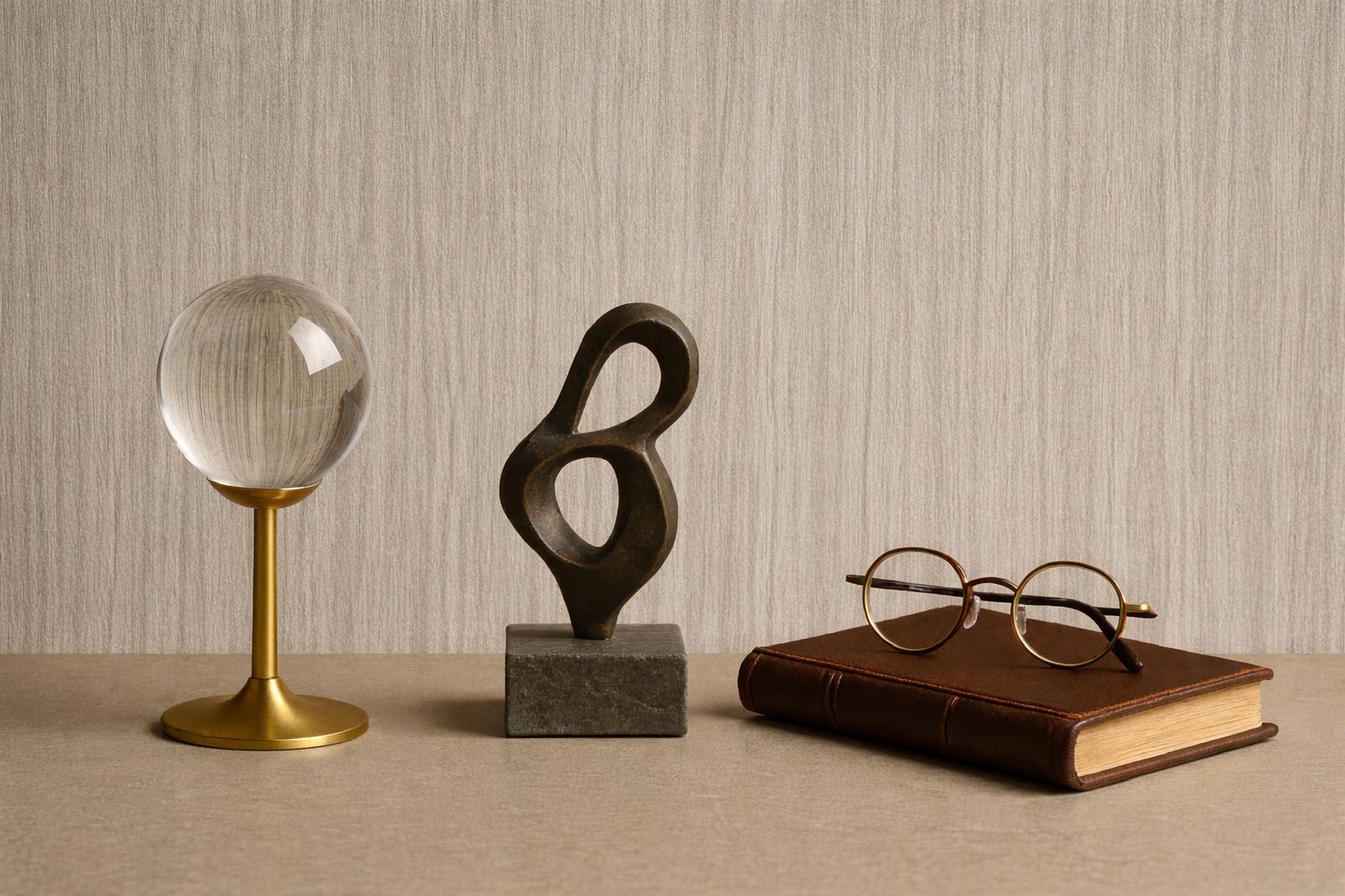
Using materials and representations that evoke nature without being living elements: timber-look flooring, stone-effect wallcoverings, botanical print fabrics, organic colour palettes, and natural fibre textiles. This is where interior furnishing choices play a central role.
Spatial Conditions
Creating spatial qualities found in natural environments: prospect (open views), refuge (enclosed, sheltered nooks), mystery (partially obscured views that invite exploration), and varied lighting conditions that mimic the outdoors. These are primarily architectural decisions but can be influenced by furniture placement, curtain design, and spatial zoning.
Natural Materials for Biophilic Interiors
Material selection is the most accessible entry point for biophilic design in Singapore homes. The right surfaces can transform a concrete apartment into a space that feels grounded in nature.
Flooring
Timber-look flooring is the cornerstone of biophilic interiors. Luxury vinyl tile with realistic wood grain, knot detail, and colour variation brings the warmth and organic quality of natural timber without the moisture sensitivity that makes solid wood challenging in Singapore’s climate. Lighter tones — blonde oak, birch, maple — create an airy, forest-floor quality, while darker options like walnut and teak evoke a more enclosed, woodland atmosphere.
For a bolder biophilic statement, stone-look flooring in sandstone or slate finishes connects the interior to geological elements. These work particularly well in entrance foyers and bathrooms where an earthy, grounding quality is desirable. View Goodrich Global’s luxury vinyl flooring for wood and stone finishes suited to biophilic schemes.
Walls
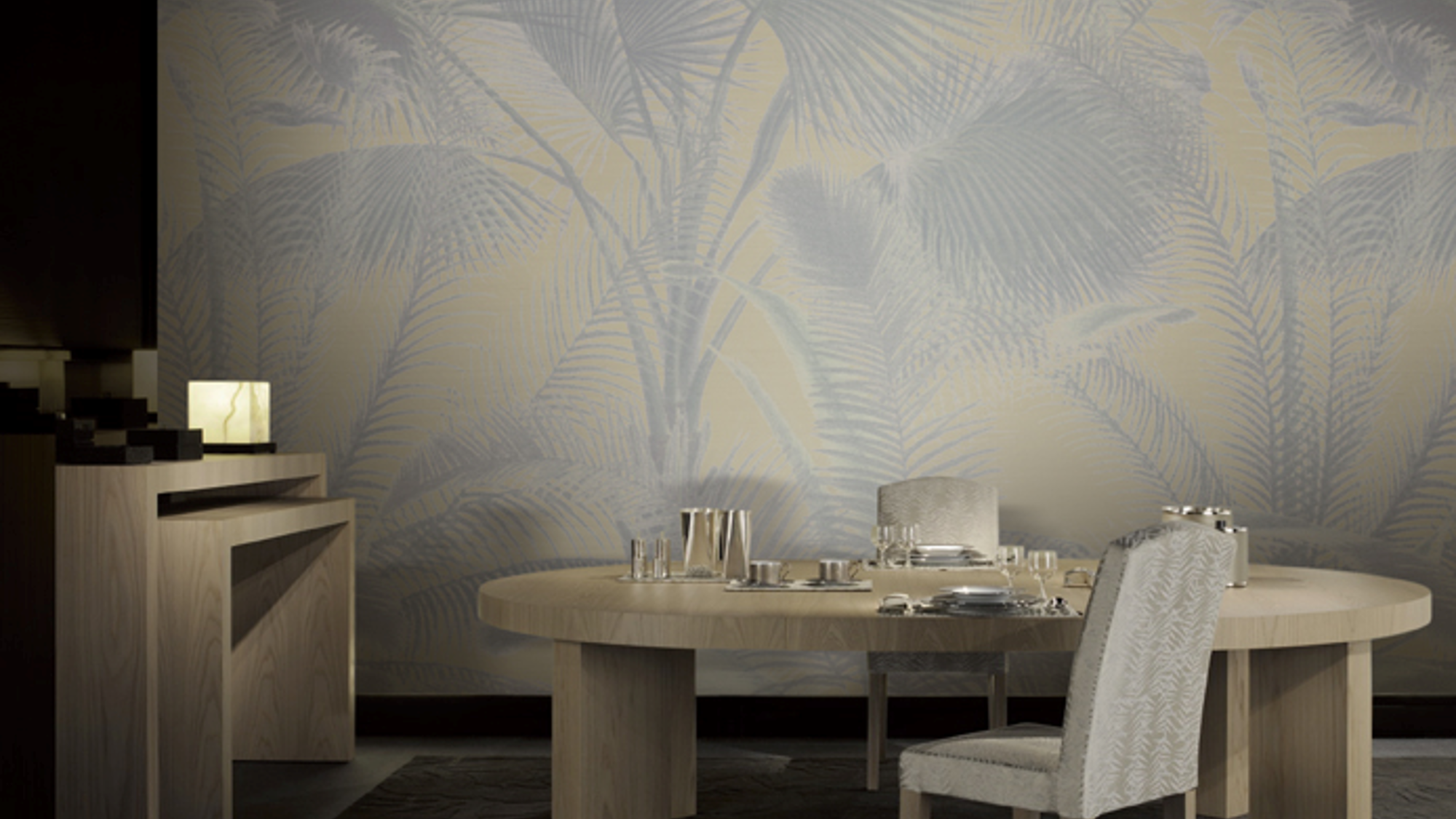
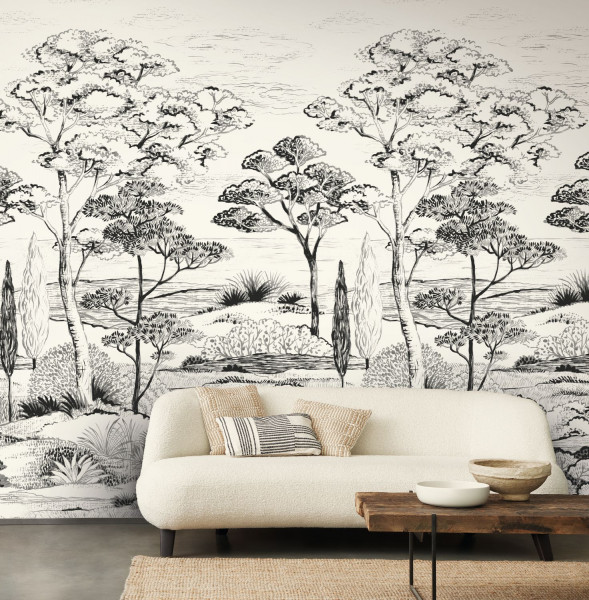
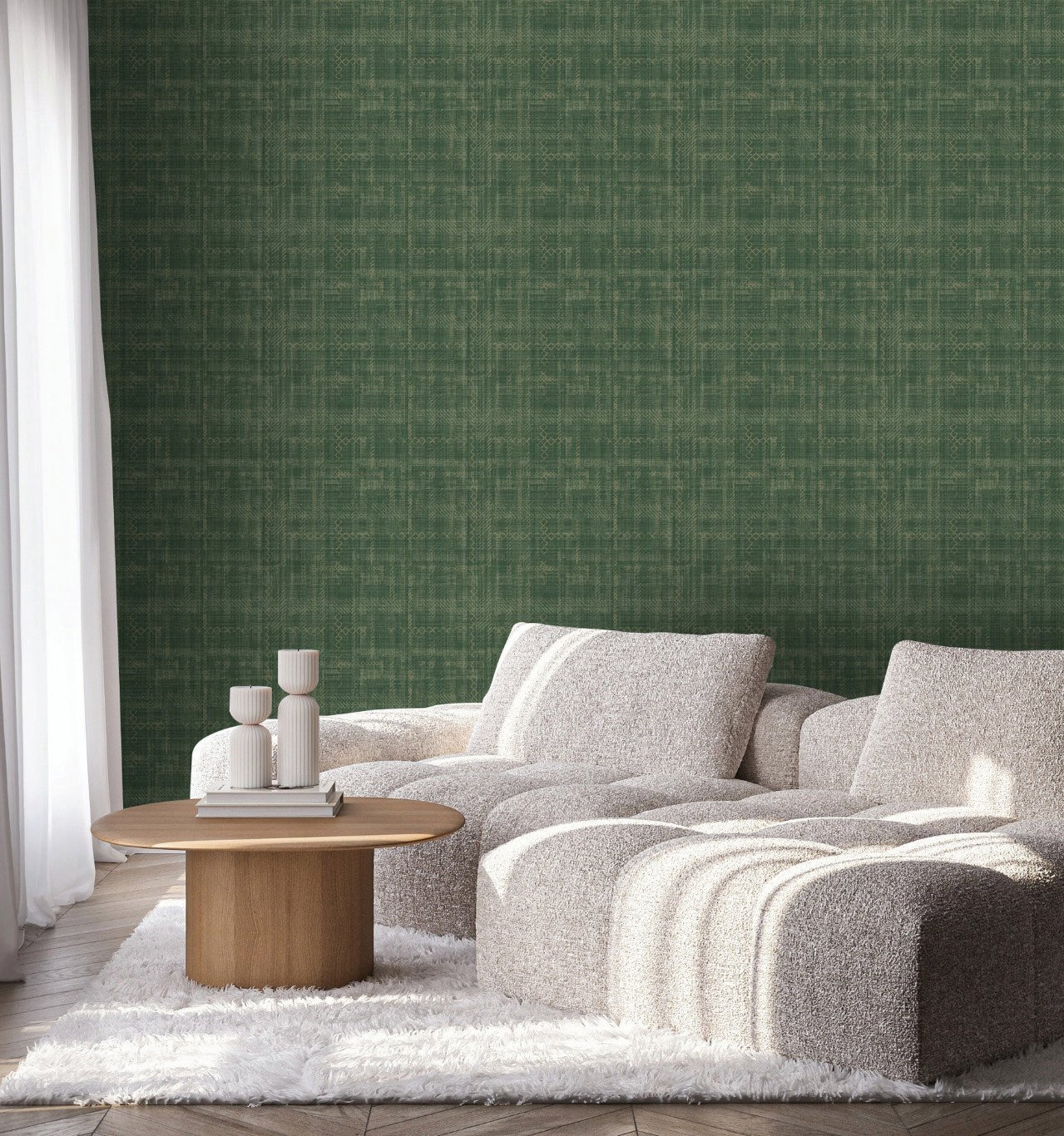
Wallcoverings offer perhaps the widest range of biophilic expression. Grasscloth wallpapers — made from actual woven natural fibres — bring genuine organic texture to walls. Cork wallcoverings provide similar warmth with the added benefit of sound absorption. For those who prefer printed designs, botanical wallpapers featuring ferns, palms, or abstract leaf patterns introduce nature through imagery.
Timber-slat wall panels and vertical garden frames create three-dimensional biophilic surfaces that add depth and shadow to flat walls. In living rooms and bedrooms, these treatments establish a connection to nature that feels tangible rather than decorative.
Fabrics
Natural-fibre fabrics and natural-look blends reinforce biophilic themes through touch. Linen, cotton, jute, and wool textures feel inherently connected to the natural world. For curtains, a linen-blend sheer in an undyed or earthy tone filters light beautifully while adding organic softness. Upholstery in nubby, textured weaves — bouclé, herringbone, slub cotton — provides the tactile variation that biophilic design values.
Colour Palettes Inspired by Nature
Biophilic colour palettes draw directly from natural environments. The most effective approach is to choose a specific landscape as your reference point and extract its colour relationships.
Forest Palette
Deep greens, moss tones, warm browns, and dappled cream. This palette creates a sense of enclosure and tranquillity. It suits bedrooms and reading nooks where a cocooning, restful atmosphere is desirable.
Coastal Palette
Sandy neutrals, soft blues, weathered grey, and white. Light and open, this palette maximises the sense of space in compact apartments. It works well in living rooms and bathrooms.
Earthy Palette
Terracotta, clay, warm beige, olive green, and charcoal. Grounding and warm, this palette suits homes that want a biophilic feel without being overtly green. It pairs beautifully with concrete-effect surfaces and raw timber furniture.
Biophilic Design for Singapore Homes
Singapore’s tropical climate and compact living spaces present both opportunities and constraints for biophilic design.
HDB Flats
Balconies and service yards offer the most accessible spaces for direct biophilic elements — container gardens, herb planters, and trailing vines that can be viewed from living areas. Inside, focus on indirect biophilic strategies: timber-look flooring throughout, a botanical or grasscloth wallpaper feature wall, and natural-fibre curtains. These create a nature-connected atmosphere without consuming precious floor space with large planters.
Condominiums
Many newer condominiums feature floor-to-ceiling windows with views of greenery. Biophilic interior design should amplify these connections: position seating to face the greenest view, use sheer curtains that frame rather than block the outlook, and choose interior materials that echo the external landscape. A condo overlooking a tree canopy might use green-toned wallcoverings and leaf-pattern cushions to blur the boundary between inside and outside.
Landed Properties
With direct garden access, landed homes can integrate indoor and outdoor biophilic elements seamlessly. Composite wood decking extends interior timber tones into the garden. Indoor-outdoor living areas with folding doors dissolve the wall between built and natural environments. Internal courtyards — a feature of many terrace houses — can be planted and lit to create living focal points visible from multiple rooms.
Biophilic Design in Workspaces
The benefits of biophilic design extend beyond residential applications. Singapore offices, co-working spaces, and commercial interiors increasingly adopt biophilic principles to improve employee wellbeing and productivity.
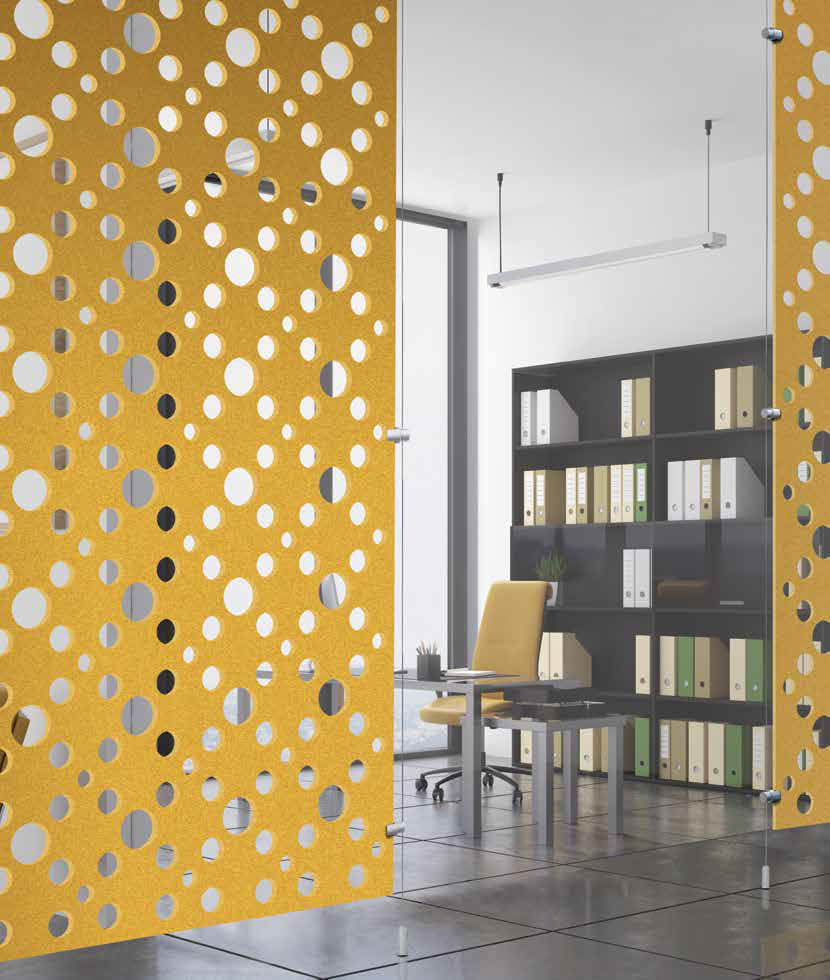
Carpet tiles in organic patterns and green-toned colourways soften office floors while evoking natural landscapes. Acoustic wallcoverings in wood and stone textures reduce noise levels while introducing natural visual elements. Living walls in reception areas and breakout zones provide direct nature contact that research consistently links to reduced stress and improved cognitive function.
For commercial projects, Goodrich Global offers carpet tile solutions and wallcovering options that support biophilic office design at scale.
Final Thoughts
Biophilic design in Singapore is not about turning homes into greenhouses. It is about making thoughtful material choices — flooring that recalls forest floors, wallcoverings with organic textures, fabrics that feel natural to the touch — that reconnect daily living with the natural world.
In a city where green space is carefully managed and vertical living is standard, these material decisions take on added importance. They are the most practical and enduring way to bring nature into the spaces where we spend most of our time.
Book an appointment with our design consultants to explore natural materials for your biophilic interior project.