Wallpaper & Wallcovering
3D Wallpaper Ideas for Stunning Feature Walls
A 3D wallpaper feature wall introduces visual depth, texture, and architectural interest to any room without the cost or complexity of structural alterations. Whether through embossed patterns that cast subtle shadows, geometric reliefs that create optical illusions, or photographic murals that simulate receding landscapes, 3D wallcoverings transform flat walls into dynamic focal points.
In Singapore, where compact living spaces benefit enormously from visual tricks that suggest greater volume, 3D wallpaper feature walls have become a popular choice for homeowners, interior designers, and commercial specifiers alike.
Types of 3D Wallpaper Effects
The term “3D wallpaper” encompasses several distinct product categories, each achieving its dimensional effect through different means.
Embossed and Textured Wallpaper
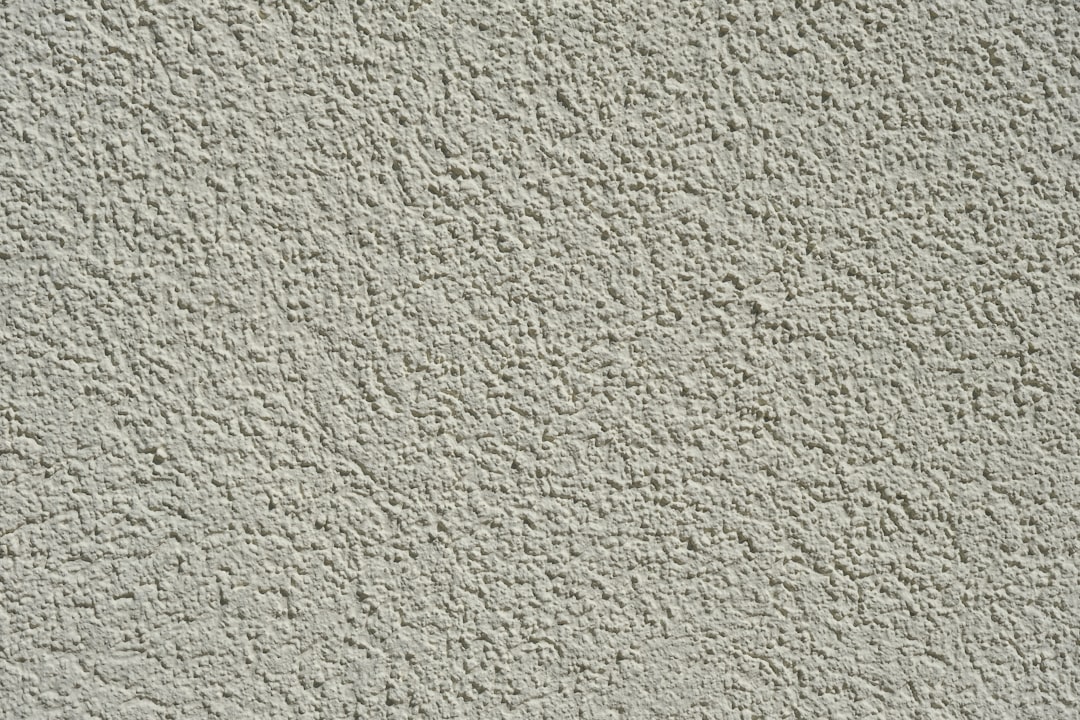
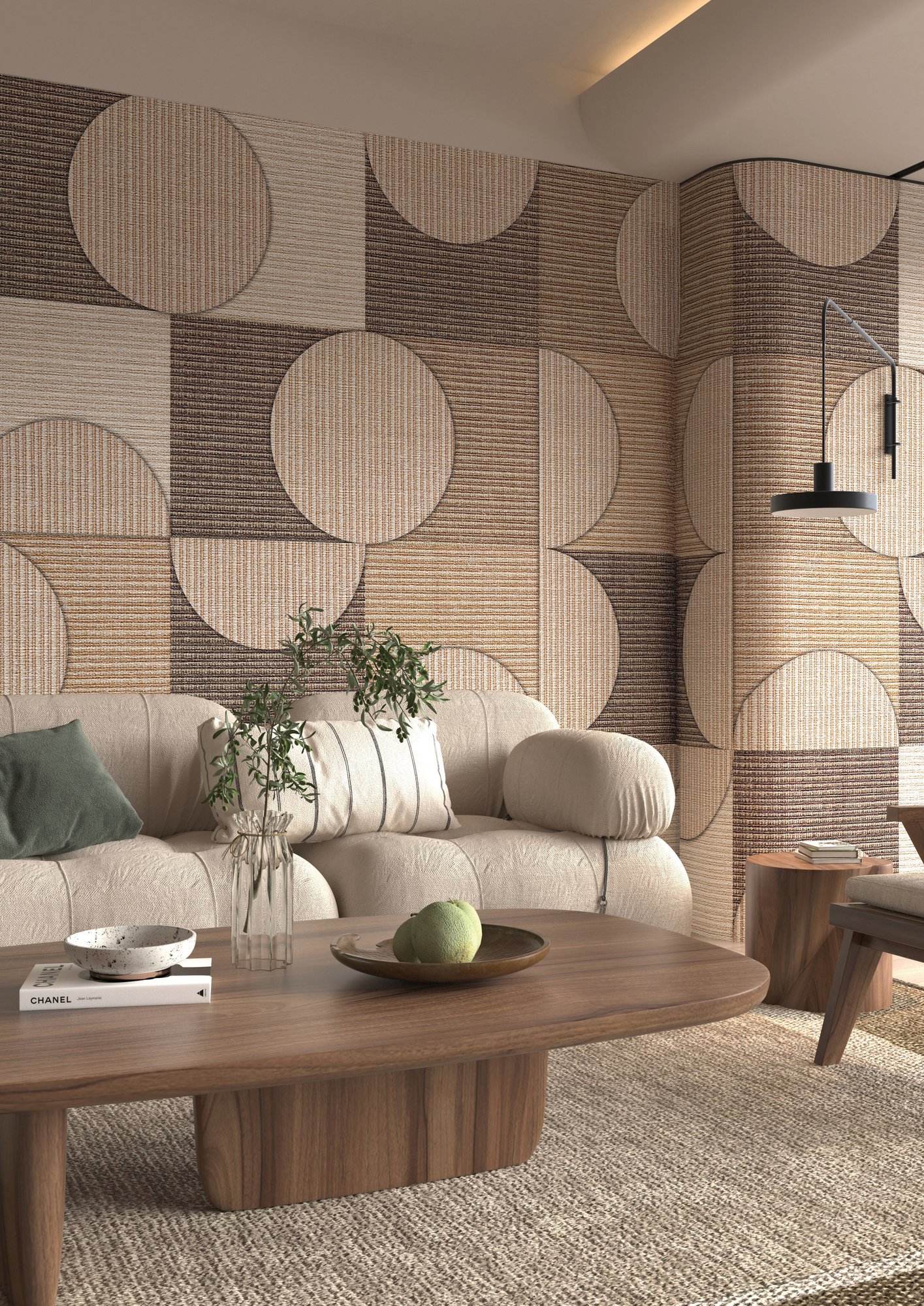
These wallcoverings have physically raised patterns moulded into the surface during manufacturing. The texture is real and tactile, casting natural shadows that change with the lighting conditions throughout the day. Popular motifs include brick, stone, concrete, wave patterns, and geometric facets. The depth of embossing ranges from subtle linen-like textures to bold relief patterns several millimetres deep.
Trompe L’Oeil and Photographic Murals
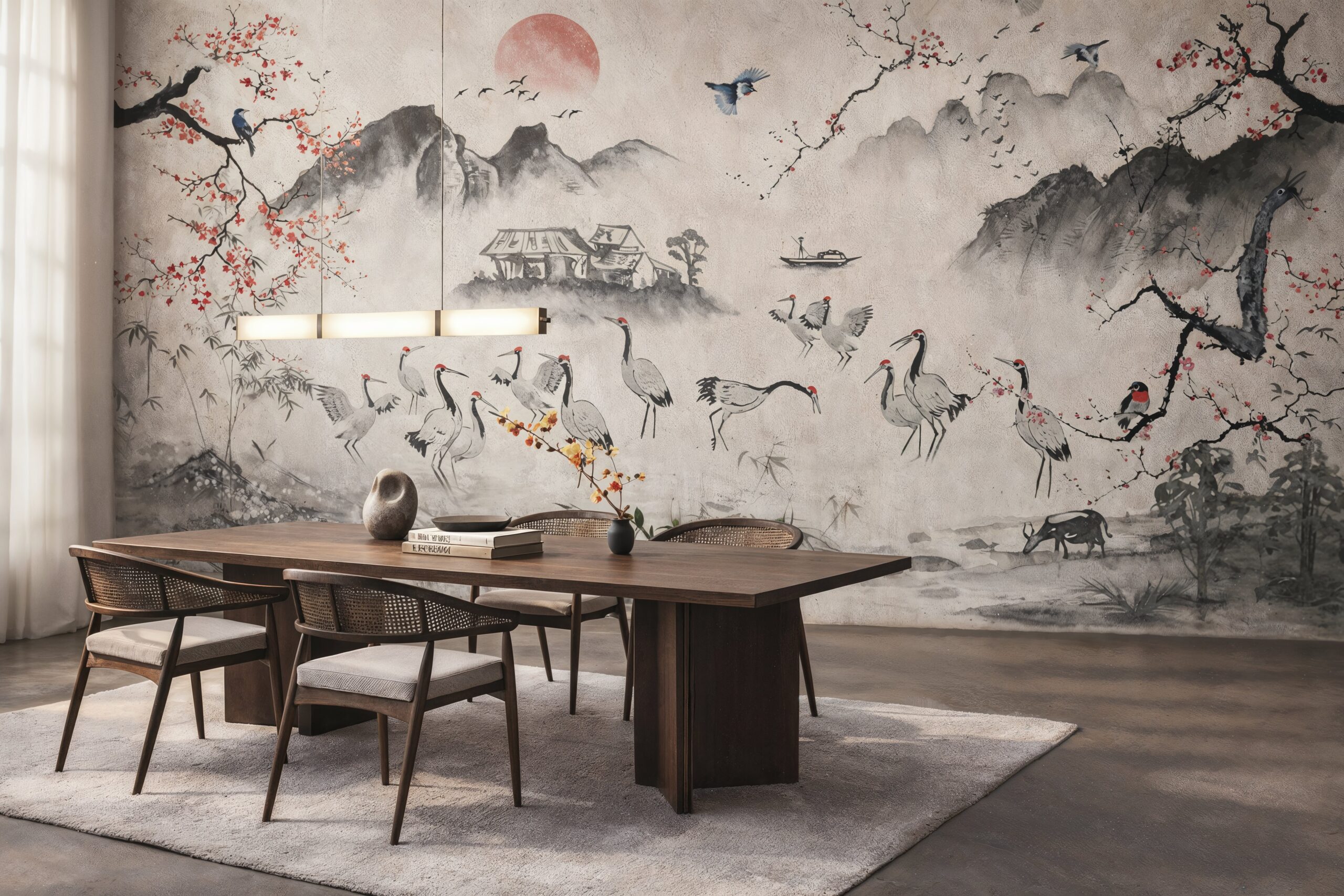
These wallcoverings use high-resolution imagery to create the illusion of three-dimensional depth on a flat surface. A convincing trompe l’oeil mural can make a wall appear to open onto a forest path, an urban streetscape, or an architectural colonnade. The effect relies entirely on the printed image rather than physical texture.
Geometric and Optical Illusion Patterns
Repeating geometric patterns designed with precise shading and perspective lines create the visual impression of three-dimensional forms. Hexagonal patterns that appear to project or recede, interlocking cubes, and folded-paper effects are all achieved through clever graphic design rather than physical relief.
Flocked and Layered Wallpapers
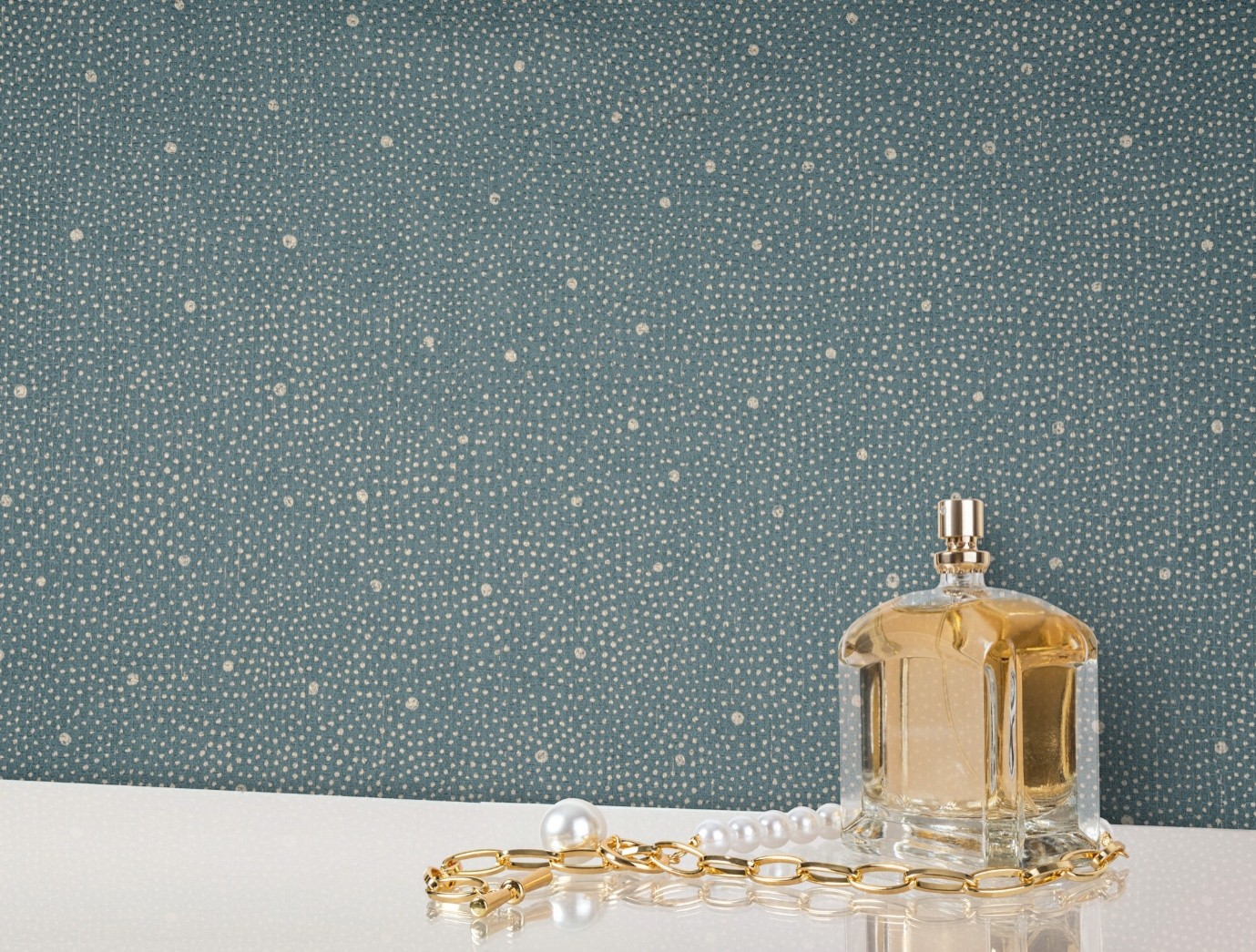
Flocked wallpapers apply a raised velvet-like fibre layer over a smooth substrate, creating a subtle 3D effect through material contrast. More elaborate products layer multiple materials, combining foil, texture, and print to produce complex surfaces with genuine visual depth.
Design Ideas for Residential Spaces
3D wallpaper feature walls work best when applied strategically to a single wall, allowing the effect to command attention without overwhelming the room.
In HDB living rooms, a 3D geometric wallpaper on the wall behind the television or sofa creates a contemporary focal point. Light-coloured geometric patterns with subtle shadow effects add visual interest while maintaining a sense of spaciousness in standard four-room and five-room flats.
Bedrooms benefit from textured wallcoverings applied to the headboard wall. An embossed pattern in a muted tone adds warmth and tactile quality that complements soft furnishings. The effect is sophisticated without being visually stimulating enough to interfere with sleep.
Dining areas in open-plan HDB and condo layouts can use a 3D feature wall to define the zone visually. A trompe l’oeil mural depicting an outdoor garden scene or a textured stone-effect wallpaper creates a distinctive backdrop for the dining table, separating it from the adjacent living area without physical partitions.
Corridors and entryways in landed properties offer an often-overlooked opportunity. A 3D wallpaper that simulates architectural panelling or stone cladding adds gravitas to these transitional spaces, creating a sense of arrival the moment guests step inside.
Commercial and Hospitality Applications
Commercial interiors use 3D wallcoverings to create memorable spaces that photograph well and reinforce brand identity.
Retail stores use 3D feature walls as backdrops for product displays, adding visual depth that draws the eye and creates a premium setting. The texture catches directional lighting in ways that flat walls cannot, creating dynamic shadow patterns that change throughout the day.
Hotel lobbies and reception areas use large-scale 3D wallcoverings to establish a sense of grandeur. Embossed patterns that simulate carved stone, folded metal, or woven textiles create surfaces with visual weight and material richness that complement luxury furnishing schemes.
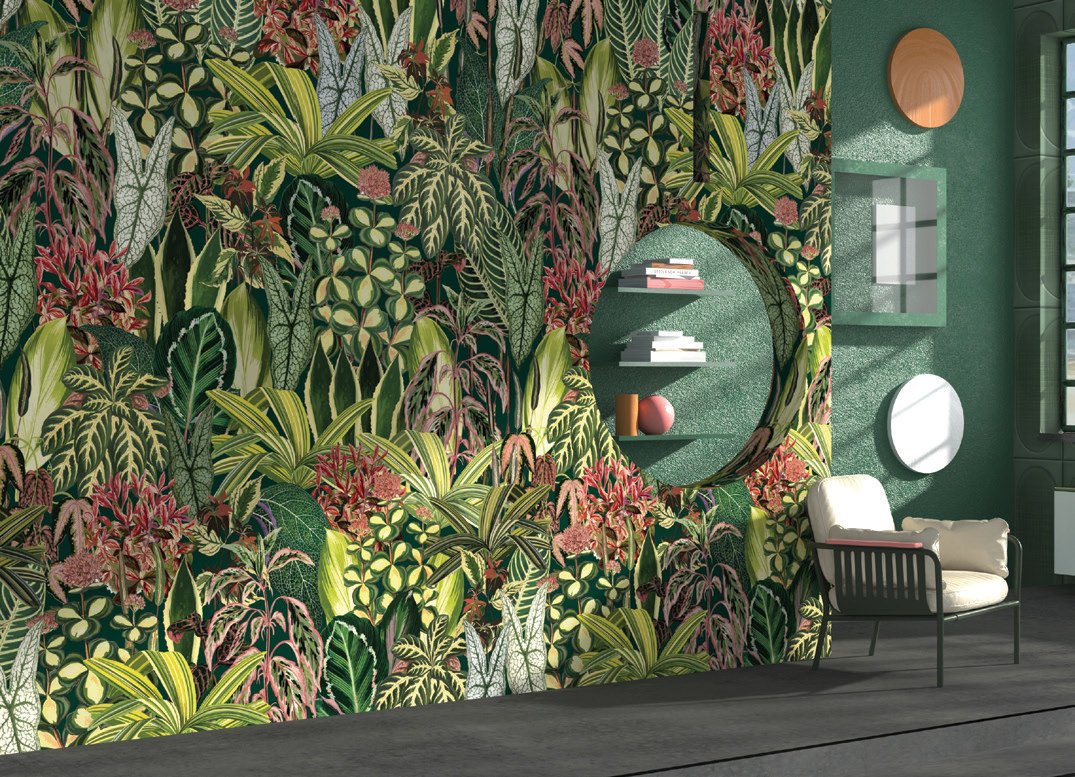
Restaurants and bars use 3D wallpapers to build immersive themed environments. A brick-effect embossed wallpaper creates an industrial loft atmosphere at a fraction of the cost of real exposed brick. A tropical leaf pattern with dimensional printing establishes a botanical theme without living plant maintenance.
Explore the available wallpaper and wallcovering options from Goodrich Global, including textured and embossed products suitable for feature wall applications in both residential and commercial projects.
Practical Considerations for 3D Wallpaper
Achieving a successful 3D wallpaper installation requires attention to several practical factors that go beyond standard wallpaper application.
Lighting is critical. The dimensional effect of embossed and textured wallpapers depends on how light falls across the surface. Directional lighting from wall-mounted fixtures, track lights, or recessed downlights positioned to graze the wall surface at an angle dramatically enhances the 3D effect. Flat, even overhead lighting minimises shadow and reduces the visual impact.
Wall preparation matters more. Any imperfections in the wall surface beneath a 3D wallpaper are amplified rather than concealed. Bumps, dents, and uneven plaster show through embossed products. Ensure walls are properly skimmed, sanded, and primed before installation.
Scale the pattern to the room. Large-scale 3D patterns need adequate wall area to read properly. In compact HDB rooms, oversized geometric patterns can feel oppressive. Conversely, very small-scale textures lose their dimensional impact on large commercial walls. Match the pattern scale to the wall dimensions and typical viewing distance.
Limit the feature wall. Applying 3D wallpaper to all four walls of a room almost always creates visual chaos. The power of a feature wall lies in contrast: one dramatic surface against three quieter ones. Choose the wall that naturally draws the eye upon entering the room.
Pairing 3D Wallpaper with Other Finishes
A 3D feature wall achieves its greatest impact when the surrounding finishes are chosen to complement rather than compete.
Keep adjacent walls in a flat, matte paint finish that recedes visually. This contrast makes the textured wall advance and creates the layered depth effect that defines a successful feature wall. Choose a paint colour that picks up one of the tones in the wallpaper for cohesion.
Flooring plays a supporting role. Smooth, clean-lined flooring such as luxury vinyl tile or polished surfaces allows the feature wall to command attention. Heavily patterned flooring and heavily textured wallpaper compete for the eye and create visual fatigue.
Furniture placed against a 3D wallpaper feature wall should be simple in profile. A clean-lined sofa or minimal console table lets the wall texture take centre stage, while ornate furniture creates a cluttered composition.
Final Thoughts
A 3D wallpaper feature wall is one of the most effective ways to add visual drama, depth, and character to Singapore interiors. Whether through genuine embossed texture, photographic trompe l’oeil, or cleverly shaded geometric patterns, these wallcoverings turn ordinary walls into conversation starters. Strategic placement, appropriate lighting, and restrained surrounding finishes are the keys to a striking result.
Request free samples from our Singapore showroom to see and feel 3D wallcovering textures before making your selection.