Interior Design
Art Deco Interior Design: Glamour and Geometry
Art deco interior design remains one of the most visually striking and enduringly popular styles in the design world. Originating in the 1920s and 1930s, the movement celebrated geometric precision, luxurious materials, bold symmetry, and a sense of glamour that rejected the austerity of earlier design movements. Nearly a century later, art deco’s graphic boldness and material richness continue to resonate in contemporary Singapore interiors, from Tiong Bahru apartments that echo the neighbourhood’s original Art Deco architecture to luxury condos and boutique hotels seeking theatrical sophistication.
This guide breaks down the core elements of art deco style and shows how to incorporate them into Singapore living spaces with authenticity and restraint.
Defining Characteristics of Art Deco Style
Art deco is immediately recognisable yet often misunderstood. Understanding its core principles prevents the style from tipping into costume or pastiche.
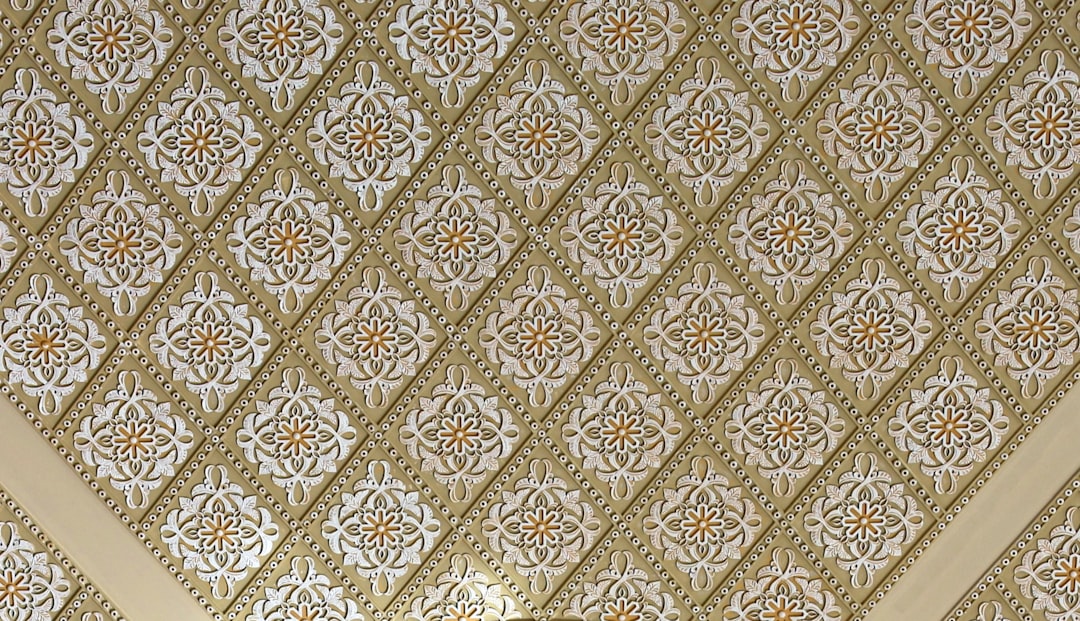
Geometric patterns: Chevrons, zigzags, sunburst motifs, stepped forms, and repeating angular patterns are the visual vocabulary of art deco. These patterns appear on everything from wallpaper and flooring to furniture frames and decorative metalwork. The geometry is deliberate and symmetrical, conveying precision and order.
Luxurious materials: Art deco embraced material opulence. Marble, lacquer, polished brass, chrome, exotic woods, mirrored surfaces, and rich textiles like velvet and silk defined the style’s interiors. The emphasis was on surfaces that catch and reflect light, creating interiors that shimmer and glow.
Bold colour contrasts: Black and gold is the most iconic art deco palette, but the style also embraced deep jewel tones: emerald green, sapphire blue, ruby red, and amethyst purple, often set against cream, ivory, or charcoal backgrounds. The contrast between dark and light, matte and glossy, creates the dramatic tension that defines art deco spaces.
Symmetry and proportion: Art deco interiors are meticulously balanced. Furniture arrangements, decorative elements, and architectural details are composed with bilateral symmetry. This creates a sense of formality and visual order that distinguishes art deco from more relaxed design approaches.
Streamlined forms: Unlike the ornate curves of Art Nouveau, art deco favours clean, streamlined shapes. Furniture profiles are sleek, with curved edges and tapered legs. Decorative details are graphic and precise rather than organic and flowing.
Art Deco Walls and Surfaces
Wall treatments set the foundation for an art deco interior. The walls establish the colour palette, introduce geometric pattern, and create the reflective surfaces that define the style.
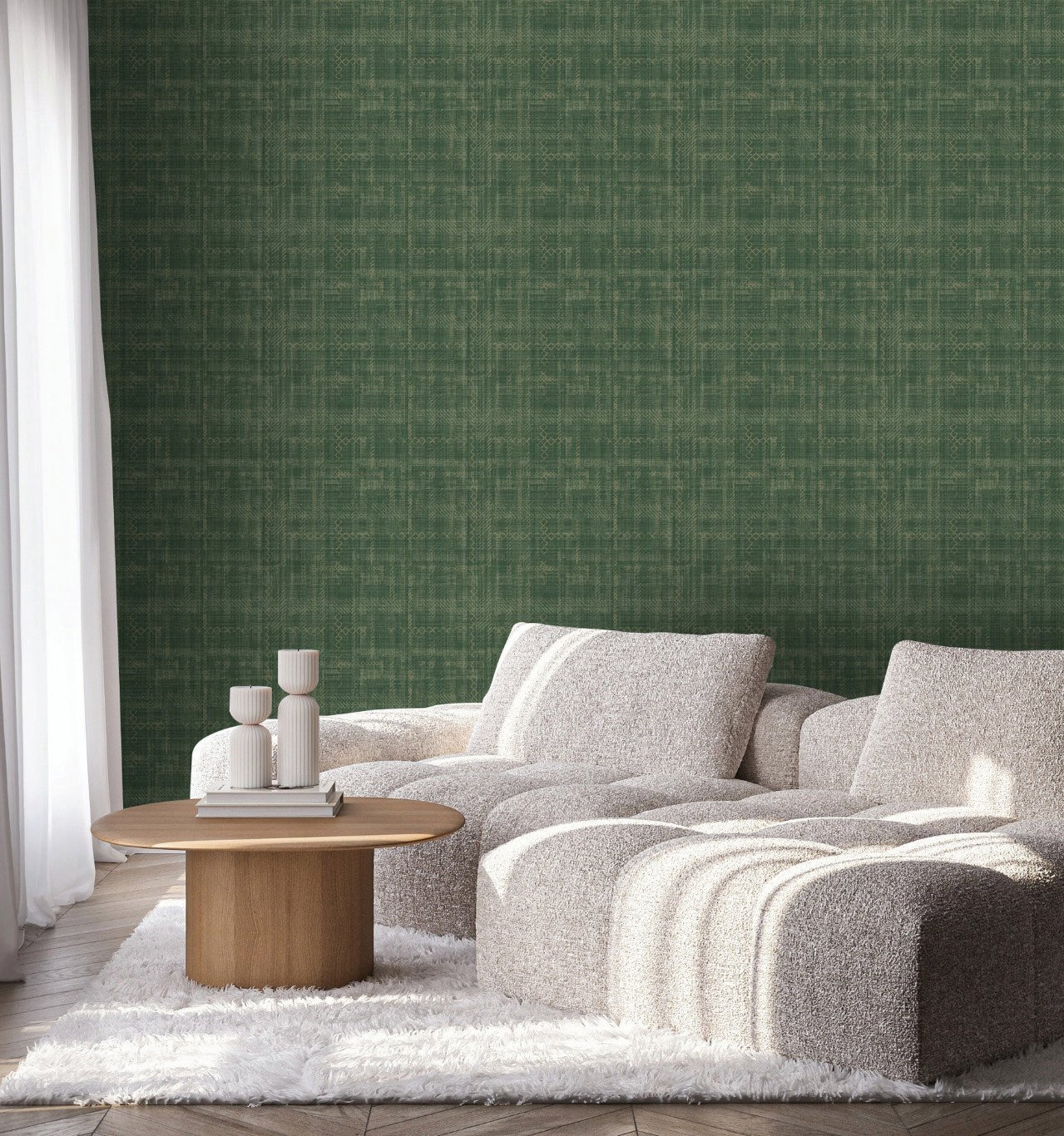
Wallpaper is one of the most effective tools for introducing art deco character. Geometric patterns in metallic gold on deep backgrounds, fan-shaped motifs, or symmetrical damask designs instantly establish the style. Modern wallcoverings offer art deco patterns in contemporary colourways that reference the period without reproducing it literally.
Panelled walls with applied mouldings create the architectural framework typical of art deco interiors. Simple rectangular panels arranged symmetrically on walls add depth and structure. In HDB flats, lightweight MDF mouldings applied over existing walls achieve this effect without significant structural work.
Mirrored surfaces are quintessentially art deco. A large mirror with a geometric frame, mirrored panels flanking a fireplace or console, or antiqued mirror glass applied to a feature wall introduce the reflective quality that makes art deco interiors feel luminous and expansive.
Paint in deep, saturated tones provides the backdrop for lighter decorative elements. A living room in deep teal or charcoal, accented with gold accessories and light-coloured upholstery, creates the characteristic art deco contrast between dark architecture and luminous furnishing.
Furniture and Upholstery in Art Deco Style
Art deco furniture combines clean geometric forms with rich materials and luxurious upholstery.
Sofas and armchairs in the art deco style feature curved arms, channel-tufted backs, and tapered legs, often in brass or dark wood. Velvet upholstery in jewel tones is the classic choice, delivering the tactile luxury and light-catching depth that art deco demands. Performance velvets in emerald, navy, or dusty rose bring art deco glamour to practical, everyday furniture.
Dining chairs with curved backs, fluted details, and brass leg caps reference the period’s attention to decorative metalwork. Upholstered dining chairs in quality upholstery fabric add comfort and colour to the dining area.
Coffee tables and side tables in art deco interiors feature geometric shapes: circles, ovals, and hexagons are common. Materials combine contrasting finishes: a marble top on a brass base, a lacquered wood surface on chrome legs, or a mirrored top on a geometric metal frame.
Storage furniture, including sideboards, bar cabinets, and dressing tables, is where art deco craftsmanship shines. Lacquered finishes, inlaid geometric patterns, fluted door panels, and brass hardware create functional pieces that double as decorative statements.
Applying Art Deco in Singapore Homes
Translating art deco into a Singapore residential context requires sensitivity to scale, climate, and contemporary living patterns.
HDB Flats
The compact dimensions of HDB living rooms and bedrooms demand a restrained approach to art deco. A single geometric wallpaper feature wall, a velvet sofa in a jewel tone, brass-finished light fixtures, and one or two mirrored decorative pieces establish the style without overwhelming the space. Keep the colour palette to three key tones: one dark, one light, and one metallic accent.
Condominiums
Condos with higher ceilings and more generous proportions accommodate bolder art deco expression. Full wall panelling, larger-scale geometric wallpapers, and symmetrical furniture arrangements work well. The typically neutral condo colour palette provides an excellent canvas for art deco’s dramatic colour contrasts.
Landed Properties
Landed homes, particularly those in the Tiong Bahru, Katong, or Bukit Timah areas where period architecture exists, are natural settings for art deco interiors. Generous ceiling heights, wider rooms, and separate entertaining areas allow for the full expression of art deco symmetry, material richness, and spatial drama.
Common Mistakes to Avoid
Art deco’s visual boldness makes it easy to overdo. These are the most common pitfalls.
Using too many patterns simultaneously creates visual chaos rather than the composed elegance that defines art deco. Limit bold geometric patterns to one or two surfaces per room and let solid colours, textures, and materials carry the balance.
Choosing gold-coloured finishes indiscriminately results in interiors that look garish rather than glamorous. Use brass and gold accents strategically: light fixtures, hardware, picture frames, and small accessories. The rest of the metallic presence should come from subtle reflective surfaces like mirrors and lacquer.
Ignoring comfort in pursuit of style produces rooms that photograph well but feel unwelcoming. Art deco was always about luxury, which includes physical comfort. Ensure seating is generously cushioned, lighting is adjustable for mood, and the room feels as good to inhabit as it looks.
Reproducing period interiors literally creates a museum rather than a home. The most successful art deco interiors today reference the style’s principles, geometry, symmetry, material richness, and bold contrast, while using contemporary furniture, modern colour sensibilities, and current materials.
Final Thoughts
Art deco interior design offers a framework for creating spaces that are dramatic, sophisticated, and timelessly stylish. Its emphasis on geometric precision, luxurious materials, and composed symmetry translates beautifully into Singapore homes across all property types. The key is editing: selecting the most impactful art deco elements and executing them with quality materials and confident restraint.
Book an appointment with our design consultants to explore wallcovering and fabric options that bring art deco elegance to your home.