Interior Design
Mid-Century Modern Interior Design Ideas – Goodrich
Mid-century modern interior design, rooted in the post-war decades of the 1940s through 1960s, has experienced a remarkable resurgence that shows no sign of fading. Its core principles of clean lines, functional beauty, organic forms, and an honest relationship between materials and construction resonate powerfully with contemporary Singaporean homeowners who value simplicity, quality, and timeless design over fleeting trends.
This guide explores the defining elements of mid-century modern style and demonstrates how to apply them thoughtfully in Singapore’s residential settings.
Core Principles of Mid-Century Modern Design
Understanding what defines mid-century modern design prevents it from becoming a superficial exercise in retro furniture shopping. The style is governed by principles that remain relevant to good design today.
Form follows function: Every element in a mid-century interior earns its place through utility. Decorative excess is stripped away, leaving clean silhouettes and purposeful design. A chair is beautiful because its structure is honest and efficient, not because ornament has been applied to disguise it.
Clean, uncluttered lines: Furniture profiles are sleek and low-slung, with minimal visual weight. Horizontal emphasis and simple geometric forms create calm, orderly spaces. Storage is integrated and concealed, keeping surfaces clear and rooms uncluttered.
Organic and geometric forms coexist: While lines are clean, they are not exclusively straight. Gentle curves, tapered legs, and organic shapes inspired by natural forms soften the geometry. This balance of precision and warmth is a hallmark of the style.
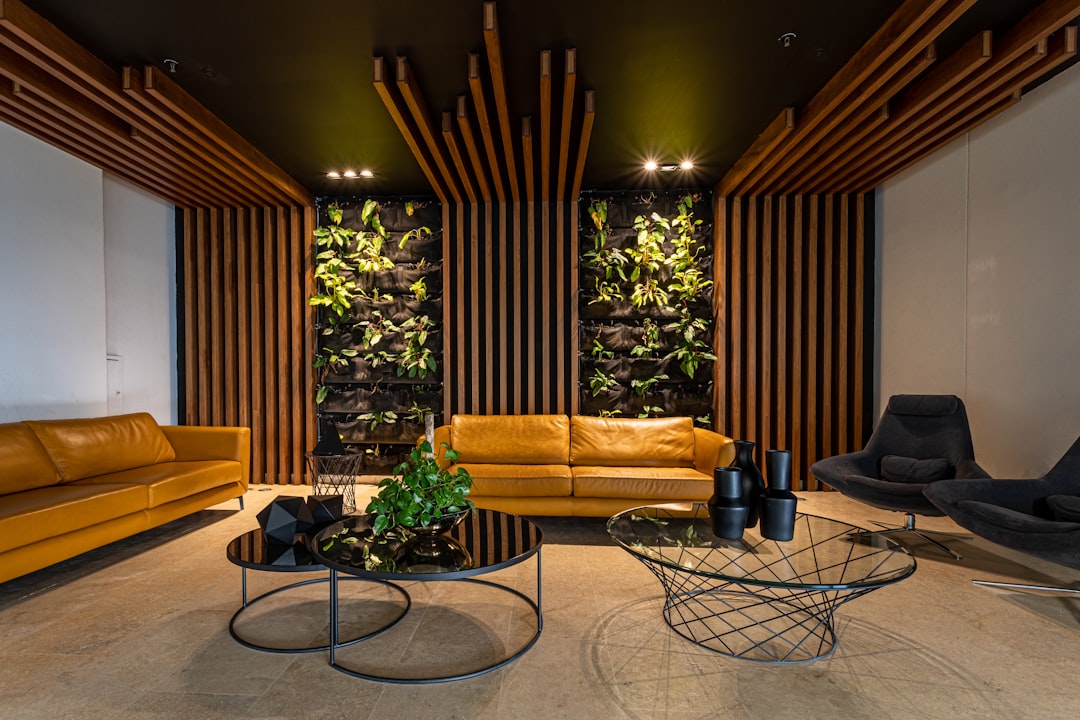
Connection to nature: Mid-century architects and designers valued the relationship between indoor and outdoor spaces. Large windows, indoor plants, natural materials, and earthy colour palettes blur the boundary between interior and exterior. Singapore’s tropical environment makes this principle particularly relevant and achievable.
Material honesty: Wood looks like wood, not a painted imitation. Metal is exposed, not hidden. The grain of timber, the weave of a fabric, and the patina of brass are celebrated rather than concealed. Quality materials, simply presented, define the mid-century aesthetic.
The Mid-Century Modern Colour Palette
Colour in mid-century modern interiors strikes a balance between warm neutrals and confident accent tones.
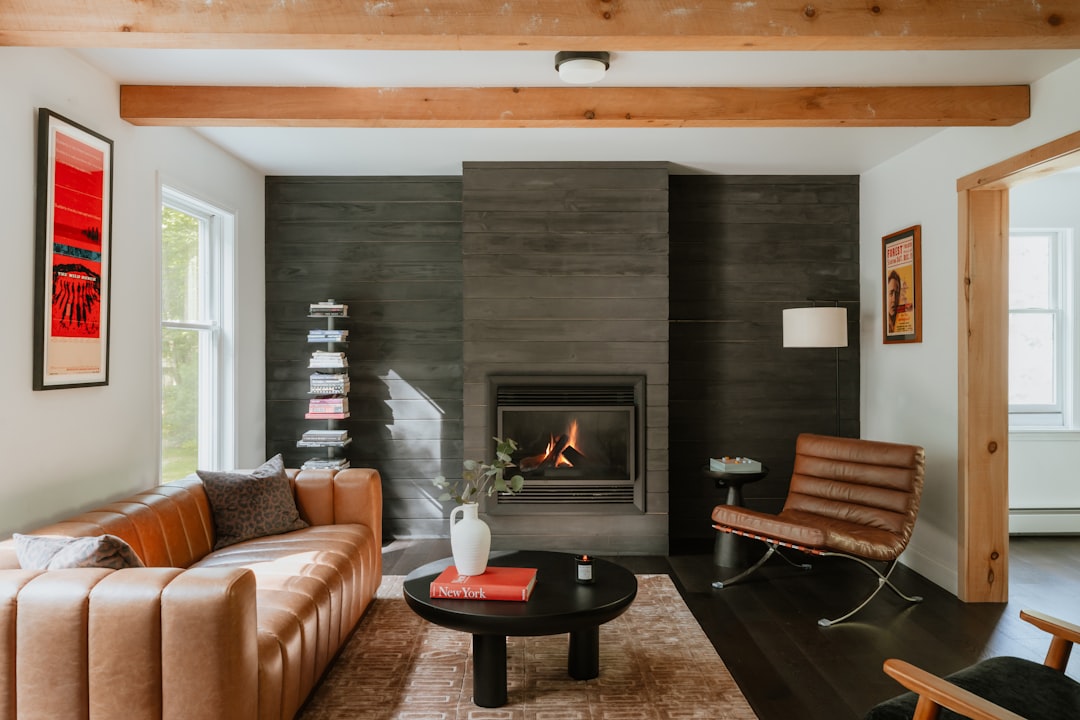
The foundation consists of warm whites, creams, soft greys, and the natural tones of wood, from honey-coloured teak to rich walnut. These neutrals dominate walls, large furniture pieces, and flooring, creating a calm backdrop that allows feature pieces to stand out.
Accent colours are drawn from nature but applied with graphic boldness. Mustard yellow, burnt orange, olive green, teal blue, and rusty terracotta appear on upholstery, cushions, artwork, and decorative objects. These colours reference the mid-century palette without the avocado greens and harvest golds that later caricatured the era.
Black is used as a graphic accent, appearing in slim furniture legs, light fixtures, and artwork frames. It provides visual weight and definition without heaviness.
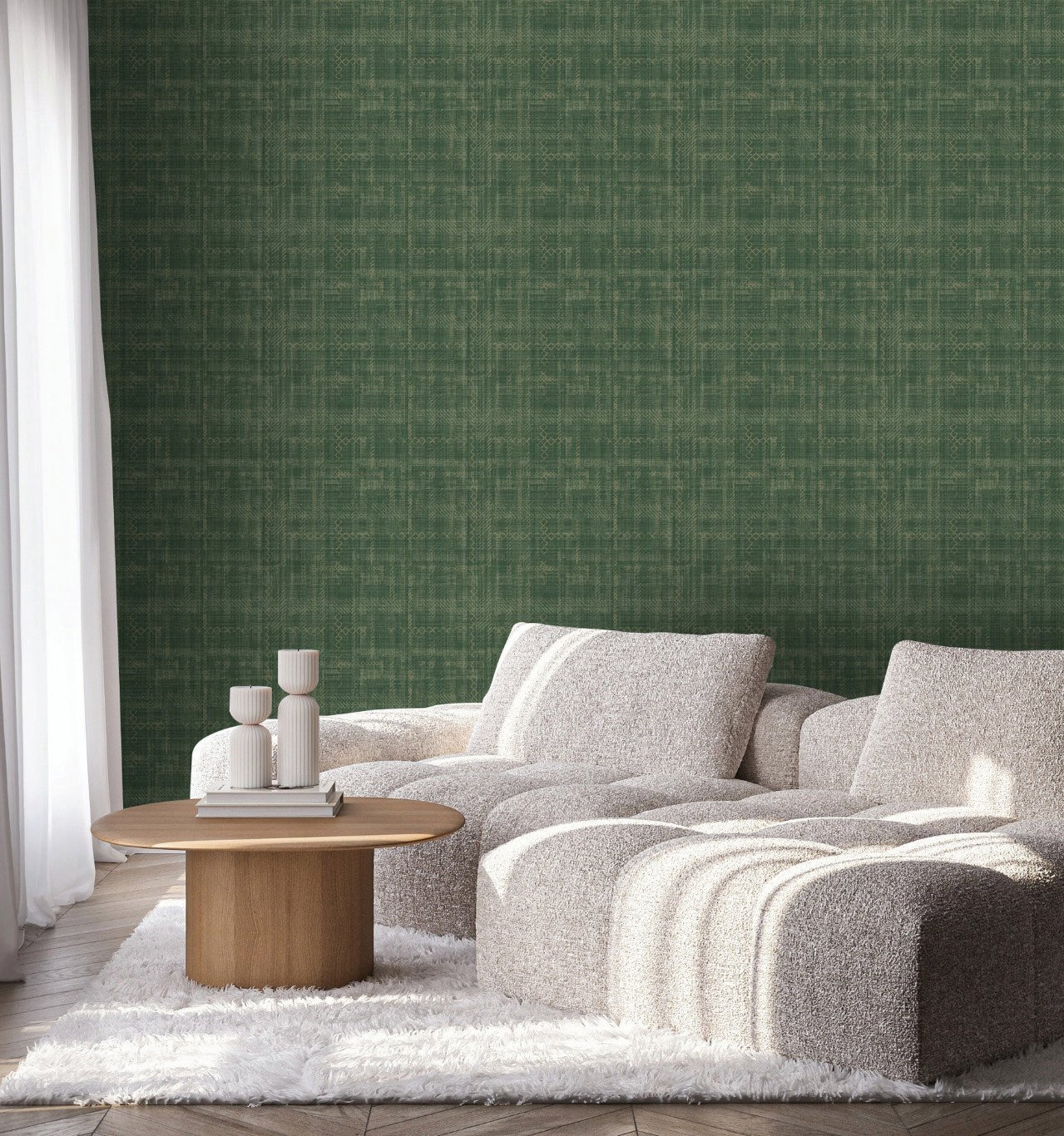
For walls, residential wallcoverings in subtle textures or restrained geometric patterns complement mid-century interiors without overwhelming them. A textured wallpaper in a warm neutral adds depth to a feature wall while maintaining the style’s emphasis on simplicity.
Furniture Selection for Mid-Century Interiors
Furniture is the most visible expression of mid-century modern style. Selecting the right pieces establishes the design direction immediately.
Seating
Sofas are low-profiled with clean lines, slim arms, and tapered wooden or metal legs that lift the frame off the floor. This creates a sense of lightness and visual space that is particularly valuable in compact Singapore apartments. Upholstery in warm neutrals or a single bold accent colour keeps the look cohesive.
Dining
Dining tables in solid timber or timber veneer with simple, sculptural bases anchor the dining area. Chairs with moulded seats, either in wood, fibreglass, or upholstered forms, pair naturally with clean-lined tables. Mixing chair types around a single table is an authentically mid-century approach that adds visual interest.
Storage
Sideboards and credenzas are signature mid-century pieces. Low, horizontal storage units with sliding doors, tapered legs, and timber veneer finishes provide concealed storage while serving as display surfaces for curated decorative objects. In HDB living rooms, a well-proportioned credenza replaces bulky entertainment units with a more refined alternative.
Occasional Pieces
Coffee tables, side tables, and shelving systems follow the same principles: clean lines, honest materials, and functional design. Nesting tables, magazine racks, and wall-mounted shelving systems maximise utility in small spaces without visual clutter.
Materials and Textures
Material selection is where mid-century modern interiors gain their warmth and tactile quality.
Timber is the dominant material, particularly warm-toned species like teak, walnut, and oak. In Singapore, where solid timber furniture is both prized and practical in air-conditioned interiors, investing in quality timber pieces pays dividends in longevity and aesthetic satisfaction.
Flooring should complement the timber furniture. Light-toned wood-effect luxury vinyl flooring or natural timber provides the warm, clean-lined base that mid-century interiors require. Avoid heavily veined stone or busy tile patterns that conflict with the style’s simplicity.
Textiles add warmth and softness. Nubby wool, textured linen, smooth leather, and woven cotton in the mid-century colour palette create layered, inviting surfaces. Curtains in natural linen or cotton with a subtle weave filter light softly and reinforce the connection to natural materials.
Metal accents in brass, copper, and black steel appear in lighting, hardware, and furniture legs. The warm tones of brass and copper complement timber beautifully, while black steel provides graphic contrast.
Applying Mid-Century Modern in Singapore Homes
Singapore’s housing types each present different opportunities for mid-century modern expression.
HDB flats: The clean, simple architecture of HDB interiors is a surprisingly good canvas for mid-century design. Low furniture profiles make standard-ceiling rooms feel more spacious. Built-in carpentry along one wall, finished in warm timber veneer, provides the concealed storage the style demands while maximising floor space. Keep the colour palette restrained and let two or three well-chosen furniture pieces define the room.
Condominiums: Many contemporary condos share mid-century modern’s preference for open plans, clean lines, and large windows. The style feels like a natural extension of the architecture. Focus on furniture quality over quantity, and use the abundance of natural light to highlight timber grain and textile textures.
Landed properties: Larger rooms in landed homes accommodate the full expression of mid-century design, including statement furniture pieces, curated art collections, and generous plant displays. The connection to outdoor spaces through gardens, patios, and balconies is especially relevant, as mid-century design was fundamentally about dissolving the barrier between indoors and outdoors.
Final Thoughts
Mid-century modern interior design endures because its principles, simplicity, function, quality materials, and connection to nature, are timeless rather than fashionable. In Singapore, where compact living demands efficient design and tropical conditions invite natural material expression, the style is both practical and deeply satisfying. Start with good furniture, edit ruthlessly, and let quality materials speak for themselves.
Visit the Goodrich Gallery to see our full collection of flooring, wallcovering, and fabric options suited to mid-century modern interiors.