Interior Design
Small Room Interior Design: Space-Saving Tips – Goodrich
Small room interior design is a skill that every Singapore homeowner needs to master. With the average HDB flat ranging from 60 to 110 square metres, making compact rooms feel spacious and functional is not optional — it is essential.
This guide covers proven strategies for maximising space through smart material choices, colour selection, and layout planning. Whether you are working on a BTO bedroom, a condo study, or a resale flat living area, these tips will help you make every square metre count.
Use Light Colours to Expand Visual Space
Colour is the single most effective tool for making a small room feel larger. Light-coloured walls reflect more natural and artificial light, creating an impression of openness that dark colours cannot achieve.
White, off-white, pale grey, and soft beige are reliable foundation colours. For those who find all-white rooms too stark, consider warm whites with subtle yellow or pink undertones — these feel inviting without shrinking the space.
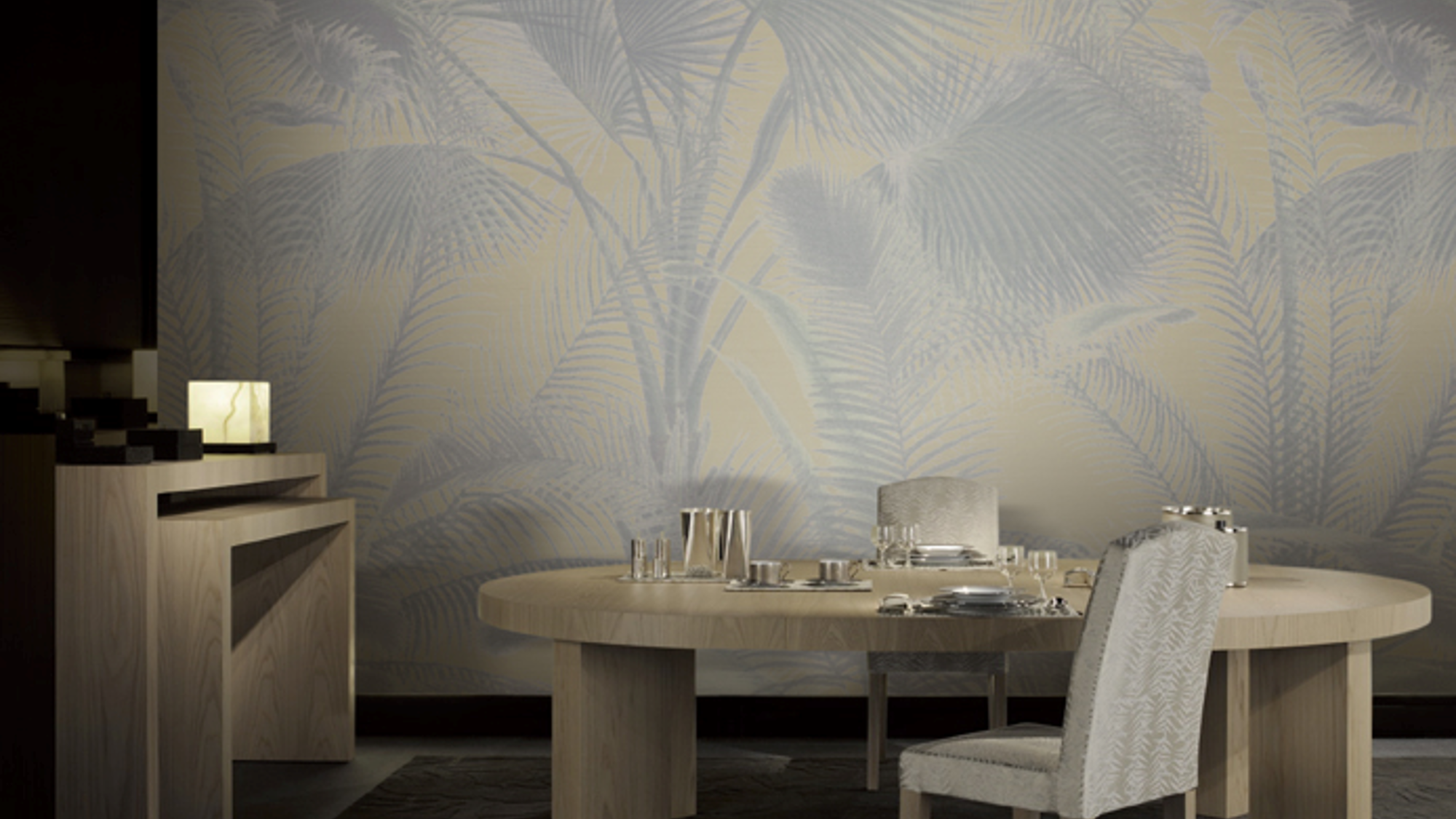
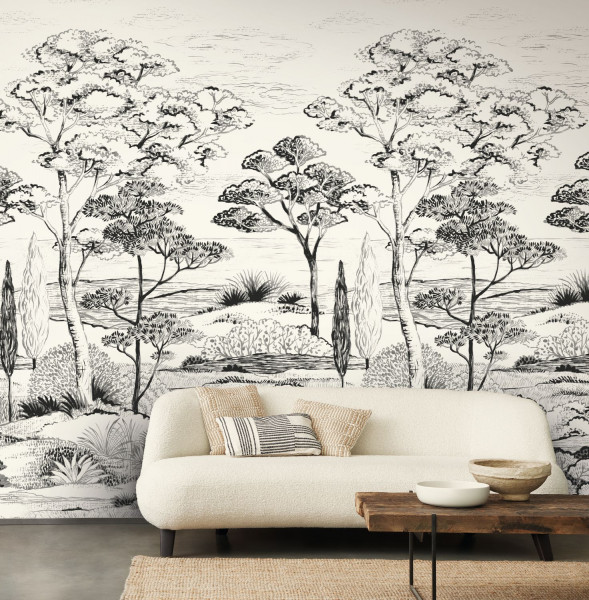
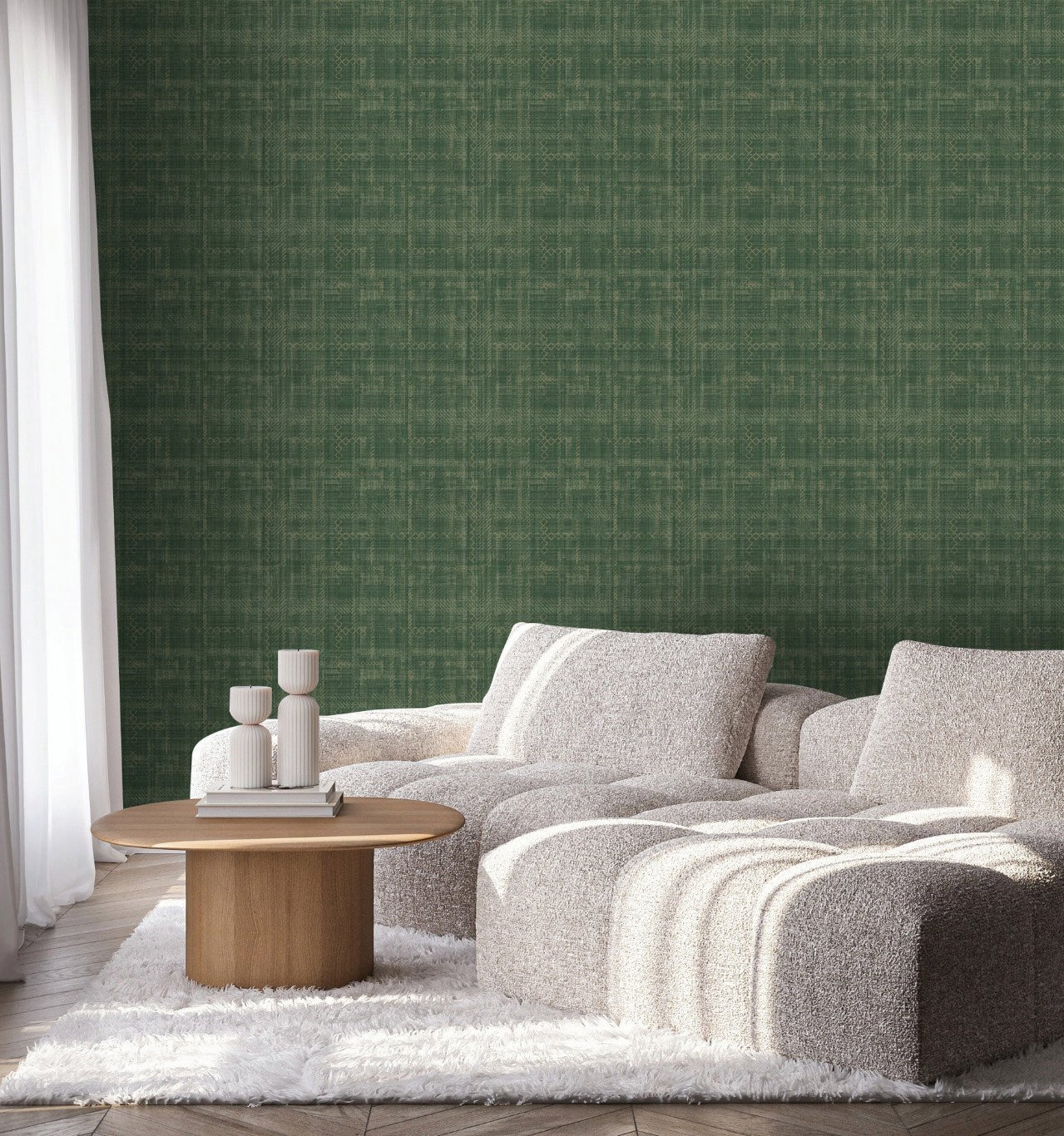
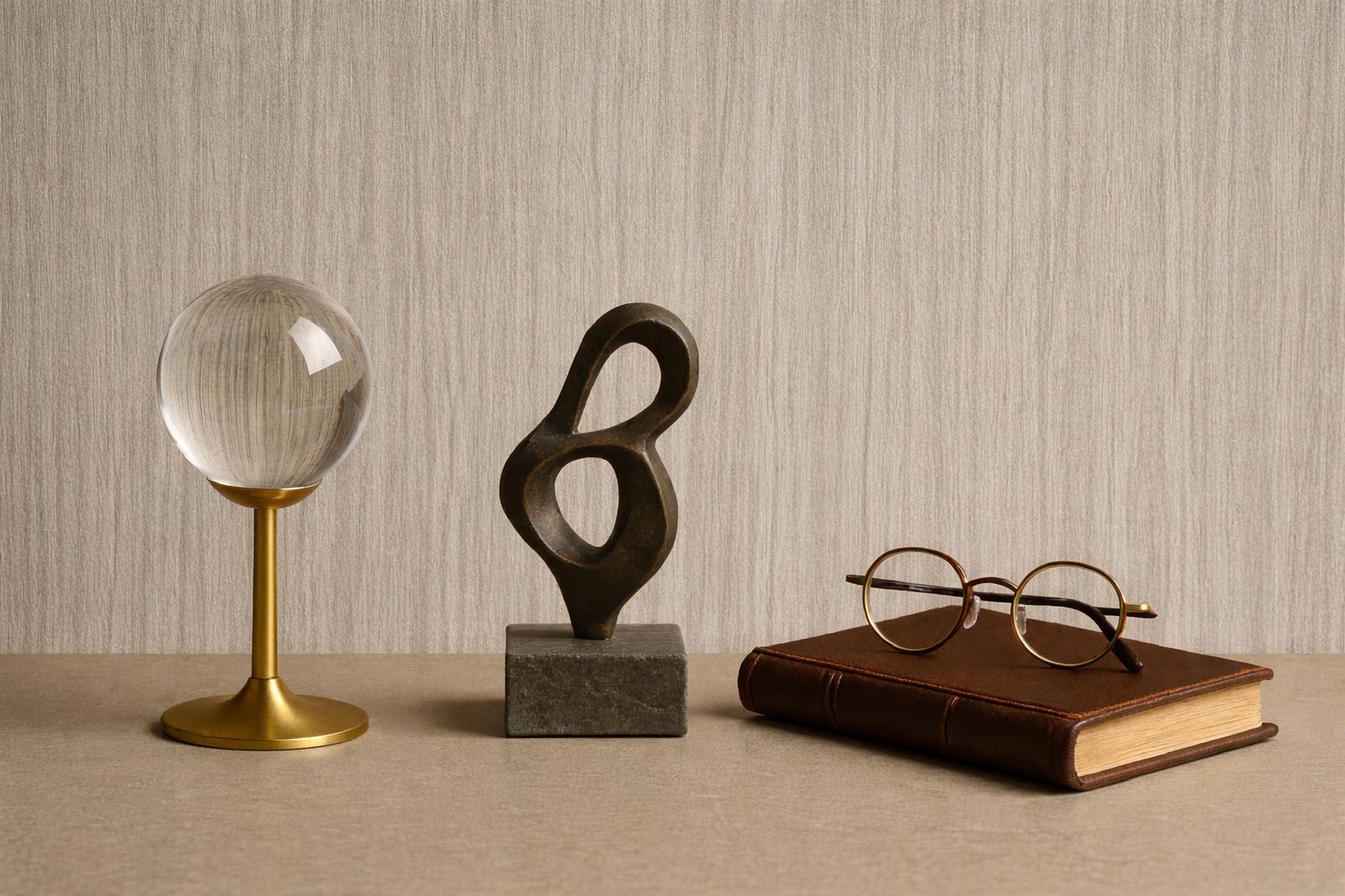
Wallcoverings with a slight sheen or subtle texture can also help. A lightly textured wallpaper in a pale tone adds visual interest while bouncing light around the room. Avoid heavily patterned wallpapers on all four walls in small rooms, as they can feel busy and enclosing. Instead, use a patterned wallpaper on a single feature wall and keep the remaining walls light and simple.
Choose Flooring That Creates Continuity
Flooring plays a surprisingly large role in how spacious a room feels. The general rule is simple: fewer transitions mean a bigger-feeling space.
Consistent Flooring Throughout
Using the same flooring material across connected rooms eliminates visual breaks that make each space feel smaller. In an HDB flat, running a single vinyl plank or SPC flooring throughout the living room, dining area, and bedrooms creates a sense of flow and openness.
Plank Direction Matters
Laying planks lengthwise along the longest dimension of a room draws the eye forward and makes the space feel longer. In narrow rooms such as galley kitchens or corridors, this technique is particularly effective.
Light-Toned Flooring
Like walls, lighter floors reflect more light and create an airy feel. Light oak, maple, and whitewashed wood-grain finishes in luxury vinyl flooring are popular choices for compact Singapore homes. Avoid very dark flooring in small rooms unless balanced with light walls and ample lighting.
Smart Furniture Layout and Scale
Furniture that is too large for a room is one of the most common mistakes in small space design. The right pieces, properly arranged, can make a compact room feel twice its size.
- Choose appropriately scaled furniture: A two-seater sofa often works better than a three-seater in a small HDB living room. Slim-profile dining tables and chairs reduce visual bulk.
- Float furniture away from walls: Counterintuitively, pulling furniture slightly away from walls can make a room feel larger by creating the impression of depth.
- Use multifunctional pieces: Storage ottomans, bed frames with built-in drawers, and extendable dining tables earn their place in small rooms by serving double duty.
- Maintain clear sightlines: Position furniture so you can see from one end of the room to the other. Unbroken sightlines make spaces feel open and connected.
In BTO units, built-in carpentry is often the most space-efficient approach. Custom wardrobes, platform beds with storage, and wall-mounted shelving maximise every centimetre.
Vertical Space and Storage Solutions
When floor area is limited, vertical space becomes your greatest asset. Singapore homes often have ceiling heights of 2.6 to 2.8 metres — enough to incorporate meaningful overhead storage.
Floor-to-ceiling shelving units draw the eye upward and make walls appear taller. Wall-mounted cabinets in kitchens and bathrooms free up floor space while providing essential storage. Even simple floating shelves can reduce clutter on surfaces and furniture.
Vertically oriented design elements also help. Wallpaper with vertical stripes or tall, narrow patterns creates the illusion of height. Hanging curtains from ceiling height rather than just above the window frame makes both the windows and the room feel taller.
Lighting Strategies for Small Rooms
Lighting can make or break a small room. Poor lighting makes compact spaces feel cramped and cave-like, while good lighting opens them up.
- Maximise natural light: Keep window areas clear of heavy furniture. Use sheer or translucent curtain fabrics that filter light without blocking it.
- Layer artificial lighting: Combine overhead lighting with task lights and accent lighting. Multiple light sources at different heights eliminate shadows and create depth.
- Use recessed or flush-mount fixtures: Pendant lights and chandeliers consume visual space. Recessed downlights or slim track lighting keep the ceiling clear.
- Add mirror placement strategically: Mirrors opposite windows reflect natural light deeper into the room. A large mirror on one wall can effectively double the perceived depth of a space.
In bedrooms and living rooms, warm-toned lighting (2700K to 3000K) creates a cosy atmosphere that complements light wall colours without feeling clinical.
Material Choices That Work in Compact Spaces
Beyond colour, the materials you choose can enhance or diminish the sense of space in a small room.
Glossy or semi-glossy surfaces reflect light and create a sense of expansion. This applies to flooring finishes, wall treatments, and even furniture. Matte finishes, while popular for their contemporary look, absorb light and can make dark corners feel smaller.
Transparent and translucent materials are valuable allies. Glass tabletops, acrylic chairs, and sheer drapery fabrics allow light to pass through, reducing visual weight.
For soft furnishings, choose fabrics in lighter tones with subtle textures rather than bold, contrasting patterns. A cohesive material palette across furniture, curtains, and cushions unifies the room and prevents visual fragmentation.
Final Thoughts
Small room interior design in Singapore is a practical challenge with creative solutions. By combining light colours, continuous flooring, smart furniture choices, and thoughtful lighting, even the most compact HDB bedroom or condo study can feel open and inviting.
The key is consistency — a unified approach to colour, material, and layout creates flow and spaciousness that individual tricks alone cannot achieve.
Browse our e-catalogue for the latest wallcoverings and flooring options suited to compact Singapore homes.