Interior Design
Study Room Design Ideas for Singapore Homes – Goodrich
Study room design in Singapore has taken on new importance as remote work and home-based learning become permanent fixtures. Whether you are converting a spare bedroom into a home office or carving out a study corner in a BTO flat, the right design choices can significantly improve focus, comfort, and productivity.
This guide covers practical strategies for creating an effective study room in Singapore homes, from material selection to layout planning.
Planning the Layout for Productivity
A well-designed study room begins with a layout that supports concentration. The placement of the desk, storage, and seating all influence how effectively the space functions.
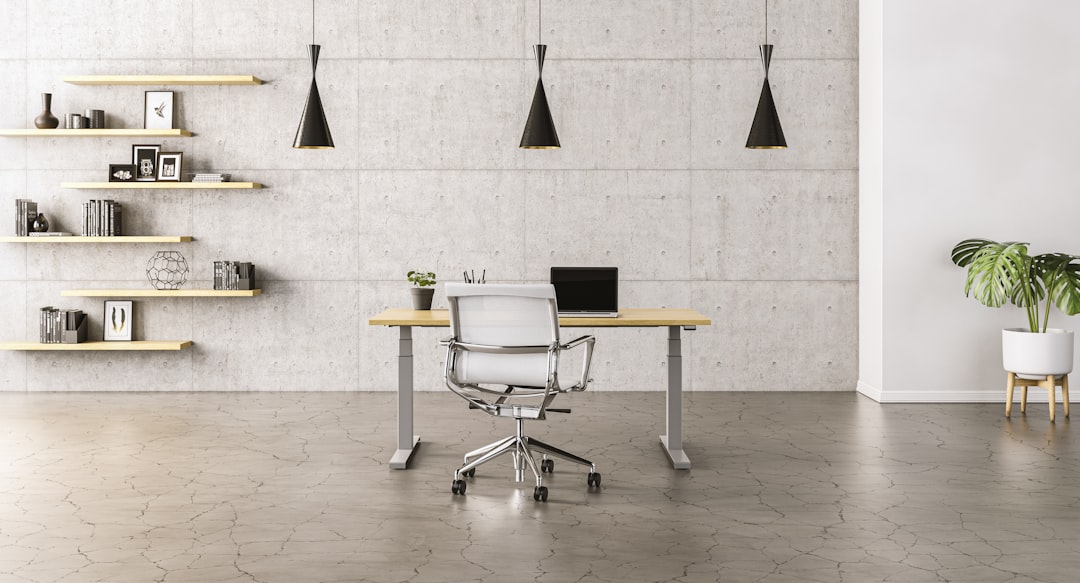
Position the desk to face away from high-traffic areas of the home. In open plan HDB flats where a dedicated study room is not available, a desk facing a wall or window — rather than the living area — helps reduce visual distractions.
If space allows, keep the desk away from the bed in combined bedroom-study setups. This mental separation between work and rest is important for productivity and sleep quality. A bookshelf or screen between the desk area and the sleeping area can create a sense of boundary even in a single room.
- Minimum desk depth: 60 cm for a monitor and keyboard setup.
- Clear space behind the chair: At least 90 cm for comfortable movement.
- Storage within arm’s reach: Shelving or drawers beside or above the desk reduces the need to leave the work zone.
Choosing the Right Flooring
Flooring in a study room needs to support desk chair movement while maintaining a comfortable, quiet environment. Hard flooring with a smooth surface is generally preferred over carpet for rooms with rolling desk chairs, as it allows easy movement without resistance.
Luxury vinyl flooring is an excellent choice for study rooms. It is smooth enough for chair castors, comfortable underfoot during long working hours, and quieter than laminate or tile. Wood-grain finishes in warm tones create a professional atmosphere that supports focused work.
For those who prefer a softer feel underfoot, carpet tiles offer an alternative. They absorb sound — a significant benefit in homes where the study room shares a wall with a bedroom or living area. Carpet tiles can also be arranged in patterns that add visual interest to the room.
Wall Treatments That Support Focus
The walls in a study room should promote concentration without causing visual fatigue. Colour psychology plays an important role here.
Blue tones are widely recommended for workspaces. Research suggests that blue environments support sustained attention and mental clarity. Muted blues — think slate blue, powder blue, or blue-grey — are particularly effective as they calm without sedating.
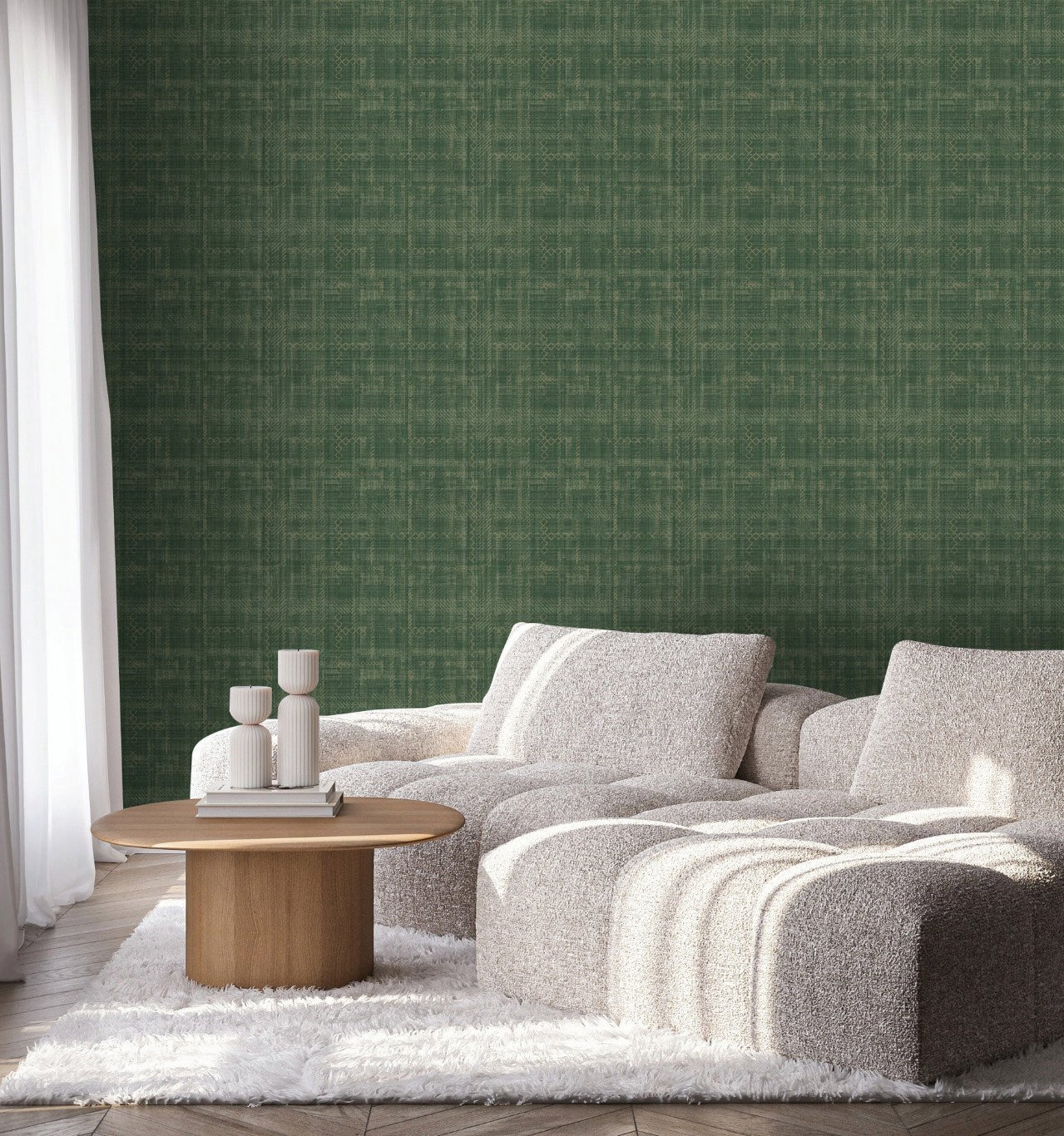
Green is another strong option, especially for creative work. It reduces eye strain and promotes a sense of balance. Sage green and olive tones work well in study rooms, especially when paired with natural wood furniture.
Wallcoverings with subtle textures add depth and sophistication without distraction. A linen-textured wallpaper in a muted tone provides visual warmth that plain painted walls often lack. For a more distinctive look, consider a feature wall wallpaper behind the desk — a geometric pattern or a subtle botanical print can personalise the space while maintaining a professional feel.
Lighting for Comfort and Eye Health
Proper lighting is non-negotiable in a study room. Poor lighting causes eye strain, headaches, and fatigue — all of which undermine the purpose of the space.
Natural Light
Position the desk perpendicular to the window rather than directly facing it. This arrangement provides ample natural light without causing glare on screens. If the window faces west and receives intense afternoon sun, use light-filtering curtain fabrics that diffuse brightness without darkening the room.
Task Lighting
A dedicated desk lamp with adjustable brightness and colour temperature is essential. For screen-based work, a colour temperature of 4000K to 5000K mimics natural daylight and helps maintain alertness. For reading physical documents, warmer light around 3000K to 3500K is more comfortable.
Ambient Lighting
Overhead lighting should be even and free of harsh shadows. Recessed downlights or a central ceiling fixture with a diffuser works well. Avoid exposed bulbs or overly bright overhead lights that create contrast between the desk area and the rest of the room.
Study Room Solutions for Small Singapore Homes
Not every Singapore home has a spare room to dedicate as a study. In three-room HDB flats and compact condos, creative solutions are needed.
The Nook Study
Alcoves, corners, and spaces under staircases in maisonette flats can be converted into functional study nooks. A wall-mounted desk, overhead shelving, and a task lamp are all that is needed. Use a wallpaper panel behind the desk to visually define the study zone from the rest of the room.
The Bedroom-Study Combo
This is the most common arrangement in Singapore homes. The key is zoning — use different wall treatments or a change in flooring to distinguish the work area from the sleeping area. A platform bed with the study area on a slightly different level can provide both psychological and physical separation.
The Living Room Workstation
For homes with no spare bedroom, a dedicated desk area in the living room can work surprisingly well. Position it against a wall, add a shelf above for storage, and use noise-cancelling headphones during work hours. A slim console desk that doubles as a display surface when not in use helps the space serve both functions.
Final Thoughts
Study room design in Singapore requires balancing productivity, comfort, and the realities of compact living. The right combination of flooring, wall treatment, lighting, and layout transforms any space — from a spare bedroom to a living room corner — into an effective workspace.
Focus on materials that reduce noise, support concentration, and create a professional atmosphere, and even the smallest study area will perform beyond its size.
Request free samples of wallcoverings and flooring to find the right look for your study room.