Carpet & Flooring
Vinyl Flooring for Kitchens: Why It Works in Singapore
Vinyl flooring for kitchen spaces has become the go-to choice for Singapore homeowners seeking a surface that handles heavy foot traffic, spills, and humidity without compromising on style. Kitchens in our tropical climate face unique challenges — persistent moisture, temperature fluctuations, and the demands of daily cooking — making material selection critical for long-term satisfaction.
Whether you are renovating a compact HDB kitchen or fitting out a spacious landed property, vinyl flooring offers a compelling combination of practicality and aesthetics that few other materials can match.
Why Vinyl Flooring Suits Singapore Kitchens
Singapore’s year-round humidity, which averages 80 to 90 per cent, creates an environment where moisture-sensitive flooring materials deteriorate quickly. Hardwood warps, laminate swells at the edges, and natural stone can become dangerously slippery when wet. Vinyl flooring sidesteps these issues entirely.
Modern luxury vinyl tiles (LVT) and stone polymer composite (SPC) planks are 100 per cent waterproof at the core. This means accidental spills from cooking, condensation from refrigerators, and even minor flooding from burst pipes will not cause permanent damage. For a room where water contact is virtually guaranteed, this property alone makes vinyl the most logical choice.
Beyond moisture resistance, vinyl flooring provides a comfortable underfoot experience. Unlike ceramic tiles, which feel hard and cold, vinyl has a slight give that reduces fatigue during long cooking sessions. This is particularly valuable for home cooks who spend hours preparing meals.
Types of Vinyl Flooring for Kitchens
Not all vinyl flooring is created equal. Understanding the main types helps you select the right product for your kitchen’s specific requirements.
Luxury Vinyl Tiles (LVT)
LVT consists of multiple layers, including a photographic design layer that replicates natural materials with remarkable accuracy. Available in wood, stone, and abstract patterns, LVT typically ranges from 2 mm to 5 mm in thickness. Thicker options provide better sound insulation and underfoot comfort.
LVT is well-suited to kitchens in HDB flats and condominiums where acoustic performance matters. The material absorbs impact sound, reducing noise transmission to neighbours below — an important consideration in high-rise living.
Stone Polymer Composite (SPC)
SPC flooring features a rigid limestone-based core that offers superior dimensional stability. It resists expansion and contraction caused by temperature changes, making it ideal for kitchens with direct sunlight exposure or those adjacent to air-conditioned living areas.
SPC planks are denser and more dent-resistant than standard LVT, which makes them a strong choice for kitchens in landed properties where heavy appliances and high traffic are common.
Vinyl Sheet Flooring
Vinyl sheet comes in large rolls, creating a near-seamless surface with minimal joints. Fewer seams mean fewer entry points for moisture, which is advantageous in kitchens prone to splashes. Sheet vinyl is often specified for commercial kitchens and can work well in residential settings where hygiene is a priority.
Design Options That Complement Singapore Homes
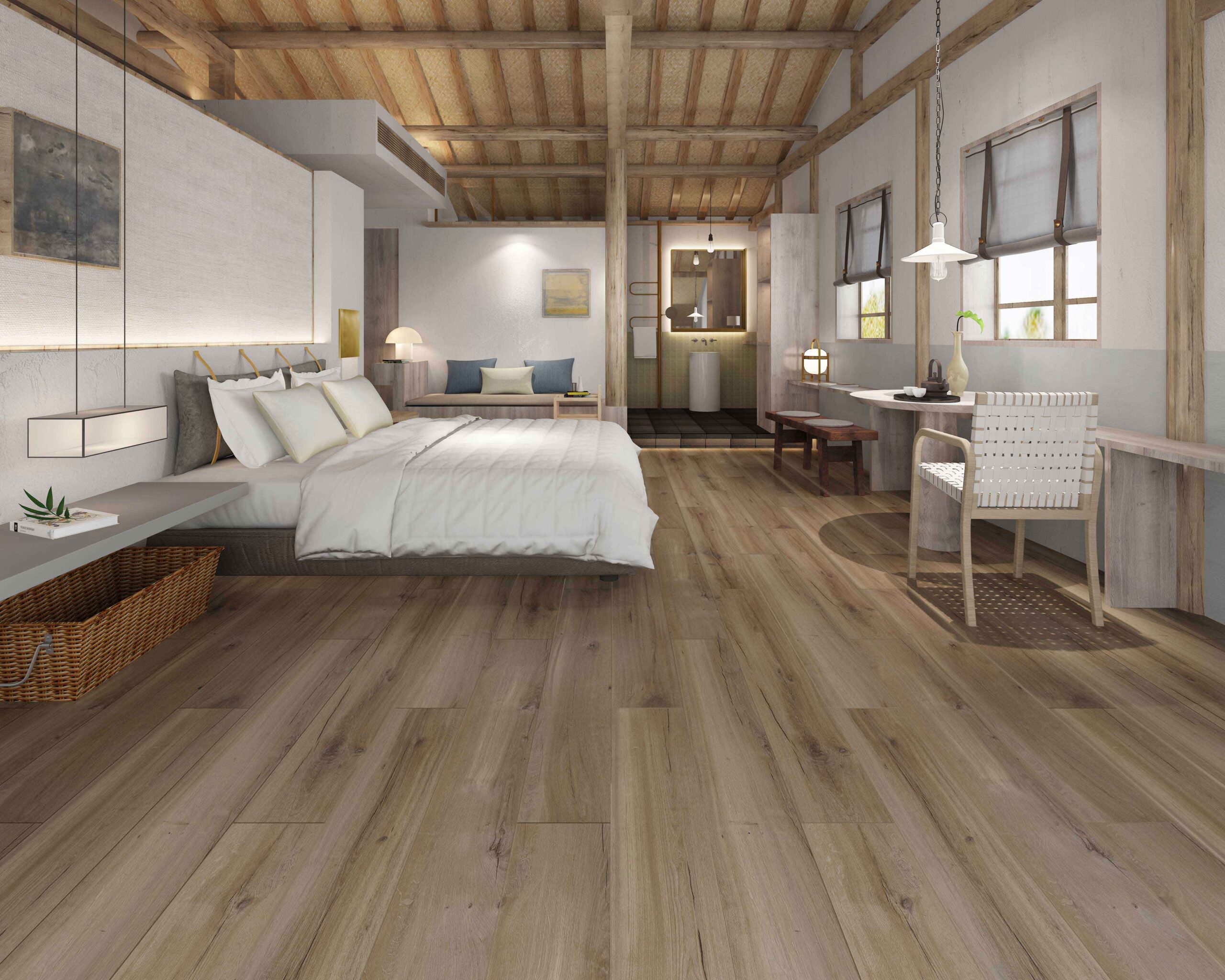
One of the strongest arguments for vinyl flooring in the kitchen is the sheer breadth of design possibilities. Modern printing technology produces surfaces that are virtually indistinguishable from natural wood grain, marble veining, or terrazzo aggregate.
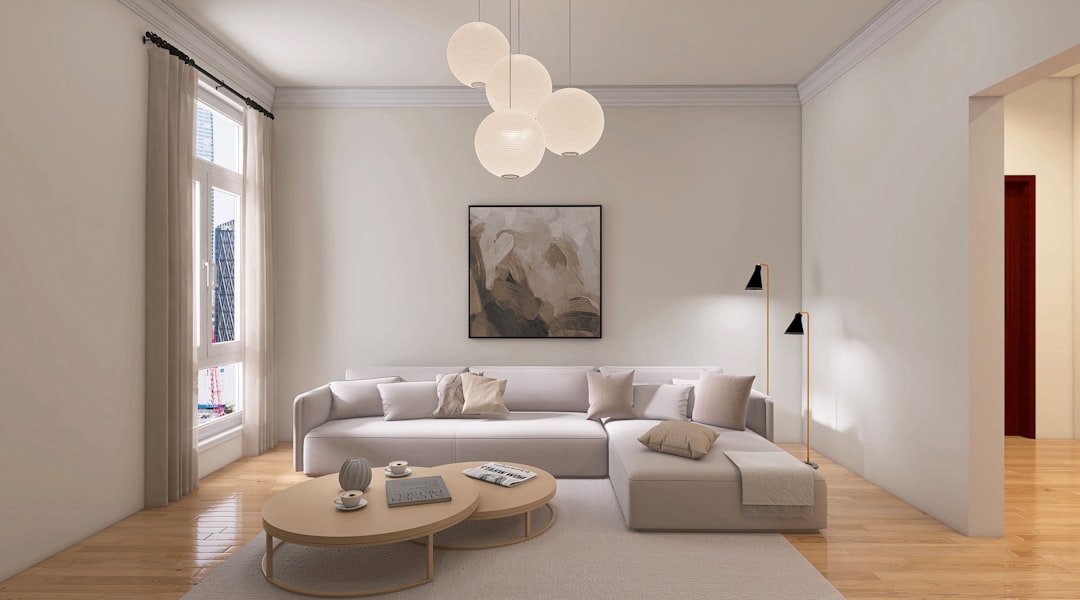
For HDB and BTO kitchens, light oak or whitewashed wood-look vinyl creates an illusion of space in compact layouts. Warm timber tones pair well with Scandinavian-inspired cabinetry, a perennially popular aesthetic in Singapore. If your kitchen opens into the living and dining area — as many newer BTO layouts do — a continuous vinyl floor in a single design creates visual flow and makes the entire space feel larger.
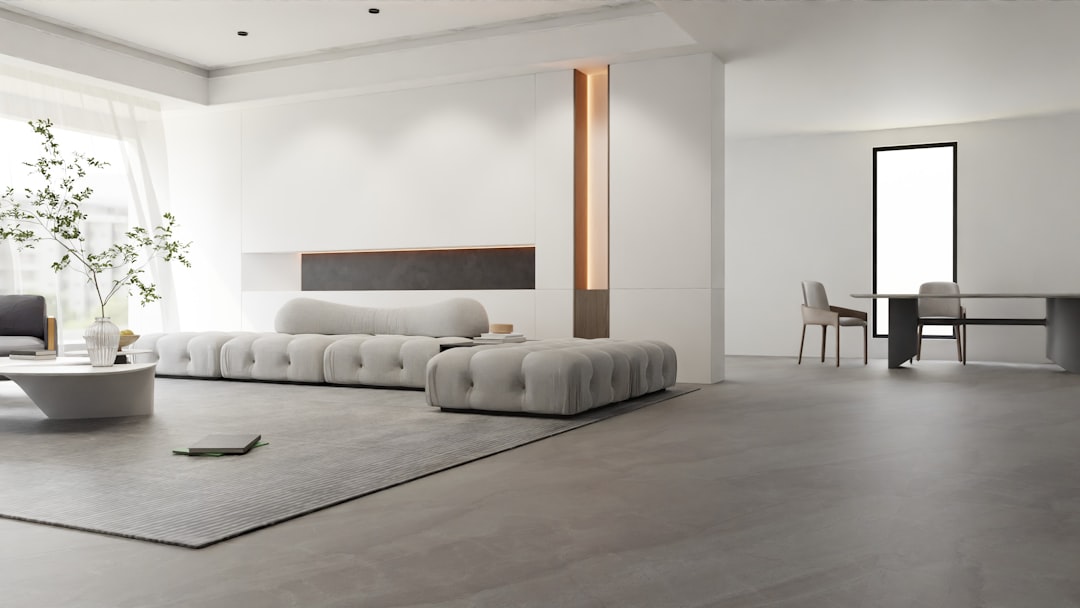
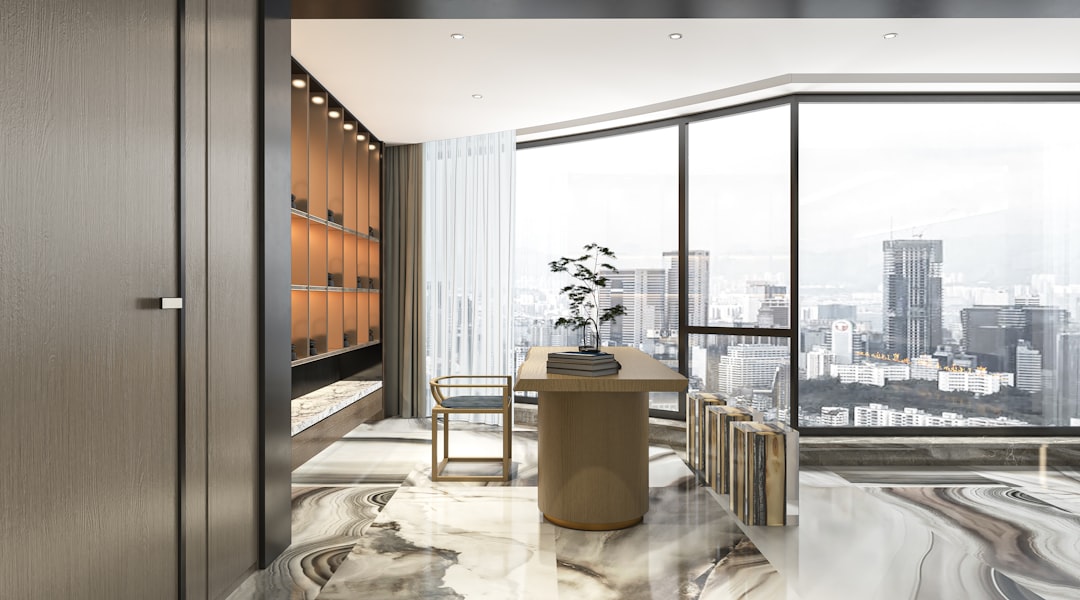
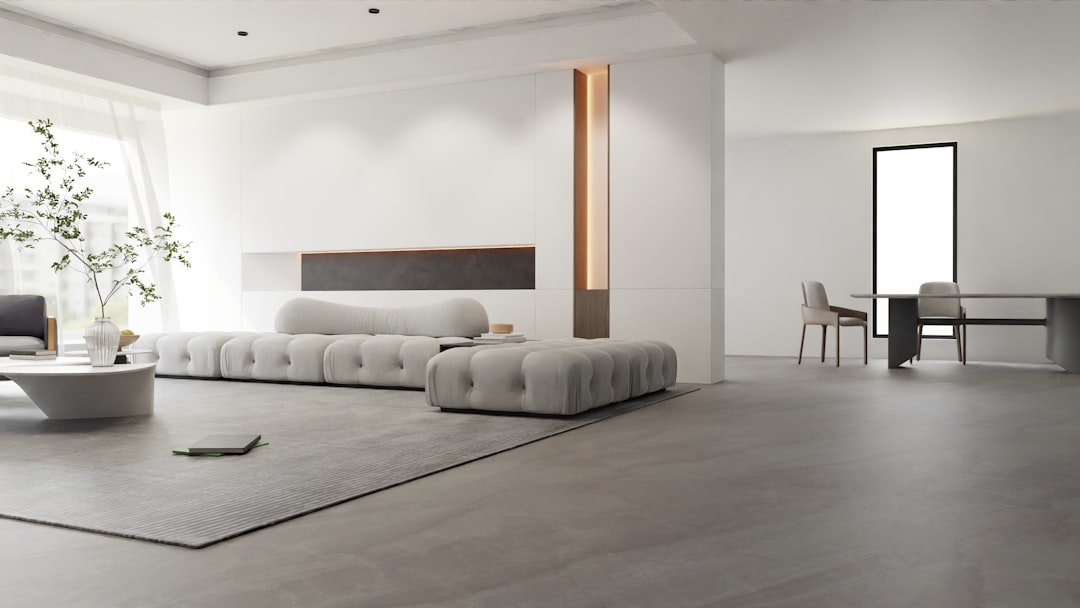
Condo kitchens often benefit from stone-effect vinyl. Marble-look and concrete-look designs bring a sophisticated, modern character without the maintenance headaches of real stone. These finishes complement the sleek, minimalist cabinetry commonly found in condominium projects.
For landed homes with larger kitchens, herringbone and chevron patterns in vinyl planks add a layer of visual interest that elevates the space. Wide-format planks in dark walnut or aged oak tones suit kitchens designed around a central island, anchoring the room with warmth and character.
Goodrich Global’s luxury vinyl flooring collection includes a wide range of designs suited to both residential and commercial kitchen applications.
Installation Considerations for Kitchen Vinyl
Proper installation is essential to ensuring your vinyl kitchen floor performs as expected over its full lifespan. Several factors deserve attention during the planning stage.
Subfloor Preparation
Vinyl flooring requires a smooth, level subfloor. In older HDB flats, the existing screed may have minor undulations that need levelling compound before installation. Any debris, adhesive residue, or protruding nails must be addressed, as vinyl’s thinner profile means imperfections beneath will telegraph through to the surface.
Click-Lock vs Glue-Down
Click-lock installation is popular for residential kitchens because it is faster and does not require adhesive. The planks or tiles snap together, floating above the subfloor. This method suits HDB and condo kitchens where renovation timelines are tight.
Glue-down installation bonds the vinyl directly to the subfloor, creating a more stable surface. This method is recommended for kitchens with heavy appliances, underfloor heating, or wheeled furniture such as kitchen trolleys. It also eliminates the hollow sound that some floating floors produce.
Transition Strips and Thresholds
Where the kitchen floor meets adjacent rooms with different flooring materials, transition strips ensure a clean, safe junction. In open-plan HDB and condo layouts, many homeowners choose to run the same vinyl throughout the kitchen, living, and dining areas, eliminating the need for transitions altogether.
Maintenance and Longevity in the Kitchen
A kitchen floor endures more wear than almost any other surface in the home. Dropped utensils, dragged chairs, spilled sauces, and constant foot traffic all take their toll. Vinyl flooring handles these demands exceptionally well.
Daily maintenance requires nothing more than sweeping or vacuuming to remove loose particles, followed by mopping with a damp cloth and a mild pH-neutral cleaner. Avoid abrasive scrubbers and harsh chemicals such as bleach, which can dull the wear layer over time.
The wear layer thickness directly affects longevity. For residential kitchens, a minimum of 0.3 mm is recommended. Kitchens in high-traffic households or those used for frequent entertaining should consider products with a 0.5 mm or thicker wear layer. Commercial-grade options with 0.55 mm to 0.7 mm wear layers offer the longest service life.
Most quality vinyl kitchen floors last 15 to 25 years with proper care. Individual damaged planks in a click-lock system can be replaced without disturbing the surrounding floor — a practical advantage over tiles or hardwood where localised repairs are more complex.
Comparing Vinyl to Other Kitchen Flooring Materials
| Feature | Vinyl (LVT/SPC) | Ceramic Tiles | Laminate | Natural Stone |
|---|---|---|---|---|
| Waterproof | Yes | Yes (grout can absorb moisture) | No | Varies (requires sealing) |
| Comfort underfoot | High | Low | Moderate | Low |
| Slip resistance | Good (textured options) | Varies | Moderate | Poor when wet |
| Noise absorption | Good | Poor | Moderate | Poor |
| Installation speed | Fast | Slow | Moderate | Slow |
| Maintenance | Low | Moderate (grout cleaning) | Low | High (resealing required) |
| Lifespan | 15-25 years | 20-30 years | 10-15 years | 30+ years |
This comparison highlights vinyl’s well-rounded performance. While ceramic tiles and natural stone outlast vinyl, they lack the comfort, noise absorption, and ease of installation that vinyl provides. Laminate, on the other hand, falls short on water resistance — a critical shortcoming in any kitchen.
Final Thoughts
Vinyl flooring for kitchen use in Singapore is a practical, attractive, and durable solution that addresses the specific demands of our climate and lifestyle. From compact HDB galley kitchens to expansive landed-property cooking spaces, vinyl delivers reliable performance year after year.
The combination of waterproof construction, comfortable underfoot feel, extensive design choices, and straightforward maintenance makes it a smart investment for any kitchen renovation project.
Request free samples from our Singapore showroom to see and feel the latest vinyl kitchen flooring options from Goodrich Global.