Carpet & Flooring
Vinyl Flooring for Rental Condos | Non-Permanent Tips
Why Vinyl Flooring Works for Rental Condos
Renting a condo in Singapore often means inheriting flooring you did not choose — dated tiles, worn parquet, or cold marble that does not match your style. While you cannot rip out the landlord’s flooring, you can transform the space with non-permanent vinyl flooring solutions that overlay the existing surface and come up cleanly when you move out.
Vinyl flooring is the ideal material for rental situations because it is available in removable formats, requires no structural modification, and can dramatically improve the look and feel of any room.
Non-Permanent Installation Options
Click-Lock Floating Vinyl
Click-lock vinyl planks interlock to form a floating floor that sits over your existing flooring without adhesive or mechanical fastening. The floor is held in place by its own weight and the walls around the room’s perimeter.
This is the most popular option for tenants because:
- It requires no adhesive, nails, or screws — the existing floor remains untouched.
- It can be installed over most hard, flat surfaces including tiles, marble, and parquet.
- It disassembles quickly when you move out and can potentially be reused in your next home.
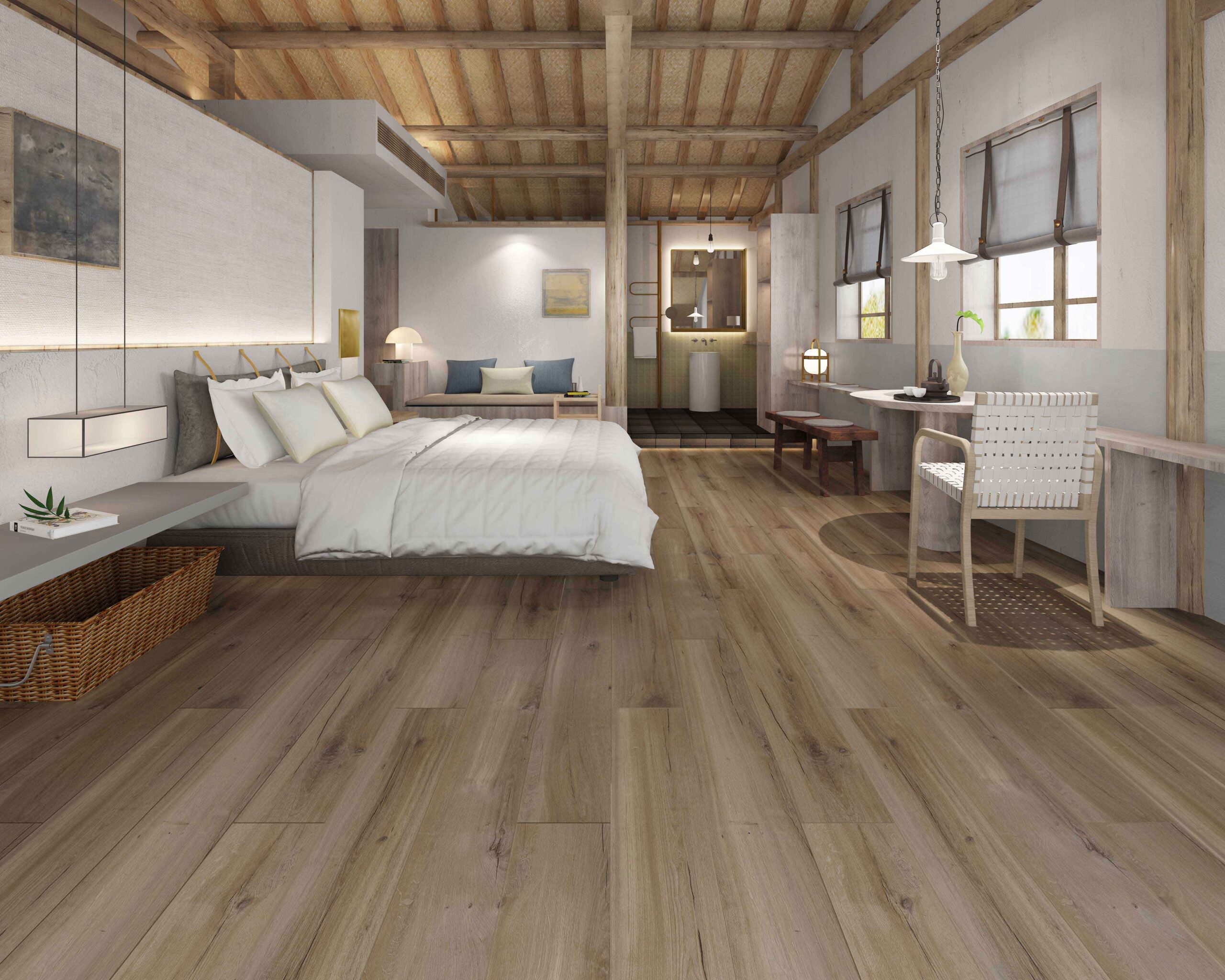
- It is available in a wide range of wood, stone, and concrete-effect designs.
The key requirement is that the existing floor must be level and firmly bonded. Loose tiles, severely cracked surfaces, or significant height variations need to be addressed — typically with a thin underlayment — before the floating floor can be installed.
Loose-Lay Vinyl
Loose-lay vinyl planks are designed to stay in place through friction and weight rather than click-lock joints. They have a special non-slip backing that grips the subfloor without adhesive. Planks are simply laid side by side with tight butt joints.
Loose-lay is particularly tenant-friendly because individual planks can be lifted and replaced without disturbing the surrounding floor. This is useful if a plank gets damaged or stained — you swap one piece rather than disassembling a section.
This format works best in smaller rooms and spaces with regular foot traffic that keeps the planks settled. In very large open areas, the edges may shift slightly over time, though this can be mitigated with perimeter weighting or discreet double-sided tape.
Protecting Your Deposit
The primary concern for any rental modification is the security deposit. Landlords in Singapore expect the property to be returned in its original condition, normal wear and tear excepted. Here is how to protect yourself when installing vinyl flooring.
Document the existing floor. Before installation, photograph the existing flooring thoroughly — every room, every angle. Note any pre-existing damage such as chips, cracks, or stains. Share these images with your landlord and keep copies for your records.
Use no adhesive. Even “removable” adhesives can leave residue on tiles and marble. Stick with genuinely adhesive-free options: click-lock floating or friction-grip loose-lay products.
Protect the existing surface. A thin foam underlayment between the existing floor and your vinyl serves double duty: it provides cushioning and prevents the vinyl from scratching the original surface. This is especially important over polished marble or timber.
Inform your landlord. While non-permanent flooring overlays are generally acceptable, it is courteous and prudent to notify your landlord. Some tenancy agreements specifically address interior modifications, and getting written approval avoids disputes later.
Choosing the Right Vinyl for a Rental
When selecting vinyl flooring for a rental condo, consider these factors:
Thickness and profile. Thinner products (3.5mm to 5mm) add less height to the existing floor, reducing issues with door clearances. Check that your doors open and close freely over the new floor height before committing to installation throughout.
Wear layer. Even in a rental, do not skimp on the wear layer. A minimum of 0.3mm is recommended for residential use. If you plan to take the flooring with you to your next home, a thicker wear layer ensures it survives removal, transport, and reinstallation.
Design and colour. Neutral tones — light oak, grey wood grain, or pale stone — are versatile choices that work with various furniture styles and will suit your next rental too. Bold or unusual patterns may look dated or clash with a different space.
Browse the luxury vinyl flooring range for click-lock and loose-lay options in designs that elevate any rental interior.
Installation Tips for Renters
- Acclimatise the planks. Leave the flooring in the room for at least 48 hours before installation, allowing it to adjust to the condo’s temperature and humidity.
- Clean the existing floor thoroughly. Dust, grit, or debris beneath the vinyl will cause bumps and may scratch the original floor.
- Maintain expansion gaps. Leave a gap of approximately 5mm to 8mm around the perimeter, hidden by skirting or quarter-round moulding. If you cannot install skirting (as it typically requires nails), use removable adhesive-backed trim or silicone edge strips.
- Handle transitions carefully. Where your new vinyl meets the existing floor at doorways, use a transition strip that sits on the surface without screws. Self-adhesive transition profiles are available for this purpose.
- Keep the original skirting intact. If the condo has existing skirting boards, do not remove them. Run the vinyl flooring up to the skirting with a small gap and use flexible caulk in a matching colour if needed.
Moving Out: Removal and Reuse
When your tenancy ends, removing non-permanent vinyl flooring is straightforward. For click-lock floors, start from the last row installed and work backwards, unclicking each plank. Store them flat in their original packaging if possible.
For loose-lay planks, simply lift each piece from the floor. They can be stacked flat for transport.
After removal, clean the original floor to remove any dust or underlayment residue. If you used foam underlayment, it should peel up cleanly without leaving marks. Inspect the original floor against your pre-installation photographs to confirm it is in the same condition.
Quality click-lock vinyl planks can be reinstalled multiple times, provided the locking mechanism remains intact. Handle planks carefully during removal and transport to preserve the click profiles for reuse.
Maintaining Vinyl Flooring in a Rental
Keeping your vinyl flooring in good condition during your tenancy ensures it remains attractive and retains its value for potential reuse.
Regular sweeping or vacuuming removes grit and debris that can scratch the surface over time. A damp mop with a gentle, pH-neutral cleaner is sufficient for deeper cleaning. Avoid harsh chemicals, abrasive pads, or excessive water — while vinyl is waterproof, standing water at the edges can seep beneath a floating floor.
Use felt pads under furniture legs to prevent indentation and scratching. This is particularly important in dining areas where chairs are moved frequently. For heavier items like sofas and bookshelves, distribute weight with wider furniture pads or coasters.
Address spills promptly. While vinyl resists moisture, certain substances — such as strongly pigmented foods, hair dye, or rubber-backed mats — can stain the surface if left in contact for extended periods. Wipe up spills as they occur and avoid using rubber-backed doormats, which can cause discolouration on vinyl surfaces over time.
If a plank becomes damaged, the advantage of click-lock flooring is that you can replace individual planks without disturbing the rest of the floor. Keep a few spare planks from your original purchase for this purpose.
For advice on the best removable flooring for your rental condo, book an appointment with our design consultants. We can recommend products that will transform your space without putting your deposit at risk.
Visit the Goodrich Gallery to see our full collection.