Interior Design
Muji-Inspired Interior Design: Simplicity and Function
Muji-inspired interior design has become one of the most popular aesthetic directions for Singapore homes, appealing to homeowners who value simplicity, functionality, and a sense of calm in their living spaces. Rooted in Japanese design philosophy, this approach emphasises natural materials, muted colour palettes, and thoughtful organisation — principles that translate particularly well to compact Singapore apartments where every square metre matters.
This guide explores how to achieve the Muji aesthetic authentically, focusing on material choices, spatial planning, and design strategies that work within the context of Singapore’s residential landscape.
What Defines the Muji Aesthetic
The Muji design philosophy revolves around the Japanese concept of “kanso” — simplicity achieved through the elimination of the unnecessary. It is not minimalism for its own sake, but a deliberate focus on essential quality. Every object earns its place by serving a clear purpose and possessing honest materiality.
Key characteristics of Muji-inspired interiors include:
- Natural materials: Light timber (typically oak, birch, or ash), linen, cotton, rattan, and ceramic. Synthetic materials are minimised.
- Muted colour palette: Whites, warm beiges, soft greys, and natural wood tones. Colour is used sparingly and drawn from nature.
- Clean lines: Furniture with simple, geometric forms. No ornate detailing, carving, or decorative excess.
- Visible order: Storage systems that organise belongings neatly. Open shelving with curated displays rather than closed cabinets hiding chaos.
- Textural warmth: While the palette is restrained, texture provides visual interest — the grain of timber, the weave of linen, the irregularity of handmade ceramics.
Achieving the Muji Look in Singapore Homes
Singapore’s housing typologies — HDB flats, condominiums, and landed properties — each offer different opportunities and constraints for Muji-inspired design.
Starting with the Shell
The Muji aesthetic works best with a clean, light-toned foundation. White or off-white walls are standard. In HDB BTO flats, this is straightforward — the default white walls provide a ready canvas. For resale flats or condos with existing bold wall colours, repainting in warm white (avoid blue-white, which reads cold) establishes the right base.
Ceilings should remain simple. Avoid elaborate cornices, cove lighting recesses, or suspended ceiling features. A flat, white ceiling maintains the clean simplicity that defines the aesthetic.
Flooring
Flooring is arguably the most important surface in a Muji-inspired interior, as it establishes the room’s warmth and tone. Light timber or timber-look flooring in oak or ash tones is the signature choice. In Singapore, where solid timber flooring is impractical due to humidity, luxury vinyl flooring with a realistic light oak or birch finish delivers the Muji look with the moisture resistance that tropical living demands.
Avoid high-gloss finishes — matte or semi-matte surfaces with visible wood grain texture are more authentic to the aesthetic. The flooring colour should be warm but not yellow; a neutral, slightly grey-toned oak is the most versatile choice.
Carpentry and Built-Ins
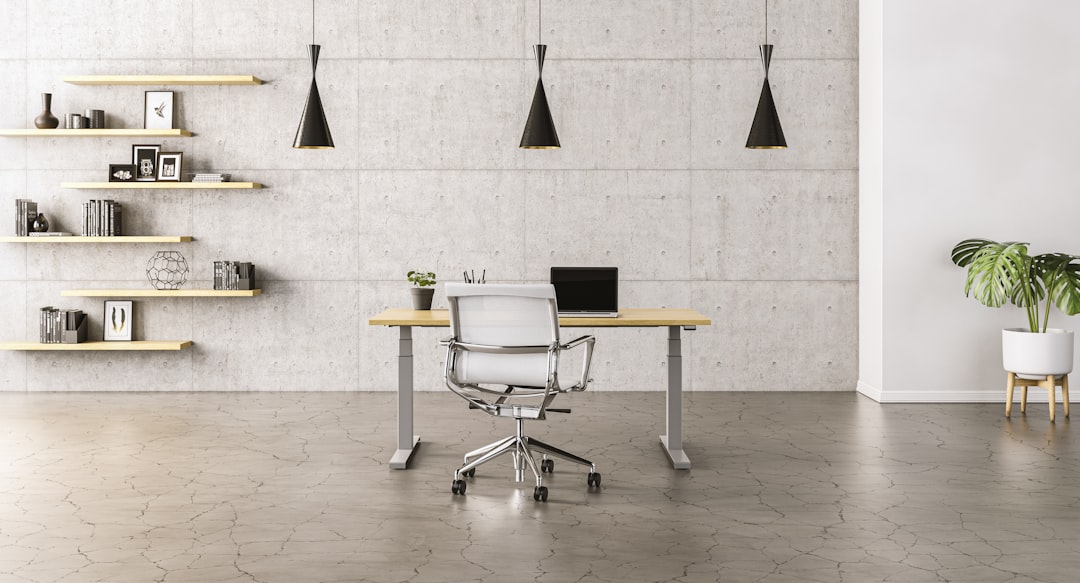
Muji-inspired carpentry favours light-toned timber laminates or veneers with minimal hardware. Push-to-open mechanisms or recessed finger pulls maintain clean surfaces. Open shelving — a signature Muji element — displays selected items while maintaining a sense of spaciousness.
In HDB and condo kitchens, handle-less cabinetry in white or light wood tones creates the streamlined look. A full-height cabinet or pantry unit provides the concealed storage needed to keep countertops clear — essential for maintaining the uncluttered aesthetic.
Material Selection for Muji Interiors
Material authenticity is central to the Muji approach. The appeal lies in honest, natural materials that age gracefully rather than synthetic surfaces pretending to be something they are not.
Timber
Light-toned timber is the dominant material. Solid timber for furniture and timber veneer for built-in carpentry. The grain should be visible and celebrated, not concealed under heavy lacquer or paint. In Singapore’s humid climate, engineered timber products are more dimensionally stable than solid timber and are the practical choice for most applications.
Fabric and Textiles
Linen, cotton, and wool in their natural colours — oatmeal, undyed white, soft grey — are the textile palette of Muji interiors. Curtains should be simple in style: straight panels in light linen or cotton that filter light gently without heavy draping or elaborate heading styles.
Upholstery fabrics should feel natural to the touch. Avoid shiny synthetics, heavy brocades, or anything that feels artificial. A cotton-linen blend sofa cover in warm grey or natural beige is the quintessential Muji seating fabric.
Ceramics and Stoneware
Handmade ceramics in muted, earthy glazes serve as decorative accents and functional objects. The slight imperfections of hand-thrown pottery align with the wabi-sabi philosophy that underpins Muji aesthetics — finding beauty in imperfection and impermanence.
Rattan and Woven Materials
Rattan furniture, woven baskets, and jute rugs introduce organic texture and warmth. These materials have a natural affinity with Singapore’s tropical setting and add visual interest to the restrained colour palette without disrupting its calm coherence.
Lighting in Muji-Inspired Spaces
Lighting profoundly affects the Muji atmosphere. The goal is warm, soft, layered light that creates a sense of comfort without harsh contrasts or clinical brightness.
Natural light is prioritised. Sheer curtains rather than heavy drapes allow daylight to fill the space while softening glare. Window treatments should be minimal — a simple curtain track or wooden Venetian blind, not elaborate pelmets or swags.
Artificial lighting should use warm white LEDs (2700K to 3000K colour temperature). Pendant lights with paper, fabric, or timber shades diffuse light gently. Recessed downlights should be subtle and evenly spaced to avoid dramatic spotlighting. Table lamps and floor lamps with fabric shades add warmth to evening settings.
Avoid exposed LED strips, colour-changing lights, and anything that draws attention to the lighting fixtures themselves. In Muji interiors, light is felt rather than seen.
Organisation and Storage Strategies
The Muji approach to storage is perhaps its most practical contribution to Singapore living. In compact homes, effective organisation is not just aesthetically desirable — it is essential for daily function.
- Modular storage: Stackable, combinable units that adapt to changing needs. Timber-framed shelving with interchangeable bins and baskets.
- Vertical space: Floor-to-ceiling shelving maximises storage in rooms with limited floor area — particularly relevant in HDB and condo bedrooms.
- Uniform containers: Matching storage boxes and baskets create visual order on open shelves. The contents may vary, but the consistent exteriors maintain a tidy appearance.
- Concealed essentials: Items used daily but not visually attractive — cleaning supplies, electronics, paperwork — belong behind closed doors. Display only what is beautiful or meaningful.
Common Mistakes in Muji-Inspired Design
The simplicity of the Muji aesthetic is deceptive — it is easier to describe than to execute. Several common mistakes undermine the intended effect.
Using too many different timber tones creates visual fragmentation. Stick to one dominant timber tone throughout the home and keep accent timbers to a minimum. Mixing oak, walnut, and teak in the same room contradicts the cohesion that Muji design requires.
Going too minimal can make a space feel cold and uninhabited. The Muji aesthetic is warm minimalism, not clinical minimalism. Textiles, plants, and a few carefully chosen objects add the human warmth that prevents a space from feeling like a showroom.
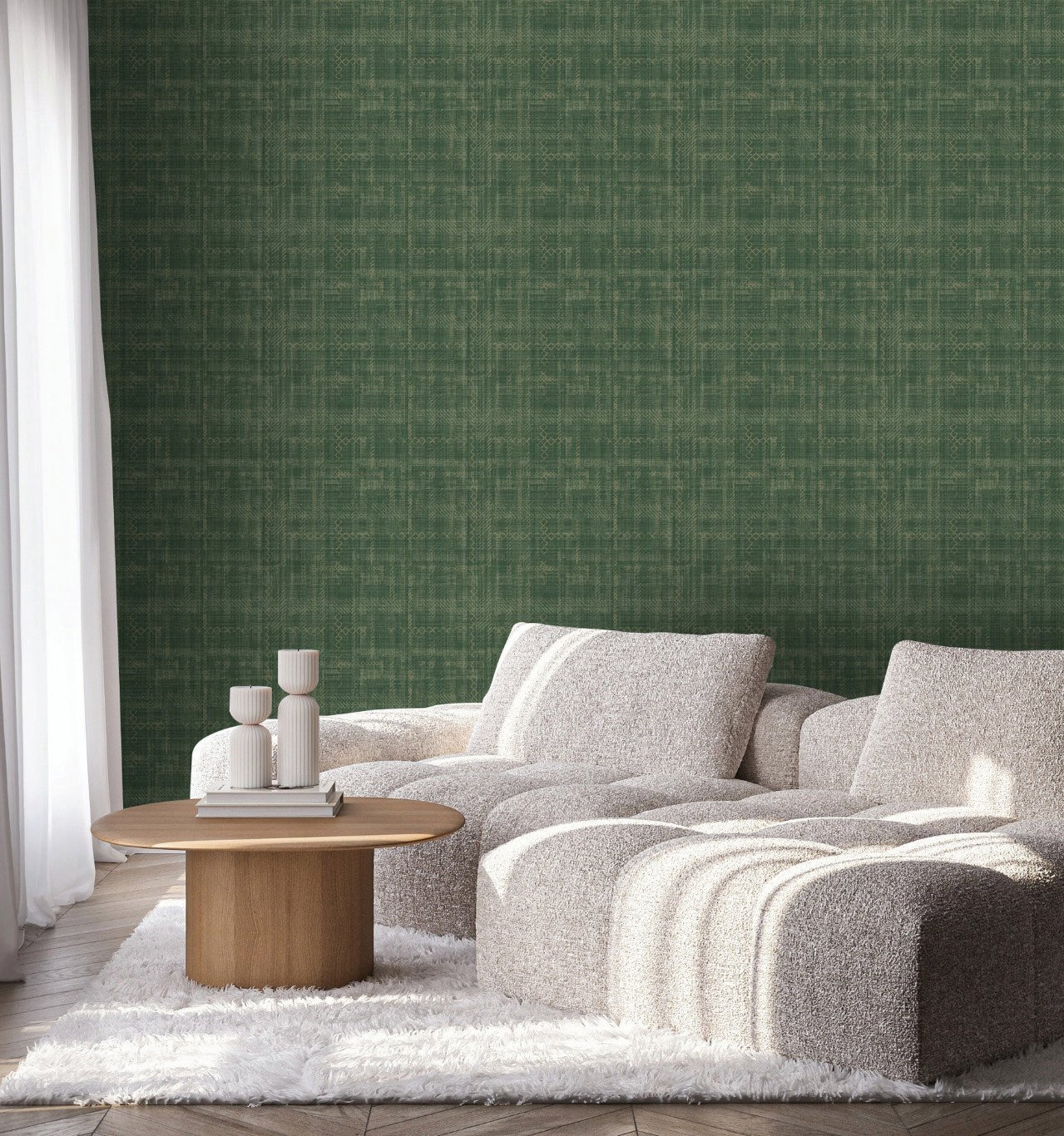
Ignoring quality in favour of quantity is another pitfall. Muji-inspired interiors work because each piece is well-made and thoughtfully designed. A single excellent wallcovering on an accent wall contributes more to the overall design than multiple budget pieces that lack material integrity.
Final Thoughts
Muji-inspired interior design offers a proven framework for creating calm, functional homes that suit Singapore’s compact living spaces. Its emphasis on natural materials, neutral tones, and organised simplicity produces interiors that feel restful and timeless rather than trendy and disposable.
The beauty of this approach lies in its discipline: knowing what to include and, just as importantly, what to leave out.
Request free samples from our Singapore showroom to explore natural-toned flooring and fabrics for your Muji-inspired home.