Commercial Interiors
Bank Branch Interior Design: Modern and Welcoming
Bank branch interior design has undergone a fundamental transformation in recent years. As digital banking handles routine transactions, physical branches are being reimagined as advisory centres, brand experience hubs, and community spaces. The interior design of these branches must now convey trust, modernity, and approachability in equal measure.
For architects and designers working on banking projects in Singapore and across Southeast Asia, the material palette plays a central role in achieving this balance.
The Evolving Role of the Bank Branch
The traditional bank branch, with its queuing barriers, teller counters behind glass, and institutional finishes, is rapidly becoming obsolete. Modern branches are designed around advisory relationships, with private consultation rooms, open lounge areas, and self-service zones replacing the old counter-and-queue model.
This shift has profound implications for interior design. The goal is no longer to process volume efficiently but to make visitors feel welcomed, valued, and comfortable. Materials must project professionalism without coldness, and sophistication without intimidation.
In Singapore, where major banks including DBS, OCBC, and UOB have invested heavily in branch redesigns, the standard has moved toward hospitality-inspired interiors that blur the line between banking and premium retail.
Flooring That Balances Durability and Warmth
Bank branches experience significant foot traffic, yet the flooring must feel warm and welcoming rather than industrial. This requires materials that combine commercial-grade durability with residential-quality aesthetics.
Luxury Vinyl Tile for Public Areas
LVT is increasingly the flooring of choice for modern bank branches. It offers realistic wood and stone visuals in a format that withstands heavy foot traffic, is easy to maintain, and meets the acoustic requirements of a space where conversations must remain private.
A warm timber-look LVT in the main lobby and advisory areas creates an inviting atmosphere that puts visitors at ease. Stone-effect LVT in entrance zones provides visual differentiation and handles the wear of high-traffic entry points.
Carpet Tiles for Advisory Zones
Private advisory rooms and wealth management suites benefit from carpet tile flooring. Carpet absorbs sound, ensuring confidential conversations remain private. It also signals a shift in environment, from the public banking hall to a more intimate, premium setting.
Explore commercial carpet options designed for high-performance environments like banking.
Wall Treatments That Build Brand Identity
Walls in a bank branch serve as brand canvases. The right wallcovering communicates institutional stability while avoiding the sterile feel of plain painted surfaces.
Effective wall treatment strategies for bank branches include:
- Textured wallcovering in brand colours: A grasscloth or woven wallcovering in the bank’s signature colour, applied to feature walls, reinforces brand identity through texture rather than signage.
- Acoustic wallcovering in consultation rooms: Fabric-wrapped acoustic panels or acoustic wallcoverings reduce sound transmission between private rooms, an essential requirement in banking environments.
- Durable vinyl wallcovering in high-traffic areas: Entrance lobbies and waiting areas need wallcoverings that resist scuffing, marking, and the wear of constant brushing contact. Commercial-grade vinyl wallcoverings rated for Type II durability are the standard.
The wallpaper and wallcovering range includes commercial-grade options suitable for banking and financial interiors.
Fabric for Comfort and Brand Alignment
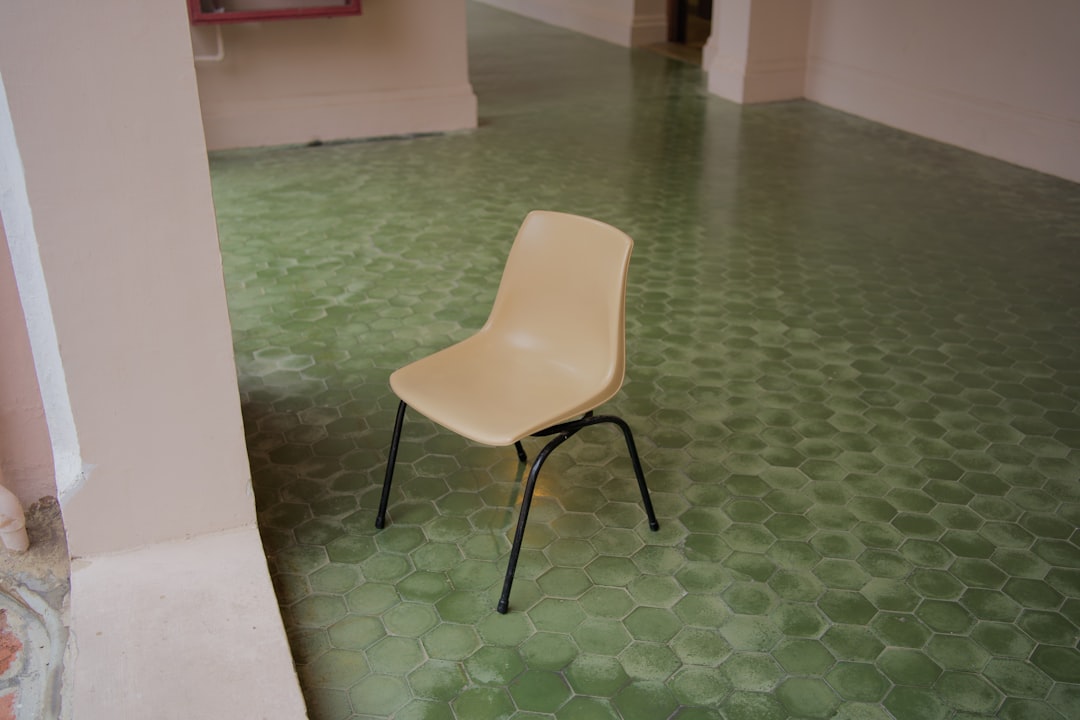
Seating in modern bank branches has moved far beyond the plastic chairs of decades past. Upholstered lounge seating, advisory room chairs, and even sofa-style waiting areas are now standard in premium branches.
The fabric choices for bank seating must meet several requirements simultaneously:
- Durability: Contract-grade fabrics with a Martindale abrasion rating of 40,000 cycles or above are necessary for public seating that is used continuously throughout the day.
- Stain resistance: Treated fabrics or inherently stain-resistant materials such as solution-dyed polyester ensure that seating remains presentable despite heavy use.
- Brand consistency: Fabric colours and textures should align with the overall brand palette, creating a cohesive environment across all touchpoints.
- Comfort: Visitors spending 30 minutes or more in advisory meetings need seating that is genuinely comfortable. Soft-hand fabrics with some give are preferable to stiff contract textiles.
Zoning Through Material Transitions
Modern bank branches are typically divided into distinct zones, each serving a different function. Material transitions help visitors understand these zones intuitively, without the need for signage or barriers.
| Zone | Function | Recommended Materials |
|---|---|---|
| Entrance lobby | First impression, wayfinding | Stone-effect LVT, durable vinyl wallcovering |
| Self-service area | ATMs, digital kiosks | Hard-wearing LVT, wipeable wall surfaces |
| Waiting lounge | Comfort while waiting | Warm timber-look LVT, upholstered seating, feature wallcovering |
| Advisory rooms | Private consultations | Carpet tiles, acoustic wallcovering, premium upholstery |
| Wealth management suite | High-net-worth clients | Premium carpet, textured wallcovering, luxury fabric |
Each transition in material signals a change in function and level of service, guiding visitors through the space naturally.
Sustainability in Bank Branch Design
Banks are increasingly held to high environmental, social, and governance (ESG) standards, and their physical spaces must reflect these commitments. Sustainable interior materials are no longer optional in bank branch design; they are expected.
Practical sustainability measures for bank interiors include:
- Specifying flooring and wallcovering products with low-VOC emissions to maintain healthy indoor air quality for both staff and visitors.
- Choosing carpet tiles made with recycled content and backed by recycling programmes that accept end-of-life products.
- Selecting wallcoverings from manufacturers with documented environmental management systems and responsible sourcing practices.
These choices align with the green building certifications, such as BCA Green Mark in Singapore, that many banks pursue for their branch networks.
Final Thoughts
Bank branch interior design in 2026 is about creating spaces that feel more like premium hospitality than traditional banking. The right combination of warm flooring, textured wallcoverings, and considered fabric choices transforms a transactional space into a relationship-building environment.
Every material decision communicates something about the institution’s values. Choose wisely, and the branch becomes a powerful expression of the brand.
Get a free quote for your project today and discover commercial-grade materials suited to banking environments.