Commercial Interiors
Condo Sinking Funds and Common Area Refurbishment in Singapore
Singapore’s condominiums are getting older. Industry figures reported by The Straits Times in 2025 put about 836 of the country’s 2,703 condominium developments, roughly 31 percent, at 30 years or older, with the number projected to reach around 1,160 by 2035 without collective sales. As estates age, big-ticket replacements arrive together: lifts, pumps, waterproofing, and the lobbies, corridors and clubhouses residents walk through every day.
The warning cases are now well known. At Fernwood Towers, a freehold development completed in 1994, owners approved a S$1.7 million special levy across 216 units for a full lift overhaul, payable over 24 months at an average of about S$320 per household per month. Residents lived with failing lifts for years while the money was argued over, and then waited again while new lifts were tendered and installed. The lesson for every management corporation (MCST) is simple: the money was always going to be spent. The only question is whether it is collected steadily or demanded suddenly.
This guide is for MCST councils and managing agents planning common area refurbishment. It covers how to build interior finishes into the sinking fund and how to choose materials that make each dollar last.
The short version: list every common area finish in the capital expenditure schedule with a realistic replacement year. Fund it steadily through the sinking fund rather than special levies. When the time comes, choose durable, modular, easy-to-maintain materials, such as carpet tiles, commercial vinyl wallcoverings and resilient flooring, that can be replaced in phases and last longer between cycles.
How Sinking Funds Work in Singapore
Under the Building Maintenance and Strata Management Act 2004, every MCST must keep a management fund for day-to-day running costs and a sinking fund for major repairs and replacements, and must have its accounts audited. The prescribed minimum sinking fund contribution is 10 percent of the management fund contribution. Contribution levels are set by ordinary resolution at the general meeting.
The weakness is that the minimum is a floor, not a measure of adequacy. An estate can comply with the law while collecting far less than its own capital schedule says it needs. Owners who expect to sell may prefer lower contributions, leaving future owners with the bill. Repainting shows the alternative: because external repainting is mandatory at least every seven years, it is funded routinely with little debate. BCA confirmed in August 2025 that it is reviewing the Act to strengthen estate maintenance, and industry bodies have proposed recommended minimum contributions or technical audits at set building ages.
Interior finishes in common areas are rarely mandatory to replace, so they are exactly the items most likely to be deferred until they look tired, become a safety issue or hurt resale values.
Build Interior Finishes Into the Capital Schedule
A good MCST annual report includes a projected capital expenditure schedule. Make sure common area interiors are listed item by item, with a realistic life and cost. Typical ranges for well-maintained commercial-grade finishes are:
| Common area finishes | Typical replacement cycle | What shortens it |
|---|---|---|
| Corridor and lobby carpet tiles | *8 years | Low-grade product, poor cleaning, wheeled traffic |
| Resilient flooring (LVT, commercial vinyl) | *8 years | Grit, furniture dragging, moisture from below |
| Commercial vinyl wallcovering | *5-8 years | Impact damage without wall protection |
| Painted walls (interior) | *5 to 7 years | Scuffs in lift lobbies and corridors |
| Gym flooring | *8 years | Dropped weights, sweat, UV exposure |
| Clubhouse and function room upholstery | *7 to 10 years | Low-performance fabrics with sun exposure |
*These are guides, not guarantees. Actual life depends on product grade, traffic and maintenance. The point is to put a year and an amount against every item so contributions can be set to meet them.
Choose Materials That Stretch the Sinking Fund
The cheapest finish at tender is often the most expensive over the life of the estate. When refurbishing, evaluate total cost of ownership (TCO) rather than supply price. Our total cost of ownership guide for commercial flooring shows how to compare options.
Lift lobbies and corridors
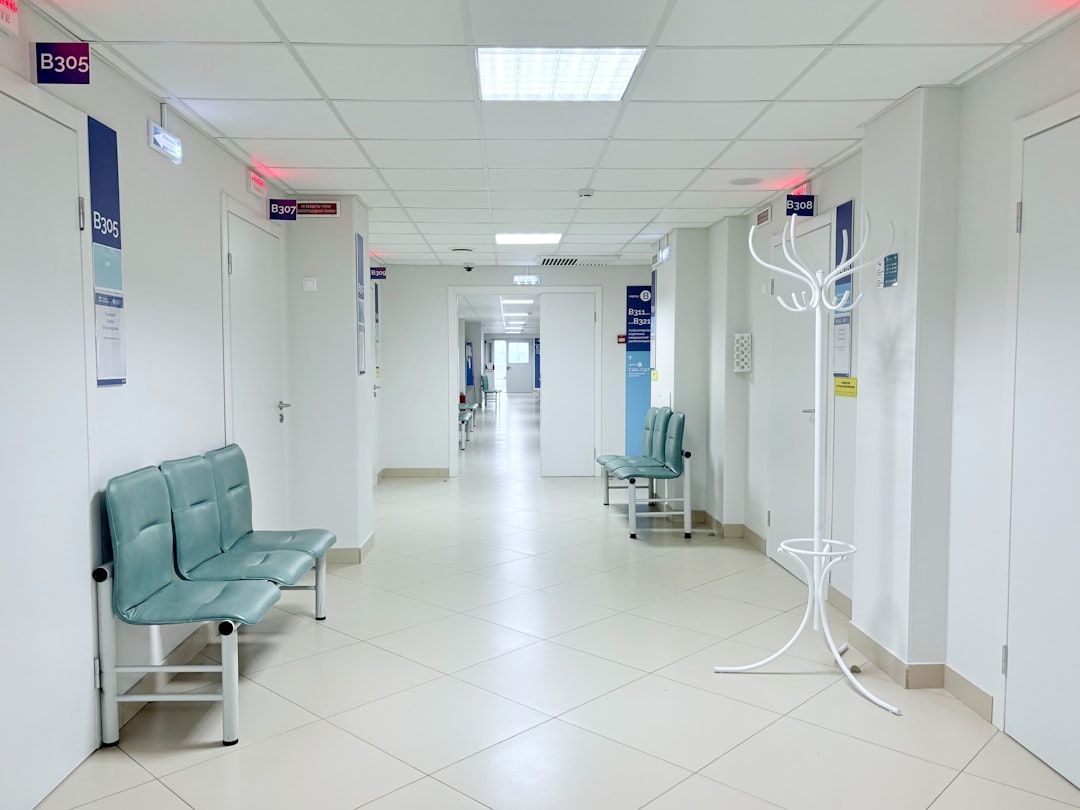
Carpet tiles suit air-conditioned lobbies and corridors in many condominiums. They absorb footfall noise, and individual tiles can be replaced where stains or wear appear rather than re-carpeting the whole floor. For open-air or humid corridors, commercial resilient flooring is more practical. Browse our commercial carpet tiles and commercial flooring ranges.
Walls
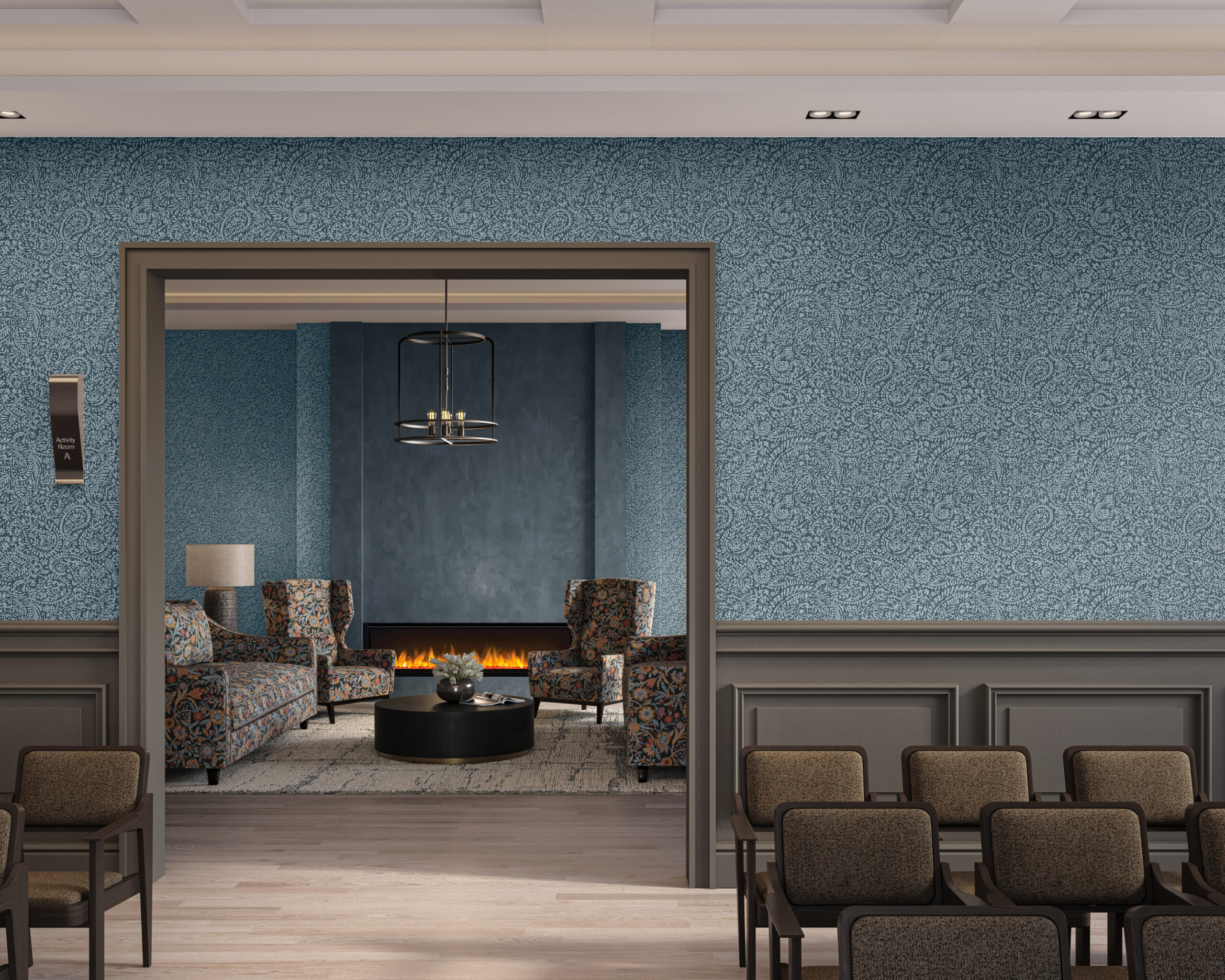
Lift lobbies take constant knocks from furniture moves, renovation contractors and trolleys. Commercial vinyl wallcoverings resist scuffs, wipe clean and last well beyond a paint cycle, and wall protection such as corner guards and crash rails prevents costly damage at pinch points. See our guides to commercial vinyl wallcovering, wallcovering versus paint and wall protection.
Gyms and clubhouses
Condo gyms are among the hardest-working spaces in an estate. Our condo gym flooring guide for MCSTs covers specification and procurement. For clubhouse furniture, performance upholstery fabrics resist stains and fading far longer than domestic fabrics.
Plan the Works to Minimise Disruption
- Phase by block or floor. Modular finishes allow works to proceed one area at a time while residents continue to use the building.
- Order attic stock. Keep spare tiles and wallcovering from the same batch for future repairs, since colours vary between production lots.
- Get warranties and maintenance guides. Ask for product warranties and cleaning instructions at handover so the managing agent can maintain finishes correctly. Our material warranties guide explains what to ask for.
- Check fire ratings. Common area finishes must meet fire code requirements. Request certificates for the exact products tendered.
- Refurbish, don’t rebuild. Many lobbies can be transformed with new flooring, wallcoverings and lighting without structural works. See our guide to refurbishment without demolition.
Presenting the Case to Owners
Councils are volunteers, and asking neighbours for higher contributions is never easy. Three things help. First, show the capital schedule and the shortfall plainly: what is needed, what is held, and the plan to close the gap over a stated period. Second, explain the trade-off. Steady contributions spread the cost fairly across current and future owners, while a deferred special levy lands on whoever owns a unit when the bill arrives. Third, show the value. Well-kept common areas protect resale prices and daily quality of life, and durable finishes reduce how often the question comes back.
Final Thoughts
Ageing condominiums do not have to become Fernwood-style emergencies. Estates that list every finish in the capital schedule, fund it steadily, and specify durable, modular and maintainable materials spend less over time and give residents better homes. As the number of 30-year-old estates grows, that discipline will increasingly separate well-run developments from the rest.
Goodrich Global works with MCSTs, managing agents and contractors on common area refurbishment. Request a quotation or request samples of carpet tiles, wallcoverings and flooring for your estate.
Frequently Asked Questions
What is a sinking fund in a Singapore condo?
A sinking fund is a reserve that every MCST must maintain under the Building Maintenance and Strata Management Act 2004 to pay for major repairs and replacements, such as lifts, repainting, waterproofing and common area refurbishment. The prescribed minimum contribution is 10 percent of the management fund contribution, though many estates need more.
Can condo common area refurbishment be paid from the sinking fund?
Yes. Replacing worn flooring, wallcoverings and other common area finishes is a typical use of the sinking fund. Listing each finish in the capital expenditure schedule with a replacement year and cost helps the MCST set contributions high enough to avoid a special levy later.
How long does corridor carpet last in a condominium?
Well-maintained commercial carpet tiles in condo lobbies and corridors typically last 8 to 12 years, depending on product grade, traffic and cleaning. Modular tiles also let the MCST replace only worn or stained areas, extending the life of the overall installation.
What is the most durable wall finish for condo lift lobbies?
Commercial vinyl wallcoverings are among the most durable options for lift lobbies and corridors. They resist scuffs, clean easily and usually outlast several paint cycles. Adding corner guards and crash rails at pinch points prevents impact damage from furniture moves and renovation traffic.