Healthcare Interiors
Infection Control Wall Systems for Healthcare
Infection control wall systems are a critical component of healthcare facility design, yet they receive far less attention than flooring or equipment in many projects. Walls represent the largest surface area in any room, and in clinical environments where hygiene can be a matter of life and death, the wall finish directly affects the ability to prevent pathogen transmission.
For architects, designers, and facility managers specifying healthcare interiors in Singapore, understanding the options and requirements for infection control wall systems is essential to delivering environments that protect patients and staff.
Why Walls Matter in Infection Control
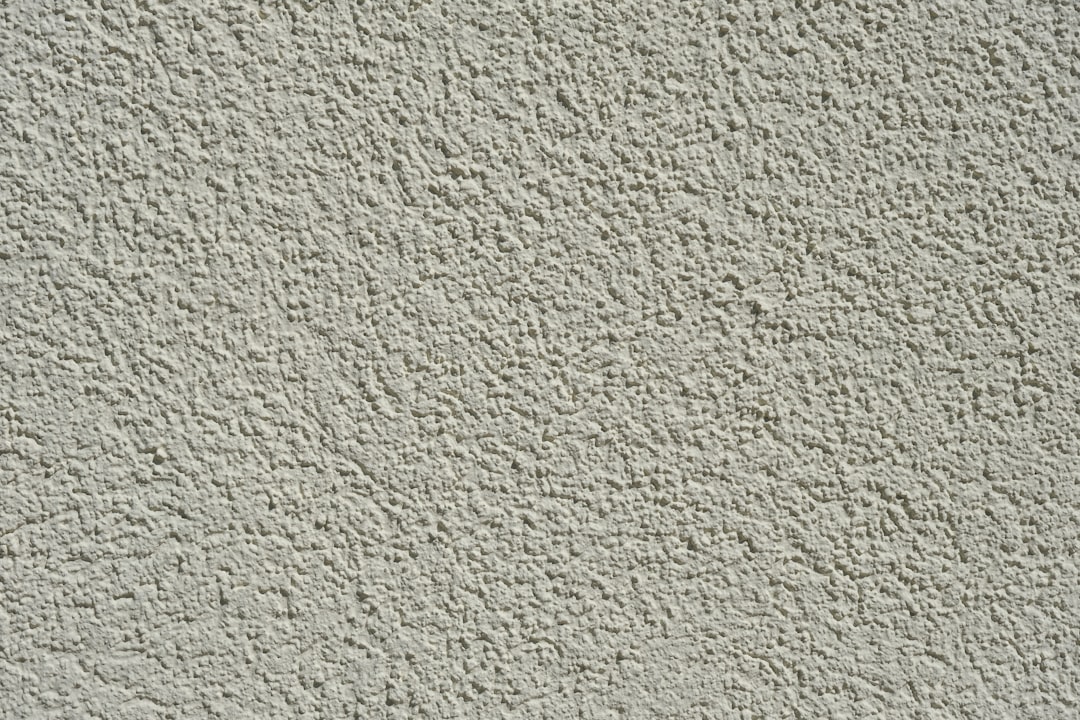
In healthcare settings, surfaces are classified as either porous or non-porous. Porous surfaces, including standard painted plasterboard and untreated plaster, can harbour bacteria, fungi, and viruses in their microscopic surface irregularities. These pathogens survive on surfaces for hours to days, creating a reservoir for cross-contamination.
Standard interior paint, even washable varieties, degrades under the repeated chemical cleaning that healthcare environments demand. Within months, the paint surface develops micro-cracks and abrasions that trap contaminants and resist effective disinfection. This is why purpose-designed infection control wall systems are essential in hospitals, clinics, aged care facilities, and laboratories.
Singapore’s healthcare sector, regulated by the Ministry of Health, maintains rigorous standards for environmental hygiene. Facility accreditation frameworks require demonstrable infection control measures across all interior surfaces, making the wall finish a compliance issue as well as a design decision.
Types of Infection Control Wall Systems
Several wall system types are available for healthcare environments, each with distinct properties and appropriate applications.
Vinyl Wallcovering (Healthcare Grade)
Healthcare-grade vinyl wallcovering is the most widely specified infection control wall finish. It provides a continuous, non-porous surface that can be cleaned and disinfected with the full range of hospital-grade chemicals. Key features include:
- Antimicrobial treatment: Many healthcare vinyl wallcoverings incorporate antimicrobial agents that inhibit bacterial growth on the surface between cleaning cycles.
- Chemical resistance: Formulated to withstand daily exposure to quaternary ammonium compounds, bleach solutions, hydrogen peroxide, and alcohol-based disinfectants without degradation.
- Impact resistance: Type II and Type III classifications provide increasing levels of physical durability for areas subject to trolley and equipment contact.
- Seam welding: Seams can be heat-welded or chemically bonded to create a continuous, gap-free surface that eliminates potential harbourage points.
Browse the wallcovering range for commercial and healthcare-grade options with enhanced durability and hygiene properties.
PVC-Free Wall Sheets
For facilities seeking alternatives to PVC-based products, rigid wall sheet systems made from polyethylene or polypropylene offer similar infection control performance. These sheets are installed in large panels with sealed joints, creating a smooth, impervious surface. They are common in operating theatres, sterilisation areas, and food preparation zones within healthcare facilities.
Coated Fibre-Reinforced Panels
Fibre-reinforced polymer (FRP) panels provide a highly durable, impact-resistant wall surface suitable for areas with heavy equipment traffic. The factory-applied coating creates a gel-like surface that is non-porous, chemical-resistant, and easy to clean. FRP panels are frequently used in corridors, utility rooms, and decontamination areas.
Specification Criteria for Healthcare Walls
Specifying infection control wall systems requires evaluating several performance criteria against the risk level and function of each area.
| Criterion | What to Evaluate |
|---|---|
| Chemical resistance | Compatibility with the specific disinfectants used in the facility’s cleaning protocol |
| Antimicrobial efficacy | Independent testing data showing pathogen reduction rates on the surface |
| Impact resistance | Type classification (I, II, or III) matched to the area’s traffic and equipment risk |
| Fire performance | Compliance with Singapore Civil Defence Force requirements for the building type |
| Moisture resistance | Ability to withstand high humidity and occasional water exposure without delamination |
| Seam integrity | Method of seam sealing and long-term performance of joints under cleaning stress |
| Lifecycle cost | Installation cost plus maintenance and replacement frequency over 10-15 years |
Application by Healthcare Area
Different areas within a healthcare facility present different risk levels and functional demands. The wall system should be matched accordingly.
High-Risk Areas
Operating theatres, intensive care units, isolation rooms, and sterile processing areas demand the highest-performing wall systems. Seamless vinyl wallcovering with welded joints or rigid wall sheet systems are appropriate. These surfaces must withstand aggressive cleaning protocols and provide a verified antimicrobial barrier.
Medium-Risk Areas
Patient rooms, treatment rooms, consultation areas, and general wards require durable, cleanable surfaces but may not need the extreme specifications of high-risk zones. Healthcare-grade vinyl wallcovering in Type II classification provides an effective balance of performance and cost.
Low-Risk Areas
Administrative offices, meeting rooms, and staff break areas can use standard commercial-grade wallcovering or antimicrobial paint. While infection control remains important, the risk level is lower and the cleaning frequency less intense.
Public Areas
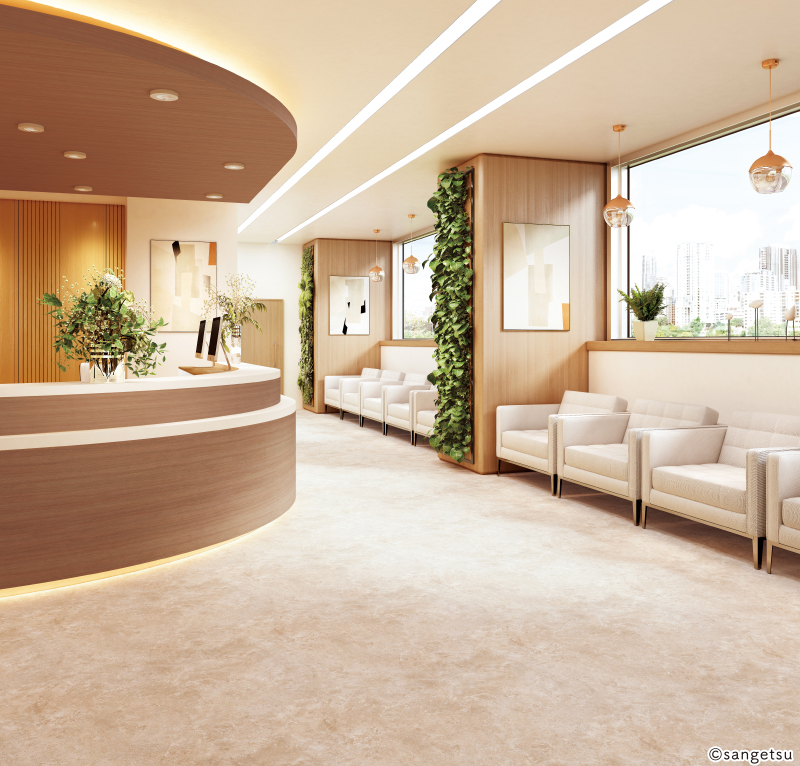
Reception lobbies, waiting areas, and corridors must balance infection control with patient experience. Decorative wallcovering with commercial-grade durability provides warmth and visual interest while meeting the cleanability requirements of a healthcare setting.
Maintenance and Lifecycle Management
Even the most robust infection control wall system requires proper maintenance to perform effectively over its intended lifecycle.
Best practices include:
- Daily cleaning: Wipe down all wall surfaces in clinical areas with approved disinfectant, following contact time recommendations.
- Inspection schedule: Quarterly inspections for damage, delamination, or compromised seams. Repair immediately to prevent pathogen harbourage.
- Cleaning chemical review: Verify that cleaning chemicals remain compatible with the wall finish. Changes in disinfectant procurement can inadvertently introduce products that degrade certain wallcovering types.
- Lifecycle planning: Budget for replacement on a 10 to 15 year cycle for vinyl wallcovering and a 15 to 20 year cycle for rigid wall sheet systems.
Final Thoughts
Infection control wall systems are a foundational element of healthcare facility design, not an afterthought. The wall finish affects cleaning efficacy, pathogen survival, staff workflow, and patient safety. In Singapore’s healthcare sector, where standards are high and accountability is rigorous, specifying the right wall system is both a design decision and a duty of care.
Choose wall systems based on evidence, not cost alone, and the facility will deliver better outcomes for everyone who enters it.
Get a free quote for your project today and discuss healthcare-grade wall system specifications with our team.