Carpet & Flooring
Vinyl Flooring for Bathrooms in Singapore – Goodrich
Vinyl flooring for bathroom spaces has become one of the most practical upgrades Singapore homeowners can make during a renovation. With our tropical humidity and frequent water exposure, bathrooms demand materials that resist moisture without sacrificing aesthetics. Modern vinyl flooring delivers on both counts, offering realistic stone and wood looks in a fully waterproof format.
Whether you are renovating an HDB flat, upgrading a condo bathroom, or fitting out a landed property, vinyl flooring provides a reliable, comfortable, and stylish solution that outperforms many traditional alternatives.
Why Vinyl Flooring Works in Wet Areas
The core advantage of vinyl flooring in bathrooms is its inherent water resistance. Unlike ceramic tiles that rely on grout lines to keep water out, luxury vinyl tiles (LVT) and stone polymer composite (SPC) flooring feature closed-cell construction that prevents moisture absorption entirely.
This makes vinyl particularly suitable for Singapore bathrooms, where high humidity levels and daily showers create a consistently damp environment. Water that sits on the surface will not seep through to the subfloor, reducing the risk of mould growth and structural damage over time.
Vinyl flooring also offers a warmer, softer underfoot feel compared to ceramic or porcelain tiles. For households with young children or elderly family members, this cushioned surface reduces the impact from slips and falls — a genuine safety consideration in wet areas.
Types of Vinyl Flooring Suitable for Bathrooms
Not all vinyl flooring is created equal, and selecting the right type for bathroom use requires understanding the differences between the main product categories.
Luxury Vinyl Tiles (LVT)
LVT consists of multiple layers including a printed design layer, a wear layer for scratch resistance, and a waterproof core. Available in planks and tiles, LVT can replicate marble, granite, concrete, and timber patterns with remarkable realism. For bathrooms, look for products with a wear layer of at least 0.3mm for residential use or 0.5mm for higher-traffic family bathrooms.
Stone Polymer Composite (SPC)
SPC flooring features a rigid limestone-based core that offers superior dimensional stability. It will not expand or contract with temperature fluctuations, making it an excellent choice for bathrooms with underfloor heating or significant temperature variation. SPC is also highly resistant to indentation from heavy fixtures such as vanity units and bathtubs.
Vinyl Sheet Flooring
Sheet vinyl is installed in large continuous rolls, which means fewer seams and joints where water could potentially penetrate. This makes it particularly effective for smaller HDB bathrooms where a single sheet can cover the entire floor area without any joins.
Design Options for Singapore Bathrooms
One of the most compelling reasons to choose vinyl flooring for bathrooms is the breadth of design choices available. Modern printing technology allows vinyl to faithfully reproduce natural materials that would be impractical or prohibitively expensive in wet environments.
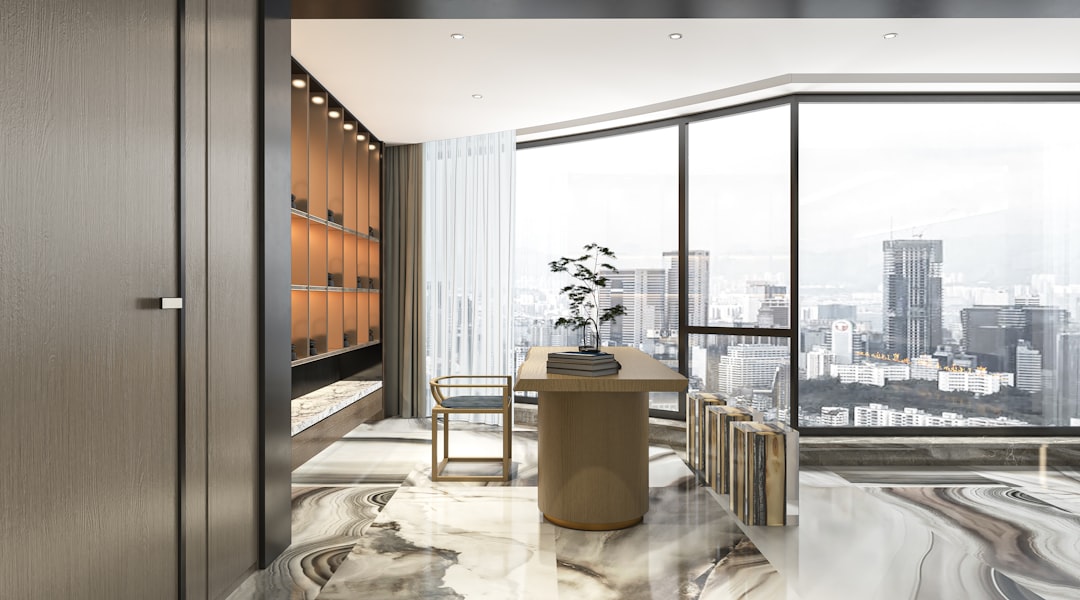
Marble-effect vinyl remains a popular choice for Singapore homeowners seeking a luxurious bathroom aesthetic without the cost and maintenance demands of natural stone. Terrazzo patterns are also trending, offering a contemporary look that pairs well with minimalist bathroom fixtures.
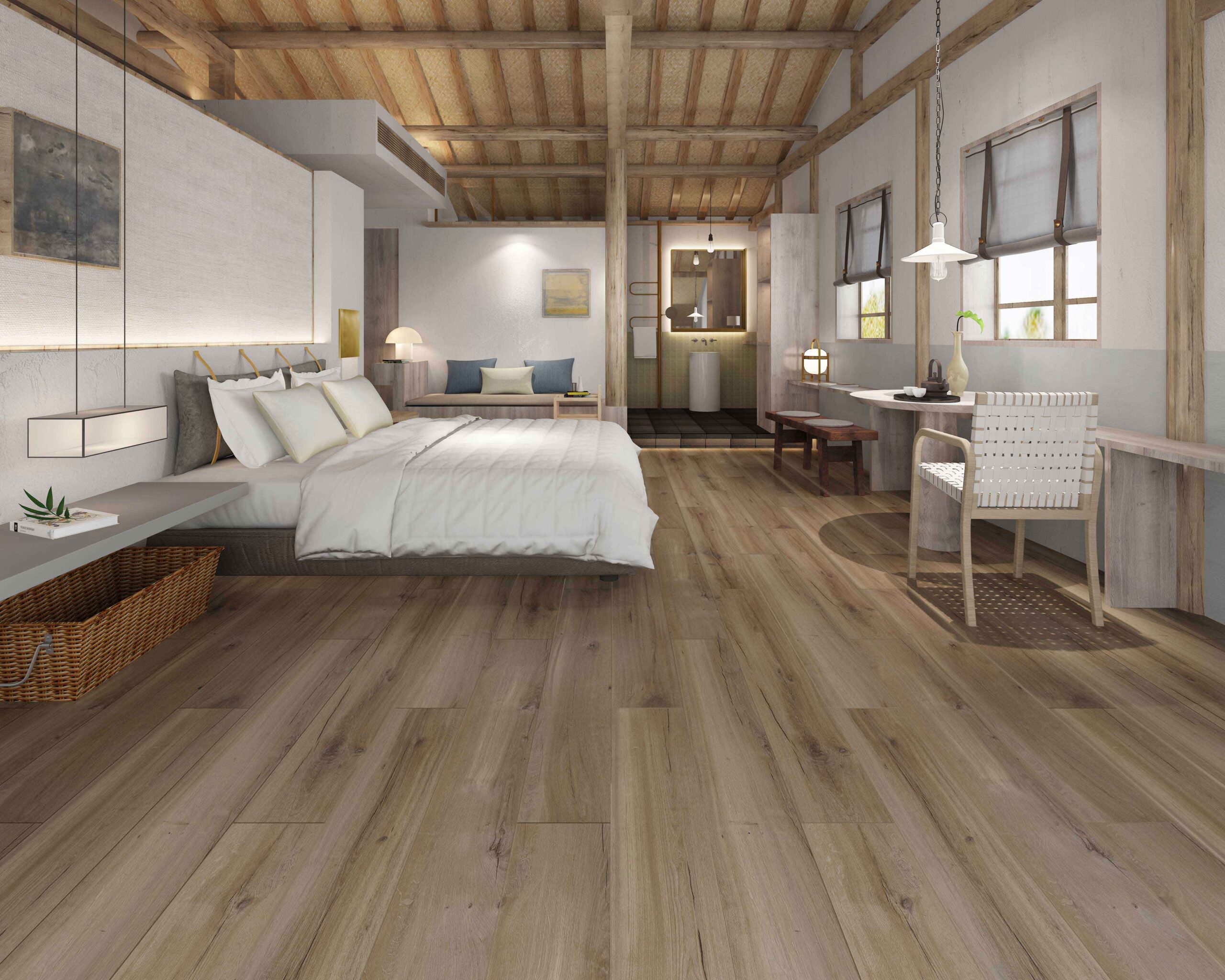
For those who prefer a warmer feel, wood-effect vinyl in light oak or ash tones creates a spa-like atmosphere. Unlike real timber, which would warp and deteriorate in a bathroom setting, vinyl maintains its appearance and structural integrity despite constant moisture exposure.
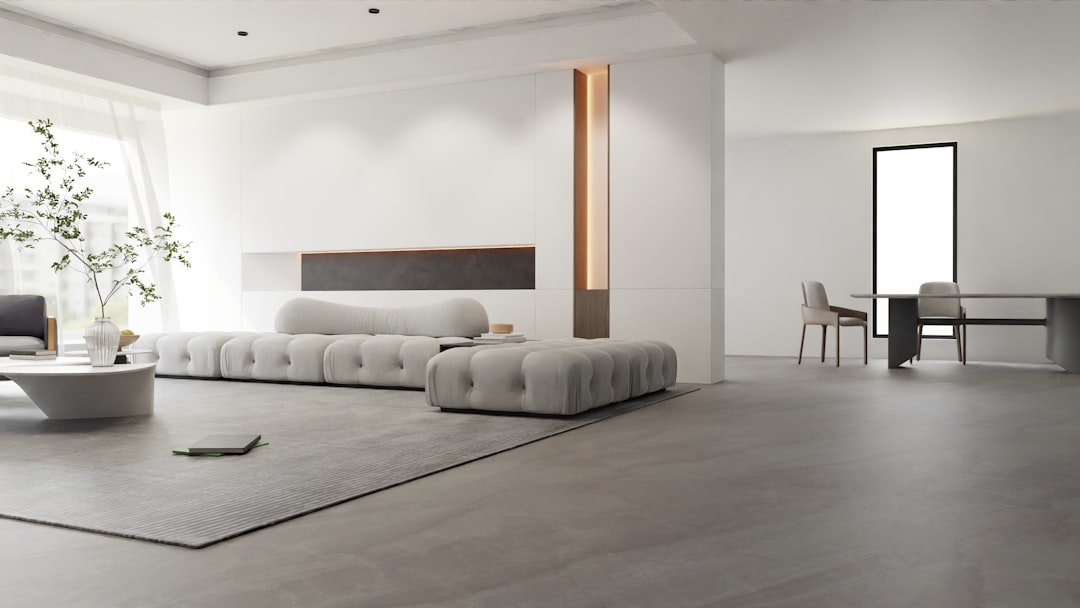
Concrete and slate-effect options suit industrial or modern bathroom designs, while hexagonal and geometric tile patterns add visual interest to compact HDB bathrooms. The ability to mix formats — such as using plank-format vinyl on the floor and tile-format on a shower step — allows for creative design flexibility.
Installation Considerations for HDB and Condo Bathrooms
Installing vinyl flooring in a bathroom requires careful attention to subfloor preparation and waterproofing, particularly in Singapore’s HDB flats and condominiums where floor levels and drainage systems must comply with building regulations.
Subfloor Preparation
The existing floor must be clean, dry, level, and free from debris before vinyl installation. In older HDB flats, this may involve screeding to correct uneven surfaces. Any cracks or imperfections in the subfloor can telegraph through thinner vinyl products, so thorough preparation is essential.
Waterproofing Membrane
While vinyl itself is waterproof, the subfloor beneath still requires proper waterproofing — especially around drain points, pipe penetrations, and wall junctions. A liquid waterproofing membrane should be applied before the vinyl is laid, extending at least 150mm up the walls to create a watertight tray.
Drainage and Floor Traps
Singapore bathrooms feature floor traps for drainage, and the vinyl installation must accommodate these. The flooring should be cut precisely around the trap and sealed to prevent water ingress at the junction. Maintaining the correct fall gradient towards the floor trap ensures water drains efficiently and does not pool on the surface.
Transition Strips
Where the bathroom meets an adjacent room, a transition strip provides a clean junction between different flooring materials. This also helps to contain water within the bathroom area and protects the exposed edge of the vinyl from lifting.
Maintenance and Longevity
Vinyl flooring in bathrooms is remarkably easy to maintain, which appeals to busy Singapore households. Regular sweeping or vacuuming removes loose debris, while a damp mop with a pH-neutral cleaner keeps the surface hygienic and looking fresh.
Avoid using abrasive scrubbing pads or harsh chemical cleaners, as these can dull the wear layer over time. For stubborn stains, a soft cloth with a mild cleaning solution is usually sufficient.
With proper installation and routine care, quality luxury vinyl flooring can last 15 to 20 years in a residential bathroom. This makes it a cost-effective alternative to natural stone or porcelain tiles, particularly when factoring in the lower installation costs and easier replacement process.
It is worth noting that individual damaged planks or tiles can be replaced without disturbing the rest of the floor — a significant advantage over grouted tile installations where a single cracked tile often requires extensive remedial work.
Comparing Vinyl to Traditional Bathroom Flooring
| Feature | Vinyl Flooring | Ceramic Tiles | Natural Stone |
|---|---|---|---|
| Water resistance | 100% waterproof | Waterproof (grout can absorb) | Requires sealing |
| Slip resistance | Good (textured options available) | Variable (depends on finish) | Can be slippery when wet |
| Comfort underfoot | Warm and cushioned | Cold and hard | Cold and hard |
| Installation time | 1-2 days | 3-5 days (including grouting) | 3-5 days |
| Maintenance | Low — damp mop only | Moderate — grout cleaning needed | High — periodic resealing |
| Lifespan | 15-20 years | 20-30 years | 25+ years |
| Cost (installed) | Moderate | Moderate to high | High |
For Singapore homeowners weighing these options, vinyl’s combination of waterproof performance, comfort, and design versatility makes it a strong contender — particularly for flooring projects where practicality and aesthetics must both be prioritised.
Final Thoughts
Vinyl flooring for bathrooms offers Singapore homeowners a practical, attractive, and durable solution that handles our tropical climate with ease. From HDB renovations to luxury condo upgrades, the range of designs and formats available means there is a vinyl option for every bathroom style and budget.
Request free samples from our Singapore showroom to see and feel the latest vinyl flooring options for your bathroom project.