Interior Design
Earth Tone Interior Design: Warm and Grounding
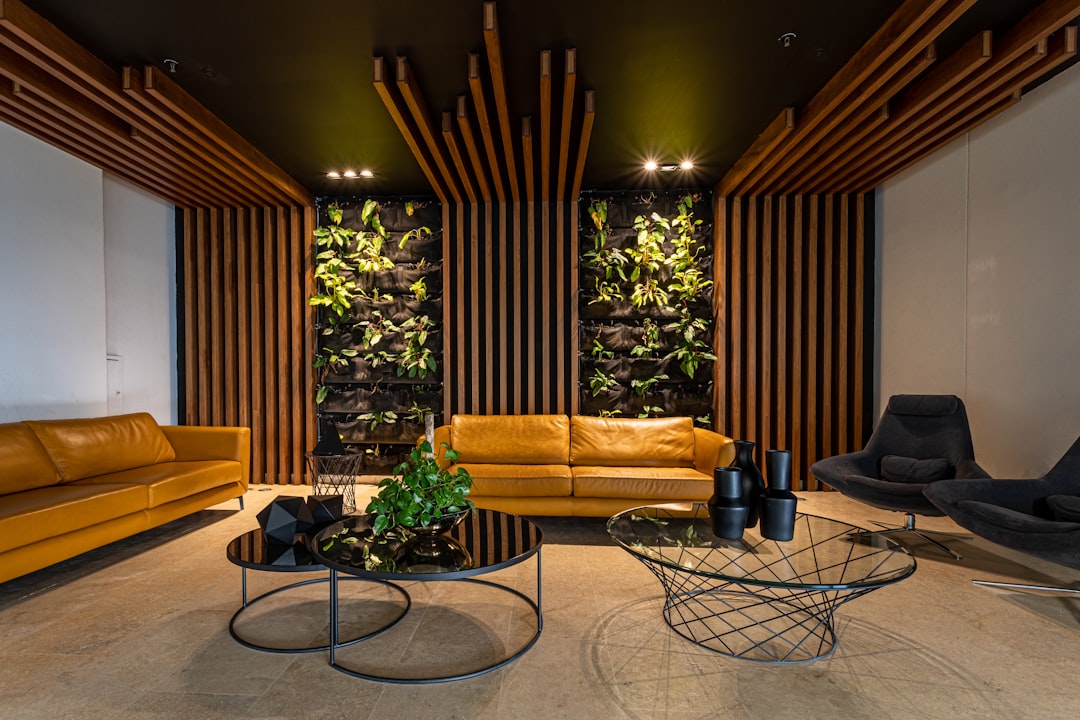
Earth tone interior design embraces the colours found in the natural landscape — warm browns, terracotta, ochre, olive, sand, clay, and stone — to create spaces that feel grounded, nurturing, and inherently calming. In a city as fast-paced as Singapore, an earth-toned home offers a restorative counterpoint to the steel, glass, and concrete of the urban environment.
This design approach has surged in popularity across Singapore’s residential and hospitality sectors, driven by a broader desire for warmth, authenticity, and connection to nature in interior spaces.
The Earth Tone Colour Palette
Earth tones encompass a wide range of colours, all inspired by natural elements. Understanding the palette helps you build a cohesive, layered scheme.
- Warm neutrals: Cream, beige, oatmeal, and warm white form the lightest values in the earth palette. These serve as background colours for walls and large surfaces.
- Sand and clay: Soft camel, buff, and clay tones add warmth without darkness. They work beautifully as secondary colours on feature walls, joinery, and large furniture pieces.
- Terracotta and rust: These rich, warm tones provide energy and focal points within the scheme. Use them for accent furniture, textiles, and decorative objects.
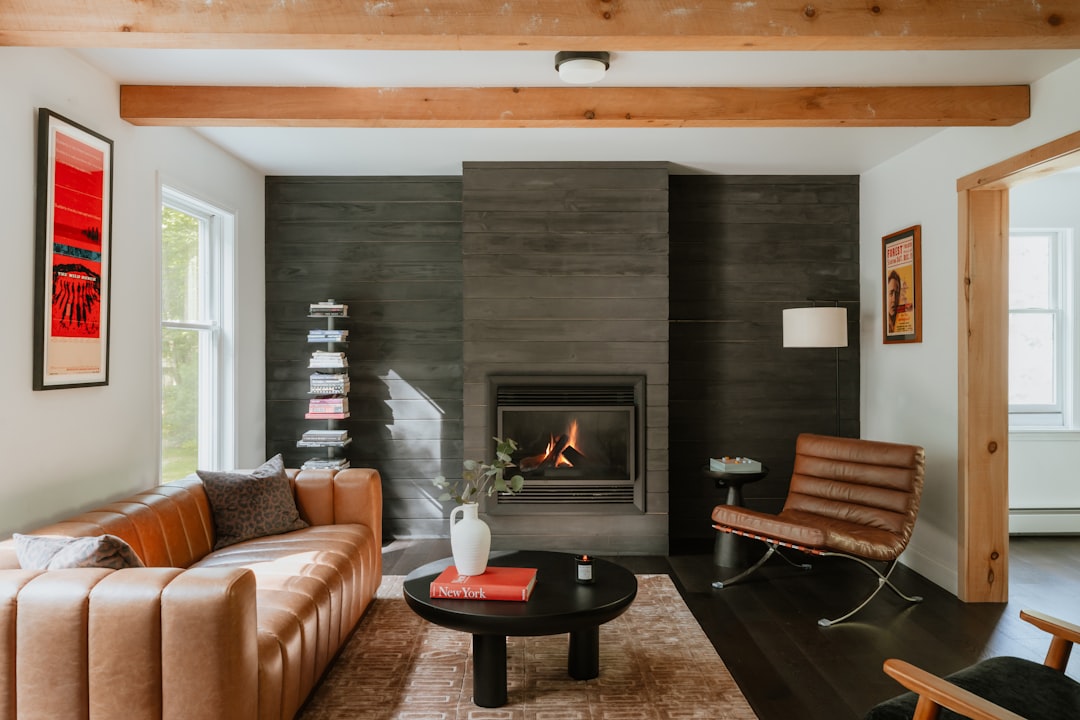
- Brown spectrum: From light tan to deep chocolate, browns ground the palette. Timber in various tones — light oak, medium walnut, dark teak — is the most natural way to introduce brown.
- Olive and sage: Muted greens bridge earth tones and botanical references, adding freshness without departing from the natural palette.
- Stone grey: Warm greys with brown or green undertones complement earth tones far better than cool, blue-based greys.
Materials That Embody Earth Tones
Authentic earth tone design relies on natural or natural-look materials that carry inherent colour and texture.
Flooring
Timber and timber-effect flooring in warm tones is the foundation of an earth-toned interior. Oak, walnut, and teak effects in luxury vinyl tile provide the warmth of natural timber with practical benefits for Singapore’s climate. Stone-effect flooring in travertine, sandstone, or warm limestone tones offers an alternative that suits both contemporary and rustic schemes.
Wall Finishes
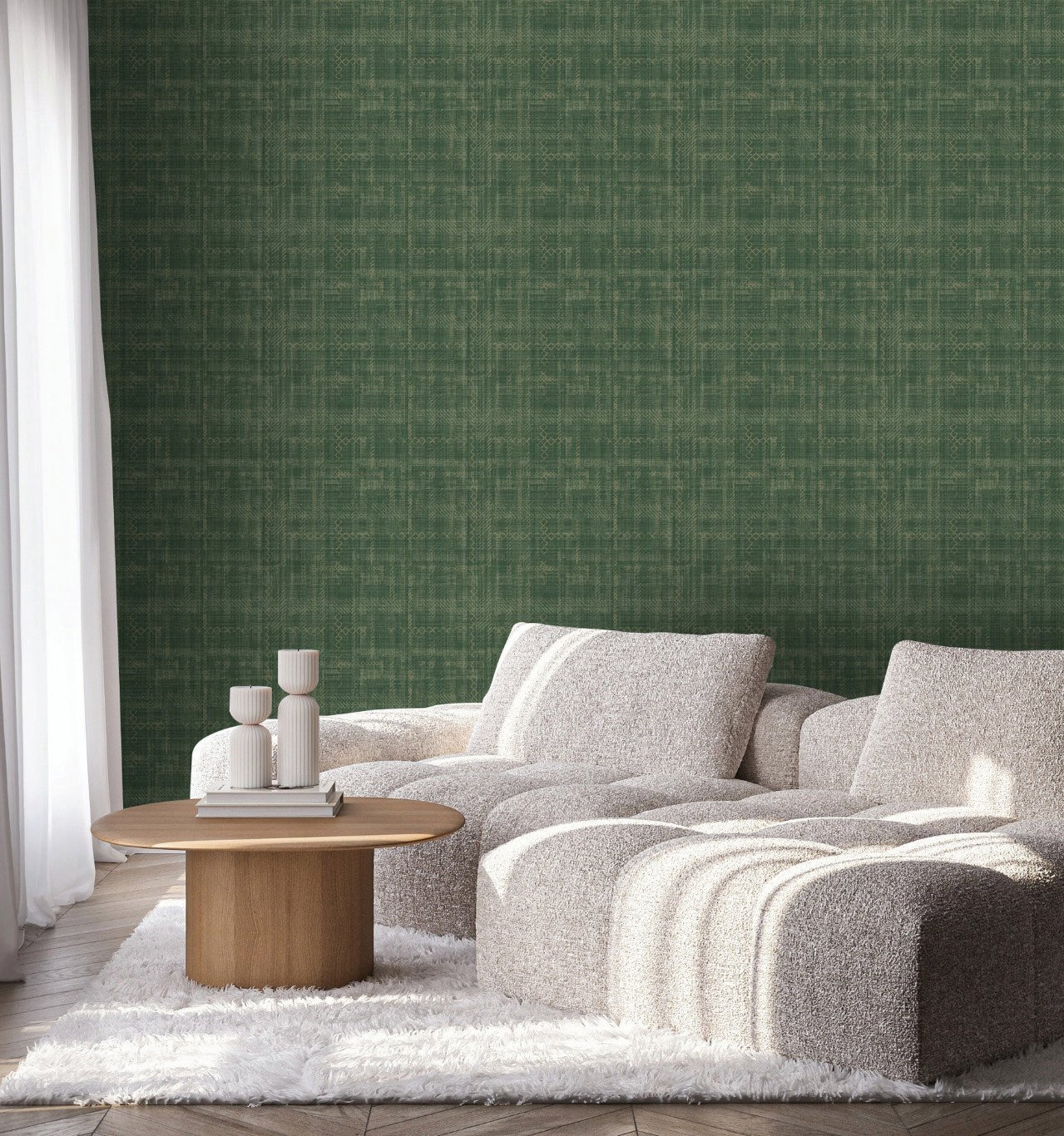
Earth-toned walls set the mood for the entire space. Beyond paint, textured wallcoverings in natural hues add depth and tactile interest. Grasscloth wallpaper, clay-textured finishes, and linen-effect wallcoverings from the Goodrich Global collection deliver organic warmth that flat paint cannot achieve. A feature wall in a deeper earth tone — terracotta, warm clay, or rich brown — anchors the room.
Textiles
Natural-fibre textiles reinforce the earth tone aesthetic through both colour and texture. Linen curtains in oatmeal or sand, cotton cushions in terracotta and olive, wool rugs in warm brown tones, and bouclé throws in cream all contribute to the layered, organic quality that defines this style.
Timber and Stone
Solid timber furniture, stone countertops, and natural material accessories — ceramic vases, woven baskets, terracotta pots — bring earth tones into the space through objects rather than just surface finishes. These elements add authenticity that cannot be replicated with synthetic alternatives.
Creating Depth Within Earth Tones
A common concern with earth tone design is that it might feel flat or monotonous. The solution lies in deliberate contrast, texture variation, and tonal range.
Light-to-dark gradient: Use the lightest earth tones on ceilings and the largest wall surfaces, mid-tones on secondary surfaces and furniture, and the darkest tones on floors and accent pieces. This natural gradient mimics the way we perceive landscapes — lighter sky above, darker ground below — and feels instinctively right.
Texture mixing: Combine smooth surfaces (polished stone, glazed ceramics) with rough ones (raw timber, woven textiles, unglazed pottery). The interplay of textures creates visual interest that compensates for the limited colour range.
Warm metallics: Brass, copper, and brushed gold hardware and light fittings add warmth and a subtle gleam that lifts earth tone interiors without introducing competing colours. Avoid chrome and silver, which read as cool and can feel disconnected from the palette.
Greenery: Indoor plants are the natural complement to earth tones. The green of foliage is itself an earth tone, and plants add life, freshness, and vertical interest. In Singapore, tropical indoor plants thrive in the humid conditions, making greenery integration easy and effective.
Earth Tone Design for Singapore Homes
HDB Flats
Earth tones are particularly effective in HDB flats, where the warm palette creates a welcoming atmosphere in compact spaces. A warm white or cream base colour on walls, combined with medium-toned timber flooring and terracotta accents, transforms a standard flat into a warm, inviting home. The palette works across open-plan layouts without the need for complex colour coordination between zones.
Condominiums
Modern condos with floor-to-ceiling windows benefit from earth tones that counterbalance the abundance of glass and sometimes stark architectural lines. Deep earth tones — rich brown, warm clay, olive — feel grounding in high-rise units, connecting residents to natural warmth despite being elevated above the landscape.
Landed Properties
Landed homes with gardens and outdoor spaces can extend the earth tone palette from interior to exterior, creating a seamless connection between home and landscape. Natural stone floors that continue from the living room to the patio, timber finishes that bridge indoor and outdoor spaces, and earth-toned outdoor furniture complete the integration.
Styling Tips and Common Pitfalls
- Avoid matching everything: Earth tones should be varied, not uniform. A room where every surface is the same shade of beige feels bland. Mix warm and cool earth tones, light and dark, smooth and textured.
- Introduce one accent outside the palette: A single element in black, navy, or deep charcoal provides contrast that makes the earth tones more vivid by comparison. A black-framed mirror, dark lamp base, or charcoal vase adds definition.
- Mind the lighting: Earth tones absorb more light than whites and pastels. Ensure adequate lighting — warm-toned LEDs at 2700-3000K complement earth palettes beautifully. Under cool, bluish light, earth tones can look muddy and unappealing.
- Layer gradually: Build the earth tone scheme in layers rather than committing to everything at once. Start with the largest surfaces (floors, walls), then add furniture, then textiles and accessories. This approach allows you to adjust the balance as you see how the tones interact in your specific space and light.
Final Thoughts
Earth tone interior design offers Singapore homeowners a warm, grounding aesthetic that transcends trends. Rooted in the colours and textures of the natural world, this palette creates spaces that feel nurturing, authentic, and effortlessly sophisticated.
The key is layering — multiple tones, varied textures, natural materials, and thoughtful lighting — to create depth and richness within the earth-inspired palette.
Browse our e-catalogue for the latest designs in wallcoverings, flooring, and fabrics that bring earth tone interiors to life.